Menu

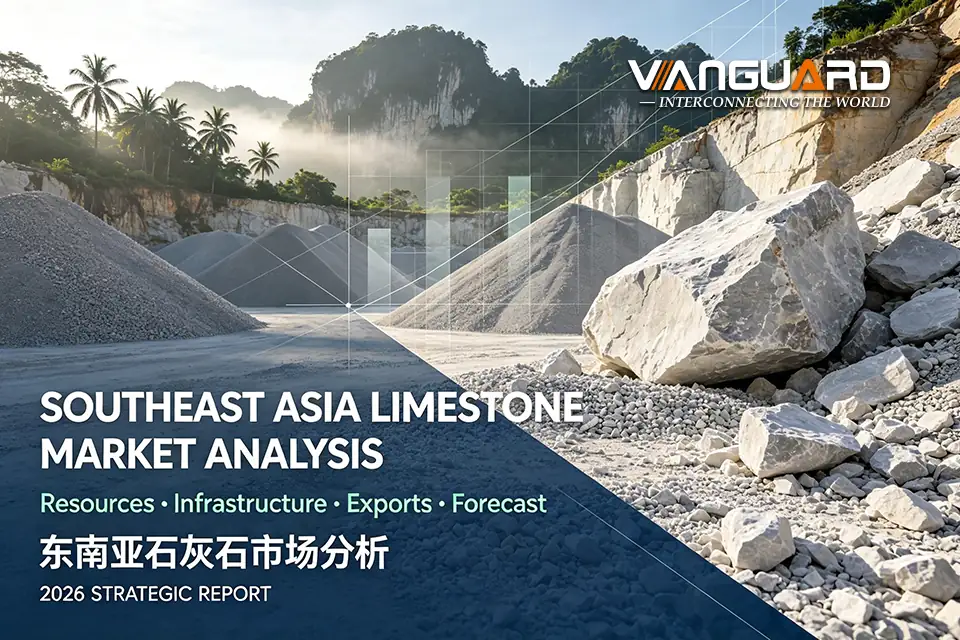
Field ExperienceLast month at Jakarta's main port, three tracked mobile plants from China were being loaded onto a barge. A cement plant supervisor nearby said their third line goes online this year and they are short on aggregate. It is not a one-off — limestone crushing equipment procurement across Southeast Asia has clearly heated up over the past two years. The demand did not appear from nowhere; here is the chain behind it.Market overview: why limestone became the region's hard currencyLime...
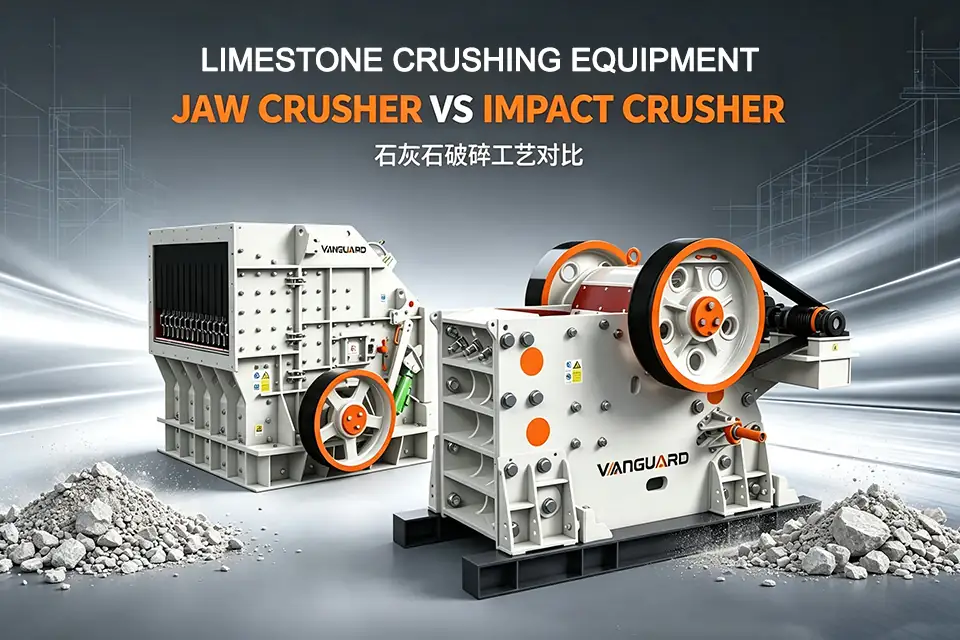
Expert OpinionLimestone runs Mohs 3-4, medium-hard and low-abrasive, so both machines handle it - but they sit at different spots in the line. The jaw crusher owns primary crushing: it eats 500-1000 mm feed by squeeze, shrugs off hard rock, stays cheap and easy to maintain, and pushes high tonnage. The impact crusher owns secondary shaping: it throws material against impact plates, so product comes out cubical with tight gradation. Trade-off - blow bars wear faster (though far better on limeston...
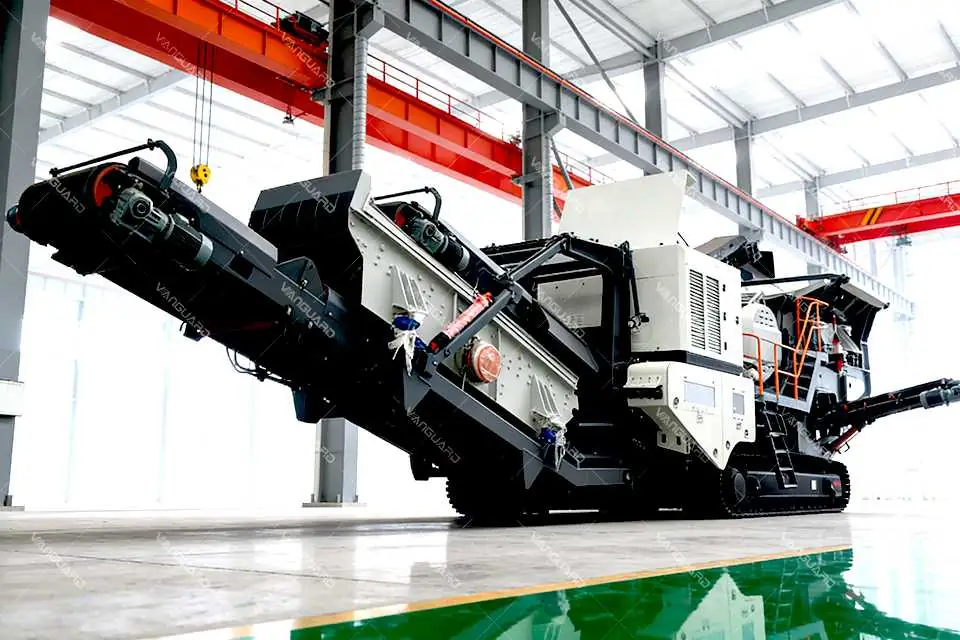
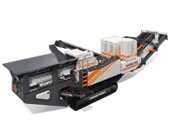
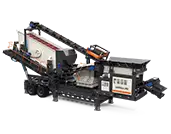
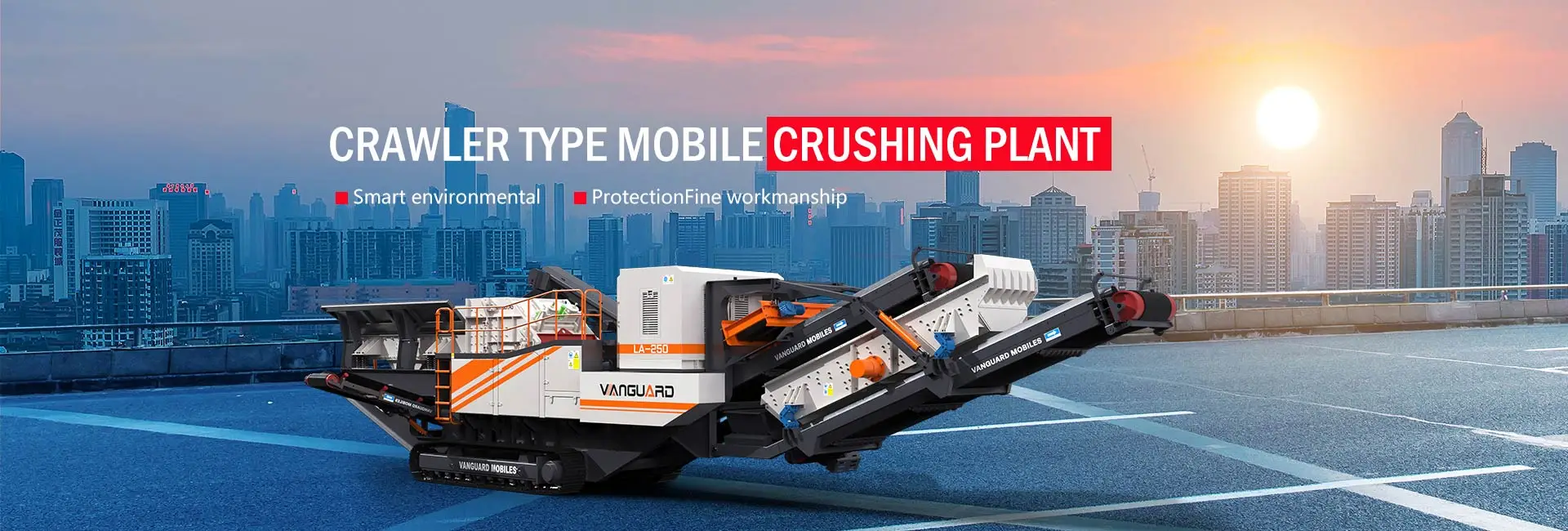
Key TakeawaysA crawler type mobile jaw crushing plant (the crawler mobile jaw family) puts a jaw crusher on a tracked chassis. The wide track footprint and low center of gravity keep it stable on its own — it drives itself onto site, needs no setup, and pours no foundation. That makes it the first pick for rough ground and sites that move often: quarries, mine development, road building, and demolition stone. Pick by three questions: how often do you move, how big is the feed, and what tonnage d...
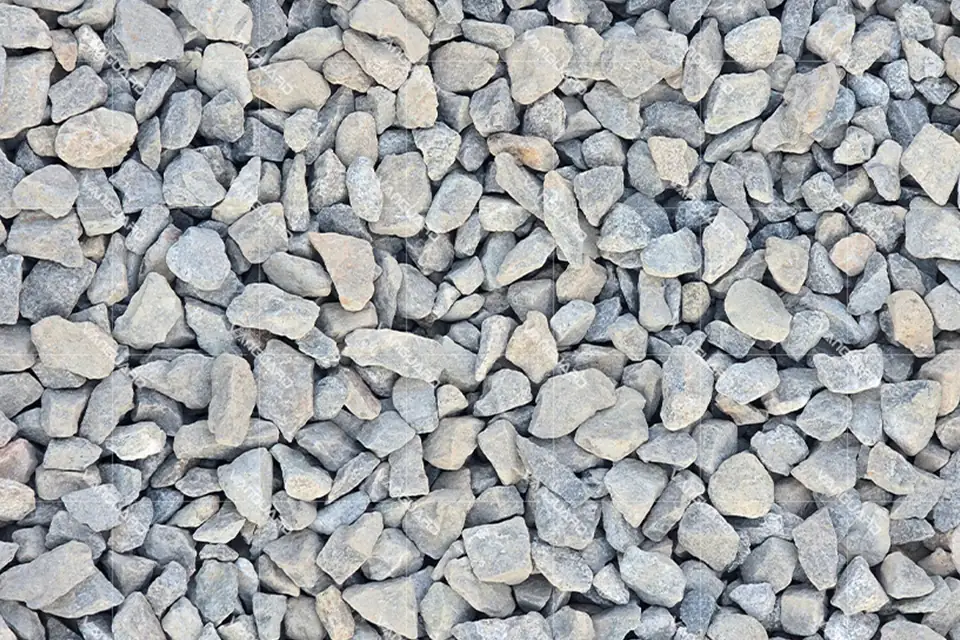
Executive SummaryBefore you start any limestone plant, the first job isn't switching on the crushers — it's figuring out what your rock actually behaves like. We've walked onto sites where the spec sheet says "limestone" but half the pit is mud and the other half is greywacke, and the standard flow sheet just chokes on it. So let's pin down the material first, then build up primary, secondary, tertiary and screening stage by stage, with the numbers you actually tune in the field.1. What kind of ...
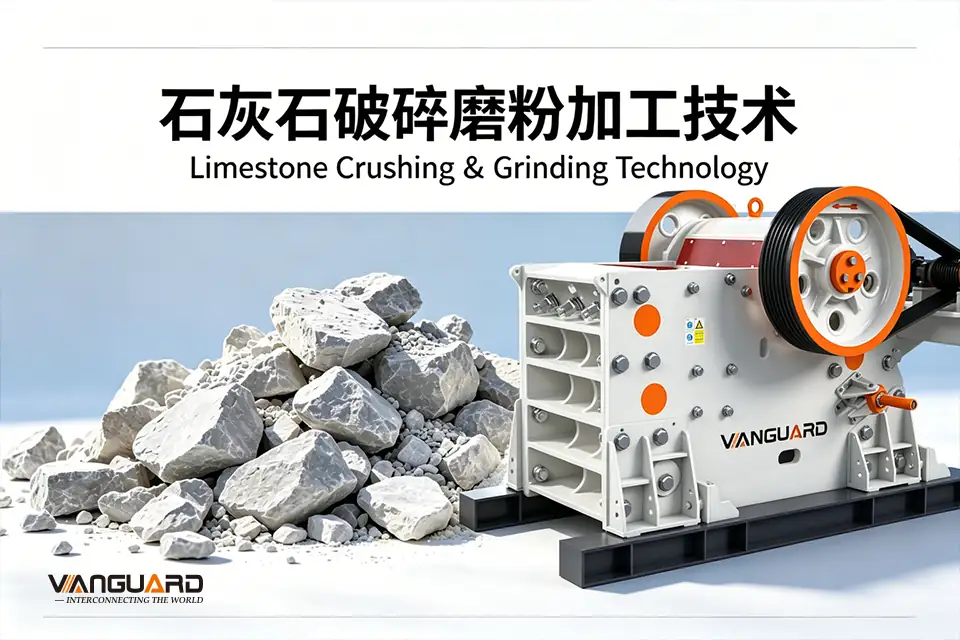
Quick AnswerLimestone runs Mohs 3-4, medium-hard and low-abrasion, so it behaves nothing like river pebble. You can run impact or hammer crushers here without burning through wear parts - that is the big difference. Small jobs save money with a heavy hammer crusher that does primary and secondary in one pass. Bigger operations go jaw primary plus impact secondary for cube shape, then add a cone in closed circuit when gradation has to be tight. Power source, feed size, and tonnage decide the rest...
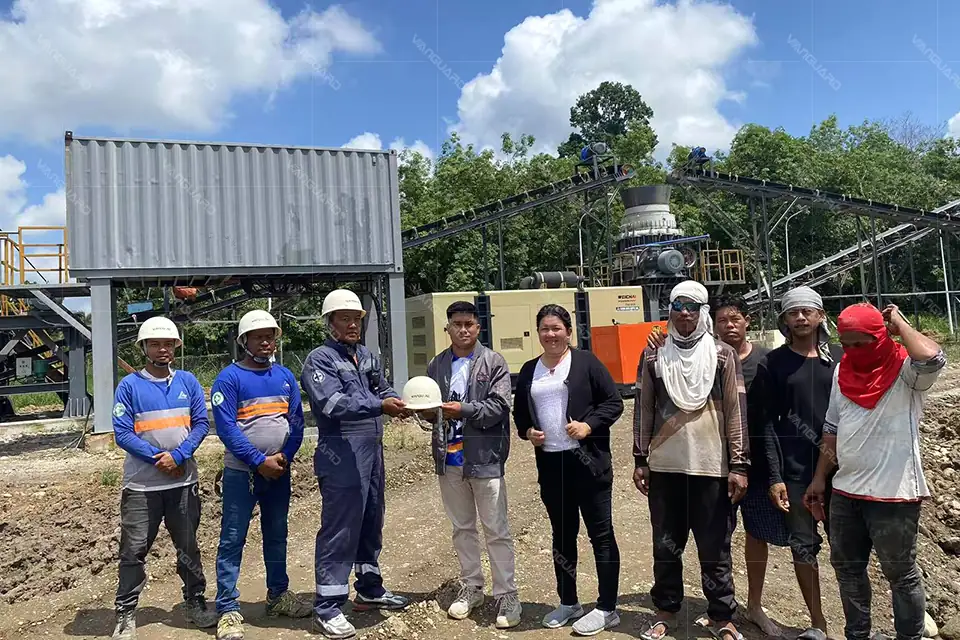
Project OverviewA fixed crushing plant in the Philippines processes river stone - rounded pebbles worn smooth by river transport. The owner needed one stationary line rated at 150 tons per hour, producing three aggregate sizes, 5-10 mm, 10-20 mm and 20-30 mm, for local infrastructure and ready-mix concrete. River pebble is hard, high in silica and abrasive with a rounded shape, so the line is built on the classic river-stone circuit: feed - pre-screen - jaw - cone - screen - closed-circuit retur...
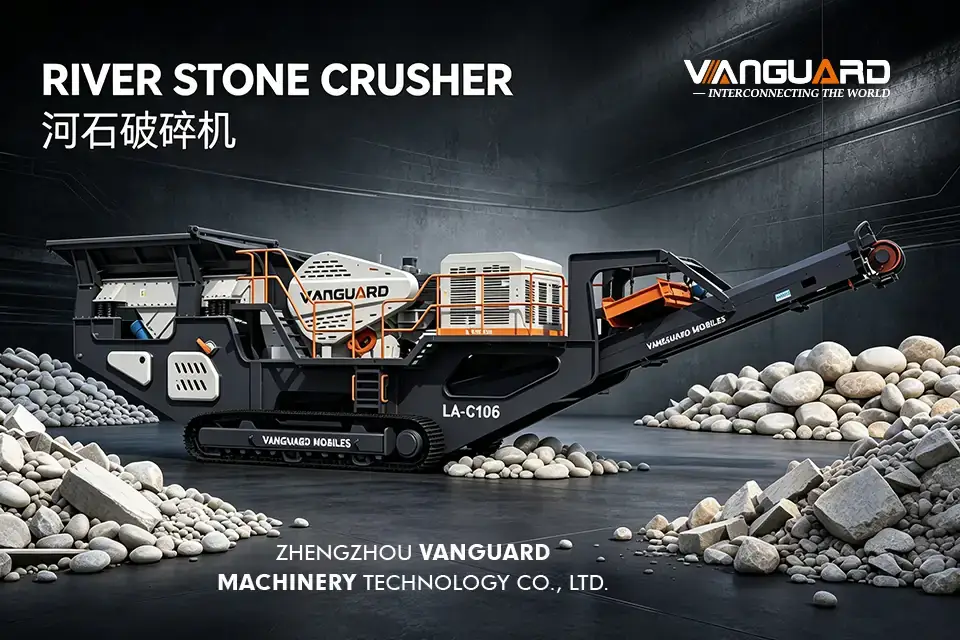
Quick AnswerRiver stone (river pebble) is hard, quartz-rich and abrasive, with a rounded shape that is tough on crusher wear parts. That rules out impact crushers as the workhorse — their blow bars burn through on high-silica rock. The mobile configuration that actually pays off is jaw plus cone, with a sand making machine added only when you also make sand. Pick the chassis by the site: tire-mounted for road-linked moves between jobs, crawler for rough riverbank or in-pit ground, stationary lin...
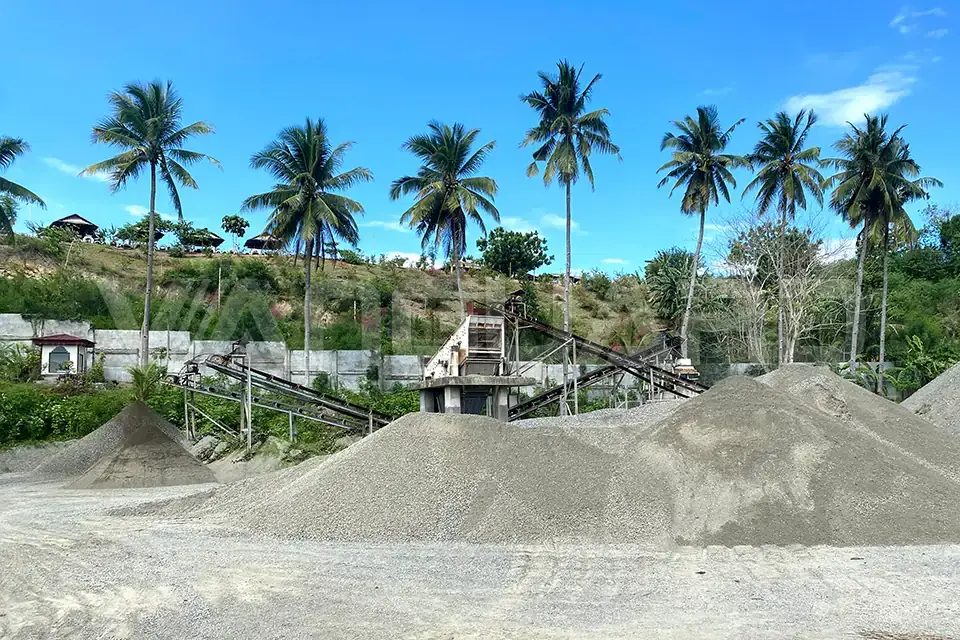
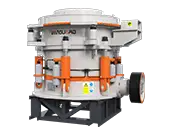
Quick AnswerMost Philippine quarries run on andesite, basalt, granite and limestone — medium-to-hard, abrasive volcanic and metamorphic rock. For that, a hydraulic cone crusher is the safe, low-wear workhorse for secondary and tertiary crushing. The best single pick for a general quarry is the single-cylinder hydraulic cone (CS·CH): simple to maintain, steady product shape, reliable continuous running. Step up to the multi-cylinder (CP) when you need high tonnage and the tightest gradation; choo...
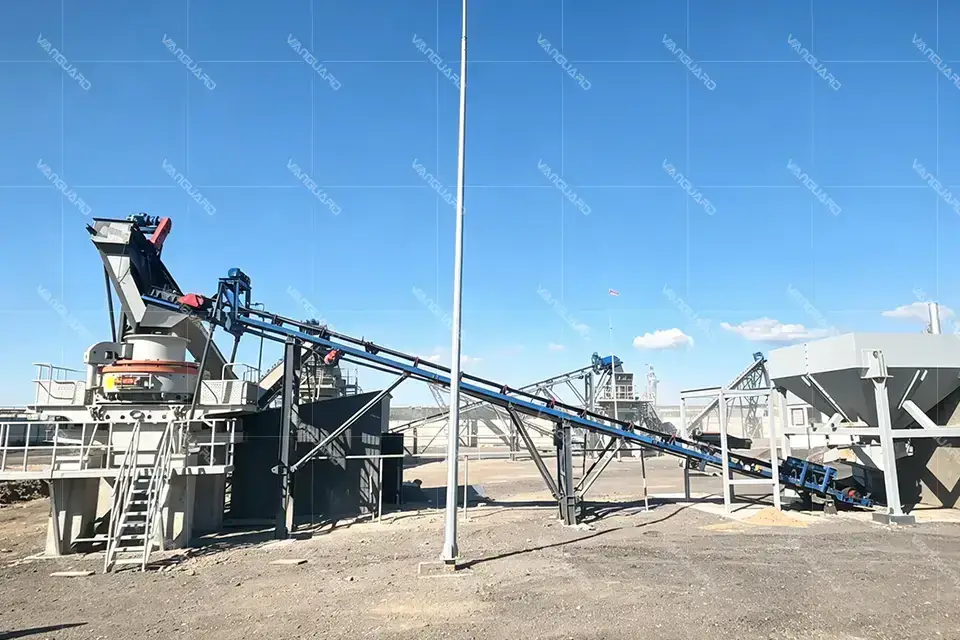
Quick AnswerGranite ranks 6-7 on the Mohs scale with compressive strength up to 300 MPa, making it an extremely hard rock. The optimal crushing solution is: jaw crusher for primary crushing, cone crusher for secondary and fine crushing, and 5X/VSI impact crusher for sand shaping. The typical process flow is: ZSW vibrating feeder → 6CX/PE series jaw crusher (primary) → CP/CS-CH series cone crusher (secondary/fine) → 5X/VSI series impact crusher (sand shaping) → vibrating screening → XSD sand wash...
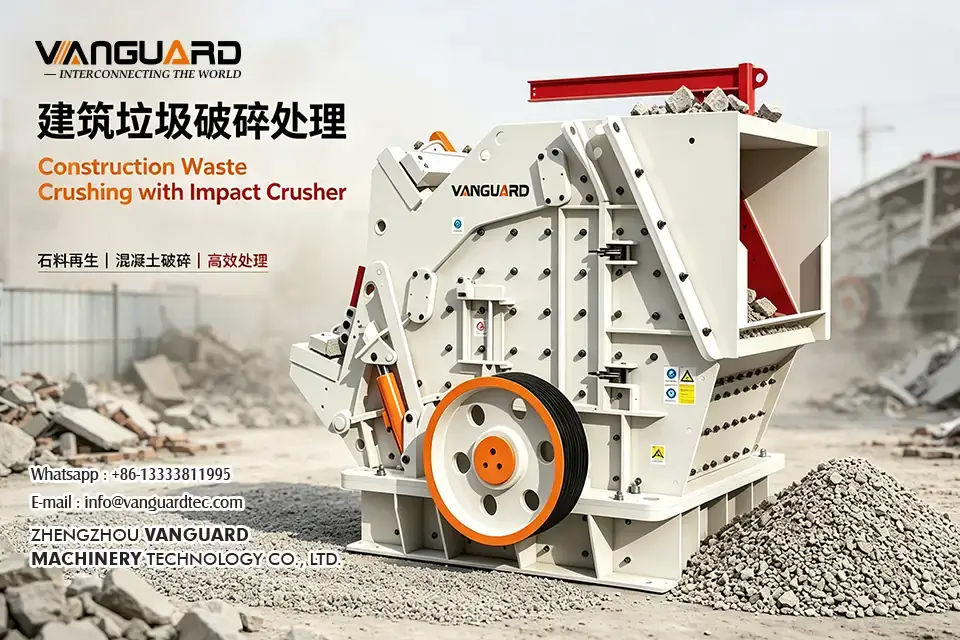
Quick AnswerConstruction waste isn't one "ore" — it's a mixed pile: concrete, brick, mortar, with rebar, wood and plastic mixed in. So you don't size the equipment by hardness; you size it by how much rebar and how much dirt is in the pile. The setup we reach for most often: a jaw up front (takes big lumps, doesn't care about rebar), an impact crusher for the mid and fine stage (concrete breaks into good cubical recycled aggregate), and a magnetic separator in between to pull the rebar out. If t...
Thank you for your interest in Vanguard Machinery. If you want to know more about our crushers and industrial grinding equipment.
Contact us now to find out what we can do for you!