Menu

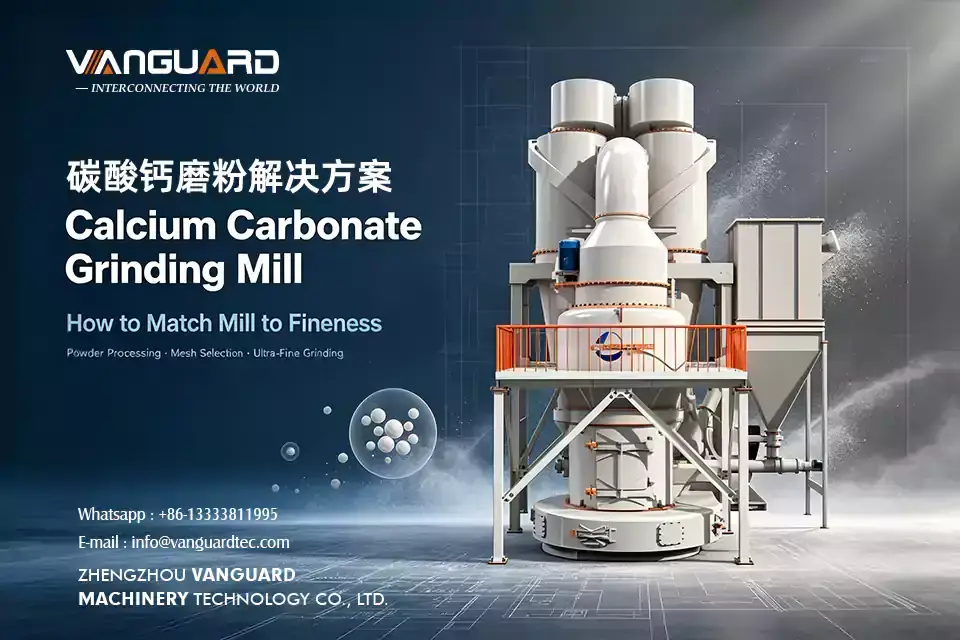
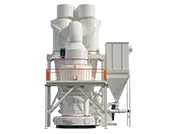
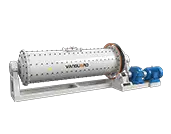
Quick AnswerCalcium carbonate is soft (Mohs ~3), so wear is not the issue — the real question is how fine you need it and how accurately you can classify it. Rule of thumb: 80–325 mesh filler, go YGM high-pressure suspension mill; 200–400 mesh at volume, go LM vertical roller mill; 325–2500 mesh superfine, go HGM three-ring micro powder mill; above 1250 mesh ultrafine, LUM ultrafine vertical mill saves more power. Pre-crush lumps below 20 mm with a jaw crusher (6CX/PE), dry-grind and let the cla...
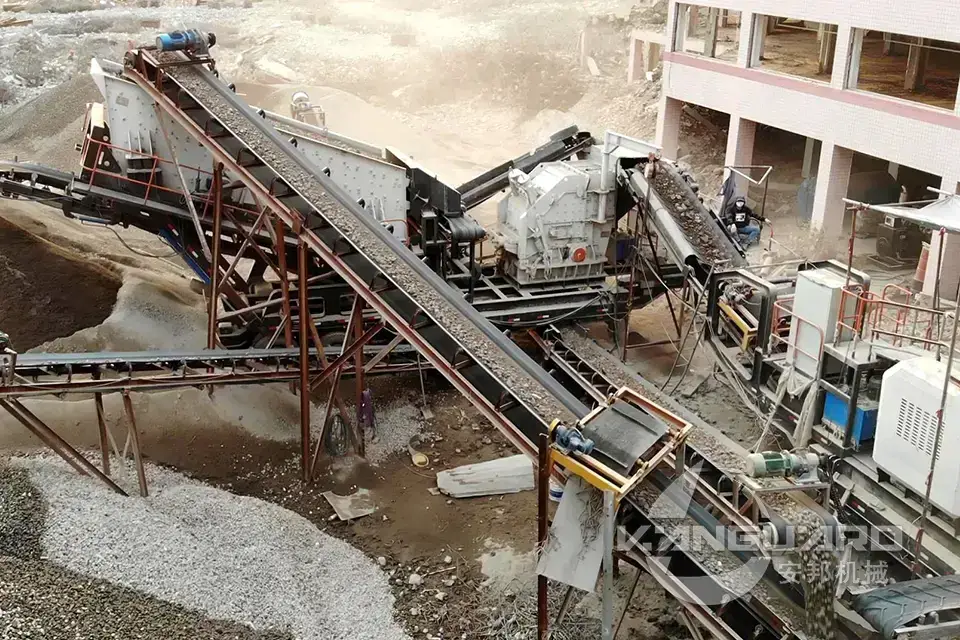
As urbanization accelerates and urban renewal projects multiply, construction waste generation continues to climb. In China alone, annual construction waste output reaches approximately 3.55 billion tonnes, accounting for over 40% of total municipal solid waste. Construction waste, however, differs fundamentally from natural ore: it is complex in composition, scattered in distribution, limited in volume per site, and highly variable in particle size and strength. These characteristics create sig...
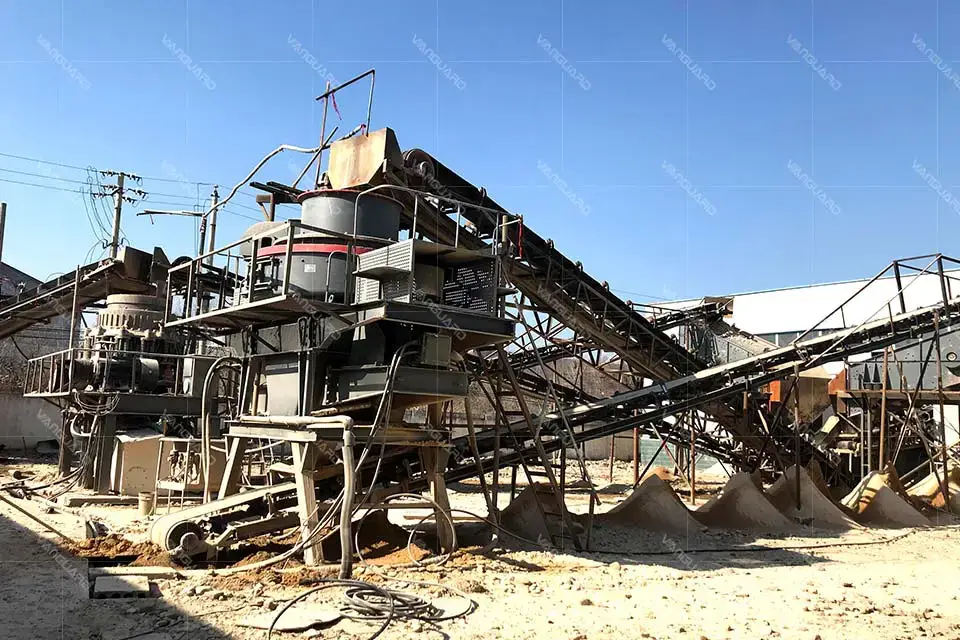
1. Why Basalt Demands Special Crusher Selection Basalt is a dense volcanic extrusive rock with a Mohs hardness of 5 to 7, compressive strength reaching 100 to 300 MPa, and SiO2 content typically between 45% and 52%. The combination of high hardness, high abrasiveness, and high toughness makes basalt one of the most challenging materials to crush in the aggregate industry. Choosing the wrong crusher leads to rapidly consumed wear parts, frequent downtime for component replacement, and operating c...
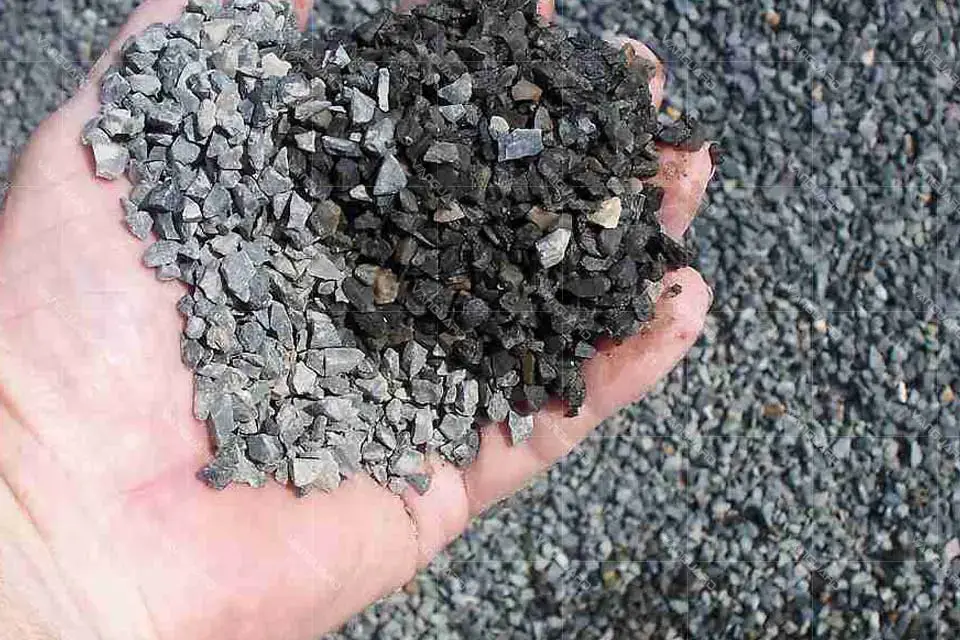
1. Why Aggregate Shape MattersAggregate shape is one of the most critical factors determining the performance of concrete and asphalt mixtures. Cubical particles pack tightly within the mix matrix, maximizing inter-particle contact area and friction, which directly translates to higher compressive strength and improved structural stability. Conversely, flaky or elongated particles (those with a length-to-thickness ratio exceeding 3:1) create a bridging structure within the mix, increasing void c...
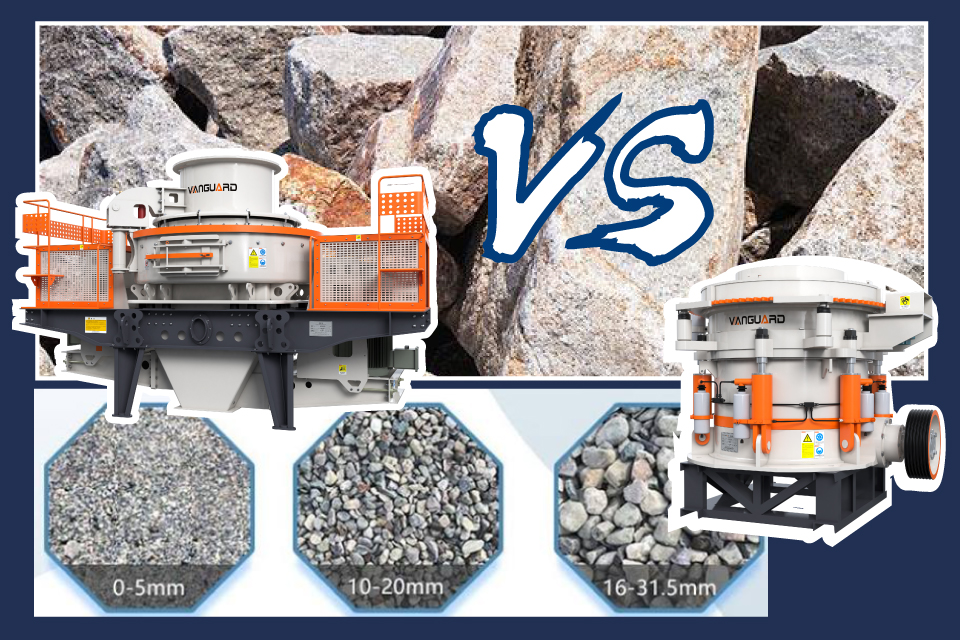
In a high-quality granite aggregate production line, the final particle shape, gradation, and fines content directly determine market competitiveness. So, for granite aggregate shaping, should you choose a 5X series impact sand maker or a cone crusher? Vanguard Machinery draws on operating data from hundreds of granite sand-making lines worldwide to provide a practical selection guide.1. Granite Crushing Characteristics Drive Equipment ChoiceGranite is a hard acidic igneous rock with a Mohs hard...
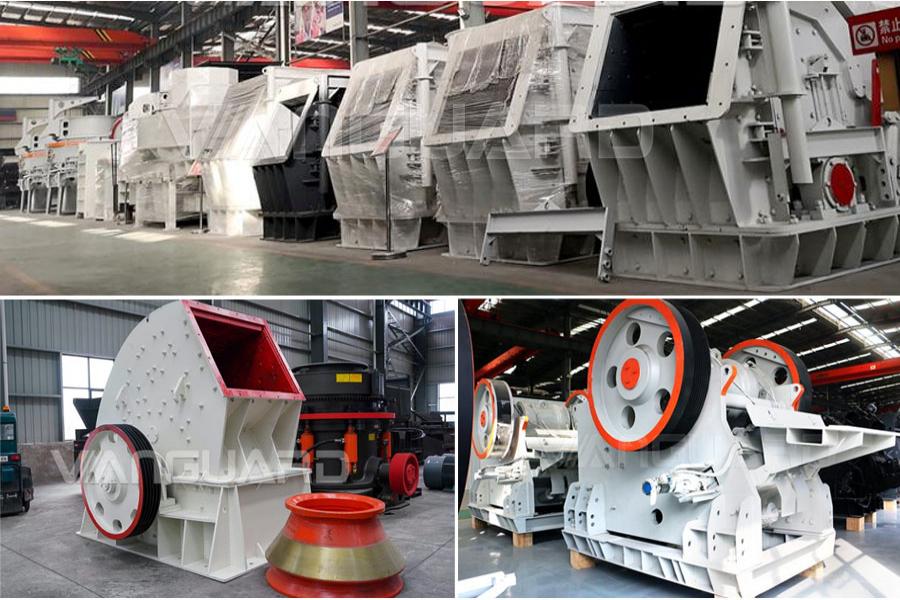
Limestone is a common raw material for machine-made sand and gravel. The hardness is generally 3 on Moh's hardness, which is medium hardness. It is widely used in construction, industry, metallurgy and other fields. The commonly used crushing equipment for limestone crushing production lines are hammer crusher, cone crusher, and impact crusher, etc. Usually in order to improve the output and quality of the limestone sand, the production line also needs to be equipped with conveying equipment, co...
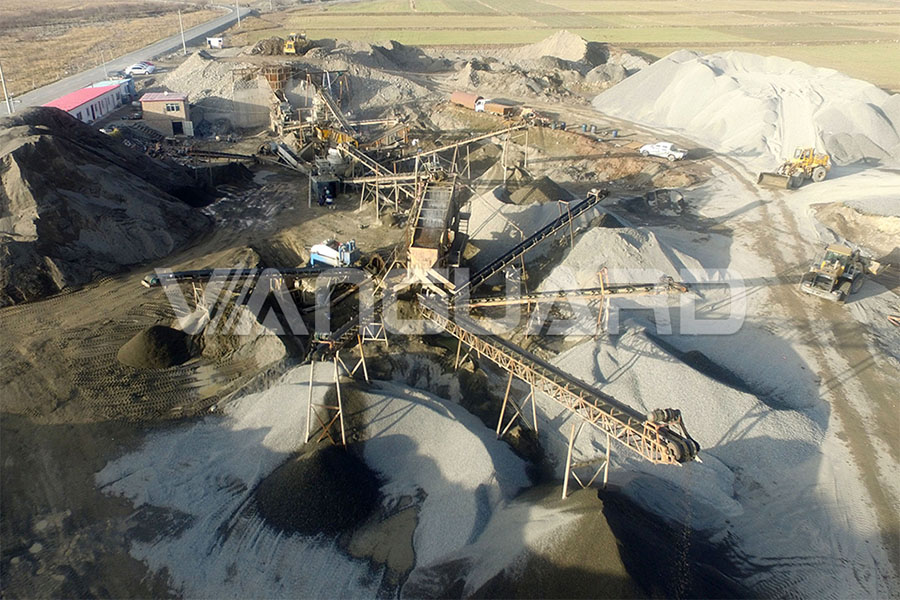
River stone is a common ore resource. After crushing, screening, sand making, sand washing and other links, it can produce machine-made sand aggregate of different fineness and particle size, which is widely used in roads, railways, buildings, etc. sand industry. So, how much sand can be made from one ton of river stone? What is the quality of the sand made? Here is a brief introduction for you. The amount of sand produced by river stone will directly affect the overall income of the sand making...
Thank you for your interest in Vanguard Machinery. If you want to know more about our crushers and industrial grinding equipment.
Contact us now to find out what we can do for you!