Menu

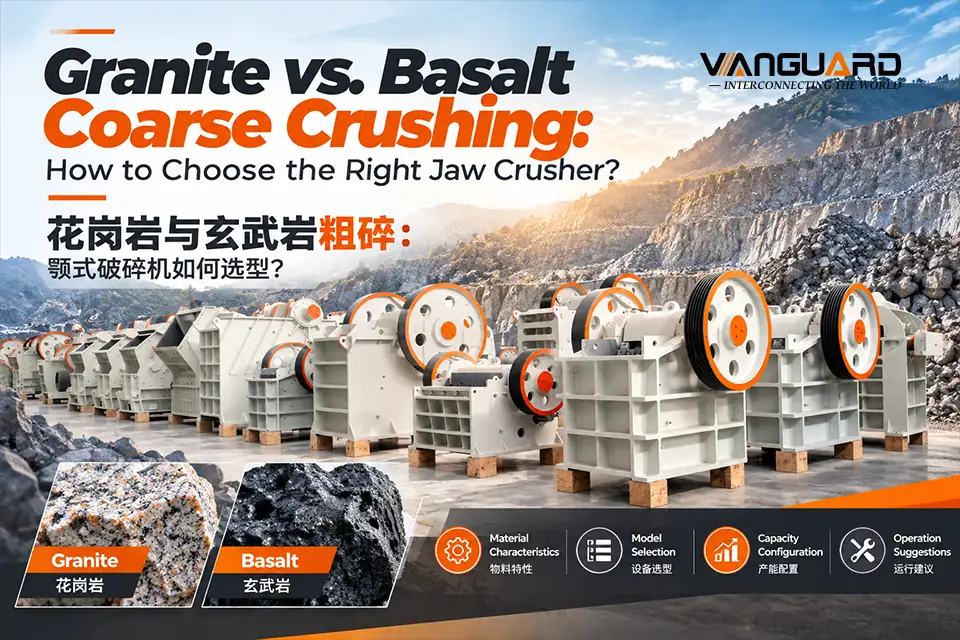
Key TakeawaysBoth granite and basalt are hard rock, and a jaw crusher is almost always the primary in the coarse-crush stage. But they are "difficult" in different ways: granite is high in silica and very abrasive — it eats liners; basalt is tough, often with a weathered, moist crust — it tests the secondary crusher and the flow. Do not start with a model number; first quantify three things: material, capacity, and equipment form. Below, a selection approach frames how to pick the primary jaw in...
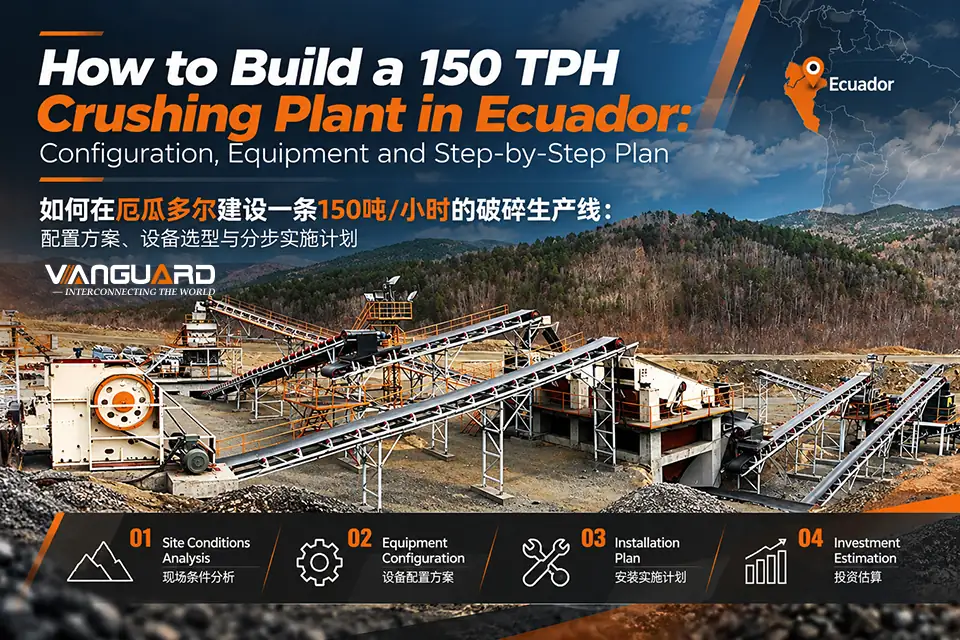
- To build a 150 TPH fixed crushing plant in Ecuador for gold ore and hard-rock aggregate, run gold ore and hard-rock aggregate with jaw primary plus cone crusher secondary and closed-circuit screening; add a VSI for cubical aggregate or manufactured sand.- There is no one-size-fits-all setup; read the feed hardness, the product grades and whether site and power are ready first, since these drive every model choice downstream.- Andean mountains meet tropics; mines sit in hills with limited roads...
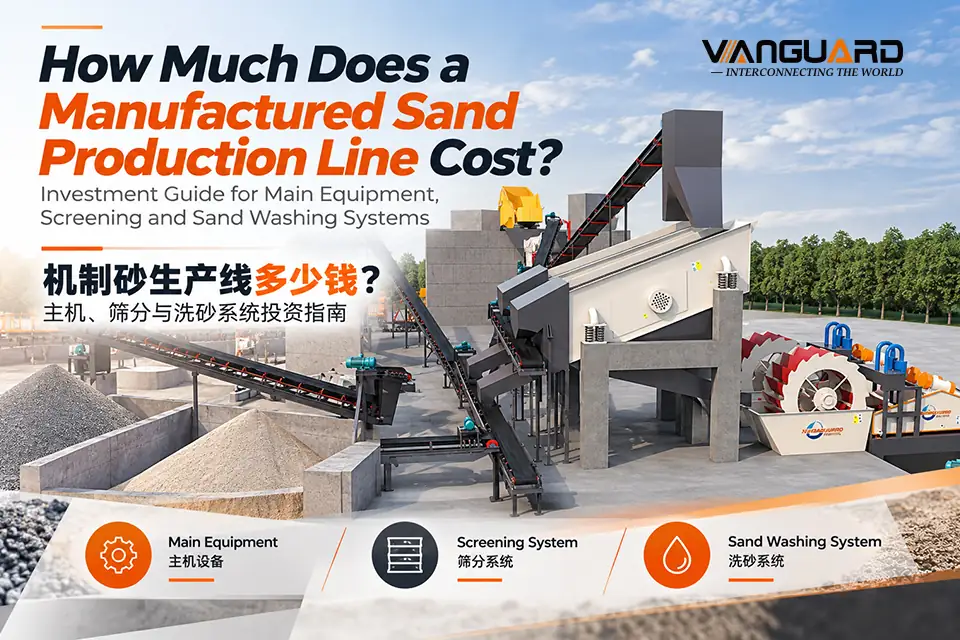
Key Takeaways- A manufactured-sand line is not one machine but a chain of systems: feed, crushing, sand making, screening, washing and conveying each own a stage, so the budget has to be counted by system, not by the sand maker alone.- The total investment splits into three blocks: host equipment takes 50 to 60 percent, screening and washing 10 to 25 percent, civil works and installation 10 to 25 percent — split them and you see where the money goes.- Capacity sets the tier: 30 to 50 t/h is one ...
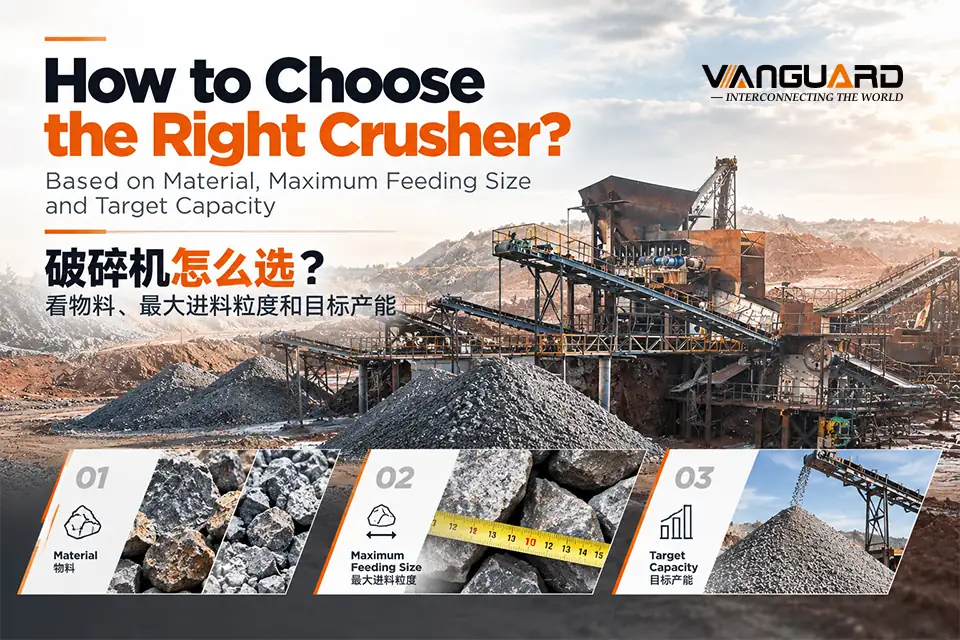
Key Takeaways- Choosing a crusher does not take fifty parameters — three hard ones decide it: the material picks the machine type, the maximum feed size picks the primary crusher, and the target capacity picks the number of stages.- Material comes first: rock at and above Mohs 7 with high abrasiveness (granite, river stone, basalt) goes jaw-plus-cone; medium-soft stone like limestone favors the impact crusher; sticky wet feed needs the dirt-control decision before any machine choice.- The larges...
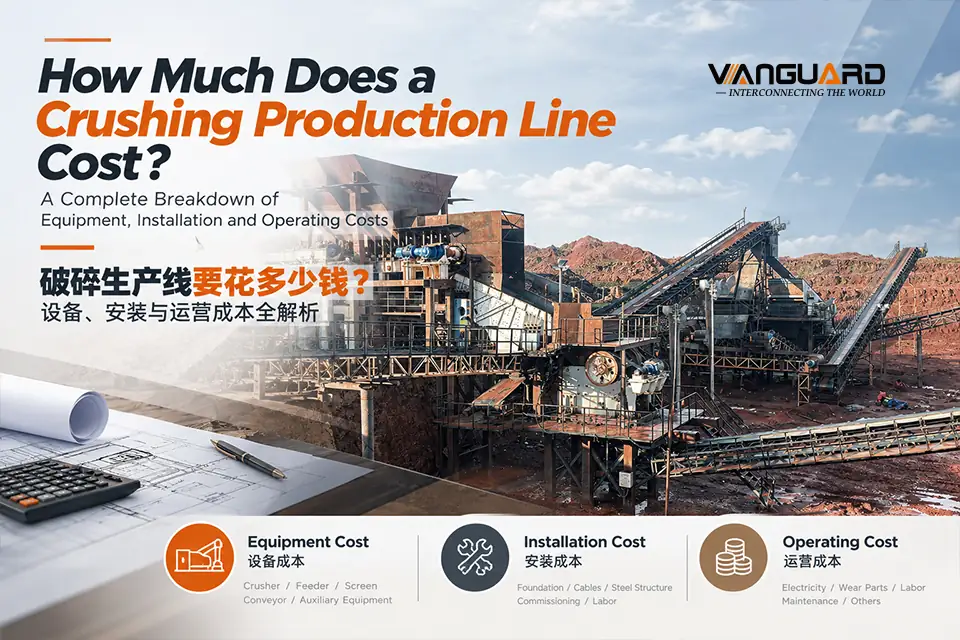
Key Takeaways- A crushing plant spends money in three blocks: equipment is the big ticket (60–70% of total investment), installation and civil works take 10–20%, and the first spares and wear parts fill the rest.- Equipment price follows capacity, machine type and configuration: for the same tonnage a jaw-crusher line is the cheapest, a cone line costs a step more but wins on cost per ton in hard rock, and a mobile unit costs more per unit while saving the civil works.- Installation and civil wo...
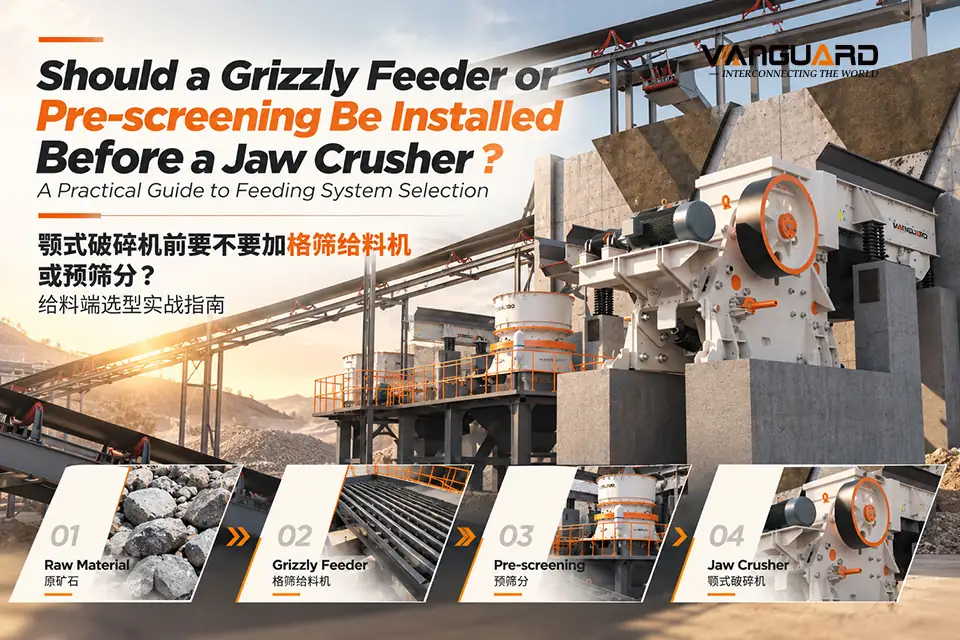
Key Takeaways- A jaw crusher is not afraid of rock — it is afraid of dirt. Clay, topsoil and fines pack the crushing chamber, kill throughput, eat liner life, and cause bridging stoppages.- A vibrating grizzly feeder is the cheapest fix: it feeds evenly and lets undersize and clay drop through the bar gaps before the rock ever reaches the chamber.- A pre-screen (a dedicated vibrating screen ahead of the jaw crusher) scalps cleaner, produces a sellable fines fraction, and suits high-clay, wet or ...
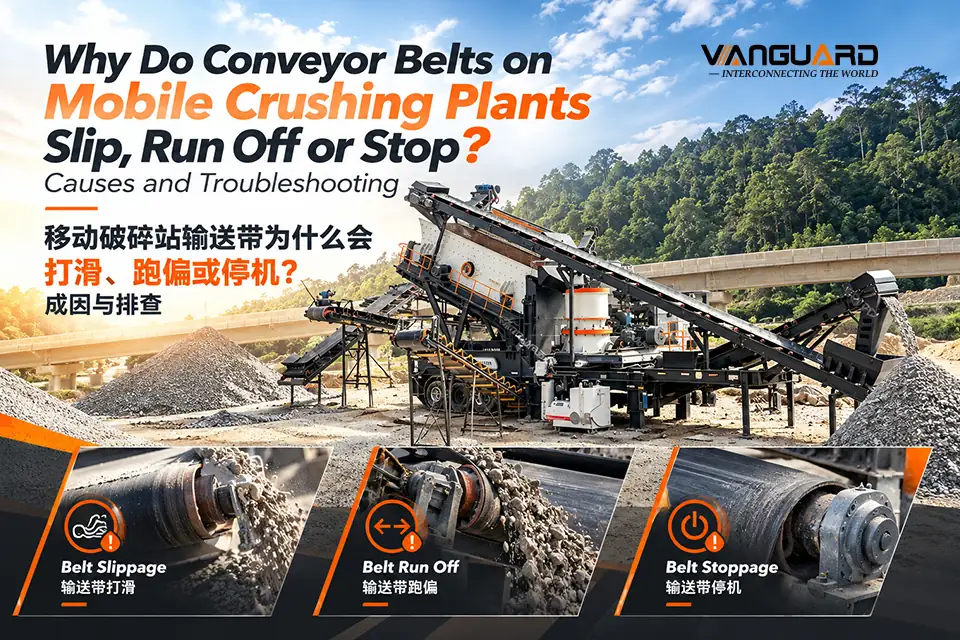
Key Takeaways- On a mobile crusher the conveyor belt is not just a strap of rubber. It ties the crusher, screen and stockpile into one continuous line, and if one belt fails the whole line stops.- Slip, mistracking and stoppage are the three classic belt faults, and almost all of them trace back to four things: tension, alignment, drive and load.- Slip is usually low tension or poor drive-pulley friction, so the belt turns but carries nothing. Mistracking is usually a seized idler or off-center ...
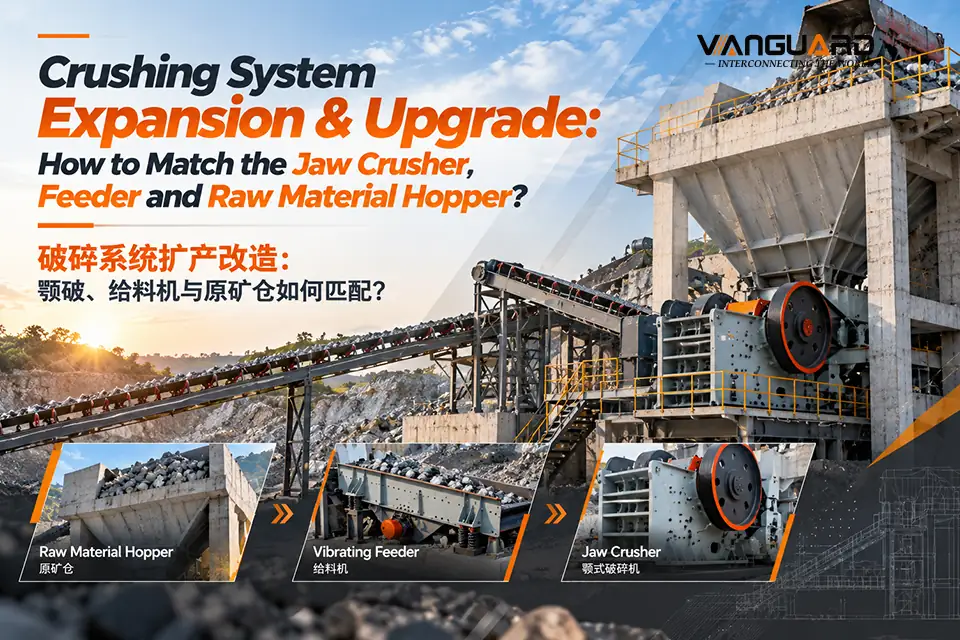
Key Takeaways- In a capacity-expansion retrofit, don't start by fitting the biggest jaw; first pin down the target throughput, then work back to what the ore bin, feeder and jaw each must pass.- The three must run in lockstep: bin drawdown rate = feeder rate = jaw intake rate. Whichever is slowest is the bottleneck.- For the bin, it's "live capacity" that matters, not total volume; what can't discharge is effectively zero.- Feeder width should be 1.2-1.5x the maximum lump; leave 10%-30% margin f...
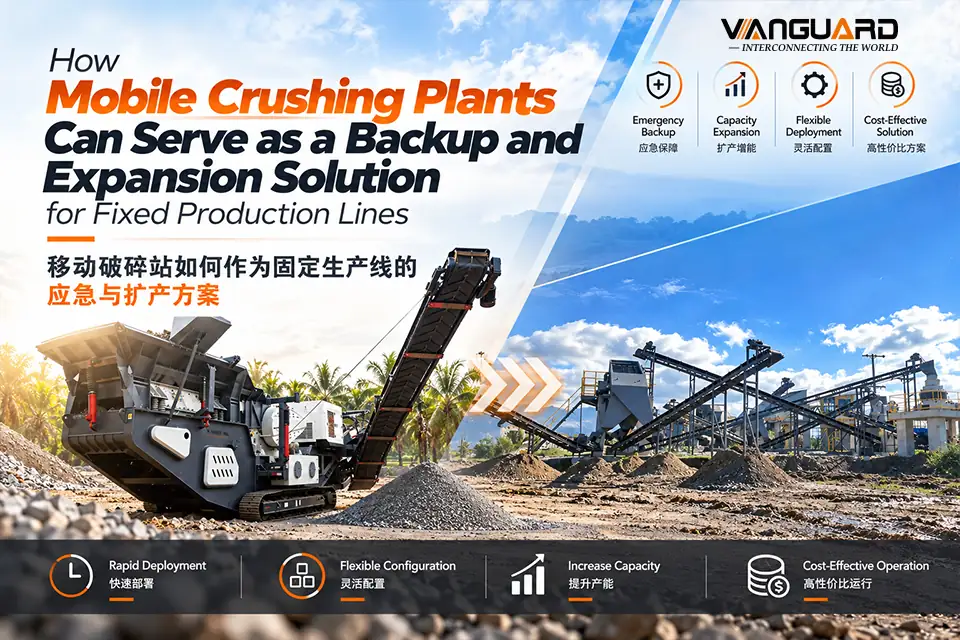
Key Takeaways- A fixed line rarely runs at full capacity all year: a sudden breakdown, planned maintenance, or orders above design capacity all stop or throttle the whole line.- A mobile crushing plant driven to site can take over within hours after a power or feed connection—no civil works, no long-lead procurement—making it the cheapest "insurance" for a fixed line.- It plays two roles: as emergency backup that caps losses during downtime, and as a capacity module that runs in parallel to add ...
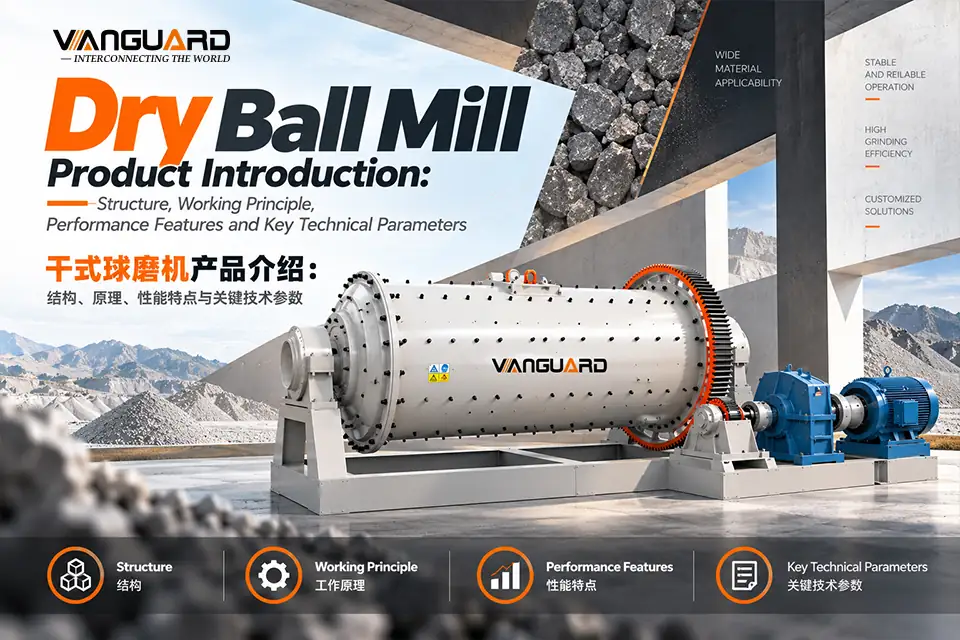
Executive SummaryA dry ball mill is a grinding machine that turns material into dry powder with almost no water: the rotating shell lifts and drops steel balls to grind, qualified fine powder is carried out of the mill by air flow, then collected as dry powder after air-classification and dust collection. It fits water-short sites, duties that need dry powder for dry pre-concentration or heap-leach feed, and is widely used for non-metallic ores, cement raw meal and chemical raw materials. Below ...
Thank you for your interest in Vanguard Machinery. If you want to know more about our crushers and industrial grinding equipment.
Contact us now to find out what we can do for you!