

Quick Answer
Most Philippine quarries run on andesite, basalt, granite and limestone — medium-to-hard, abrasive volcanic and metamorphic rock. For that, a hydraulic cone crusher is the safe, low-wear workhorse for secondary and tertiary crushing. The best single pick for a general quarry is the single-cylinder hydraulic cone (CS·CH): simple to maintain, steady product shape, reliable continuous running. Step up to the multi-cylinder (CP) when you need high tonnage and the tightest gradation; choose the Symons-type (CSV) when the crew already knows it and you are in the fine or sand stage. Remember: a cone still needs a jaw up front for primary and a vibrating screen with a return circuit behind it — skip the screen and you lose top-size and gradation control.
Key Takeaways
- ✔ Philippine quarry rock is medium-hard to hard and abrasive → cone, not impact, for the mid stages- ✔ Single-cylinder (CS·CH) is the all-rounder; multi-cylinder (CP) for tonnage; Symons (CSV) for the fine stage- ✔ Chamber and CSS are set by rock hardness and target size — not "the bigger the better"- ✔ A return-circuit screen is non-negotiable for gradation- ✔ Fixed quarries save the most per ton on a stationary line; scattered or relocating sites use a mobile cone station (tire VPC / crawler LA)
What Philippine quarry rock actually looks like
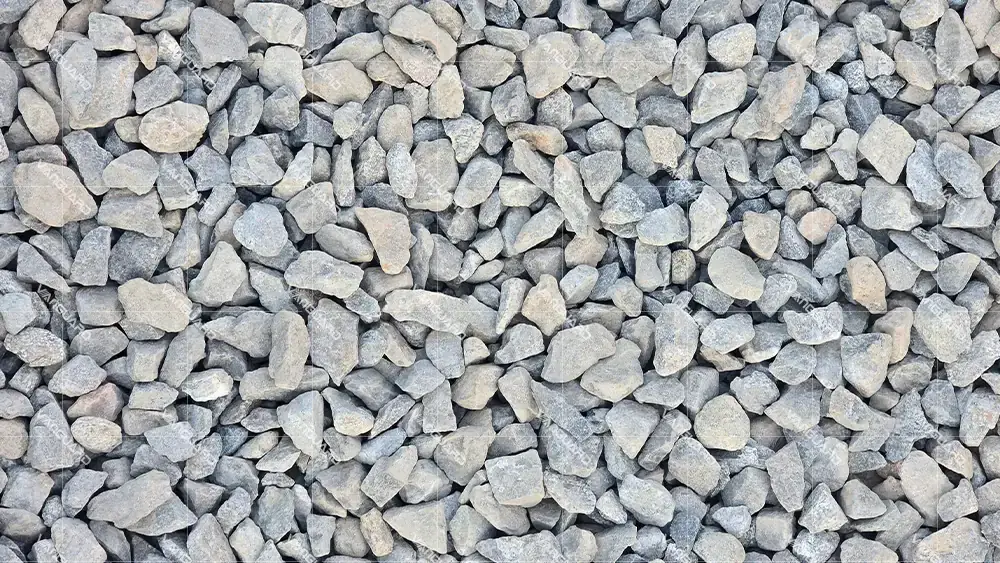
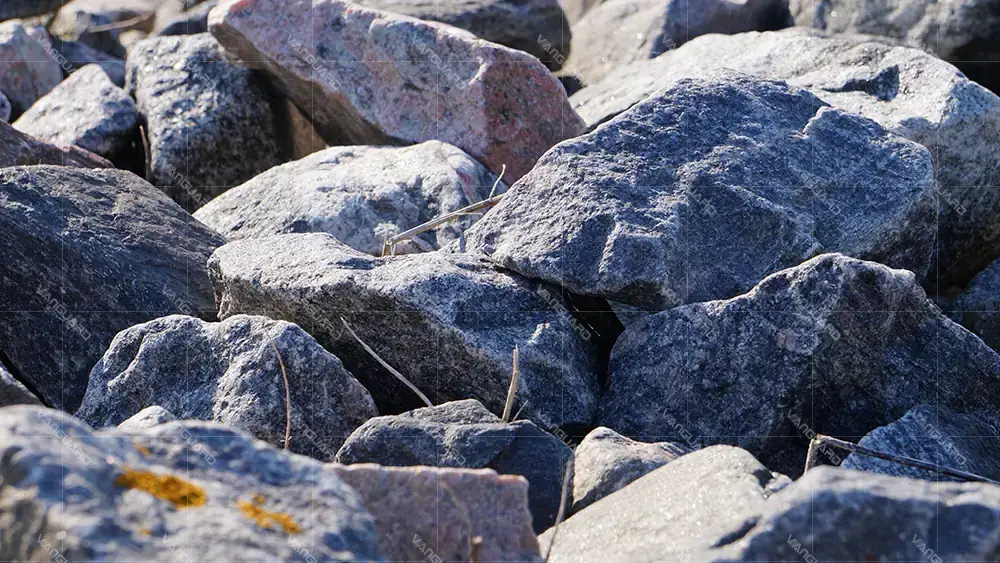
The Philippines is volcanic, so andesite and basalt are everywhere. Mohs 6-8, high in silica, highly abrasive. Feed that to an impact crusher and the blow bars are gone in days; feed it to a cone and the slow compressive crush shrugs it off — liner life is far longer.
Cement-driven limestone quarries are huge. Pure limestone is soft, but a lot of Philippine limestone carries siliceous bands, and high silica is still abrasive. Run a petrographic check before fixing the host — do not assume.
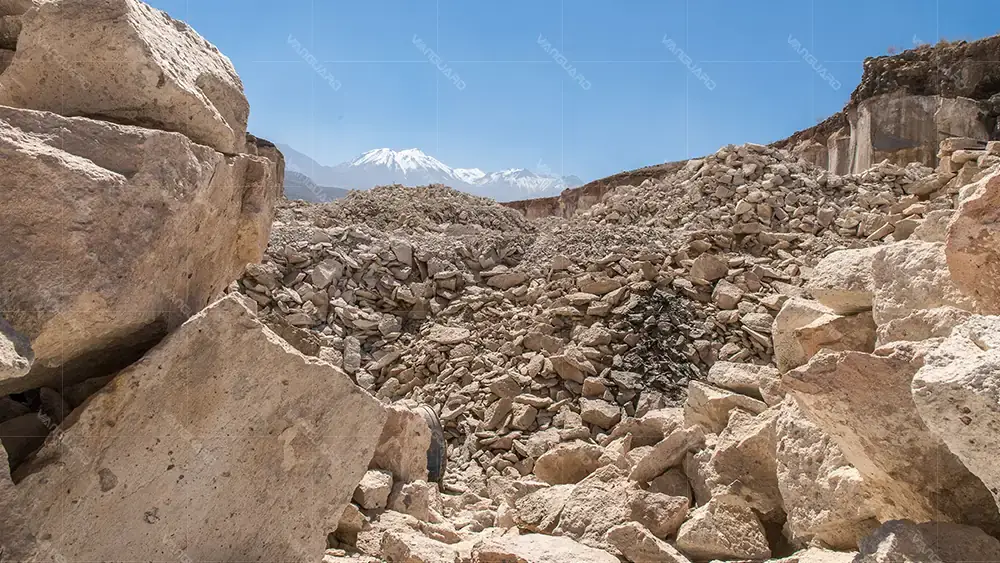
Some areas run granite quarries for premium aggregate. Granite is hard and brittle, and it flakes into needles easily — which is exactly why you want a cone's inter-particle (layer) crushing to pull the shape back.
More than half the year is rainy season, hot and salty. Motors, belts and the lube system need corrosion and water protection; site drainage and covered stockpiles must be planned up front, or your product runs wet, sticks and blinds the screens.
Types of cone crusher
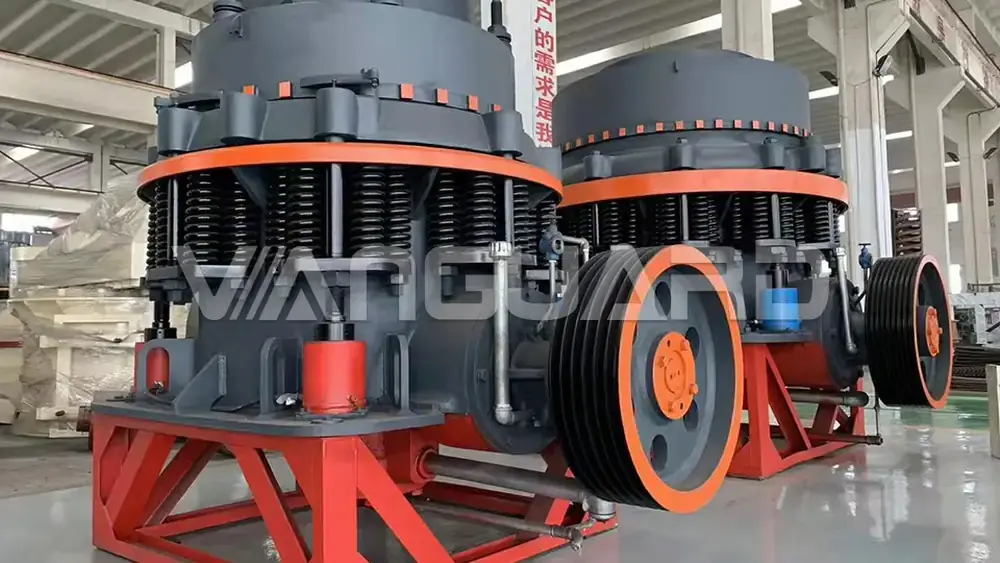
Old design — rugged but the CSS is set with shims and you must stop the plant to adjust. Poor automation. New quarries rarely pick it first unless the budget is rock-bottom and the model is proven.
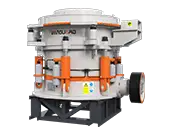
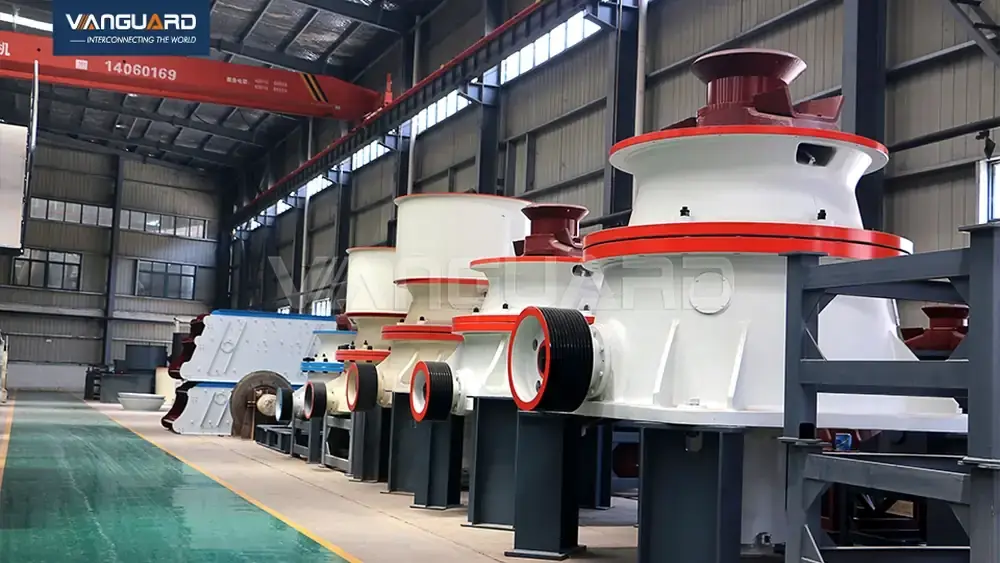
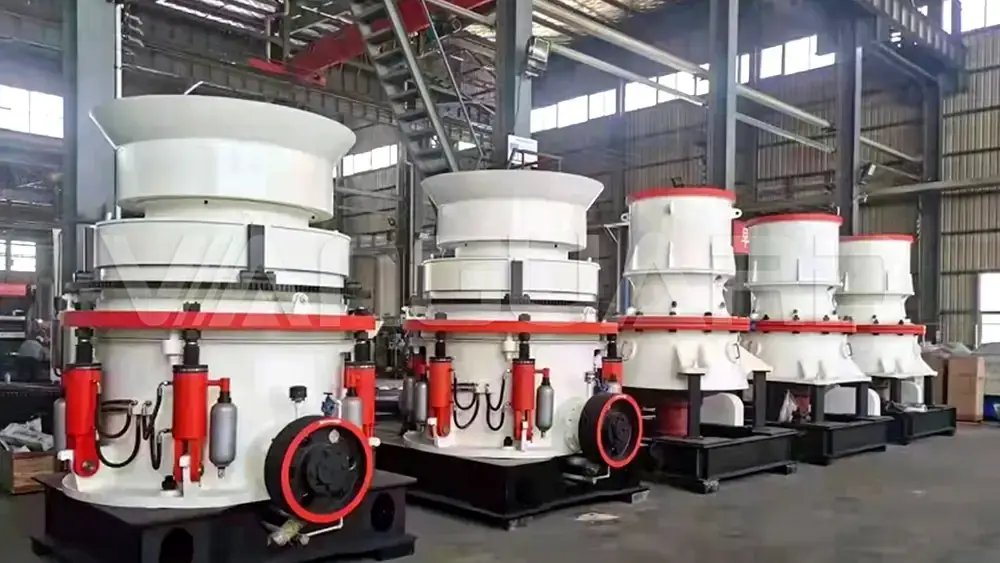
One hydraulic cylinder sets CSS and gives tramp-iron protection; one-button adjust, automation-friendly. Compact, easy to service, handles medium-hard to hard rock. The steadiest choice for a general quarry.
Multiple cylinders lock the frame — high rigidity, high crushing force. Built for high-tonnage, tightest-gradation hard-rock quarries. Same chamber, more capacity and consistency than the single-cylinder, at a slightly higher price and complexity.
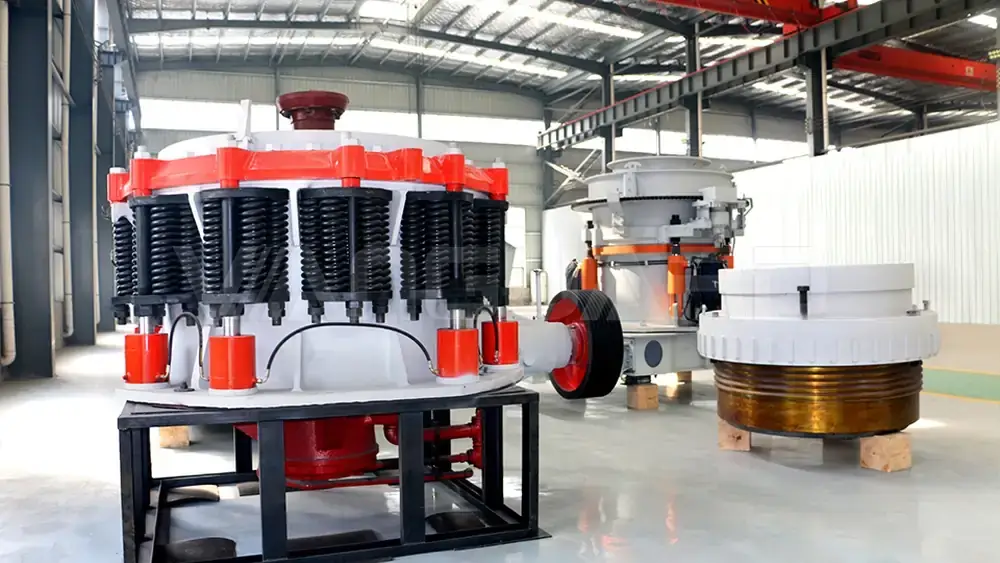
The classic Symons chamber — widely used, mature spare-parts ecosystem, plenty of experienced crews. Strong in the fine-crushing and pre-sand stage: takes mid-crushed feed and presses it to fine sizes with a round shape.
| Model | Build | Rock | Capacity & shape | Service | Price |
| Single-cylinder (CS·CH) | One cylinder sets CSS | Medium-hard to hard | Mid-high, steady shape | One-button, easy | Mid |
| Multi-cylinder (CP) | Multi-cylinder locks frame | Hard, high tonnage | Highest, tightest gradation | More complex | Higher |
| Symons (CSV) | Classic Symons chamber | Already mid-crushed (fine stage) | Good fine shape | Mature parts | Mid |
Which cone for which quarry
| Quarry type | Rock | Recommended cone | Why |
| General aggregate | Andesite/basalt, medium-hard to hard | Single-cylinder (CS·CH) | Easy service, steady shape, reliable running |
| High-tonnage hard rock | Granite/basalt, hard, high output | Multi-cylinder (CP) | High force, tightest gradation, top capacity |
| Fine / sand stage | Already mid-crushed hard rock | Symons (CSV) | Mature chamber, good fine shape, easy parts |
| Limestone (low silica) | Limestone | Single-cylinder (CS·CH) or impact | Soft low-silica lime: cone or impact both work, pick by shape |
Where the cone sits in the quarry flow
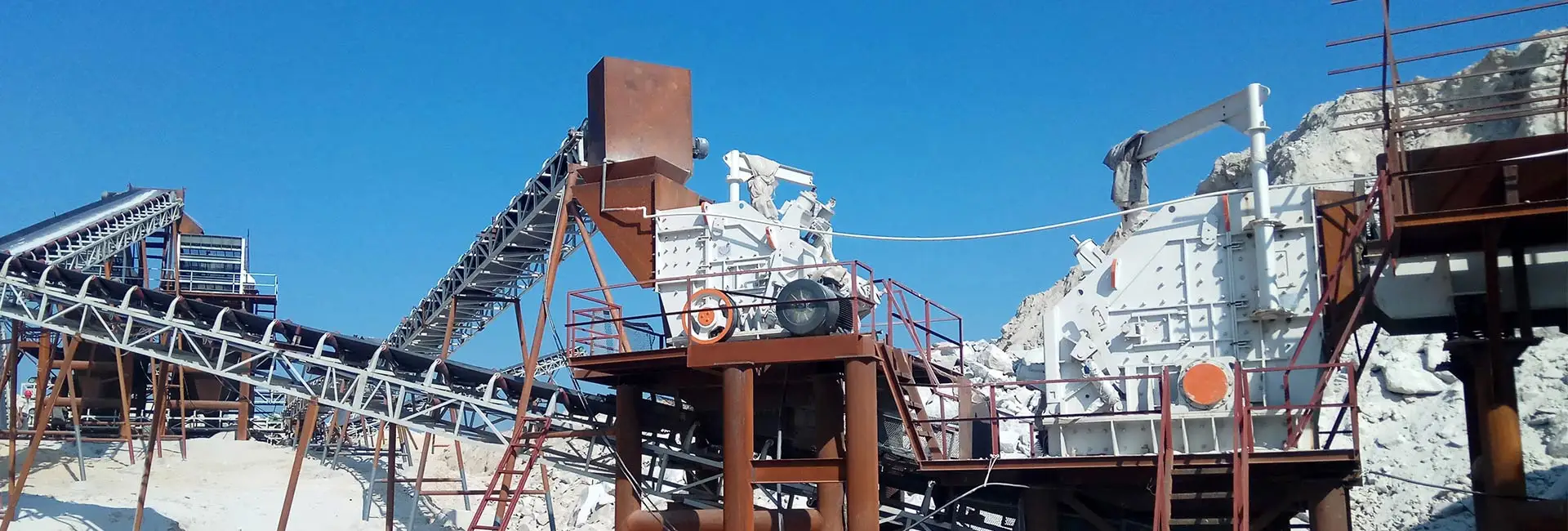
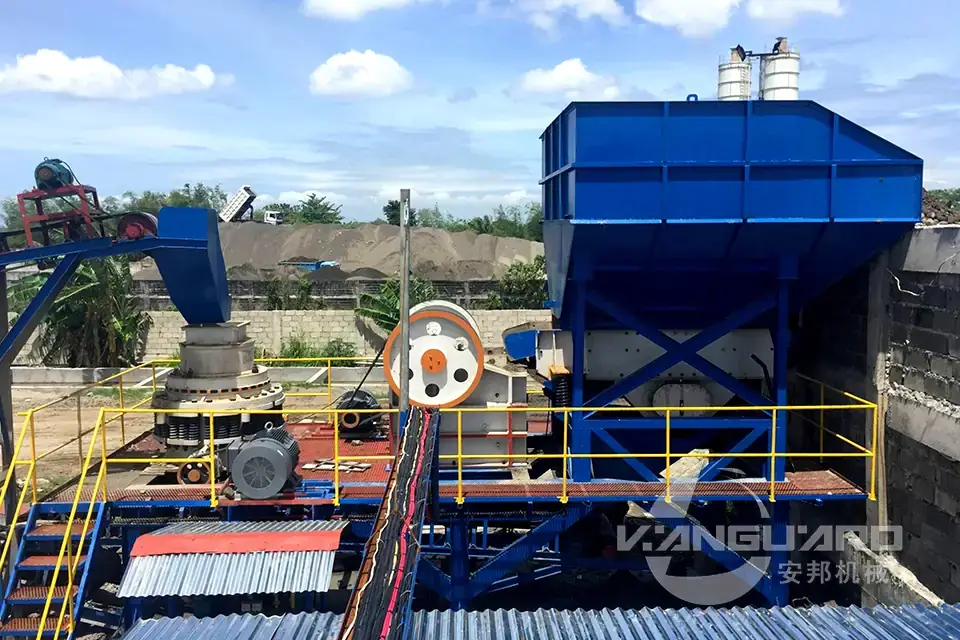
Feed → feeder with grizzly (drops the mud) → jaw primary (e.g. 6CX series) → cone secondary/tertiary (cascade two if needed) → vibrating screen splits 0-5 / 5-10 / 10-20 / 20-40 mm → oversize returns to cone → product to stock. Add a 5X series sand making machine after the screen if sand is in the spec.
Feed → pre-screen → jaw → cone (can be two stages) → screen → (sand maker if sand) → product, oversize back to cone.
Selection tips
Sample and analyse first. Hard and high-silica → hydraulic cone (CS·CH/CP). Do not force an impact crusher onto high-silica rock; the blow-bar bill gets ugly.
Aggregate gradation and flakiness limits are in the spec. The cone's CSS and chamber decide both. More fines and a cubic spec → fine-crushing chamber, do not open the CSS too wide.
Size to what you actually feed per shift, not the nameplate max. Multi-cylinder (CP) for big tonnage; single-cylinder (CS·CH) covers small-to-mid and mid-large steadily. Feed steadily — a starved cone makes powder.
New quarries should favour one-button CSS adjust and tramp protection (single-cylinder CS·CH). Every stop to reset the CSS costs half a day of output.
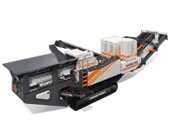
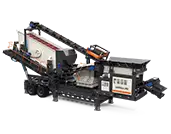
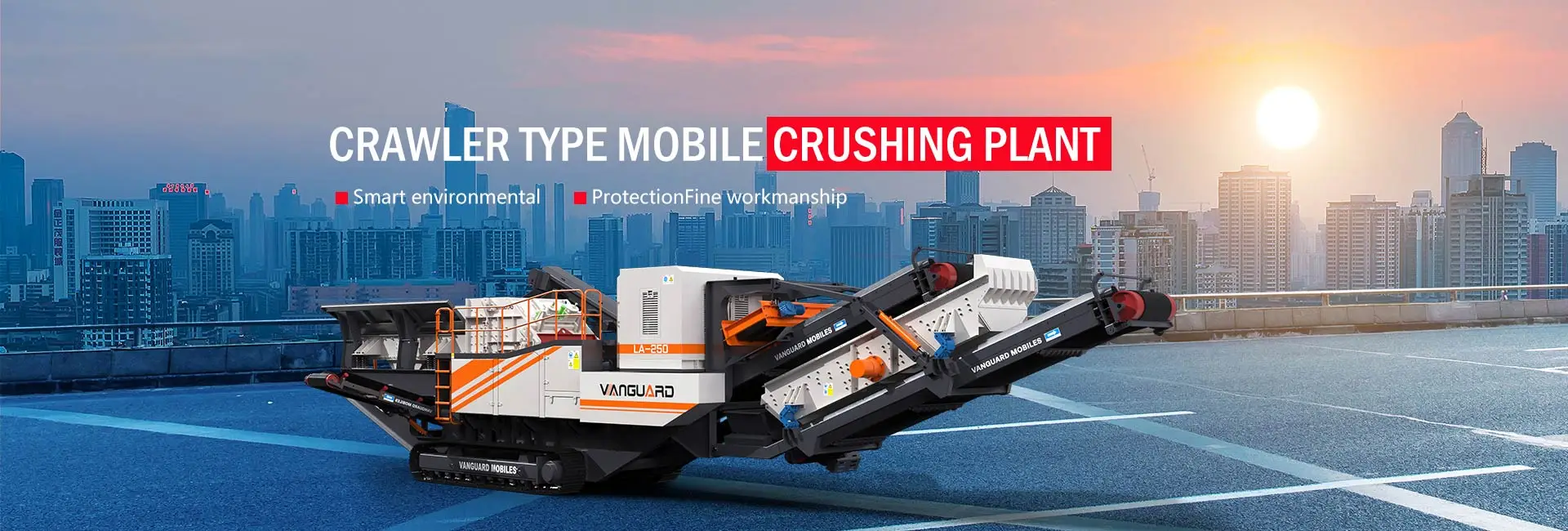
Fixed quarries save most on grid power; remote or unstable grid → diesel-gen + electric dual power. Scattered or relocating feed → a mobile cone station (tire VPC / crawler LA) that a low-bed drags away.
Common mistakes
Mistake 1: impact crusher on high-silica hard rock — blow bars become a monthly line item. Mistake 2: chasing nameplate capacity, ignoring the real feed curve, so it never fills. Mistake 3: dropping the screen return, so top-size drifts and the whole load is rejected. Mistake 4: opening CSS just to push tonnage, flakiness goes out of spec. Mistake 5: sitting a mobile station on ground it was never built for.
Lessons from the field
In volcanic-rock areas like the Philippines I have seen quarries force an impact crusher onto andesite. High silica drops blow-bar life to days; the wear cost per ton is several times what you would spend on limestone. Swapping the mid stage to a single-cylinder hydraulic cone (CS·CH) and demoting the impact to shaping only finally balanced the books.
To be straight: a cone is not a magic bullet. On soft limestone, an impact crusher's shape and power draw are actually the better deal. Know the rock, know the tonnage, know the site — those beat knowing any one model.
Selection checklist
1. Is the rock hard and high in silica? Hard + high silica → hydraulic cone (CS·CH/CP). 2. How tight are the size and flakiness specs? Tight → fine chamber + return circuit. 3. How many tons per shift, really? Big tonnage → multi-cylinder (CP). 4. Does the crew know Symons? Yes, and fine stage → CSV. 5. Fixed or relocating? Fixed → stationary line; relocating → mobile cone station (VPC/LA).
FAQ
The rock is mostly andesite, basalt and granite — hard and abrasive. A cone's slow compressive crush keeps wear and flakiness down and runs reliably.
General aggregate, want easy service → single-cylinder (CS·CH). High-tonnage hard rock, tightest gradation → multi-cylinder (CP).
Yes. It is common in the fine and pre-sand stage — mature chamber, easy parts, experienced crews. Not obsolete, just a different job.
Low-silica limestone is soft; an impact crusher gives good shape at lower power, perfectly fine. Switch to a cone only when silica climbs.
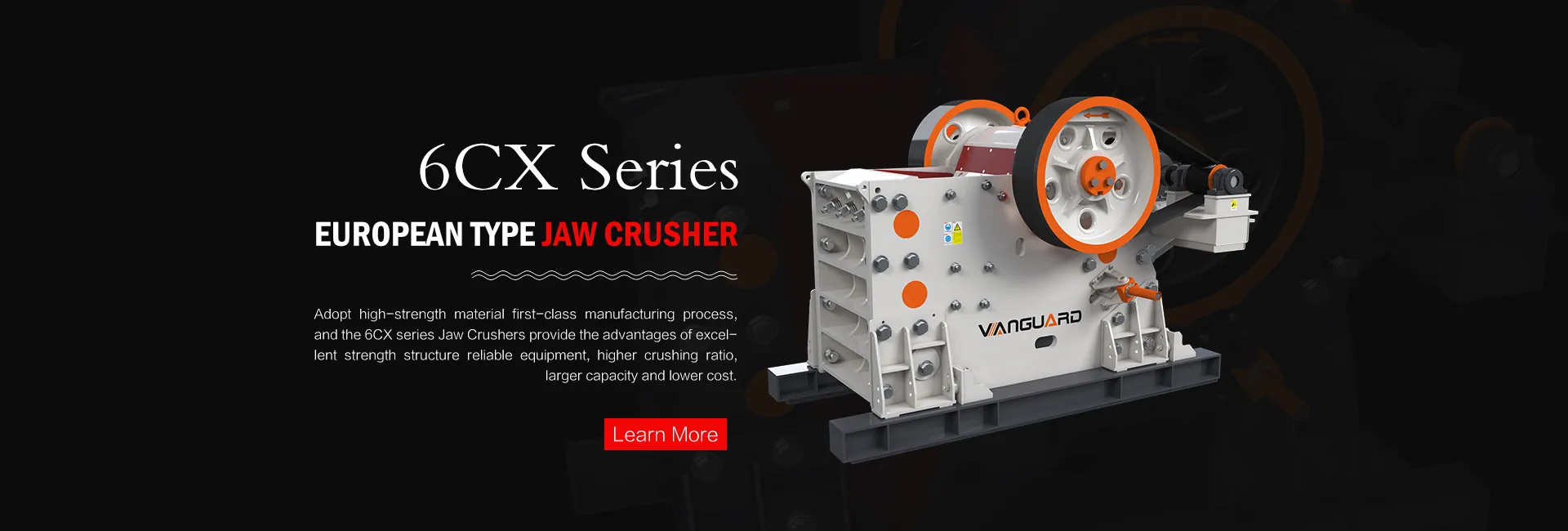
Yes. A cone has a top feed size; big boulders go through a jaw (e.g. 6CX series) first to protect the cone chamber.
By rock hardness and target size. Hard rock, open it a bit for tonnage; soft rock, close it for shape. No universal number — trial on the sample.
Yes. A vibrating screen with a return circuit is what holds top-size and gradation. Skip it and you ship off-spec material.
Corrosion- and water-proof the motors, lube and belts; plan site drainage and covered stockpiles up front; clear wet material from the chamber when you stop so it does not cake.
Scattered or relocating feed → yes; a tire VPC / crawler LA drags away on a low-bed. A big fixed quarry saves more per ton on a stationary line.
Depends on model and feed; most quarry cone lines run 100-500 t/h. Size to real feed, not the nameplate max.
Fixed sites save most on grid power; remote or unstable grid → diesel-gen + electric dual power. Practical note: if the grid is there, spec dual power — the price gap usually pays back in the first year.
Fix rock type, silica, tonnage and target size, then analyse a sample. Practical note: post a sample bag for a free analysis — it beats several "single vs multi-cylinder" meetings.
Single-cylinder hydraulic (CS·CH), multi-cylinder hydraulic (CP) and Symons (CSV) — covering mid to fine crushing; paired with jaw (e.g. 6CX series), feeder and vibrating screen for fixed or mobile quarry lines. Tell us your rock and tonnage; we match the chamber and capacity.
Conclusion
Philippine quarries are mostly medium-hard to hard, abrasive volcanic rock and granite, so a hydraulic cone is the steadiest choice for mid and fine crushing. The single-cylinder (CS·CH) is the general pick — easy to service, steady shape; step up to the multi-cylinder (CP) for tonnage; the Symons (CSV) suits the fine stage and crews that know it. Three things to keep: a jaw up front for primary, a vibrating screen with return circuit behind, and a CSS set by rock and spec rather than "as wide as possible". A big fixed quarry saves most on a stationary line; scattered or relocating feed calls for a mobile cone station (tire VPC / crawler LA). Tell Vanguard Machinery your rock and tonnage and we will match the cone and the whole line — post a sample for a free analysis and confirm the chamber before you order.
Related Articles
• 200 t/h Limestone Crushing-and-Sand-Making Plant in Malaysia: Five-Size Mobile L(2026-07-22)
• 6-Grade Granite Aggregate Production Line for Russian Asphalt Plants Put into Op(2026-07-22)
• Hydraulic vs Spring Cone Crusher: What Sets Them Apart and H...(2026-07-22)
• Why Is My Jaw Crusher Wearing Out Too Fast? Causes...(2026-07-09)
• China Crusher Manufacturers: How to Choose a Relia...(2026-07-08)
• Why Mobile Crushing Plants Are Becoming Popular in...(2026-07-23)
• Vanguard Machinery Showcases Mobile Crushing & Screening Plants at MINEENTRA 202(2026-07-22)
• What Is a Crawler Type Mobile Plant? How It Works and How to...(2026-07-20)




