

Expert Opinion
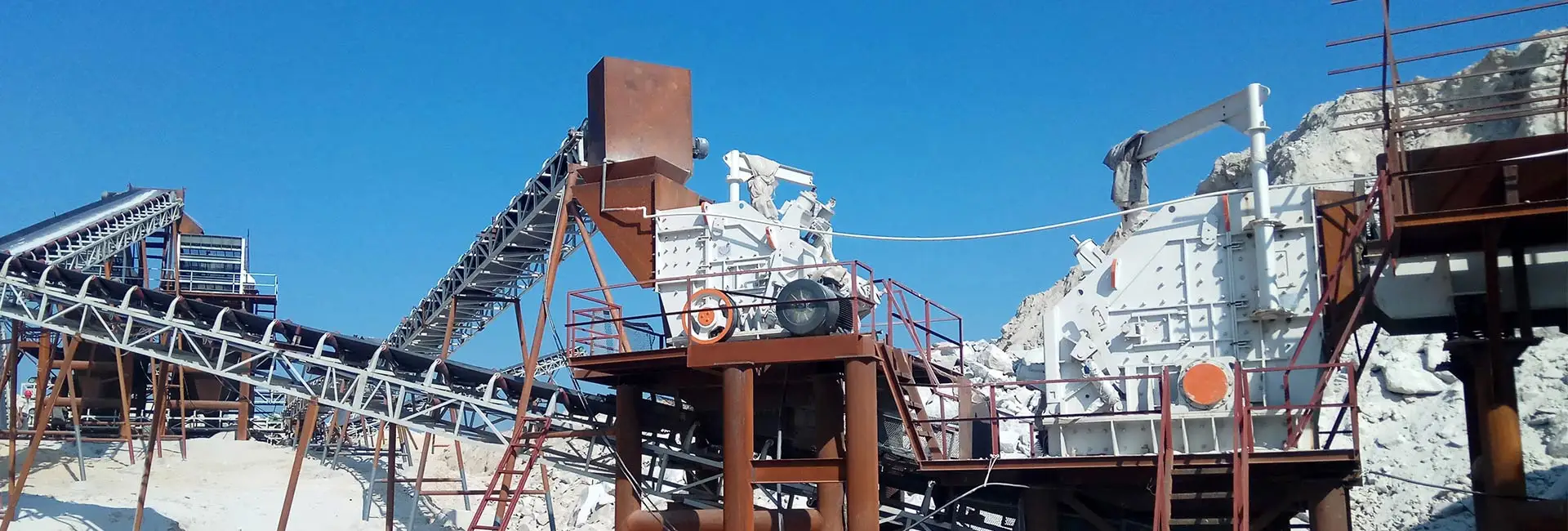
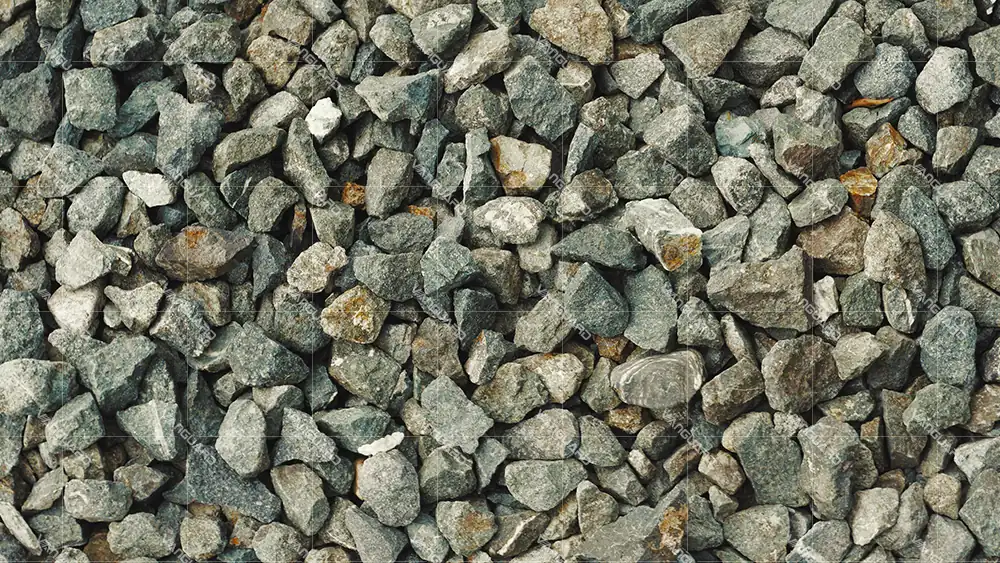
Limestone runs Mohs 3-4, medium-hard and low-abrasive, so both machines handle it - but they sit at different spots in the line. The jaw crusher owns primary crushing: it eats 500-1000 mm feed by squeeze, shrugs off hard rock, stays cheap and easy to maintain, and pushes high tonnage. The impact crusher owns secondary shaping: it throws material against impact plates, so product comes out cubical with tight gradation. Trade-off - blow bars wear faster (though far better on limestone than on river pebble) and feed must stay under ~300 mm. The proven setup is jaw primary plus impact secondary. Pick by three things: feed lump size, product shape demand, budget.
Key Differences
| Comparison | Jaw Crusher | Impact Crusher |
| Best Application | Primary, big run-of-mine lump | Secondary shaping, aggregate |
| Suitable Material | Medium to very hard (limestone, granite, iron ore) | Medium-hard low-abrasive (limestone, gypsum, coal gangue) |
| Feed Size | 500-1000 mm and above | Generally < 300> |
| Finished Product | Coarser, more flaky | Cubical, well graded |
| Operating Cost | Low (few wear parts, steady power) | Medium (blow bar wear, manageable on limestone) |
| Maintenance | Simple, less downtime | Frequent blow bar change, spare stock needed |
Product Overview
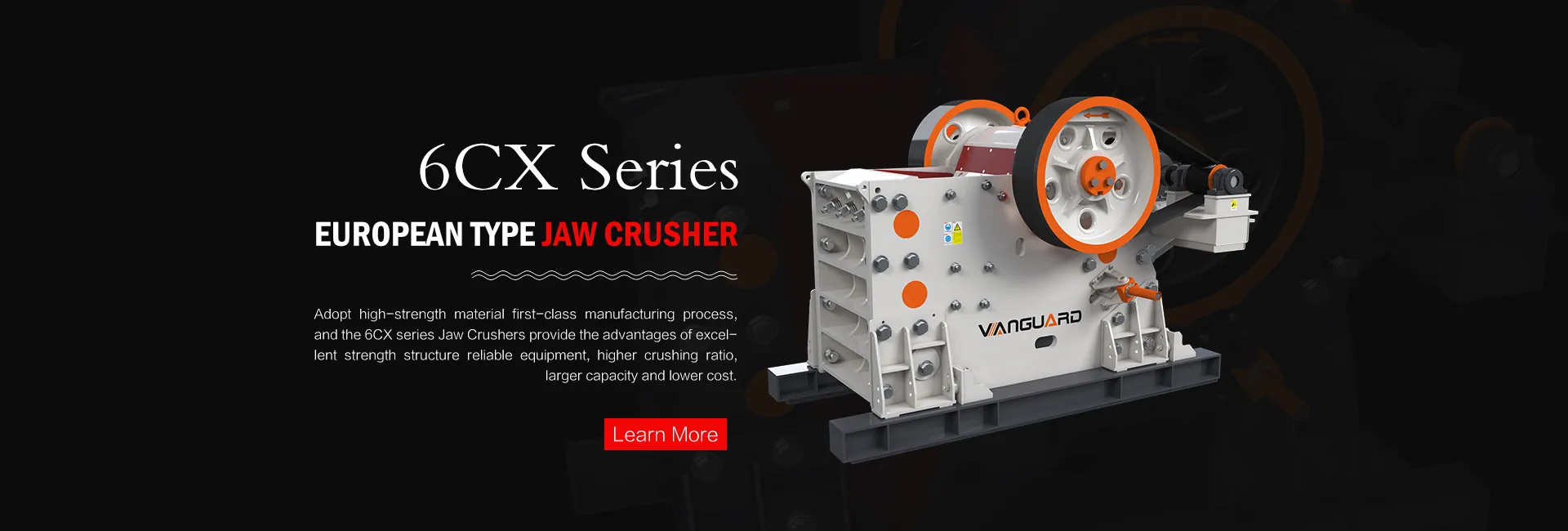
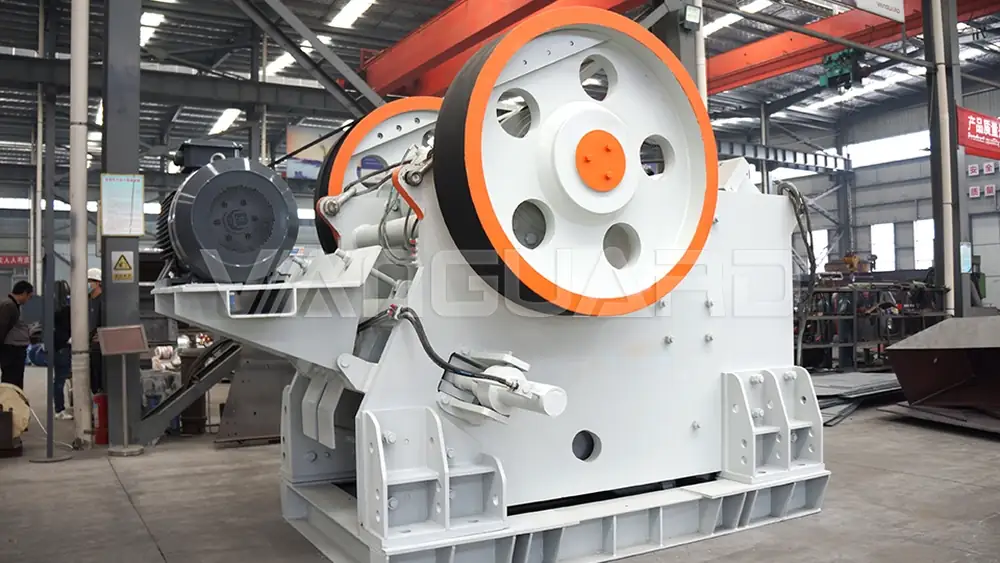
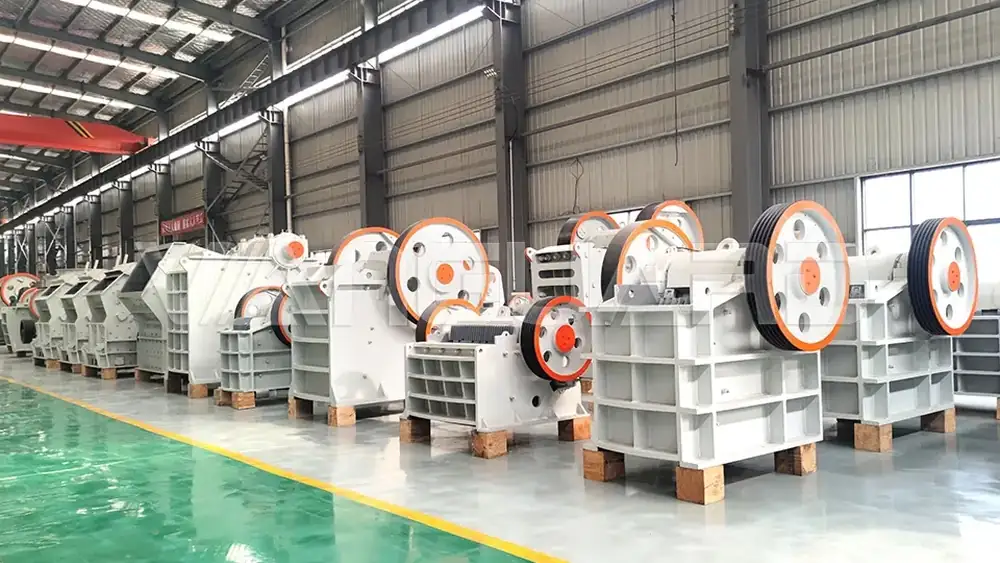
A jaw crusher works by a moving jaw pressing rock against a fixed jaw - pure squeeze. Vanguard's 6CX Jaw Crusher uses finite element analysis to optimize the crushing chamber and the movable jaw's motion trail and speed, with a deep chamber and wide feed opening that shrugs off hard feed; the PE/PEX Jaw Crusher follows the same path. It is the first gate on the line, built to take the big lumps hauled off the hill - primary king, it does not chase pretty shape, it just shrinks boulders into chunks.
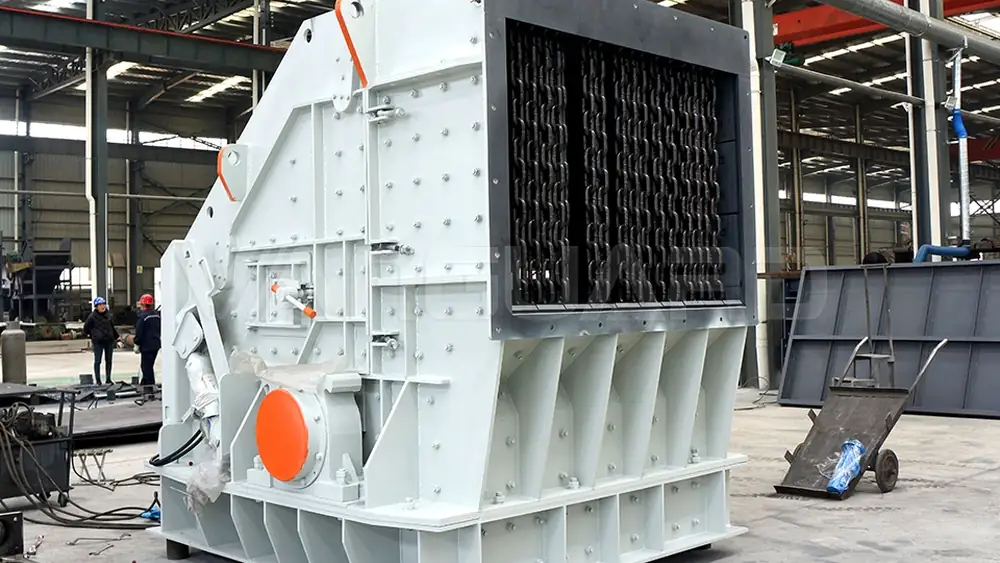
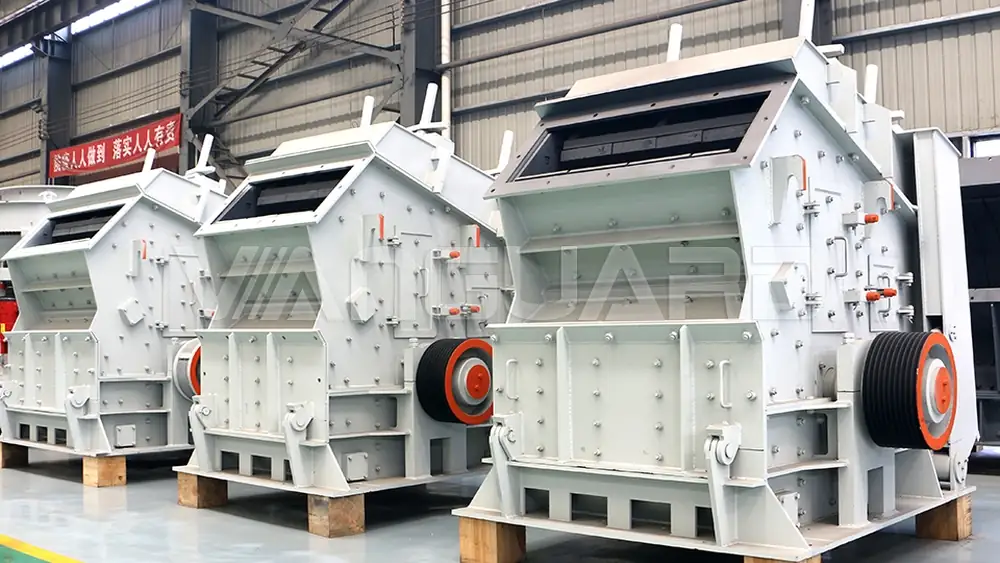
An impact crusher spins blow bars that fling material against impact plates - it breaks by impact, not squeeze. That is why product lands closer to cubical, with sharp edges and good gradation. Vanguard's PF/PFV Impact Crusher runs high-chromium blow bars with a big feed port and high crushing cavity, so blow-bar life on limestone is fully acceptable; the 6FX Hydraulic Impact Crusher holds steady in the secondary slot. Its job is shaping king - feed cannot be huge, but what comes out sells.
Performance Comparison
| Metric | Jaw Crusher | Impact Crusher |
| Crushing Capacity | High (primary single-unit output) | Medium (matched to primary) |
| Feed Size | 500-1000 mm+ | < 300> |
| Finished Product Shape | Flaky, wider size band | Cubical, continuous gradation |
| Wear Resistance | Jaw plates durable, long life | Blow bars wear fast, OK on limestone |
| Energy Consumption | Lower, steady per ton | Slightly higher impact energy |
| Maintenance | Simple, few spares | Regular blow bar swap, stock needed |
Best Applications
- Granite (hard, abrasive): jaw for primary; for shaping go cone, impact blow bars struggle.- Limestone (medium-hard, low-abrasive): jaw primary + impact secondary + vibrating screen closed circuit - the classic setup, blow bar life on limestone is fine.- Construction waste: mixed feed with rebar, jaw breaks it open first, impact shapes second.- River stone (high-abrasive): jaw primary works, but skip impact for secondary - blow bars burn out, use cone.- Quarry (big run-of-mine): jaw is mandatory to swallow the lumps.- Mining (hard rock / iron ore): jaw primary base, then cone or mill downstream.
Advantages & Limitations
Pros: swallows big feed, takes hard rock, simple build, low price, easy upkeep, little downtime. Cons: product shape is average, flaky, needs a downstream shaper for good aggregate.
Pros: cubical product, even gradation, controllable fines, makes spec material in open circuit. Cons: blow bars wear fast, feed size capped, poor value on hard or high-abrasive rock.
Which One Should You Choose?
Stop asking which is "better" and answer three questions: 1. How big is the feed? Run-of-mine over 300 mm basically forces a jaw first; impact cannot be the first gate. 2. What product look do you need? If spec is loose and budget leads, a jaw is enough. If you sell commercial aggregate with tight shape specs, impact (or jaw + impact) is the safe call. 3. Budget and site? Tight budget, tight site - one jaw carries the load. Want good product without a cone, jaw + impact costs least.
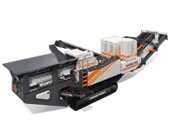
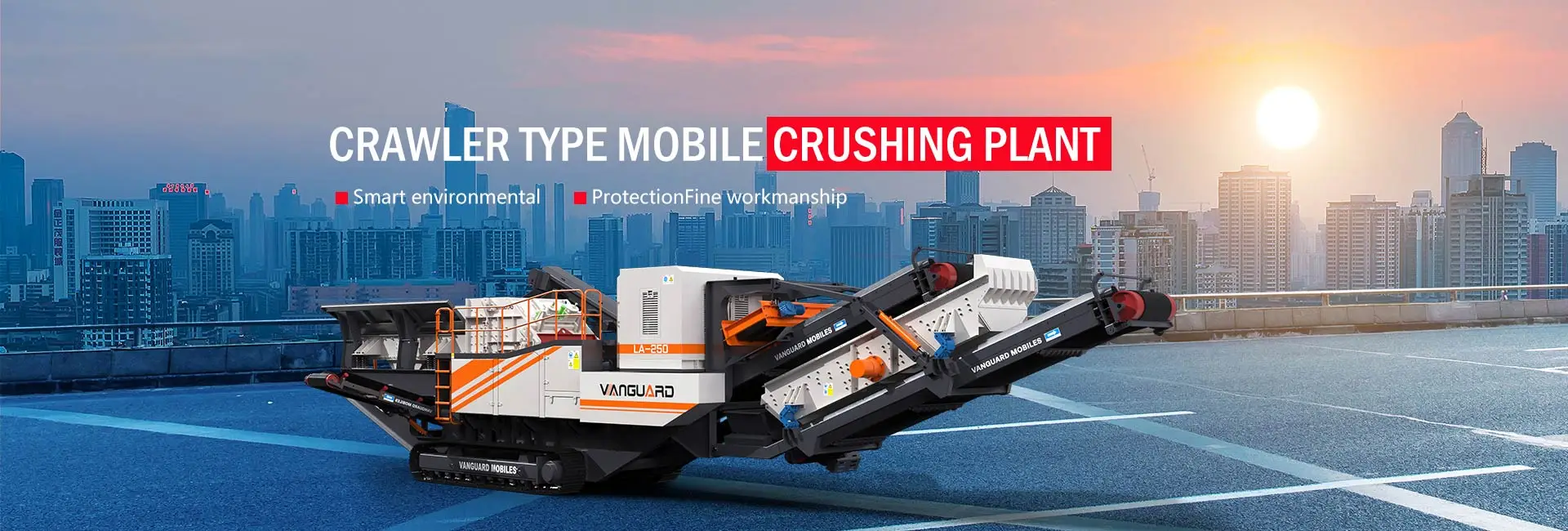
Short version: big hard lumps go to jaw, shape and saleability go to impact, and on limestone the jaw + impact combo is a no-brainer. For mobile trains, the secondary often runs a crawler impact crusher - crawler chassis walks itself and needs no outriggers, so you relocate without pouring a foundation.
FAQ
Yes, but product stays flaky with poor gradation and won't fetch aggregate prices. Add an impact stage for shape.
Not advised. Impact feed stays under ~300 mm; big lumps jam it, refuse to break, and beat the blow bars. Jaw first is safer.
In primary, jaw draws less and steadier per ton. Impact burns a bit more through impact energy, but they sit at different stages, so comparing total energy is meaningless.
Far longer than on river pebble or granite. Life depends on bar material and feed clay content; on medium-hard low-abrasive limestone it is fully acceptable - keep one or two sets rotating.
Primary crawlers mostly use jaw; secondary or tertiary use crawler impact for shape. The crawler chassis self-propels and runs without outriggers, so you move fast and skip poured foundations.
Small tonnage, start with one jaw. For commercial aggregate, jaw + impact in two steps beats a cone on cost and is plenty on limestone.
Jaw: shift the discharge setting (shims or hydraulic). Impact: set impact plate gap and rotor speed. Both tune online.
Jaw is simpler, fewer spares, less downtime. Impact needs regular blow bar swaps and plate checks, so keep spares in stock.
Related Articles
• 200 t/h Limestone Crushing-and-Sand-Making Plant in Malaysia: Five-Size Mobile L(2026-07-22)
• Why Mobile Crushing Plants Are Becoming Popular in...(2026-07-23)
• Vanguard Machinery Showcases Mobile Crushing & Screening Plants at MINEENTRA 202(2026-07-22)
• 6-Grade Granite Aggregate Production Line for Russian Asphalt Plants Put into Op(2026-07-22)
• Hydraulic vs Spring Cone Crusher: What Sets Them Apart and H...(2026-07-22)
• 300 TPH Mobile Crusher: Configuration, Capacity and Selectio...(2026-07-22)
• What Is a Crawler Type Mobile Plant? How It Works and How to...(2026-07-20)
• Crawler Mobile Crusher Price: What Drives the Cost of a Craw...(2026-07-20)




