

Quick Answer
Limestone runs Mohs 3-4, medium-hard and low-abrasion, so it behaves nothing like river pebble. You can run impact or hammer crushers here without burning through wear parts - that is the big difference. Small jobs save money with a heavy hammer crusher that does primary and secondary in one pass. Bigger operations go jaw primary plus impact secondary for cube shape, then add a cone in closed circuit when gradation has to be tight. Power source, feed size, and tonnage decide the rest. This guide walks through the rock properties, your end goal, the machine comparison, and a few real jobsite notes so you can spec the line with confidence.
Key Takeaways
- ✔ Limestone is soft and low-abrasion, so impact and hammer crushers beat a cone on cost here - ✔ Match the setup to the goal: aggregate, sand, or powder each need a different train - ✔ Classic train is jaw + impact; a hammer crusher skips a stage by forming in one pass - ✔ Want shape: impact. Want tonnage and low cost: hammer. Want tight gradation: cone in closed circuit - ✔ Pick crawler LA series or tire VP series mobile plants by how often you move
1. Know your rock before you spec anything
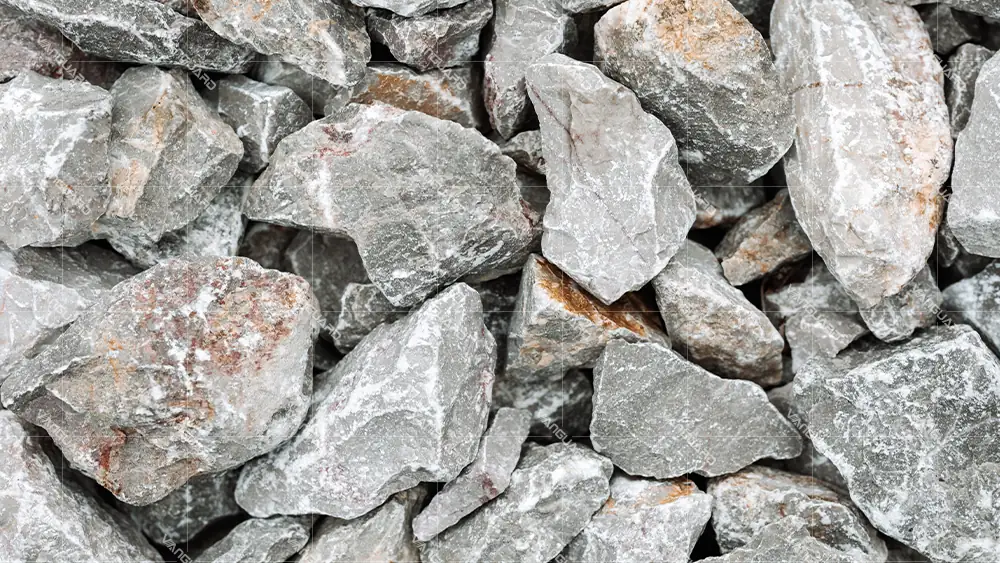
Limestone is calcium carbonate (CaCO3) at Mohs 3-4, usually under 150 MPa compressive strength. Plainly, it is a soft rock - every crusher stage handles it without complaint. Density runs 2.6-2.7 t/m3, lighter than granite.
River pebble carries high silica and scours liners with every ton; its impact blow bars wear out in days. Limestone is calcium-based and low-abrasion, so blow bars and hammers last far longer. That single fact drives host selection: impact and hammer crushers pay off on limestone, not on pebble.
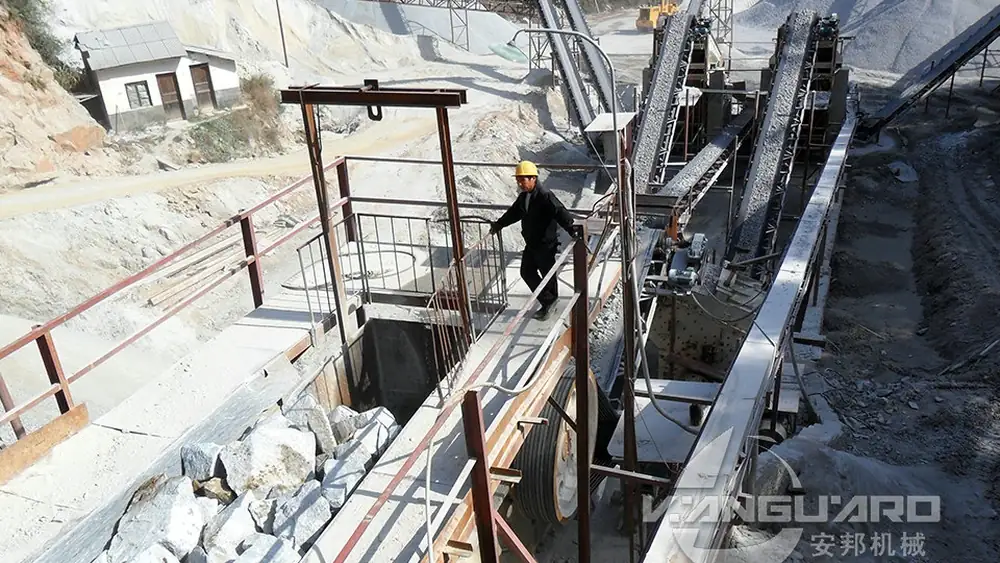
Limestone absorbs little water and will not cake up in rain. Mines with surface clay just pre-screen it off with a grizzly feeder before the crusher. Nothing like a clay mine that fights you at every step.
2. Your end goal sets the train
Stone for road, infrastructure, and concrete, sized 0-5 / 5-10 / 10-20 / 20-40 mm. Main line: jaw primary + impact secondary + vibrating screen in closed circuit. Small output that wants to save cash goes straight to a hammer crusher in one pass.
Need both stone and manufactured sand (0-5 mm)? Add a sand maker such as the 5X after the screen to shape the fines. Jaw/impact do the bulk reduction; the sand maker owns particle shape and fineness modulus.
Limestone powder for cement raw meal or power-plant desulfurization first gets crushed to feed-mill size (typically under 30 mm), then goes to a mill (YGM high-pressure mill or LM vertical mill). Crushing here is only prep; the mill does the real work.
3. What to pair with limestone, by goal
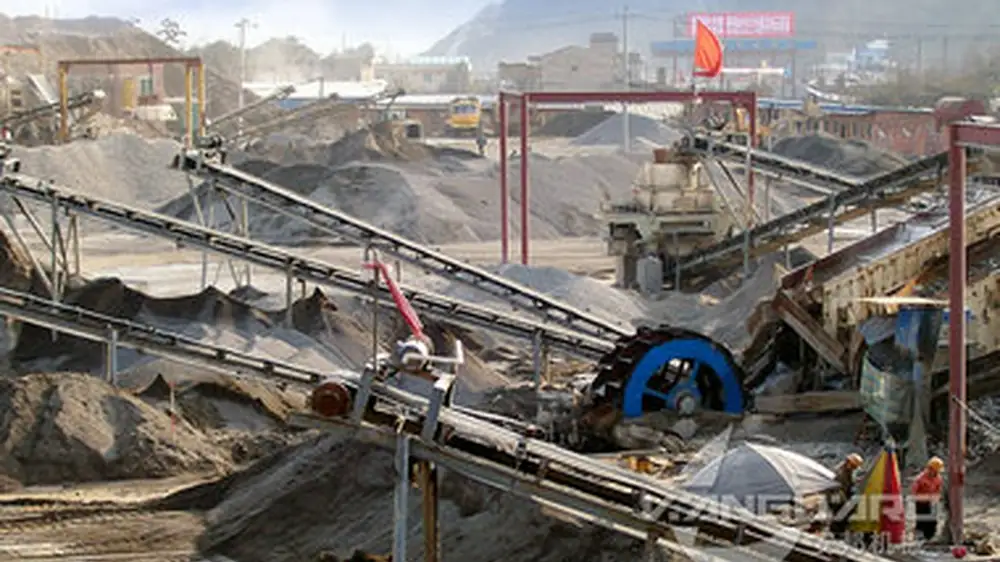
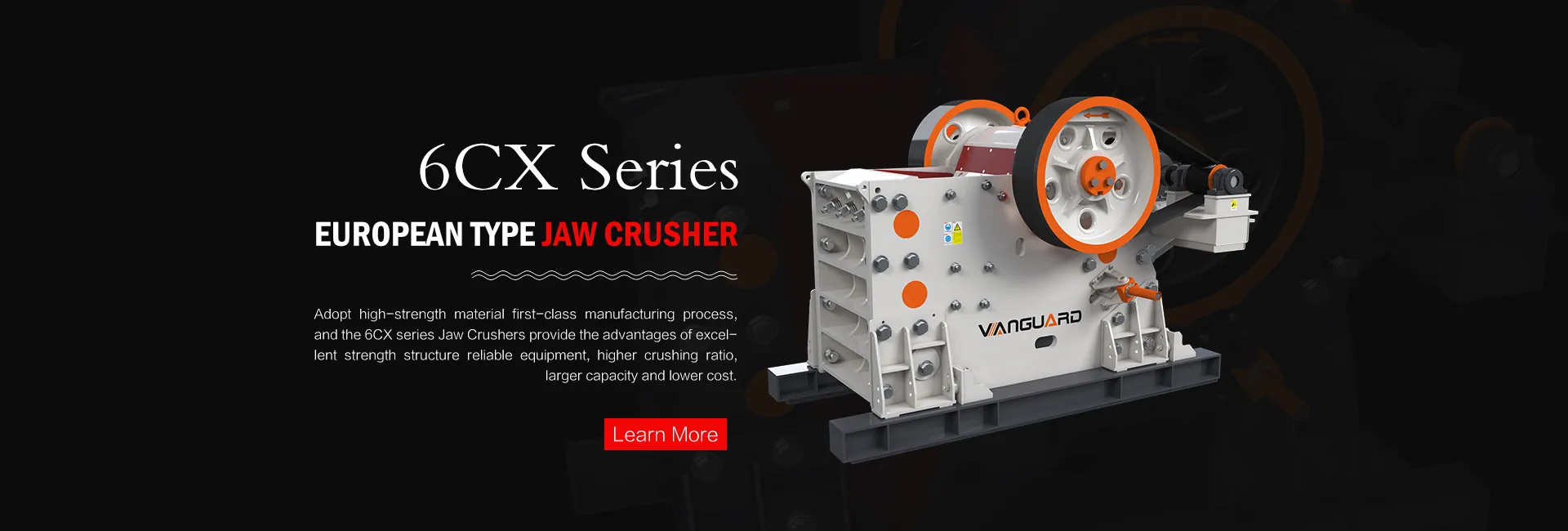
Primary on limestone is a jaw crusher (6CX jaw crusher, for instance) taking the big feed; secondary depends on the goal. Here is the rundown by use.
| Goal | Recommended train | Why this pairing |
| Aggregate (standard) | Jaw + impact (6FX 6FX impact crusher) + screen | Impact gives cubic shape; blow bars also last on limestone |
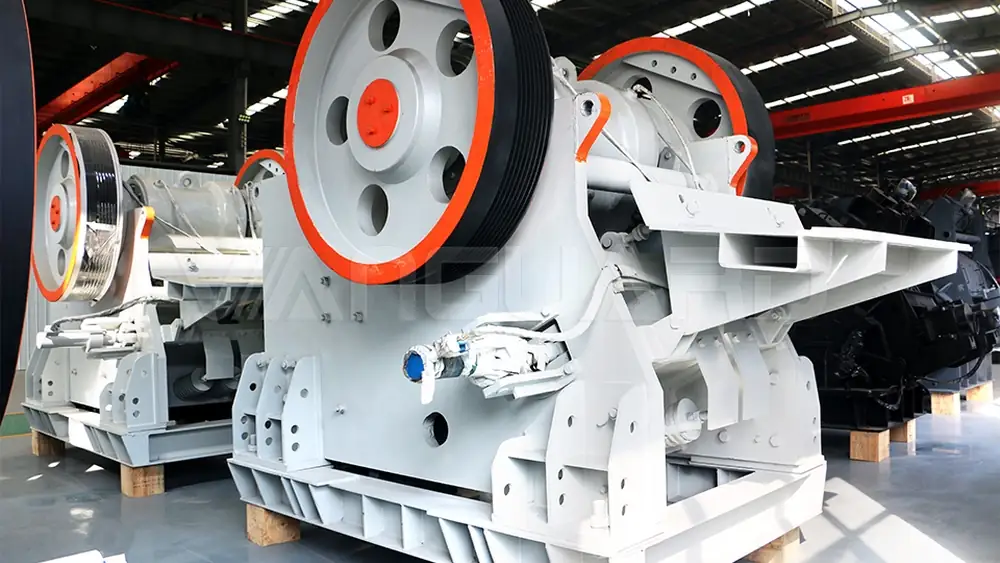
| Aggregate (save money / low output) | Heavy hammer (PCZ PCZ hammer crusher) in one pass + screen | One machine does primary and secondary, less capex and power |
| Aggregate + sand | Jaw + impact + sand maker (5X 5X sand maker) + screen | Impact feeds; sand maker shapes the 0-5 mm |
| Pre-grind crushing | Jaw + fine crusher (or hammer) to <30> | Only needs mill feed size, shape does not matter |
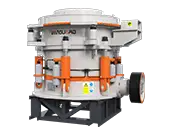
| Tight gradation / top size | Jaw + cone (CS-CH CS-CH cone crusher) + screen closed circuit | Cone's lamination holds a steady, tight gradation |
4. Jaw vs cone vs impact vs hammer on limestone
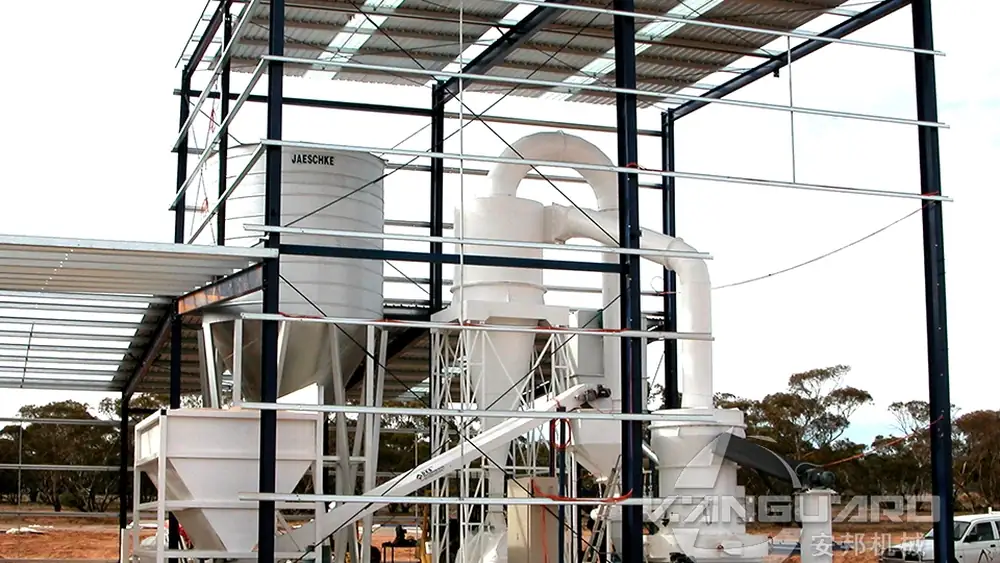
Most people stall at this step. Limestone is medium-hard and low-abrasion, so all four actually work; they differ on shape, cost, and how tight you need control.
| Machine | Job on limestone | Product shape | Cost per ton | Wear parts | One-line fit |
| Jaw | Primary, big feed (>300 mm) | Flaky, needle-heavy | Low (primary only) | Jaw plates slow | Every train starts here |
| Impact | Secondary | Good cubes | Mid | Blow bars mid, long on limestone | Best value for shape - pick without thinking |
| Hammer | Primary + secondary in one pass | Mid, slightly cubic | Lowest | Hammer mid, tough on limestone | Low-output money-saver |
| Cone | Secondary/fine, gradation control | Cubic, even | Mid-high | Liners slowest, toughest | Only when gradation is strict and volume high |
Remember: on limestone, impact and hammer both work - that is the key split from river pebble, where high silica forces you onto a cone.
5. Typical process flows
Here is the backbone, then a few common trains.
Backbone flow: Run-of-mine limestone → ZSW feeder pre-screen/de-clay → Jaw primary (e.g. 6CX) → Secondary: impact (e.g. 6FX) or hammer (PCZ) one-pass → Vibrating screen closed circuit (oversize returns, product 0-5/5-10/10-20/20-40 mm) → (if sand needed) 5X sand maker → manufactured sand 0-5 mm
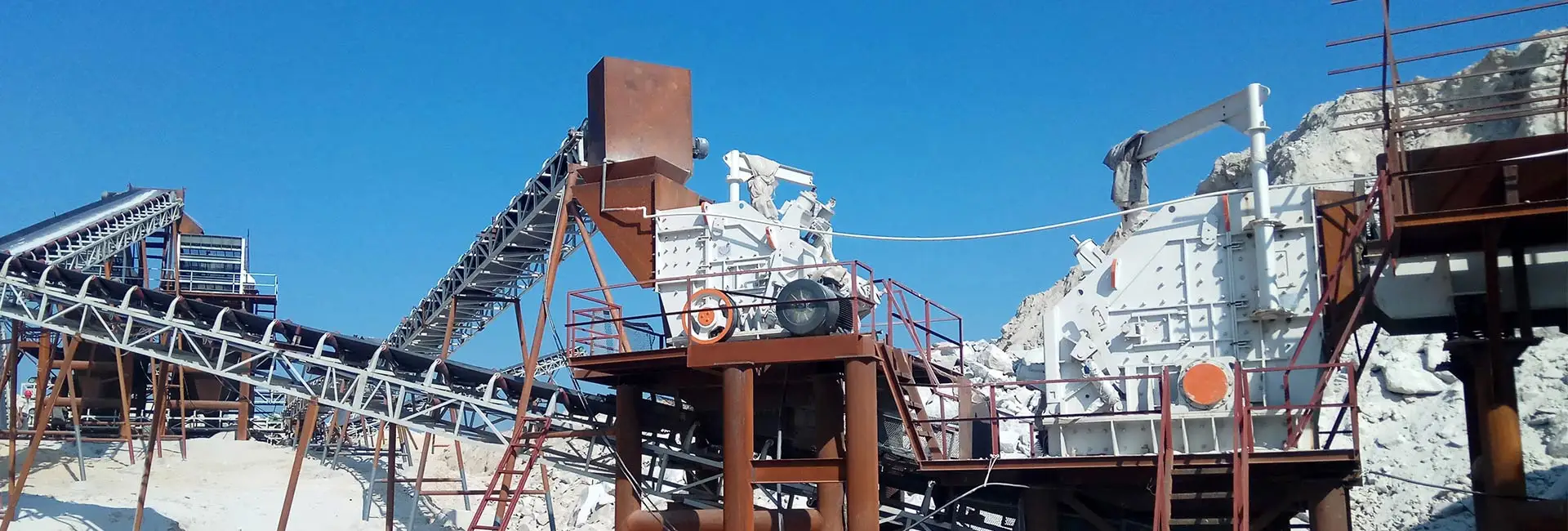
Jaw primary -> impact secondary -> screen closed circuit. The steadiest limestone aggregate train: good shape, high volume, and blow bars that survive because the rock is soft.
Run-of-mine into a heavy hammer (PCZ); primary and secondary done in one shot, then screen. Fewer machines, less power, lower capex - fits sites under a couple hundred t/h that do not need perfect shape.
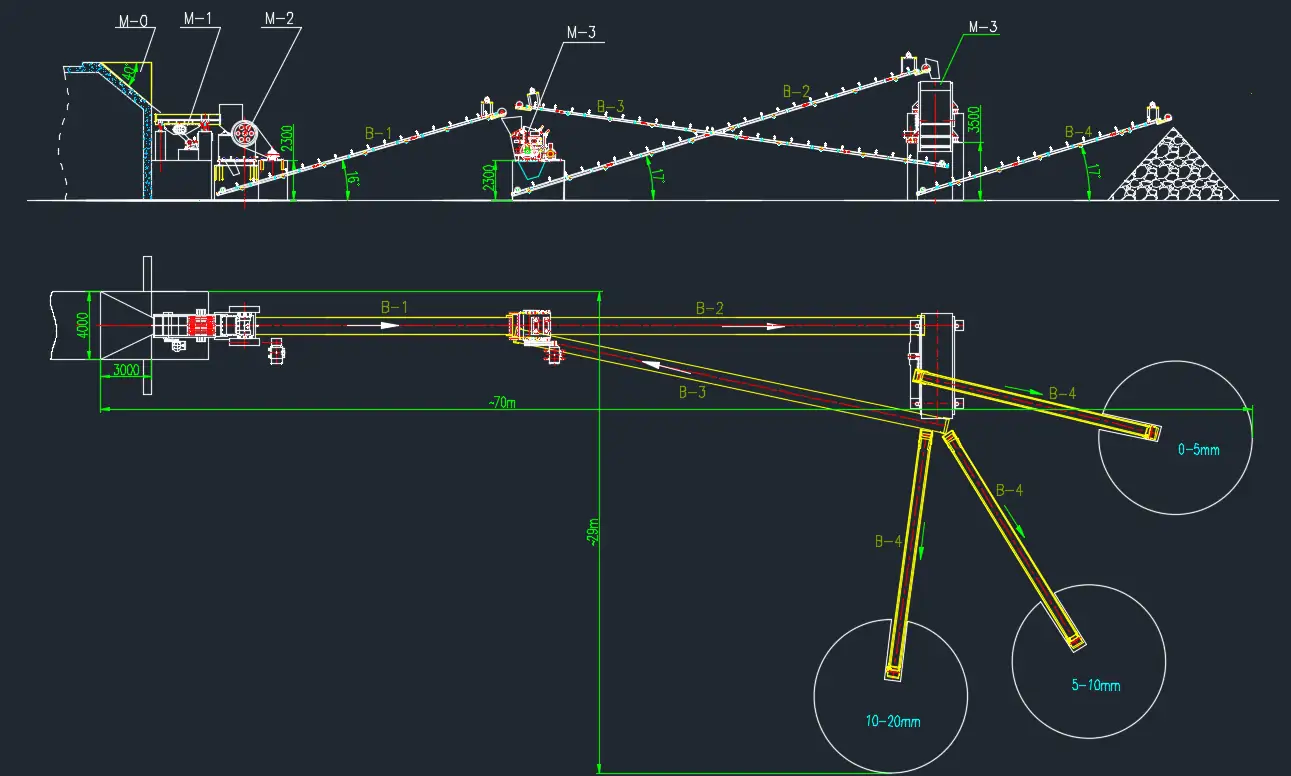
Jaw (or impact) + 5X sand maker + screen closed circuit. Impact feeds the sand maker; the sand maker fixes shape and modulus of the 0-5 mm.
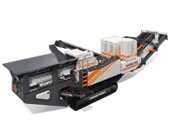
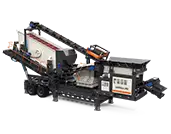
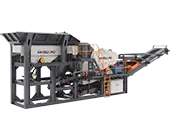
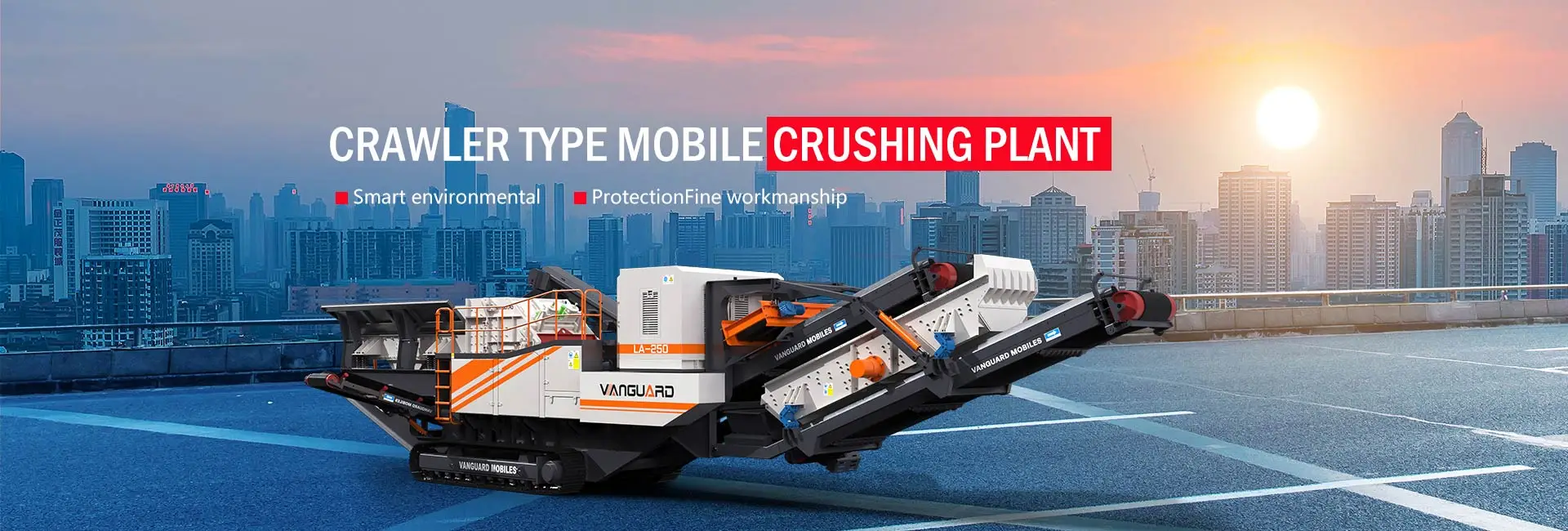
Crawler (LA series) or tire (VP series) plants mount jaw, impact, and screen on a chassis. A crawler plant walks in on its tracks and sits low - no outrigger legs, just track ground contact and a low center of gravity - so it reaches muddy pits and riverbanks. A tire plant moves fast on highways and uses outrigger legs to set up on site. Stable, multi-year feed? A fixed line wins on cost per ton.
6. Spec checklist
A jaw like the 6CX takes the big rock, but do not force boulders past the opening - add a grizzly or split them ahead. Impact/hammer take the jaw's output for secondary, and the reduction ratio stays comfortable.
You want cubic product and you need to cap the top size — that means a screen in closed circuit with return, no way around it. Skip the return and oversize sneaks in; next thing you know the customer rejects the whole truckload. Want good shape? Go impact, don't bolt a cone on just to fake it — on limestone the impact beats a cone cold on shape.
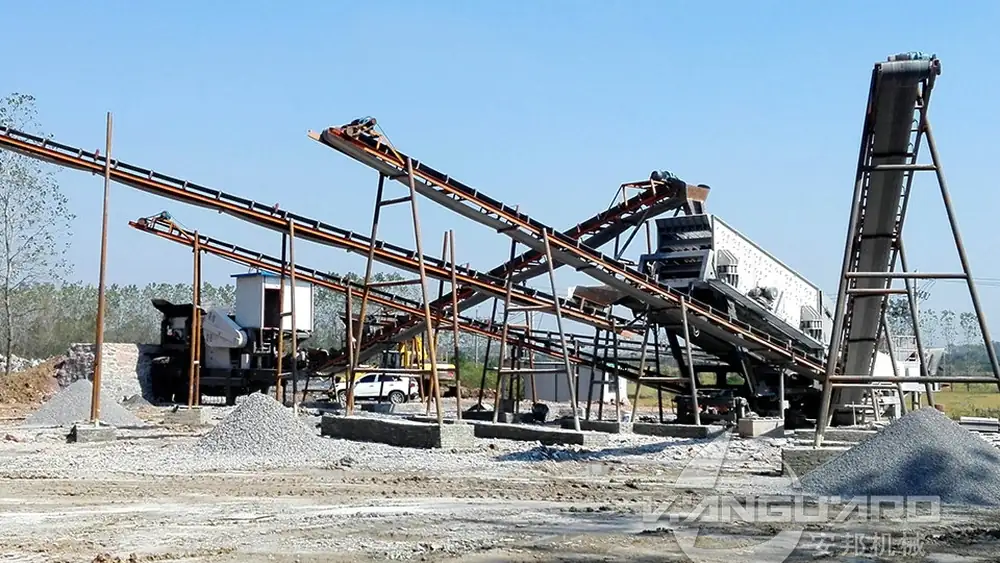
Limestone trains commonly run 100-1000 t/h by model. Size to what your excavator actually feeds per shift, not the nameplate max - an impact running hungry makes more fines than product.
Plug into grid power when you can; energy cost drops at once. No grid? Diesel-gen with electric drive. Sites with power should order the dual-power option; it usually pays back the premium within a year.
Count how often you actually move: several times a month over rough ground, go crawler; mostly highway hops between job sites, go tire; steady feed for years from one pit, go fixed and lock in the lowest cost per ton.
7. Common mistakes
Mistake 1: assuming a cone is mandatory on limestone. Wrong - medium-hard and low-abrasion, impact is cheaper; save the cone for strict gradation at high volume. Mistake 2: thinking hammer wear parts cost too much. On low-abrasion limestone the hammers last, so the hammer crusher is often the cheapest. Mistake 3: thinking every mobile plant needs outrigger legs. A crawler plant stands on its tracks with a low center of gravity and carries no legs; legs belong to tire and semi-mobile plants. Mistake 4: reaching for a cone when you want shape. For cubes, impact beats cone, and on limestone the gap is wider. Mistake 5: reading nameplate capacity instead of the feed curve. Unsteady feed wastes even the biggest rating.
8. Field notes
I saw a limestone aggregate line in Sulawesi, Indonesia start with a cone for secondary. The rock was soft and low-abrasion; the cone ran slow, drew power, and shaped worse than impact. They swapped secondary to an impact (6FX), and blow-bar life ran more than double what it did on granite - cost per ton dropped on the spot.
Another site ran a crawler mobile plant (LA series) in an unpaved pit with ragged feed sizes. The tracks walked it in, power on, no road and no legs, and it moved fast between faces. Takeaway: limestone likes impact, and the chassis likes the ground - do not spec from the brochure.
Frequently Asked Questions
Pebble is high-silica and abrasive, so impact blow bars die fast and you land on a cone. Limestone is soft and low-abrasion, so impact and hammer both work and cost less.
Impact for shape and value on most jobs. Reserve the cone for tight gradation or very high volume where lamination control pays.
Yes. A heavy hammer (PCZ) does primary and secondary in one pass, then you screen. Best below a couple hundred t/h where shape is not critical.
Jaw or impact to reduce, then a 5X sand maker in closed circuit with a screen. The sand maker shapes the 0-5 mm and sets the fineness modulus.
Hammer crusher in one pass plus a screen. Fewest machines, least power, lowest capex.
Less than you might fear; it is not a dry, silty rock. A water spray or baghouse at the screen and transfer points keeps it down, and low moisture means no clogging.
Crawler for rough, unpaved, frequently moved sites - it walks in, no legs. Tire for highway hops between jobs; it sets up on outrigger legs. Stable multi-year feed -> fixed line.
Pre-screen with a grizzly feeder before the crusher. Clean feed means clean product and no blinded screens.
Far longer than on granite or pebble - often double or more. Exact life tracks feed abrasion and setting, but limestone is toward the friendly end.
Jaw plus a fine crusher (or hammer) down to under 30 mm. You only need mill feed size, so shape is irrelevant.
Scale of machines and number of parallel streams, plus tighter screening and conveyor design at 1000 t/h. The train logic is the same.
Rarely. Limestone absorbs little water and does not cake. Only heavy surface clay plus water gives trouble, and pre-screening removes that.
After secondary, route the fine fraction to a 5X sand maker and screen. Closed circuit holds the top size.
Yes. Send your limestone sample, target capacity, and site conditions, and Vanguard Machinery sizes the whole train - jaw, impact, screen, and chassis together - with a free material analysis before you order.
Conclusion
Limestone is soft and low-abrasion, so selection is far looser than on river pebble: a jaw like the 6CX takes the big feed, secondary goes to impact (6FX) for shape or hammer (PCZ) for lowest cost, and you add a cone (CS-CH) in closed circuit only when gradation must be strict. Pick the mobile chassis by site - crawler LA for rough ground, tire VP for highways, fixed line for years of steady feed. Match rock, goal, and relocation, and the train is right.
Related Articles
• 200 t/h Limestone Crushing-and-Sand-Making Plant in Malaysia: Five-Size Mobile L(2026-07-22)
• What Is an Impact Crusher? How It Works, Types and How to Ch...(2026-07-17)
• Why Is My Jaw Crusher Wearing Out Too Fast? Causes...(2026-07-09)
• Hydraulic vs Spring Cone Crusher: What Sets Them Apart and H...(2026-07-22)
• China Crusher Manufacturers: How to Choose a Relia...(2026-07-08)
• 300 TPH Mobile Crusher: Configuration, Capacity and Selectio...(2026-07-22)
• Crawler Mobile Crusher Price: What Drives the Cost of a Craw...(2026-07-20)




