

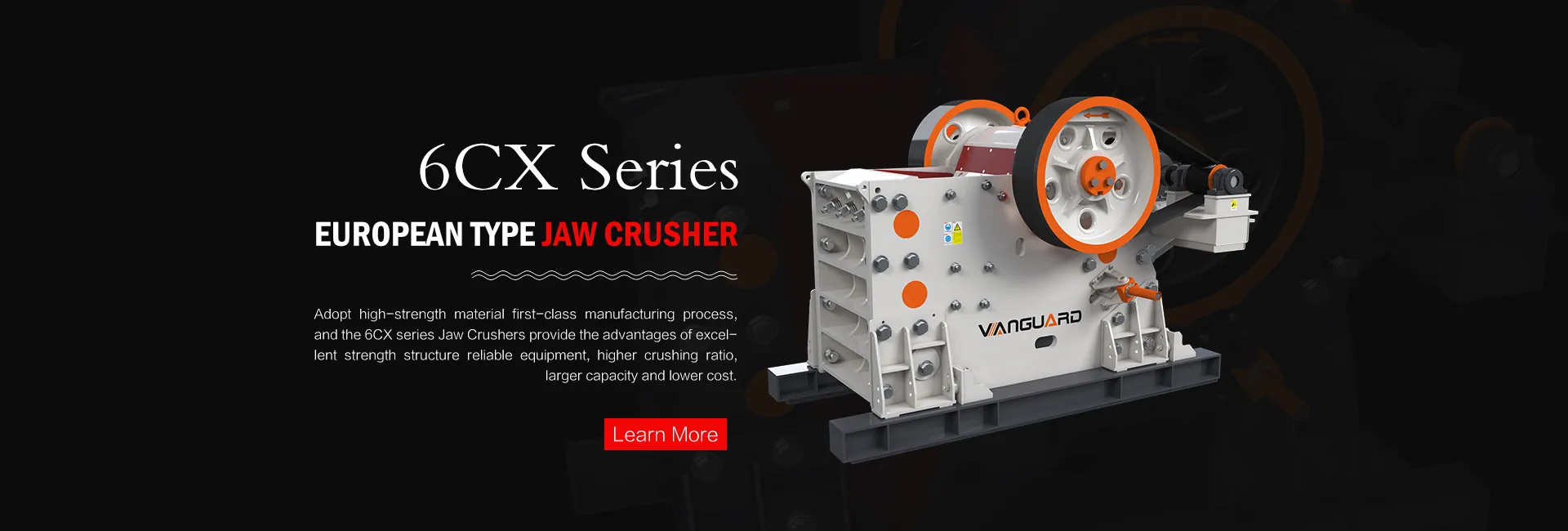
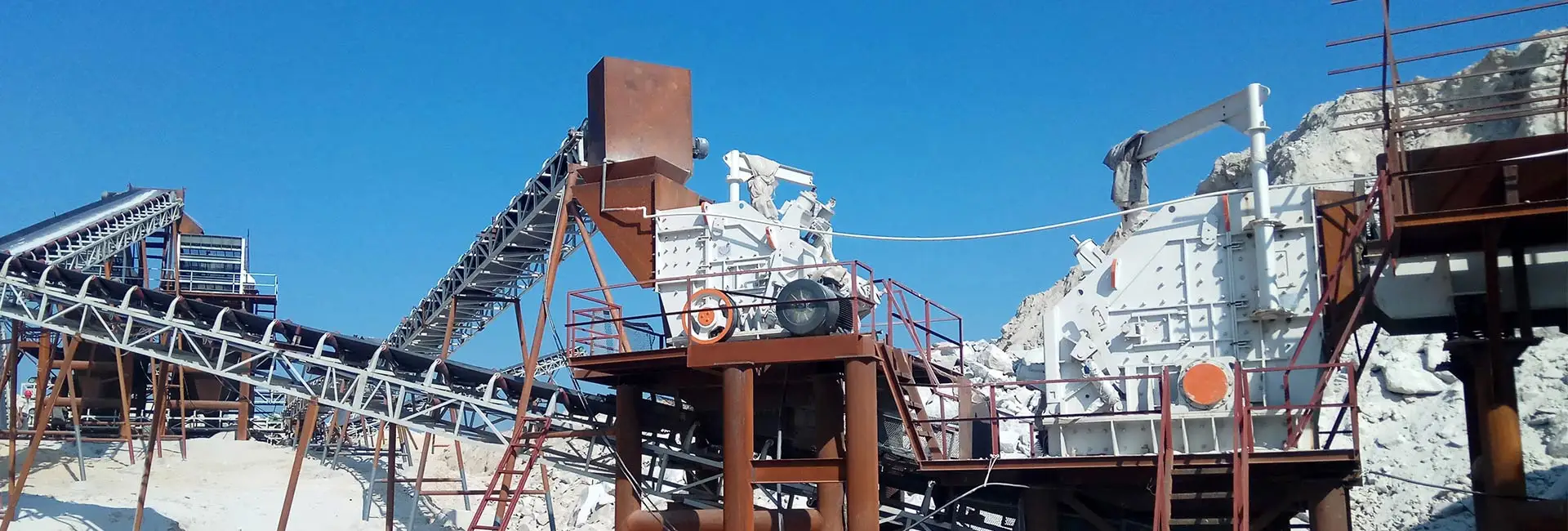
Field Experience
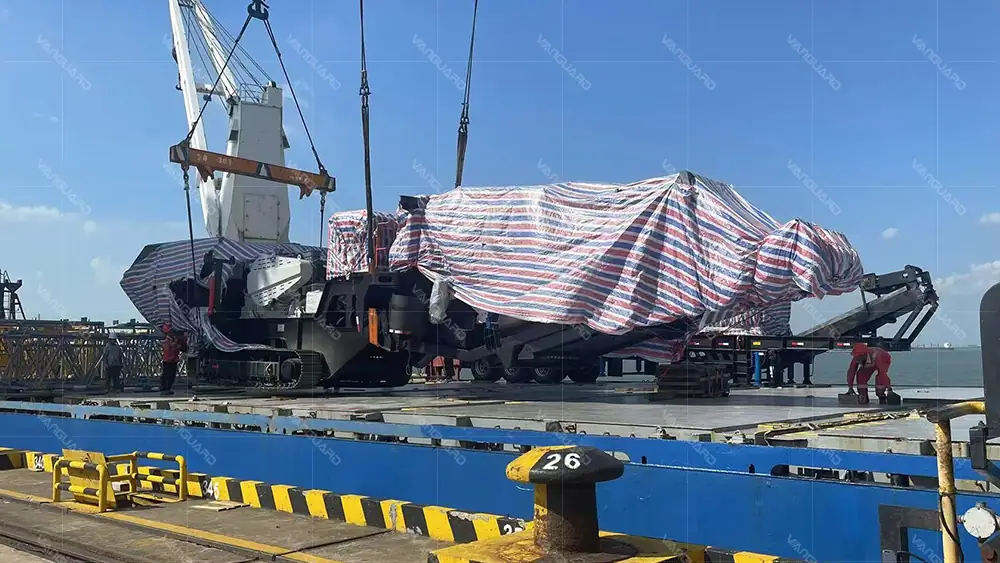
Last month at Jakarta's main port, three tracked mobile plants from China were being loaded onto a barge. A cement plant supervisor nearby said their third line goes online this year and they are short on aggregate. It is not a one-off — limestone crushing equipment procurement across Southeast Asia has clearly heated up over the past two years. The demand did not appear from nowhere; here is the chain behind it.
Market overview: why limestone became the region's hard currency
Limestone is cement's raw backbone — roughly a tonne of clinker eats more than a tonne of limestone. Per publicly available cement association statistics, ASEAN cement consumption has grown at roughly 5%–7% a year recently, among the fastest rates anywhere. At the same time, highways, airports and industrial parks keep pushing aggregate demand up.
Limestone makes up over 40% of non-metallic mineral output in Southeast Asia, and the share runs even higher in cement-heavy Indonesia and Vietnam. In short, as long as cement and infrastructure keep turning, crusher orders keep a floor.
What pulls demand: four forces
The ten ASEAN nations hold over 680 million people, more than half in cities. Cities need housing, metro lines, treatment plants — all concrete, all limestone aggregate behind them.
Chinese-backed ports, rail and industrial parks keep landing in the region, which keeps Chinese construction machinery visible. On the other side, some supply chains are shifting into Southeast Asia (the "friend-shoring" story), and the factories and parks eat plenty of aggregate too.
Zero tariffs inside ASEAN let equipment move between member states. For Chinese equipment, most ASEAN countries grant most-favoured-nation treatment, with whole-machine tariffs mostly between 0% and 5% — a notch below what European and Japanese brands land at.
Indonesia and Thailand built early cement lines with old jaw and hammer crushers that no longer meet efficiency or emission marks. Industry estimates put a batch of those lines into a replacement window over the next five years, a steadier base than pure new-build demand.
Country by country: five markets, five plays
The largest ASEAN economy. Total cement capacity is large but lopsided — Java leans oversupplied, the outer islands (Sulawesi, Kalimantan) run short. Demand profile: more new lines on the outer islands, retrofit and replacement on Java. Chinese equipment competes strongly here on price, lead time and a mature spare-parts network.
Expressway networks and airport expansions are stacking up. The north is limestone-rich, the south tighter, so "north stone, south haul" emerged. Public tender data shows aggregate crushing projects rising noticeably over the last two years, with strong demand for mid-to-large capacity machines.
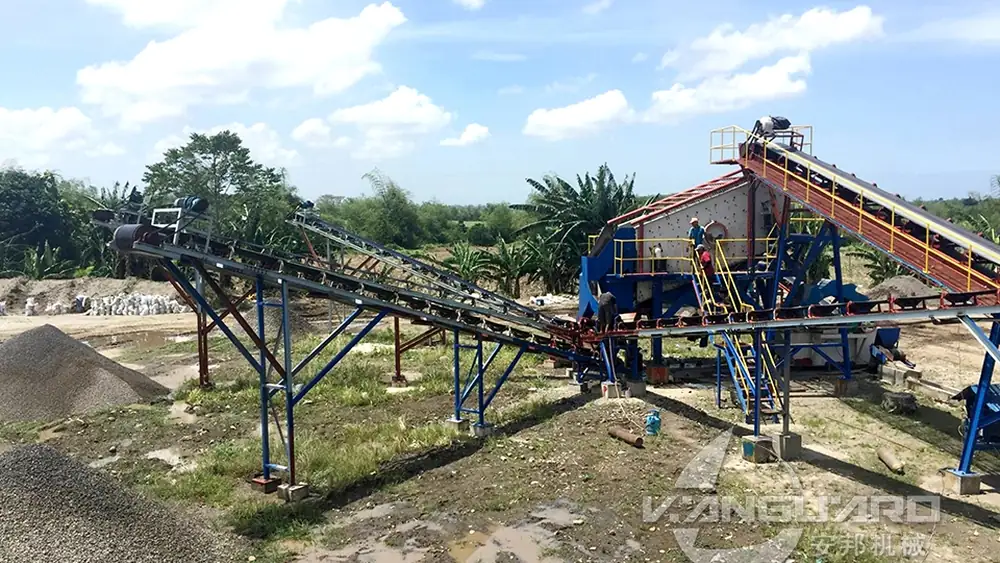
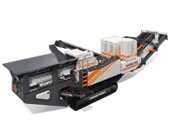
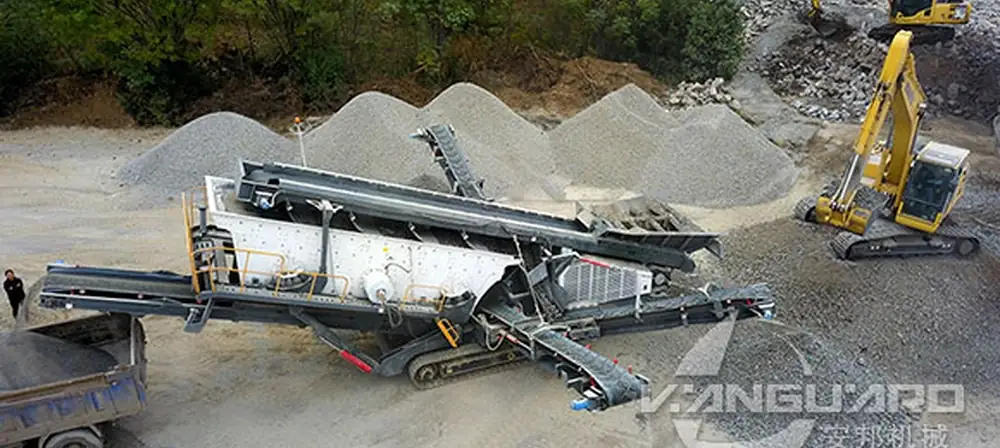
The government infrastructure programme continues, and scattered islands make logistics costly — so local crushing is a must. Chinese mobile crushers fit especially well: scattered quarries, frequent moves, a self-propelled plant beats a fixed line on hassle.
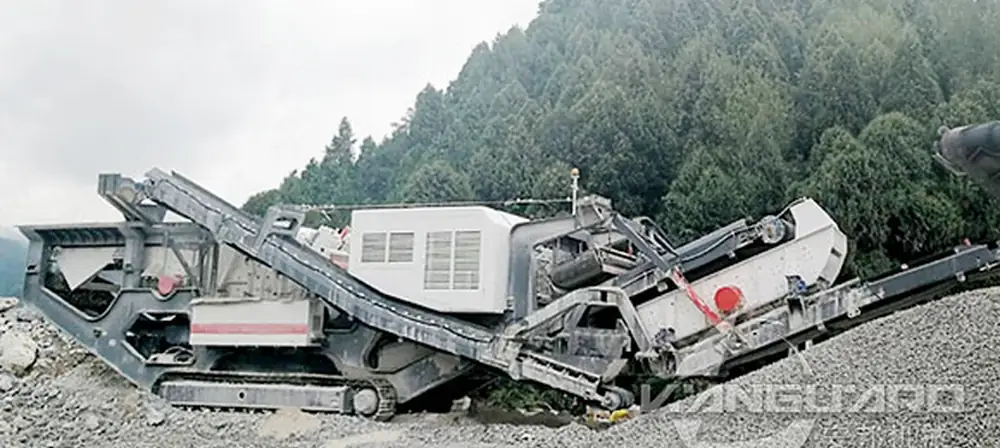
Sabah and Sarawak hold large limestone reserves; part goes to clinker, part exports as aggregate to Singapore. West Malaysia is mature but flat in growth. Equipment opportunity sits in additions and environmental upgrades.
The Eastern Economic Corridor (EEC) clusters autos, electronics and logistics parks, keeping materials demand steady. Thai buyers weigh equipment reliability and after-sales response heavily, and accept automation and environmental options readily.
| Country | Limestone resource | Demand profile | Chinese equipment edge |
| Indonesia | Outer islands rich, Java mature | Outer-island new build + Java replacement | Strong (price + parts) |
| Vietnam | North rich, south tight | Infrastructure up, aggregate short | Strong (mid-large capacity) |
| Philippines | Widespread, islanded | Local crushing a must | Very strong (mobile fits) |
| Malaysia | East Malaysia (Sabah/Sarawak) large | Export to Singapore + eco upgrade | Mid (stability + compliance) |
| Thailand | Central mostly | EEC park materials steady | Upper-mid (after-sales + auto) |
Equipment demand signals: what buyers want now
Enough macro — at the selection level, five trends stand out.
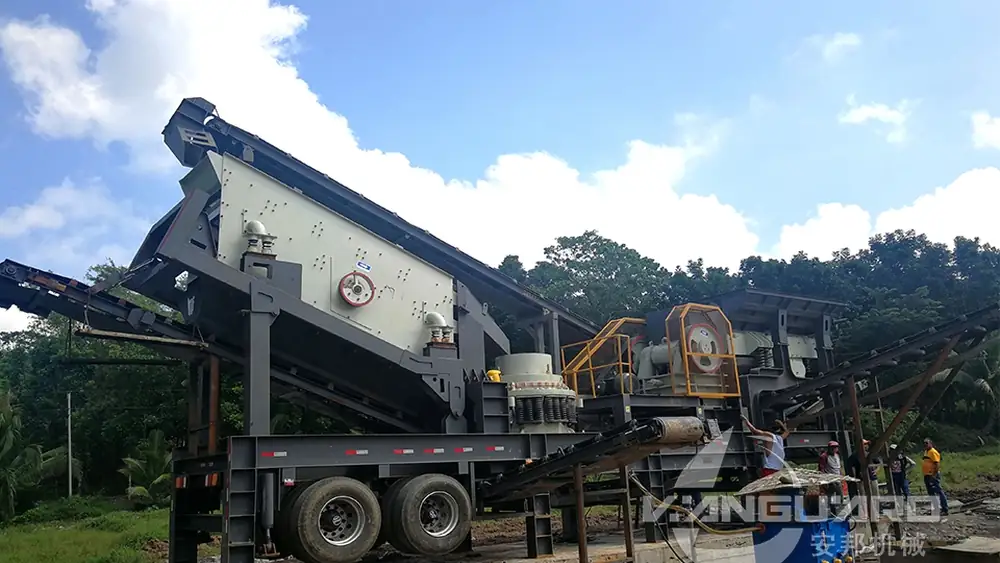
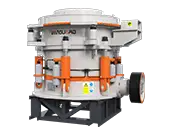
Single-line capacity keeps climbing; owners pay for "one unit doing two's job". Limestone's mid hardness and low abrasiveness suit a big-mouth jaw crusher feeding a high-capacity cone crusher, driving cost per tonne down.
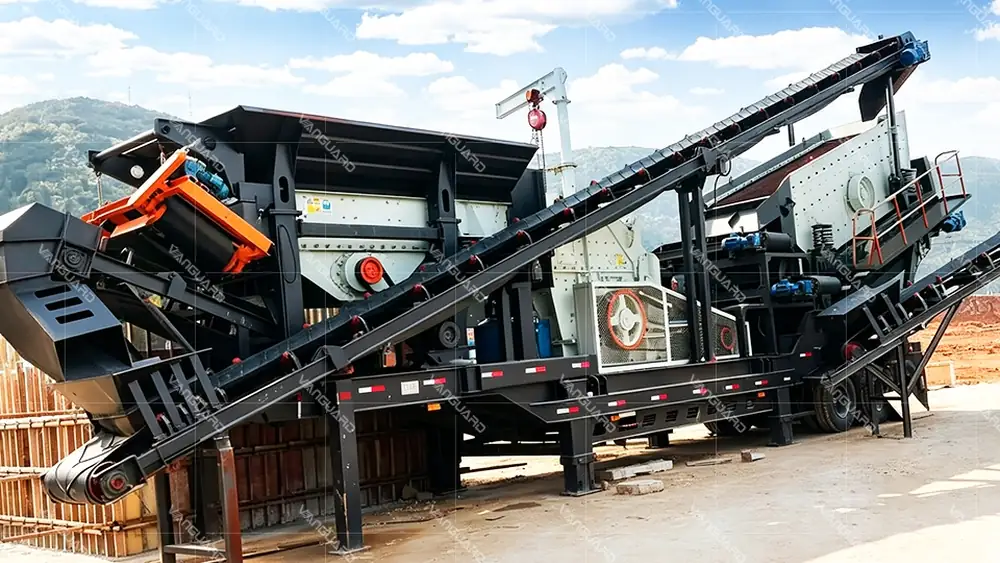
Remote start-stop, output tally, wear alerts — once European-only options, now standard on local lines. Owners save operators and downtime.
Dedusting, enclosed conveyors, noise control stopped being extras near Jakarta or Bangkok; they are entry tickets. Limestone throws a lot of dust, so dry mist suppression plus enclosed chutes is close to mandatory.
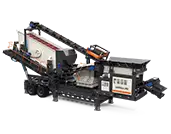
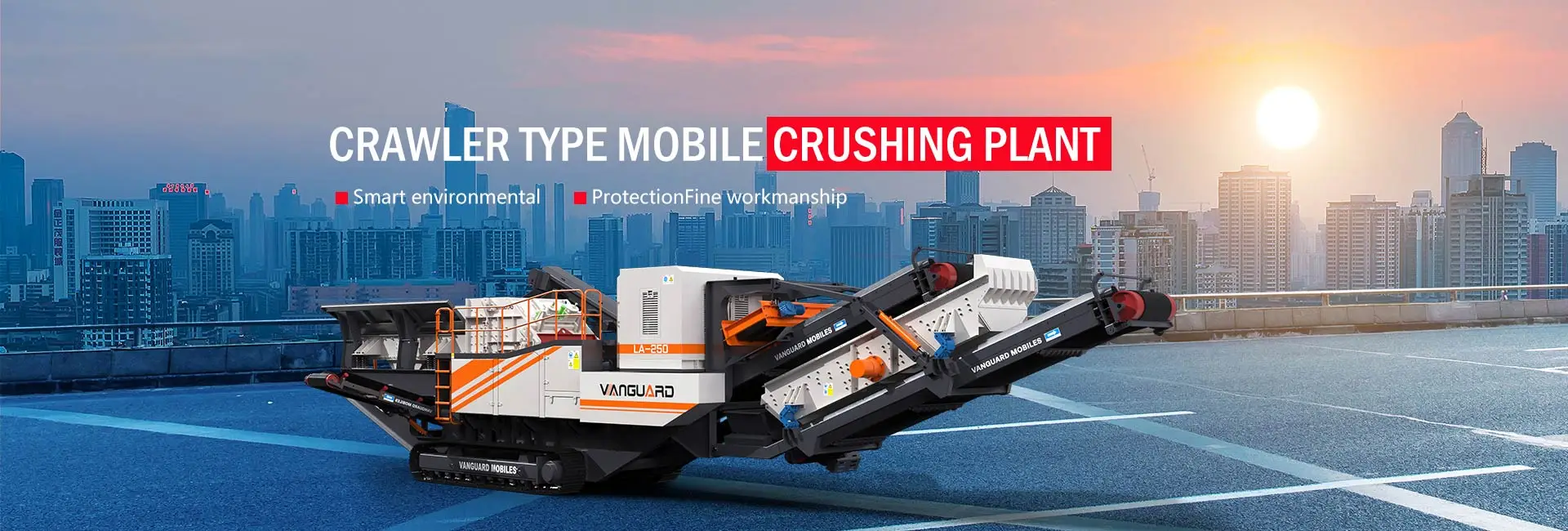
In scattered-quarry markets like the Philippines and Indonesia's outer islands, a mobile crusher that drives to the face and produces the same day skips weeks of civil works versus a fixed line. Vanguard Machinery's wheeled mobile plant with a vibrating screen in closed circuit moves fast and starts fast — a regular on these jobs.
Where power is pricey, owners now count kWh. High-efficiency motors, variable-frequency feeders, standby power cut — the saved electricity often covers the premium within a year.
The table stakes: Chinese brands vs Europe and Japan
European (Metso, Sandvik) and Japanese (Komatsu and peers) brands carry deep engineering pedigree and strong resale. But they often cost 2–3 times a Chinese equivalent and ship later. Chinese crushing equipment already holds over 60% of the Southeast Asia market, built on price, supply chain and speed.
This is not to say European machines are bad — premium aggregate and strict-emission projects still trust them. Most limestone crushing is moderately abrasive routine work that local equipment handles fine, and a vendor like Vanguard Machinery configures to your feed and site, a flexibility catalogue-bound imports struggle to match.
Don't price only the machine: four real risks
Several regional currencies swing hard against the dollar; quote in local currency and the margin can evaporate. Lock the rate or price in local currency in the contract.
Island nations ship inland dear; overweight or oversize pieces need appointed routes. Check sea and last-mile limits before you order.
Selling the machine is the start, not the finish. A far-flung parts warehouse means a day down is a day's money gone. Pick a brand with a local service point; cheaper than chasing the lowest tag.
Some countries push local assembly and local labour, sometimes with a tariff sweetener. Learn it early — localisation can be the key that wins the project.
Next three to five years: where the windows open
Against infrastructure plans and the replacement cycle, three windows read clearly: 1. New lines in Indonesia's outer islands and Vietnam — mid-to-large capacity machines. 2. Localised mobile crushing in the Philippines and Indonesia — flexible plants. 3. Eco-retrofit around Jakarta, Bangkok, Ho Chi Minh — dedusting and enclosure packages.
The call: 2026 to 2030, Southeast Asian limestone crusher demand likely holds mid-to-high single-digit growth, Chinese share keeps rising, but the fight moves from "who is cheaper" to "who knows local conditions and backs it with service".
FAQ
Indonesia by volume, Vietnam and the Philippines by growth. Your answer depends on whether you sell big fixed lines or flexible mobile plants.
Industry figures put it above 60%, on price, supply chain and delivery speed. Limestone's low abrasiveness lets local equipment do the job well.
Jaw for primary, cone for secondary and tertiary. Limestone's low wear makes this pair the cheapest per tonne with acceptable shape.
Scattered quarries, frequent moves, fast startup — mobile. Central feed, years in one place — fixed line costs less per tonne.
Dedusting, enclosed conveyors and noise control are basically mandatory near Jakarta and Bangkok. Limestone dusts heavily; dry mist plus enclosed chutes is common.
Most ASEAN states give China most-favoured-nation rates, mostly 0%–5% on whole machines. Check the HS code and local assembly policy for specifics.
Local equipment usually ships well ahead of European brands; standard models in weeks, custom configs by the month. Schedule early to wait less.
Pick a brand with local parts and a service team. Downtime costs far more than the equipment discount you kept.
Lock the rate or price in local currency; spell out who eats the swing. Don't quote in a soft local currency bare.
From jaw crusher, cone crusher and impact crusher to mobile crusher and vibrating screen, configured to your feed and site, with localised service support.
Mid-large fixed lines, flexible mobile plants and eco-retrofit packages all hold. Your channel — EPC or dealer — decides the tilt.
List feed, tonnage, site and environmental rules, then send a sample for material analysis; better than guessing a model.
Conclusion
Southeast Asia's limestone crusher buzz rests on two hard needs — cement and infrastructure — plus a replacement cycle and regional trade perks. The five markets play differently: Indonesia on outer islands and replacement, Vietnam on infrastructure speed, the Philippines on localised mobile crushing, Malaysia on East Malaysian resources and export, Thailand on the EEC. On the equipment side, larger, automated, cleaner, mobile and efficient is the real five-line story. Chinese brands already hold over 60%; the next lap rewards local know-how and service. Tell us your feed, tonnage, site and emission rules, and Vanguard Machinery configures the line — from primary jaw to closed-circuit mobile — in one pass.
Related Articles
• Why Mobile Crushing Plants Are Becoming Popular in...(2026-07-23)
• Vanguard Machinery Showcases Mobile Crushing & Screening Plants at MINEENTRA 202(2026-07-22)
• 200 t/h Limestone Crushing-and-Sand-Making Plant in Malaysia: Five-Size Mobile L(2026-07-22)
• 6-Grade Granite Aggregate Production Line for Russian Asphalt Plants Put into Op(2026-07-22)
• Hydraulic vs Spring Cone Crusher: What Sets Them Apart and H...(2026-07-22)
• 300 TPH Mobile Crusher: Configuration, Capacity and Selectio...(2026-07-22)
• What Is a Crawler Type Mobile Plant? How It Works and How to...(2026-07-20)
• Crawler Mobile Crusher Price: What Drives the Cost of a Craw...(2026-07-20)
If you are scoping a limestone crushing project in any Southeast Asian country, send us the feed type, target tonnage, site conditions and local environmental rules. Vanguard Machinery configures the line to your job and backs it with localised service — start with a free sample analysis; one bag of feed beats several rounds of calls.




