Menu

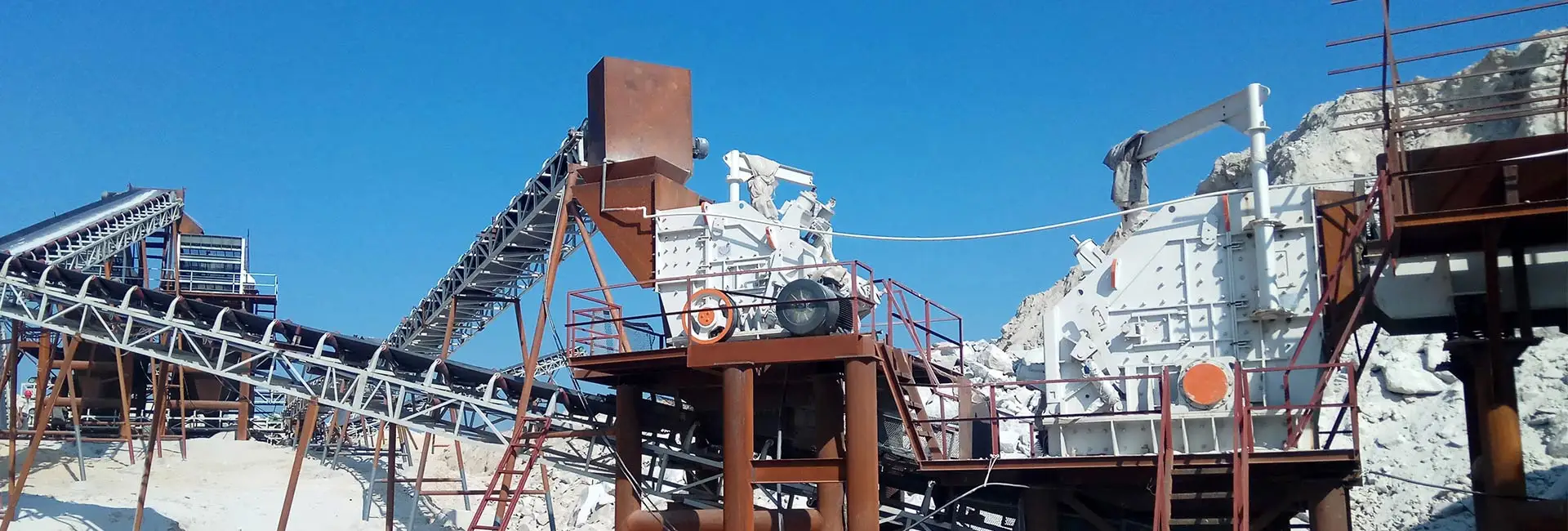
Project BackgroundKazakhstan sits deep inland with long, harsh winters and plenty of hills and mountains, so demand for hard-rock aggregate like granite and basalt stays strong year-round. This write-up covers a 200 t/h granite mobile crushing project: the customer wanted a line that runs long shifts in the cold, relocates without poured foundations, and holds a steady product size. Below we break down the background, material, process, equipment and results, layer by layer.Project OverviewThe p...
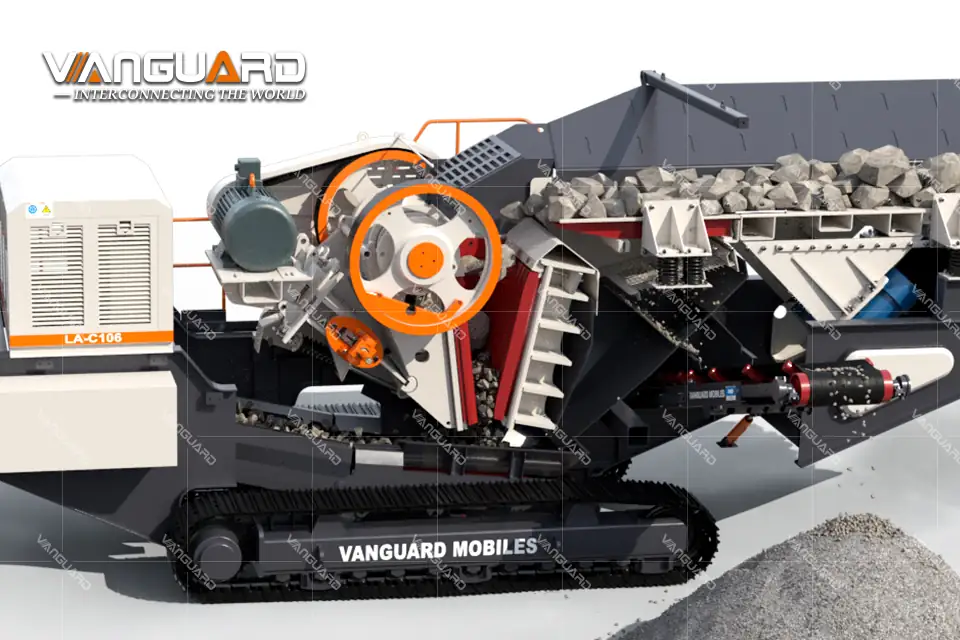
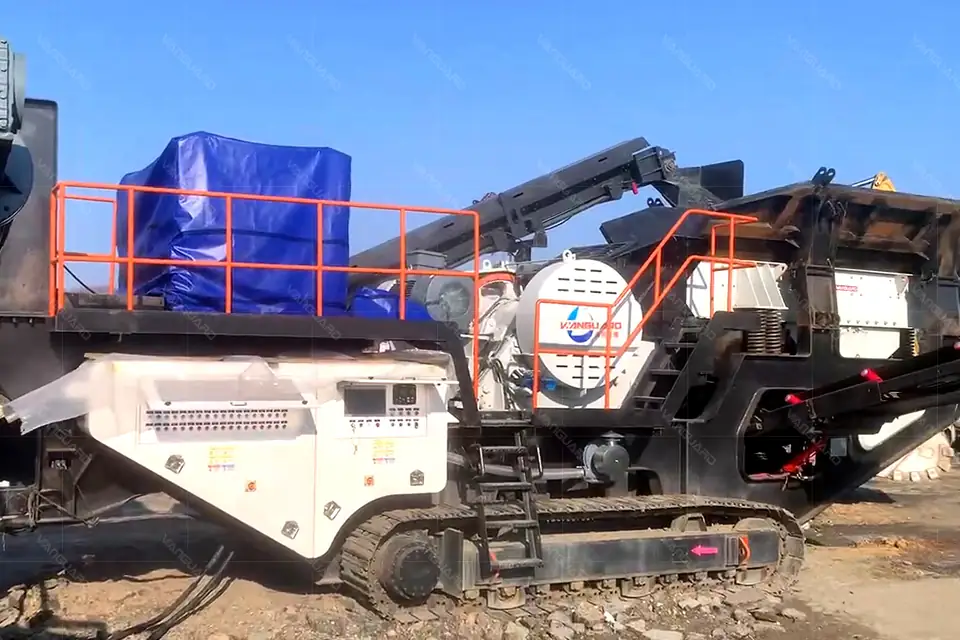
Executive SummaryA mobile jaw crusher is simply a jaw crusher set on a crawler chassis: the crushing principle is still the jaw's — the moving jaw hangs on an eccentric shaft and swings, squeezing rock against the fixed jaw. Each shaft revolution, the moving jaw pinches the rock as it closes, then opens and lets the crushed material drop. The crawler only handles mobility. So "mobile" changes the transport, "jaw" changes the crushing. Below we go straight into how the machine is built and how it...
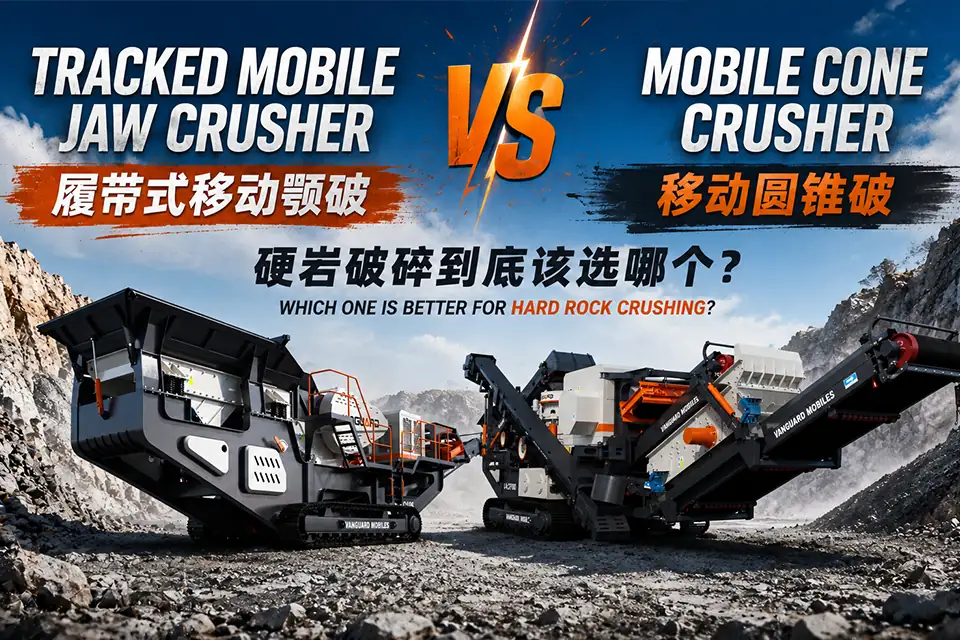
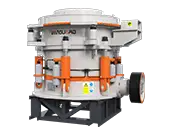
Expert OpinionA crawler mobile jaw and a crawler mobile cone are both workhorses on the crawler line, but they do different jobs: the jaw owns primary crushing and eats big run-of-mine feed (up to 800 mm); the cone owns secondary and tertiary and presses the jaw's output into well-shaped aggregate. The jaw and cone mechanisms are covered in our beginner guide and technical deep-dive - this article goes straight to the numbers.The crawler mobile jaw handles primary crushing - big feed, hard rock,...
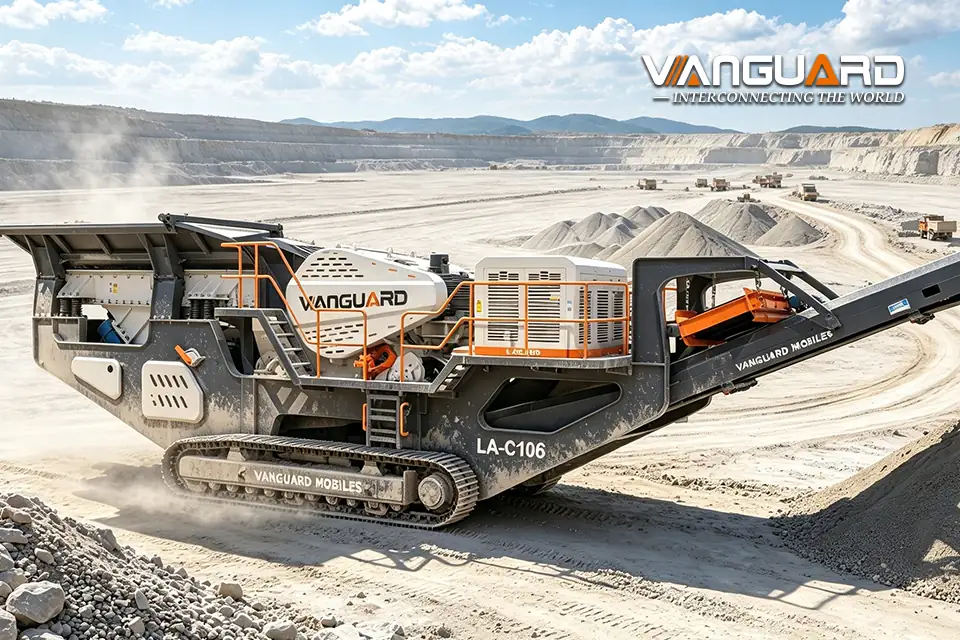
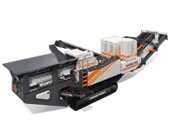
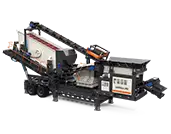
Key TakeawaysGranite runs Mohs 6-7, hard, abrasive and high in silica, so primary crushing has to be a jaw to take the punishment. On mobile sites the crawler mobile jaw (the crawler mobile jaw family) leads — it rides on tracks with a low center, walks itself in and needs no setup, which suits the rough ground of granite quarries. Paved sites that mostly use highways can run a tire mobile jaw (VP series) that levels and secures on arrival. Behind it, a crawler cone secondary (cone outlasts impa...
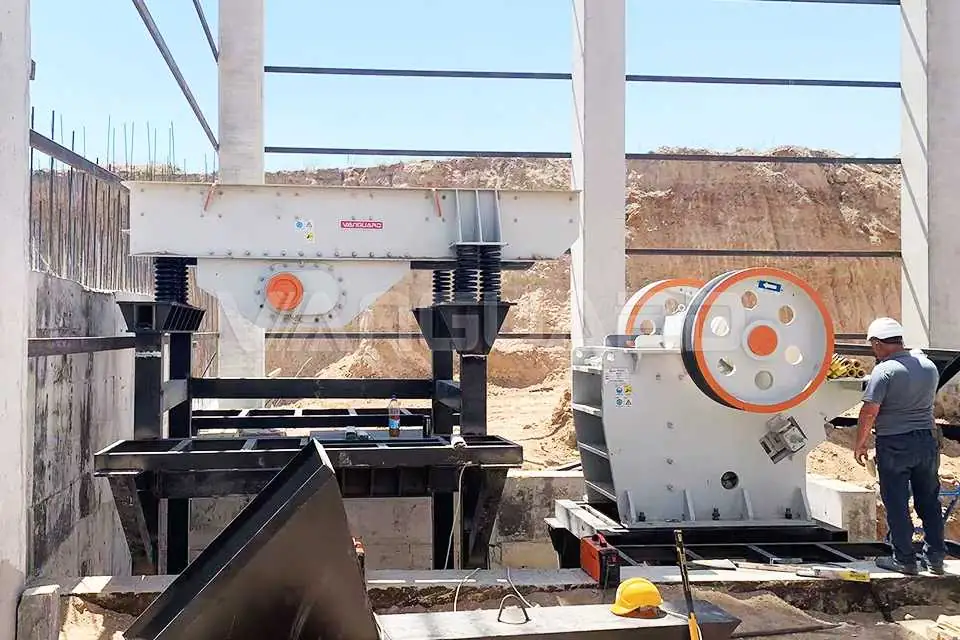
Project BackgroundA fixed crushing plant in West Java, Indonesia, processes limestone from a local quarry. The owner runs one stationary line rated at 300 tons per hour, making four sizes - 0-5, 5-10, 10-20 and 20-30 mm - for nearby cement plants and road construction. The feed is quarried limestone: Mohs 3-4, medium-hard, low-abrasion, high in CaCO3, with a little surface mud. The line follows the classic limestone circuit: feed - pre-screen - jaw - impact - screen - closed-circuit return. Belo...

Field ExperienceLast month at Jakarta's main port, three tracked mobile plants from China were being loaded onto a barge. A cement plant supervisor nearby said their third line goes online this year and they are short on aggregate. It is not a one-off — limestone crushing equipment procurement across Southeast Asia has clearly heated up over the past two years. The demand did not appear from nowhere; here is the chain behind it.Market overview: why limestone became the region's hard currencyLime...
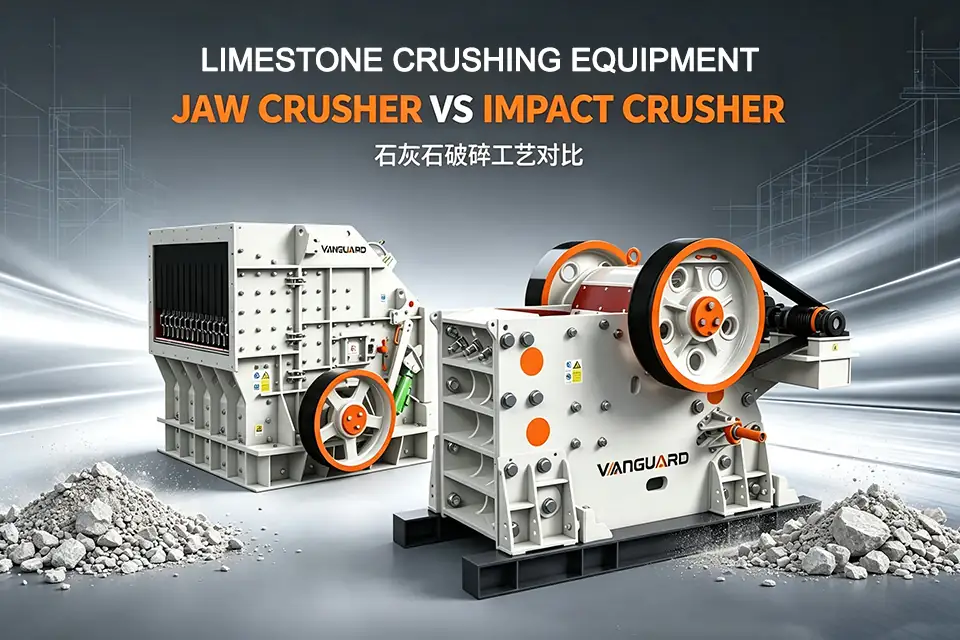
Expert OpinionLimestone runs Mohs 3-4, medium-hard and low-abrasive, so both machines handle it - but they sit at different spots in the line. The jaw crusher owns primary crushing: it eats 500-1000 mm feed by squeeze, shrugs off hard rock, stays cheap and easy to maintain, and pushes high tonnage. The impact crusher owns secondary shaping: it throws material against impact plates, so product comes out cubical with tight gradation. Trade-off - blow bars wear faster (though far better on limeston...
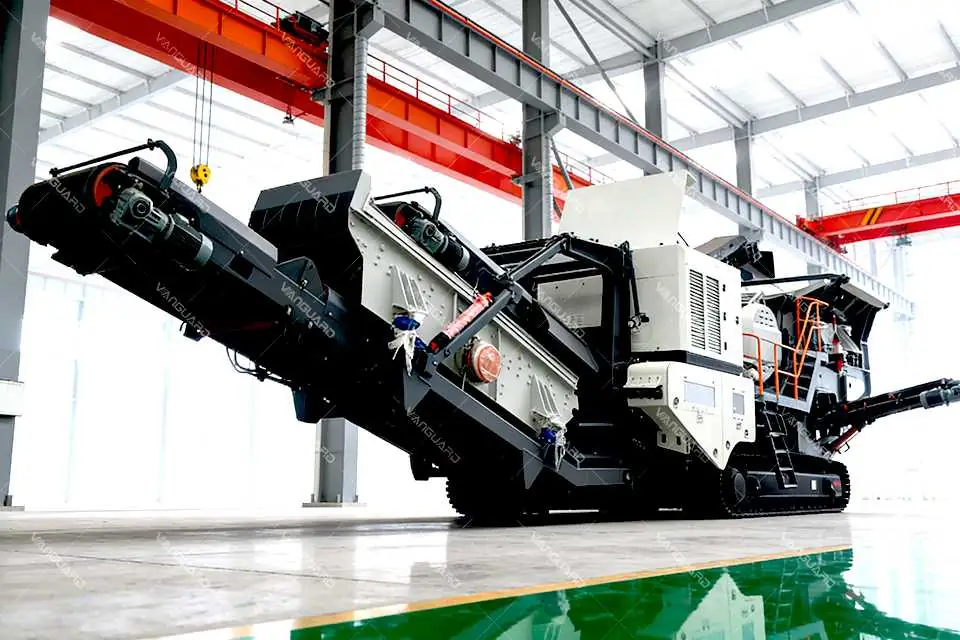
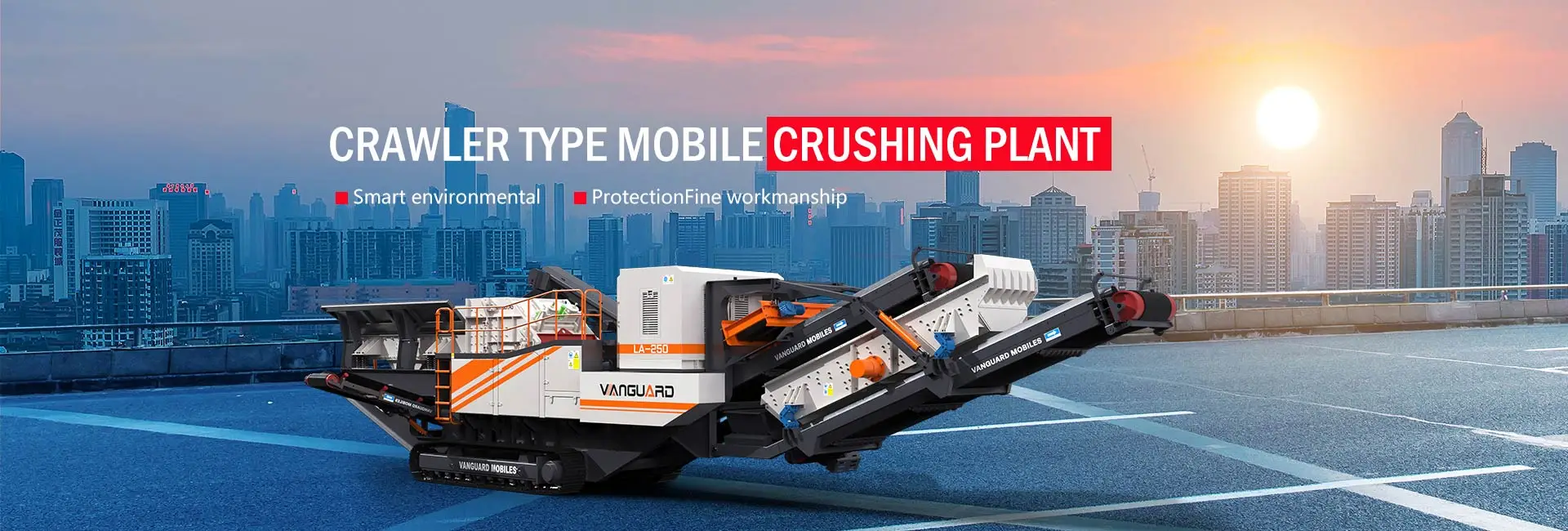
Key TakeawaysA crawler type mobile jaw crushing plant (the crawler mobile jaw family) puts a jaw crusher on a tracked chassis. The wide track footprint and low center of gravity keep it stable on its own — it drives itself onto site, needs no setup, and pours no foundation. That makes it the first pick for rough ground and sites that move often: quarries, mine development, road building, and demolition stone. Pick by three questions: how often do you move, how big is the feed, and what tonnage d...
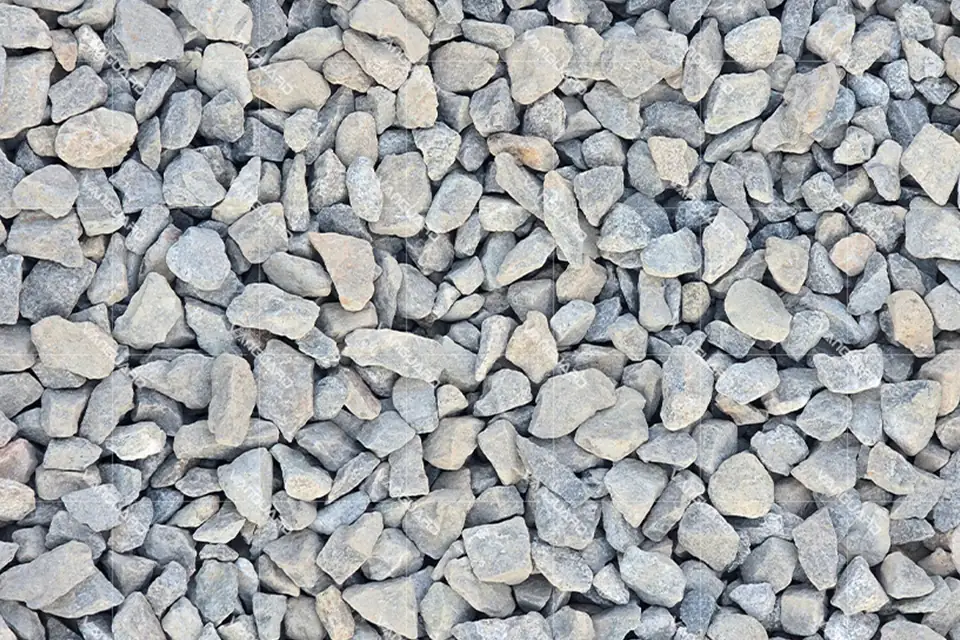
Executive SummaryBefore you start any limestone plant, the first job isn't switching on the crushers — it's figuring out what your rock actually behaves like. We've walked onto sites where the spec sheet says "limestone" but half the pit is mud and the other half is greywacke, and the standard flow sheet just chokes on it. So let's pin down the material first, then build up primary, secondary, tertiary and screening stage by stage, with the numbers you actually tune in the field.1. What kind of ...
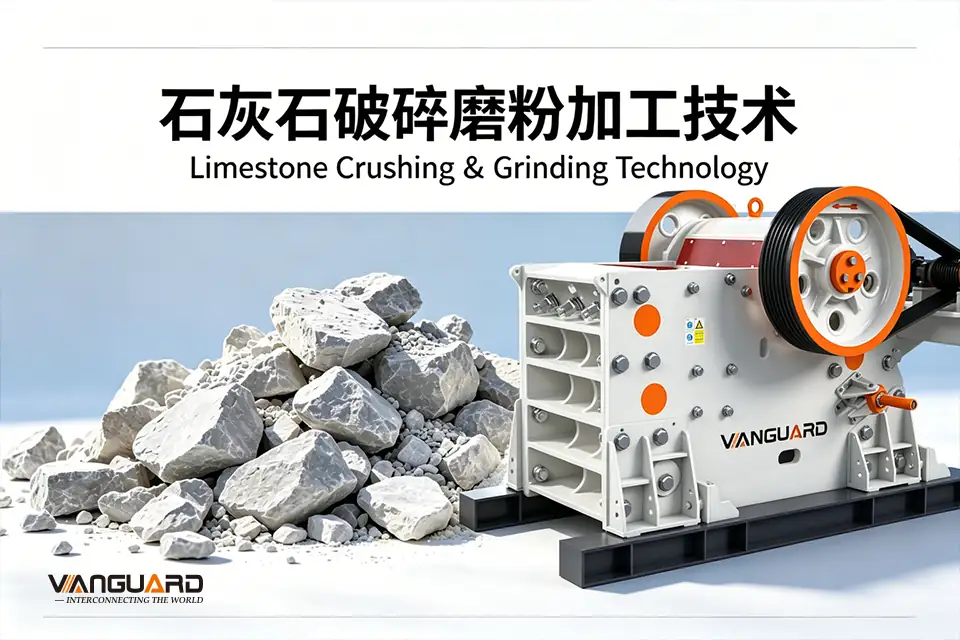
Quick AnswerLimestone runs Mohs 3-4, medium-hard and low-abrasion, so it behaves nothing like river pebble. You can run impact or hammer crushers here without burning through wear parts - that is the big difference. Small jobs save money with a heavy hammer crusher that does primary and secondary in one pass. Bigger operations go jaw primary plus impact secondary for cube shape, then add a cone in closed circuit when gradation has to be tight. Power source, feed size, and tonnage decide the rest...
Thank you for your interest in Vanguard Machinery. If you want to know more about our crushers and industrial grinding equipment.
Contact us now to find out what we can do for you!