

Quick Answer
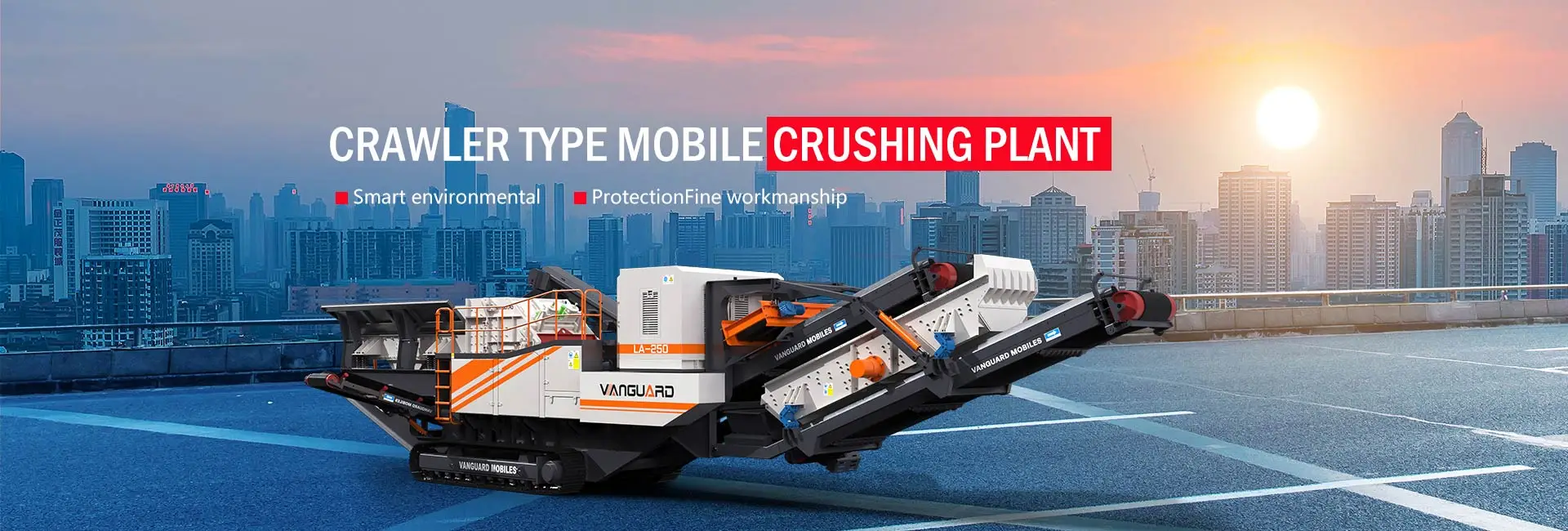
Construction waste isn't one "ore" — it's a mixed pile: concrete, brick, mortar, with rebar, wood and plastic mixed in. So you don't size the equipment by hardness; you size it by how much rebar and how much dirt is in the pile. The setup we reach for most often: a jaw up front (takes big lumps, doesn't care about rebar), an impact crusher for the mid and fine stage (concrete breaks into good cubical recycled aggregate), and a magnetic separator in between to pull the rebar out. If the sites are scattered, take a mobile plant (wheel-mounted VP / tracked LA) to the job instead of hauling waste across town. In short: construction waste wants the jaw + impact + magnet line — don't force a cone crusher through rebar-laced concrete.
Key Takeaways
- ✔ Construction waste is a mix; pick equipment by rebar content and dirt content, not by hardness alone - ✔ Jaw for primary (handles big lumps, tolerates rebar); impact for mid/fine (good cubical recycled aggregate) - ✔ A magnetic separator is mandatory, not optional — rebar in the chamber shatters blow bars and is dangerous - ✔ High dirt content? Pre-screen and wash first, or the product stays powdery and won't sell - ✔ Scattered sites? Go mobile (VP wheel / LA tracked); centralised feed justifies a fixed line
Why construction waste is awkward
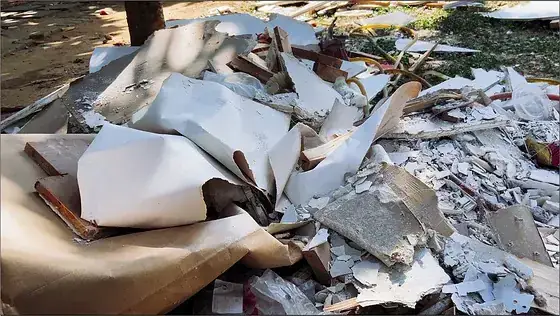
Concrete, brick, mortar, tile all come mixed, plus rebar, wood, plastic, paper. Unlike a single mine ore, every truck can be different. So you don't spec the plant like hard rock — you think by "contaminants", not "hardness".
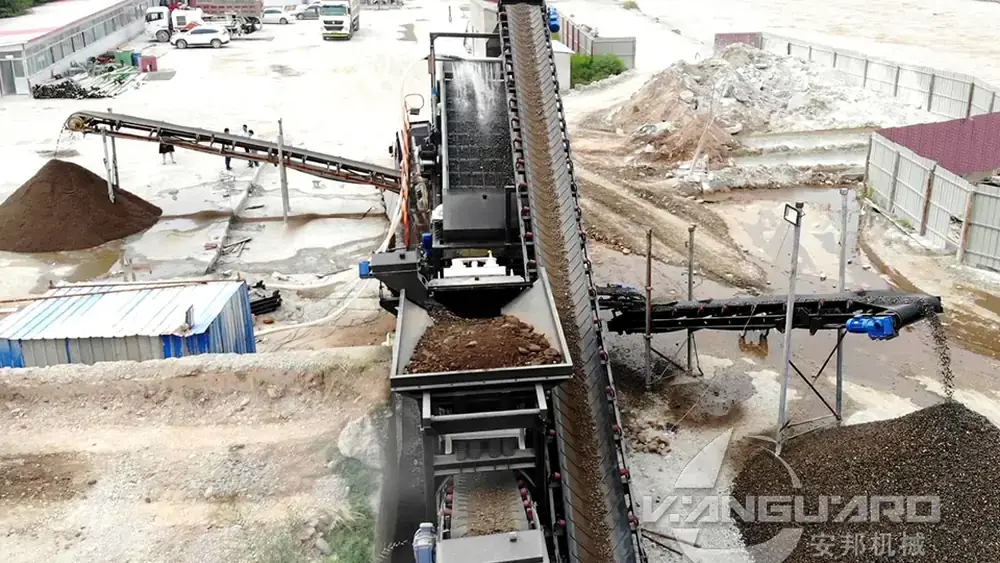
Rebar rate decides whether you dare use an impact crusher and how strong the magnet must be. Dirt rate decides whether you pre-screen and wash. Hardness is secondary — concrete is only 20-40 MPa, far softer than granite. Abrasion comes from the original aggregate: if it's granite-type recycled feed, wear climbs.
Demolition material is mostly dry, but add soil or crusher dust and screens clog. In our experience a clogged screen almost always points at dirt and de-sliming first — not at the crusher.
Types of construction waste
Each feed needs different equipment; get it wrong and you waste the run.
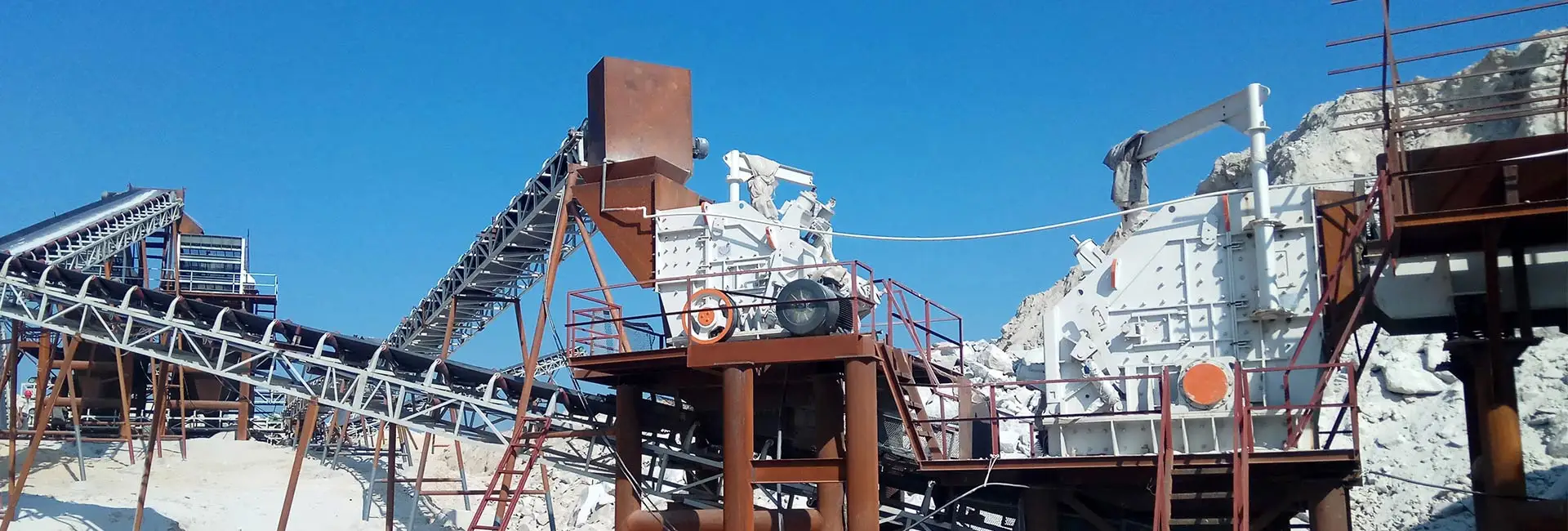
Main train: jaw primary + magnet + impact mid/fine. With lots of rebar, the magnet pulls it after primary so it never reaches the impact chamber.
Brick is softer than concrete, so a heavy hammer crusher (PCZ) can do it in one pass; light rebar still needs the magnet. Tight budget, clean feed — this saves a machine.
Asphalt needs "unlocking", not shattering; an impact crusher fits, often with cold recycling to re-mix the old asphalt layer.
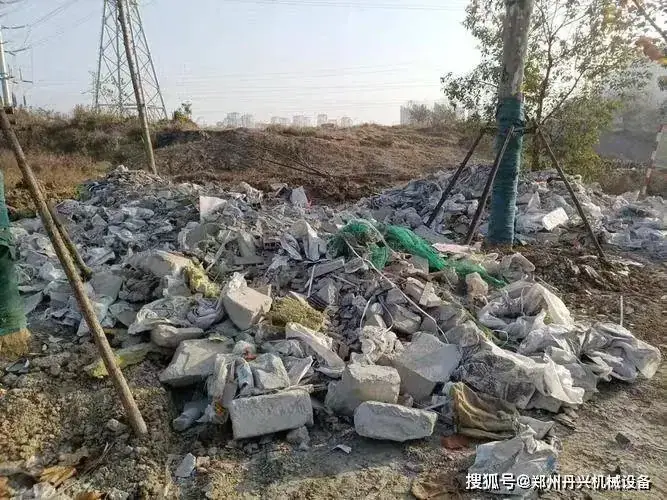
Heavy contaminants — pre-sort / air-classify / trommel first, then crush, or the contaminant rate never drops and the product won't sell.
Best crusher for each type
A table makes it plain.
| Feed type | Recommended equipment | Why |
| Demolition concrete (rebar) | Jaw primary + magnet + impact mid/fine (mobile optional) | Jaw takes lumps and rebar; impact gives good aggregate shape; magnet mandatory |
| Brick / masonry | Jaw or heavy hammer (PCZ) + screen | Brick soft; hammer one-pass cheaper; light rebar still magnetised |
| Asphalt millings | Impact crusher (cold-recycle) | Asphalt unlocks, not shatters; impact fits |
| Renovation waste (wood/plastic) | Pre-clean (air/trommel) → jaw/impact → screen | High contaminants must be removed first |
Typical process
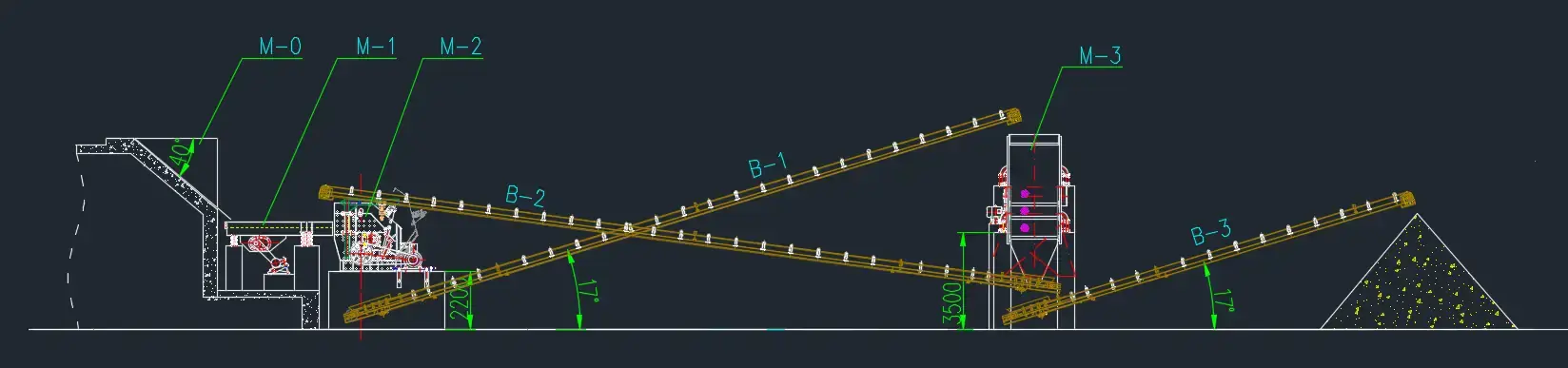
Feed (ZSW vibrating feeder with grizzly pre-screen to drop dirt) → jaw primary → magnetic separator pulls rebar → impact mid/fine → vibrating screen (0-5 / 5-10 / 10-20 / 20-31.5 mm) → oversize closed-circuit back to crusher → product. High dirt: add sand wash (XSD/LSX) after pre-screen.
Raw C&D → ZSW pre-screen de-dirt → jaw primary → magnet → impact mid/fine → screen → product (oversize recycled); high dirt adds wash.
Selection tips
City demolition commonly 100-300 t/h; central recycling plants hit 500 t/h. Size to the project, don't reverse-engineer from the machine's max.
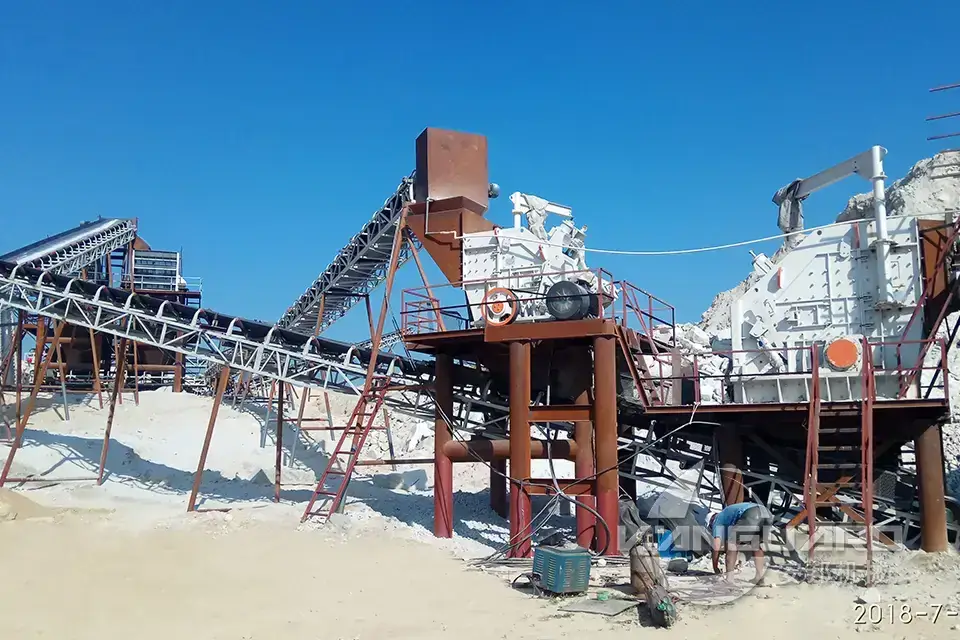
Mobile costs more up front but saves haulage and moves fast; a fixed line is cheaper per ton but only where feed is central and steady. Add the "haul waste to the fixed plant" line into the total cost.
Impact blow bars are the #1 consumable — watch the change interval. Jaw cheek plates are durable. The magnet is nearly maintenance-free, but clear the caught steel on schedule or it piles back.
High rebar rate and granite-type hard feed → high wear; wood/plastic don't wear but clog screens. Wear and clogging are different problems — don't mix them up.
Mobile runs on diesel or shore power; a central plant on grid power is cheaper. If you can plug in, don't burn fuel.
| Project volume | Recommended configuration | Note |
| Small (single site, <100> | Combined mobile jaw+impact (VP / LA) or small fixed line | Fast move, low cost |
| Medium (city demolition, 100-300 t/h) | Mobile line: jaw + impact + magnet + screen; or fixed | Mainstream range |
| Large (central plant, >300 t/h) | Fixed line: feeder + jaw + impact + multi-deck screen + wash | Lowest cost per ton |
Common mistakes
Mistake 1: Run a cone crusher straight through rebar-laced concrete. Rebar bridges and tangles in the chamber, you stop constantly to clear it, and liners crack. Mistake 2: Skip the magnet. Rebar hits the impact chamber, shatters blow bars, and hurts people. Mistake 3: No pre-screen for dirt. Product stays powdery, fails recycled-aggregate spec, screens clog, output drops. Mistake 4: Fixed line on scattered sites. Relocation is brutal and the plant sits idle; C&D should move the equipment to the material. Mistake 5: Crush everything too fine. Over-crushing just adds powder, wear and power for nothing.
Lessons from the field
We've seen plenty of demolition lines, and they fail the same way — not because the crusher is wrong, but because the steps around it weren't connected.
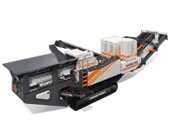
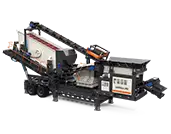
One city-demolition job in Southeast Asia ran a fixed line. Sites were scattered; in half a year it relocated three times and sat idle most of the time, and the recycled aggregate had to be hauled miles out. They switched to a wheel-mounted mobile impact plant (VPF series, with magnet + double-deck screen), took it straight to the site edge, processed roughly 200 t per shift of rebar concrete, and fed the nearby batching plant — halving haul cost.
Another domestic renovation-waste job had heavy wood/plastic/paper. They crushed straight away; contaminant rate sat above 15% and the product wouldn't sell. After adding a trommel pre-screen and air-classification, contaminant dropped below 3% and the aggregate finally met the national standard.
Honest caveat: a heavy hammer crusher (PCZ) in one pass saves a machine, but with lots of rebar the hammers shatter and the shaft takes the shock — it isn't universal. For granite-type hard recycled feed, or when you need high-grade aggregate, jaw + impact is still the safe call.
Selection checklist
1. How much rebar? Lots → jaw + strong magnet, skip the cone. 2. How much dirt/clay? High → pre-screen + wash (XSD/LSX). 3. How many contaminants (wood/plastic)? Many → pre-sort / air / trommel first. 4. Scattered or central sites? Scattered → mobile (VP / LA); central → fixed line. 5. What sizes? 0-5 / 5-10 / 10-20 / 20-31.5, set by use.
FAQ
Jaw primary + impact mid/fine + magnet is the safe line. Jaw takes the lumps and ignores rebar, impact makes the cubical aggregate, the magnet pulls the steel.
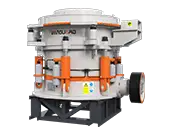
Recycled aggregate needs good shape; impact gives more cubes and sheds adhered mortar, which is exactly right. A cone tends to bridge on rebar and throws off flaky product — wrong for rebar feed.
Jaw for primary (rebar passes through, no tangle), then a magnet after primary to pull the steel, then impact. Never let rebar reach the impact or cone chamber.
Yes. Almost all C&D carries rebar; skip it and the steel shatters blow bars and causes accidents. It's a safety item, not an option.
Scattered, frequently moving sites → mobile (wheel VP / tracked LA); the equipment goes to the material. Central, steady feed → fixed line is cheaper per ton.
With little rebar and clean feed (pure masonry) it does the job in one pass and saves a machine. Lots of rebar shatters the hammers — not worth it.
Pre-screen the soil off at the feeder; sticky dirt adds sand wash (XSD/LSX). Skip pre-screening and the product stays powdery and won't sell.
Yes, but clean it first. Air-classification and trommel drop the wood/plastic before crushing, so the contaminant rate actually comes down.
Sub-base, stabilised base, low-grade concrete, brick feed — all of it. Right shape and low contaminants and it goes back in, saving fresh stone.
ZSW pre-screen de-dirt → jaw primary → magnet → impact mid/fine → vibrating screen (oversize recycled) → product; high dirt adds wash.
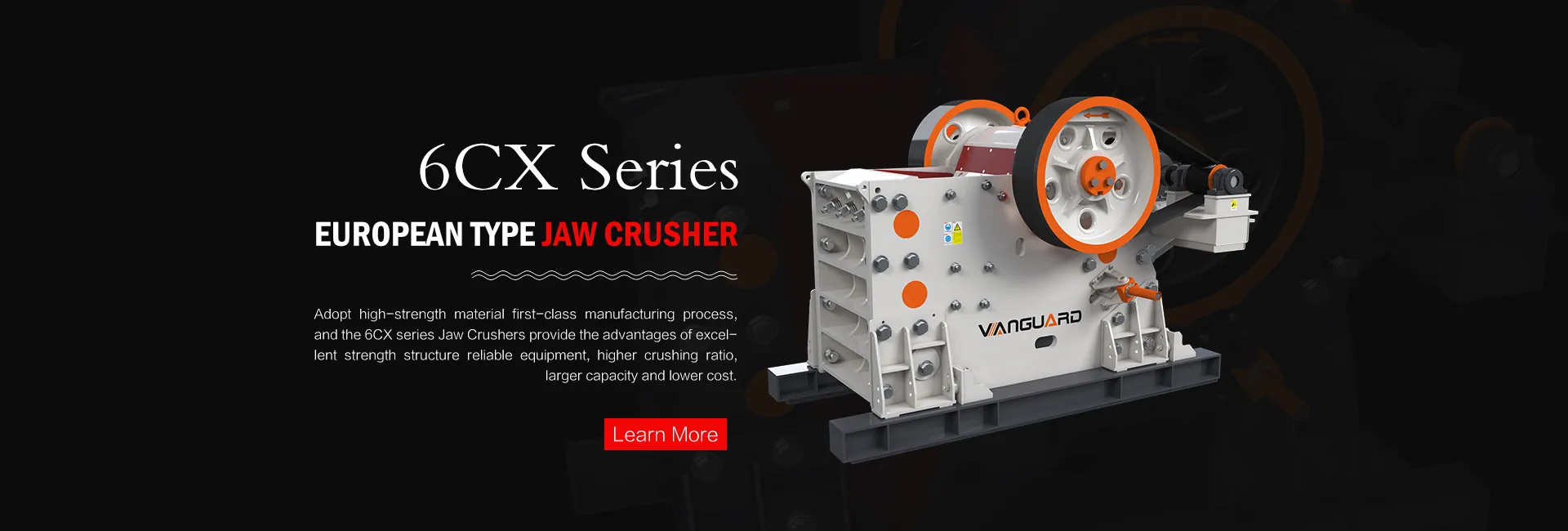
Jaw crushers (PE / 6CX series, or mobile VPE / C96), impact crushers (6FX / LF series, or mobile VPF / LA), magnetic separators, vibrating screens, ZSW feeders, sand washers XSD/LSX, and wheel-mounted VP / tracked LA mobile plants. Tell us your feed and tonnage and we spec the whole line.
By project volume. City demolition runs 100-300 t/h; central plants reach 500 t/h. Size to real feed, not the machine's ceiling.
By use: 20-31.5 for sub-base, 10-20 / 20-31.5 for base, 5-10 / 10-20 for concrete, 0-5 fines for brick or backfill. Multiple sizes sell better.
Fix feed (rebar / dirt / contaminants), tonnage and target sizes, then the machines. Practical tip: before you commit, send us a sample for a free analysis — on our side, one truck of material beats several rounds of "cone or impact" debate.
Conclusion
Construction waste wants the "jaw + impact + magnet" line. Jaw primary takes lumps and ignores rebar; impact mid/fine makes good cubical recycled aggregate; the magnet pulls the rebar out — get those three right and the product passes. High dirt → pre-screen and wash; high contaminants → clean first; scattered sites → mobile (VP wheel / LA tracked). If your demolition or renovation project needs a line, Vanguard Machinery specs it to your feed and tonnage — send us a sample for a free analysis and we'll set the machines and the sizes.




