Menu

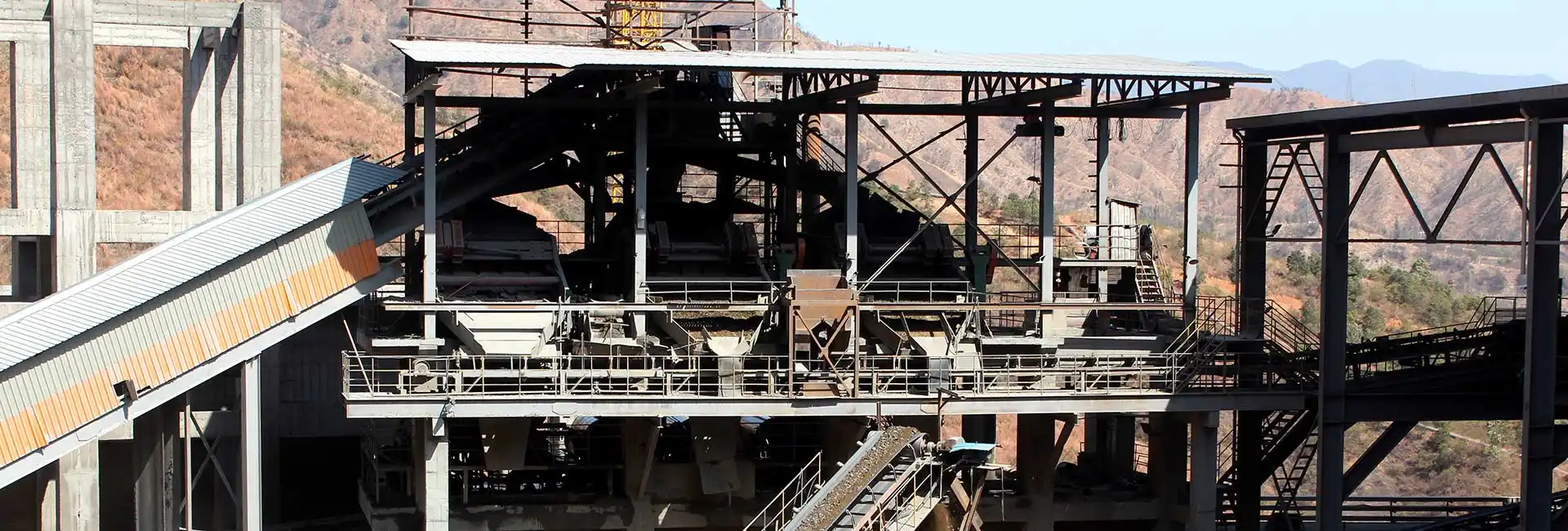
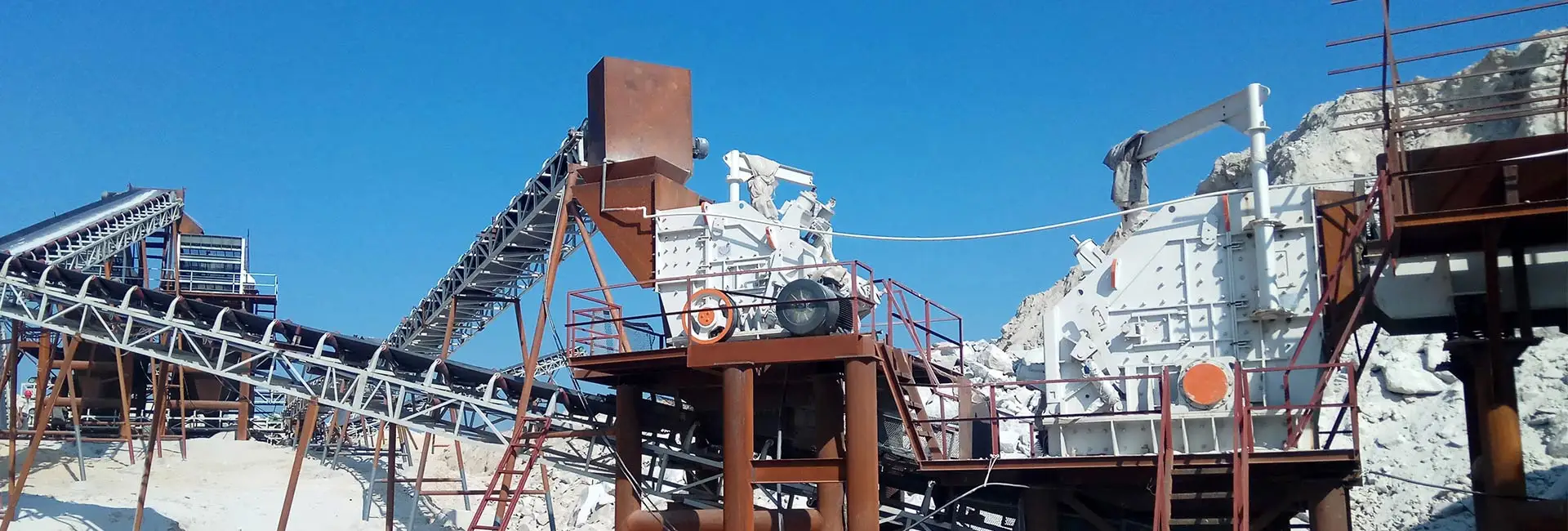
Project OverviewThis case is a 500 t/h andesite crushing line at a quarry on Java, Indonesia. Run-of-mine is hauled from the hilltop by mine trucks and dumped straight into the primary surge bin. The plant targets 500 tonnes per hour with four spec products — 0–5 mm, 5–10 mm, 10–20 mm and 20–30 mm — feeding surrounding highway projects and ready-mix plants. The line is stationary, fed from the municipal grid.In one line: ZSW600×130 feed → 6CX125 jaw primary → RCYD-12 tramp iron separator → surge...
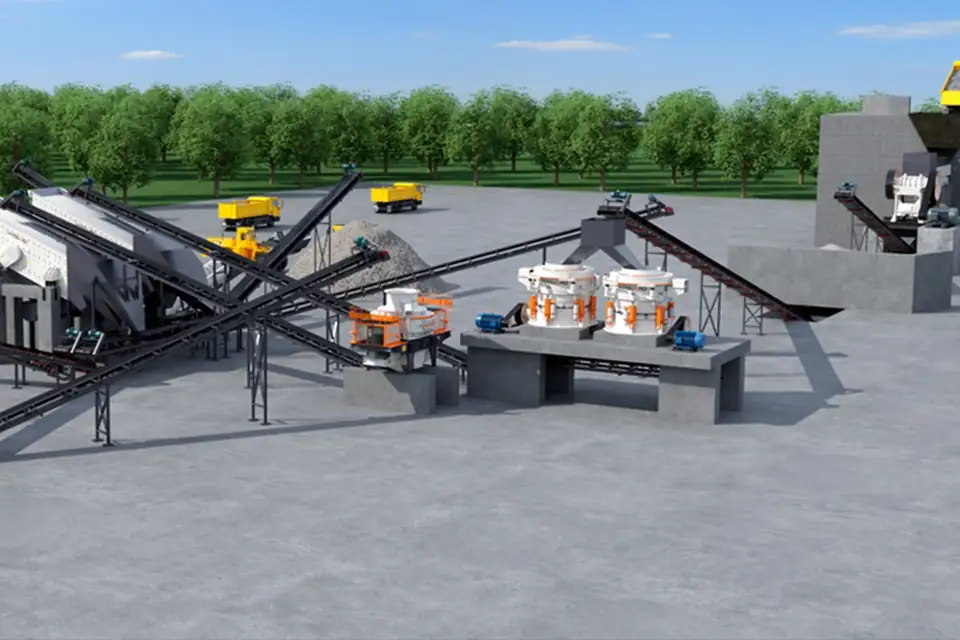
Key Takeaways- To build a 200 TPH crushing plant in Kazakhstan for hard rock (granite, basalt, gabbro), run jaw primary plus cone secondary with closed-circuit screening; add a VSI for cubical shape or manufactured sand.- Set three things before you fix the configuration: how hard is your feed, which size fractions you need, and whether the quarry is long-term fixed or phased and moving.- Kazakhstan winters hit minus 30°C, sites are remote and power is shaky, so mobile plants often beat fixed li...
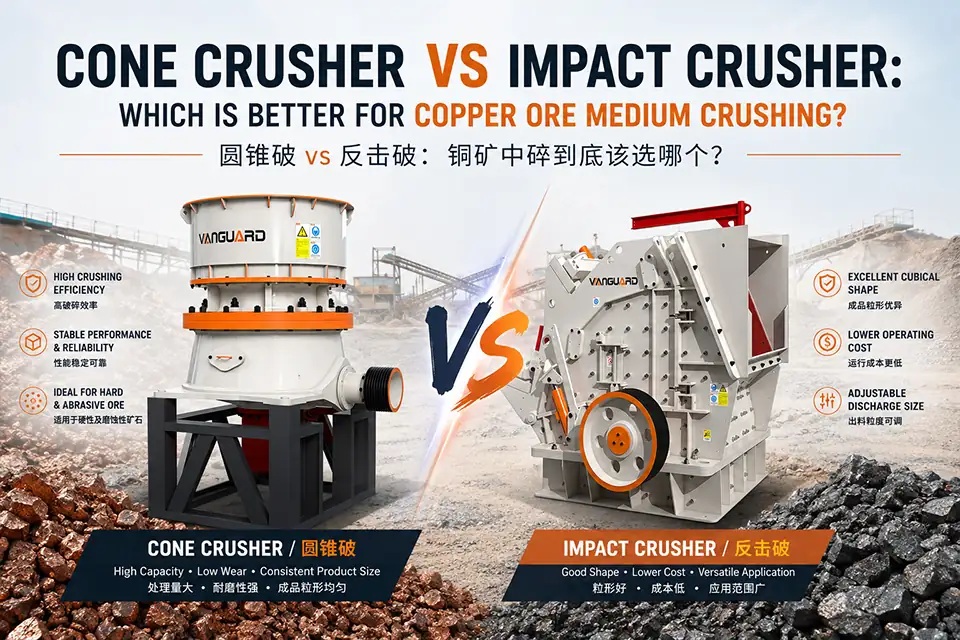
Expert OpinionFor high-silica, abrasive hard rock such as copper or iron ore, pick a cone crusher for medium and fine crushing: it crushes by lamination, wears slowly, holds shape, and keeps operating cost low over time. An impact crusher strikes with blow bars; it gives a prettier cube and a bit more sand, but on abrasive ore the bars wear fast and running cost climbs, so it suits limestone or demolition waste better. Rule of thumb: hard and abrasive goes cone; softer and shape-driven goes impa...
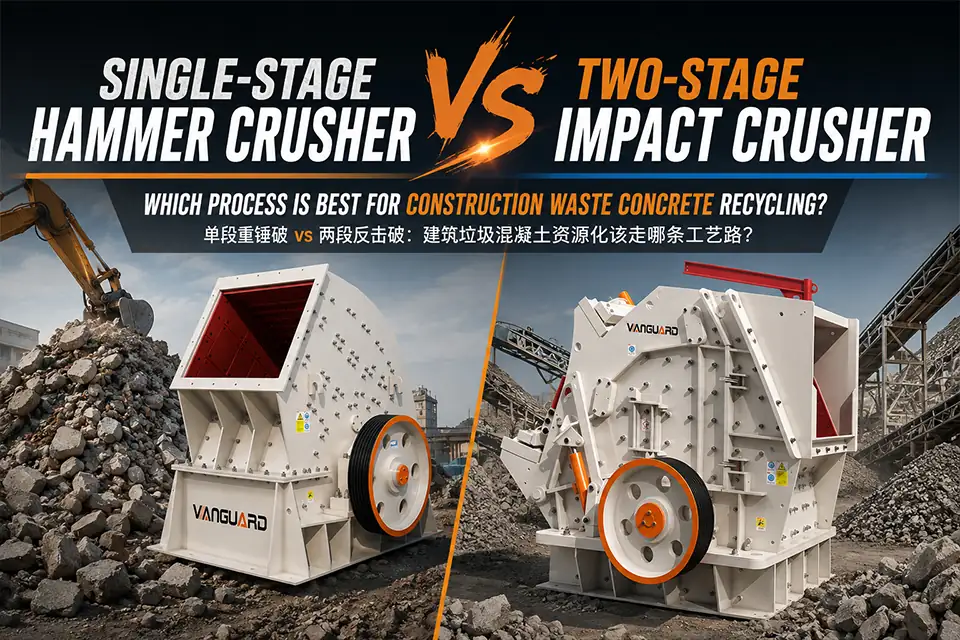
Expert OpinionConcrete recycling has two routes often weighed against each other. One is the single-stage hammer crusher: a single machine smashes oversize down to product in one pass, driving cost per ton very low, but it is essentially fixed or semi-fixed and needs big steady volume. The other is the two-stage Crawler Type Mobile Impact Crushing Plant: a jaw or single impact takes the oversize, then impact shaping closes the circuit; the machine drives onto the demolition site, makes cubic agg...
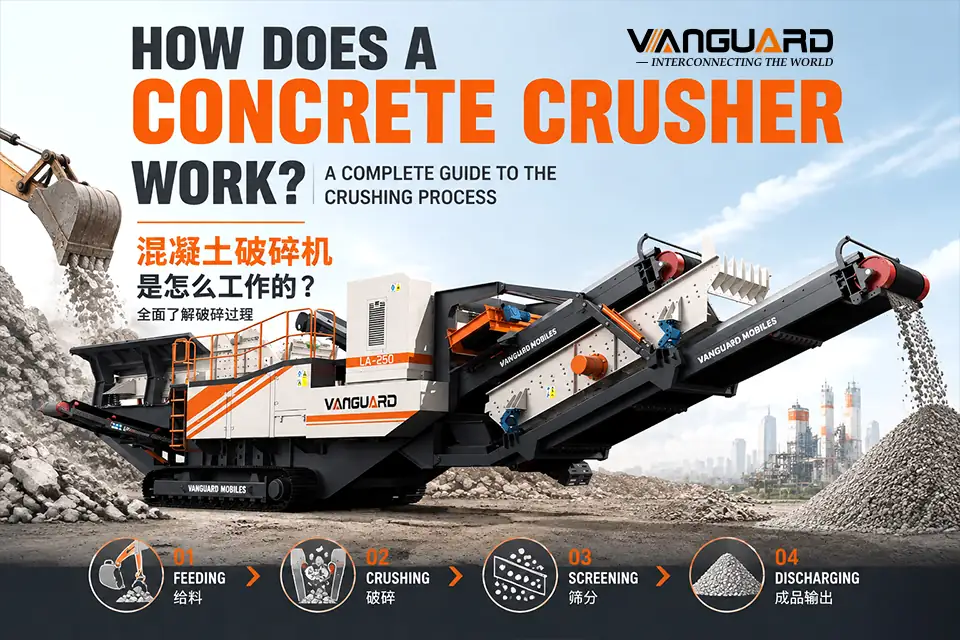
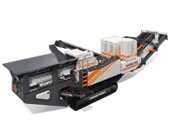
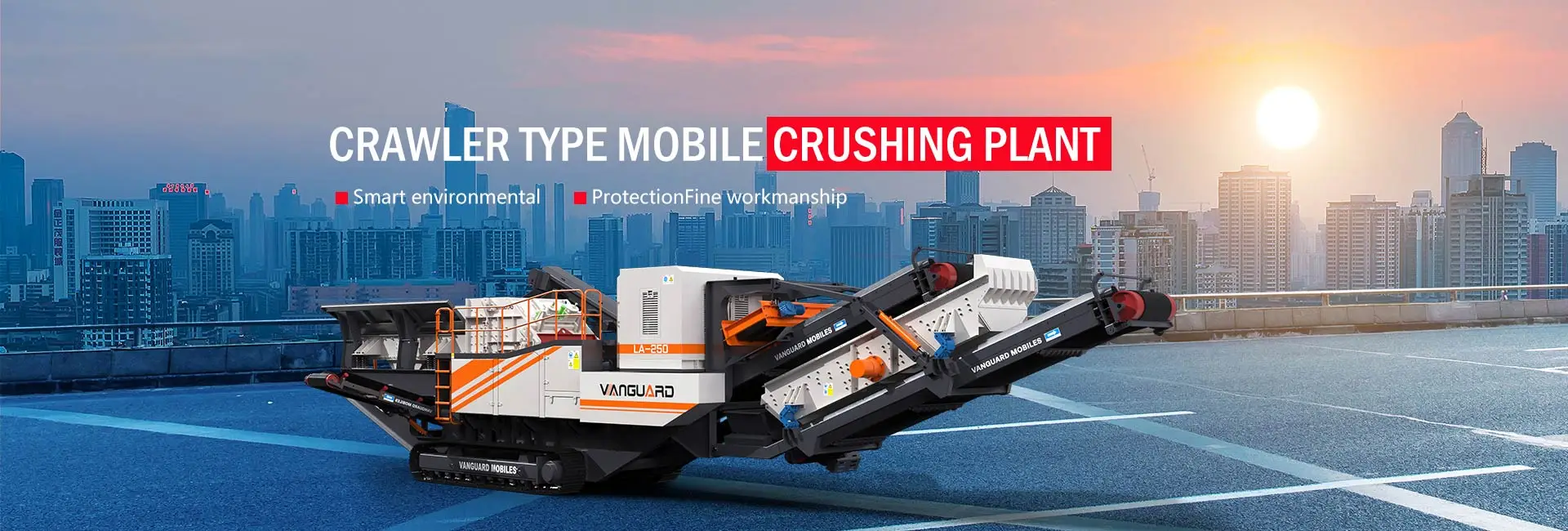
Executive SummaryA Crawler Type Mobile Impact Crushing Plant breaks concrete by "striking," not "squeezing": the rotor carries blow bars at high speed and slams the concrete block against the impact apron, shattering it along its own cracks and at the rebar interface. This is especially friendly to rebar-laden demolition — the rebar is not jammed, it flips out with the rotor and a magnet collects it; the product stays cubical with few flats, fit for recycled aggregate. The crawler chassis only h...
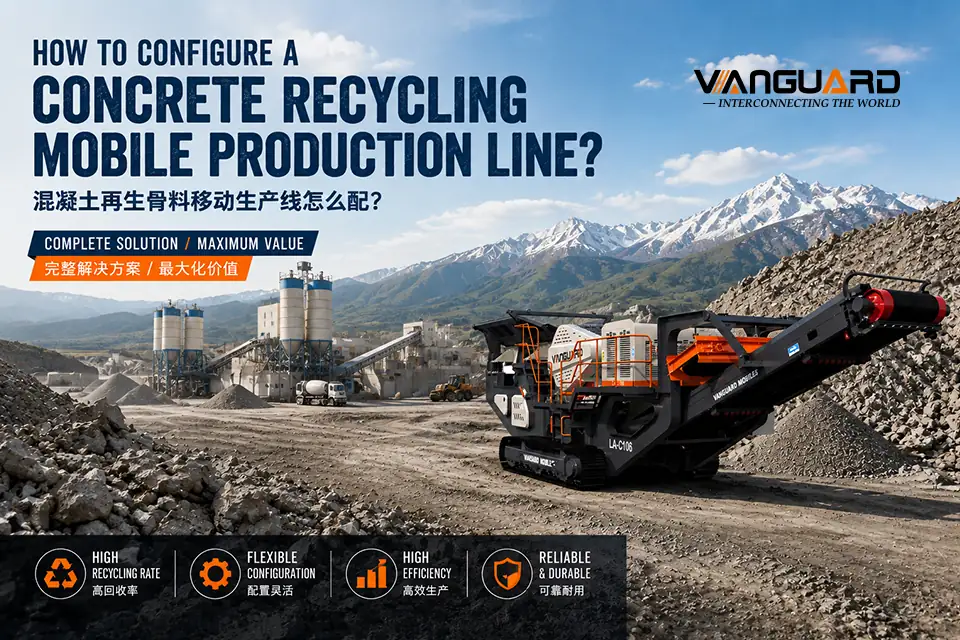
Key TakeawaysOn-site concrete recycling is less about which machine you buy and more about who ends up buying your material. Fill, road base, and spec concrete each demand a different gradation, cleanliness, and shape, so the configuration changes with the sale. Lock the end-use first, then the gradation, then work back to the equipment. Mobile impact crushers with closed-circuit screening fit scattered demolition; fixed hammer crusher lines fit steady county-scale volume. The decision tree and ...
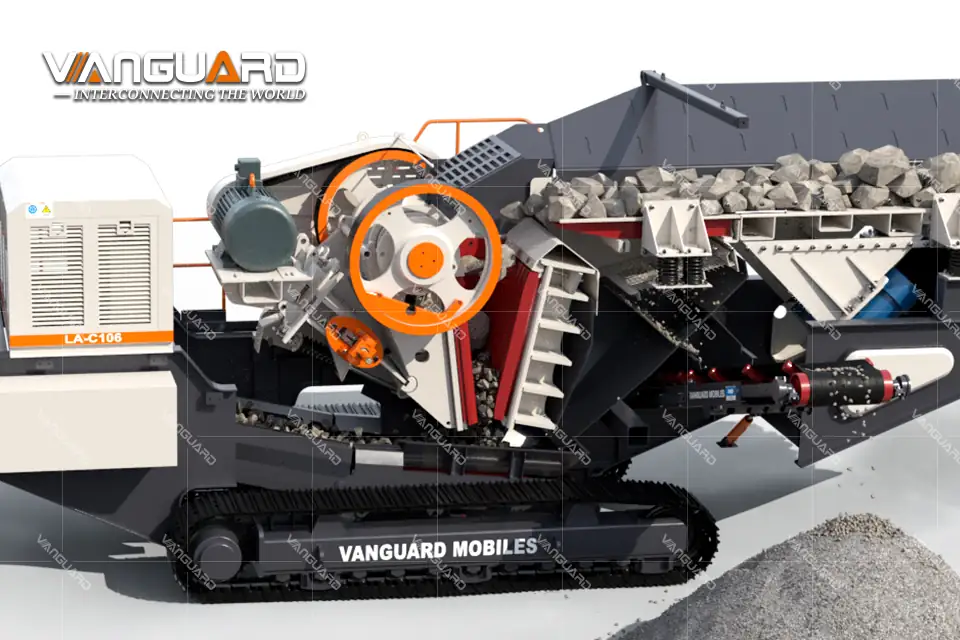
Executive SummaryA mobile jaw crusher is simply a jaw crusher set on a crawler chassis: the crushing principle is still the jaw's — the moving jaw hangs on an eccentric shaft and swings, squeezing rock against the fixed jaw. Each shaft revolution, the moving jaw pinches the rock as it closes, then opens and lets the crushed material drop. The crawler only handles mobility. So "mobile" changes the transport, "jaw" changes the crushing. Below we go straight into how the machine is built and how it...
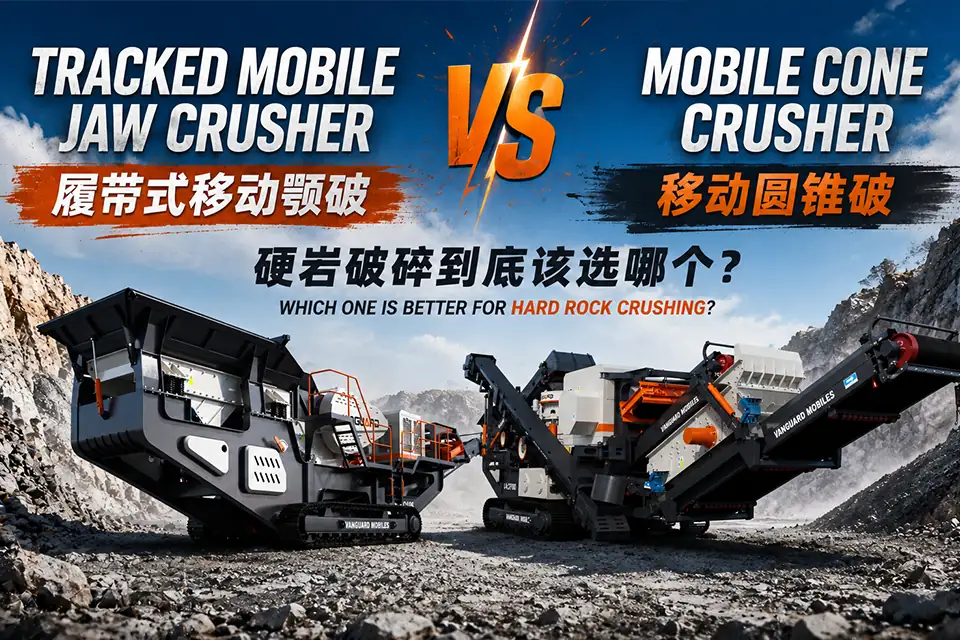
Expert OpinionA crawler mobile jaw and a crawler mobile cone are both workhorses on the crawler line, but they do different jobs: the jaw owns primary crushing and eats big run-of-mine feed (up to 800 mm); the cone owns secondary and tertiary and presses the jaw's output into well-shaped aggregate. The jaw and cone mechanisms are covered in our beginner guide and technical deep-dive - this article goes straight to the numbers.The crawler mobile jaw handles primary crushing - big feed, hard rock,...
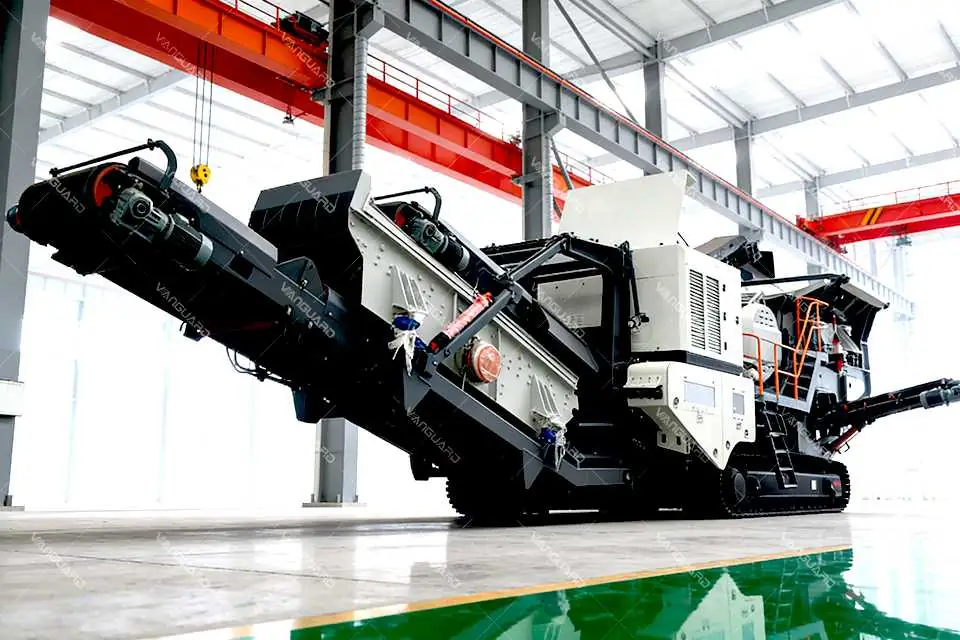
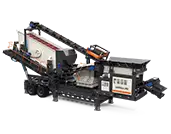
Key TakeawaysA crawler type mobile jaw crushing plant (the crawler mobile jaw family) puts a jaw crusher on a tracked chassis. The wide track footprint and low center of gravity keep it stable on its own — it drives itself onto site, needs no setup, and pours no foundation. That makes it the first pick for rough ground and sites that move often: quarries, mine development, road building, and demolition stone. Pick by three questions: how often do you move, how big is the feed, and what tonnage d...
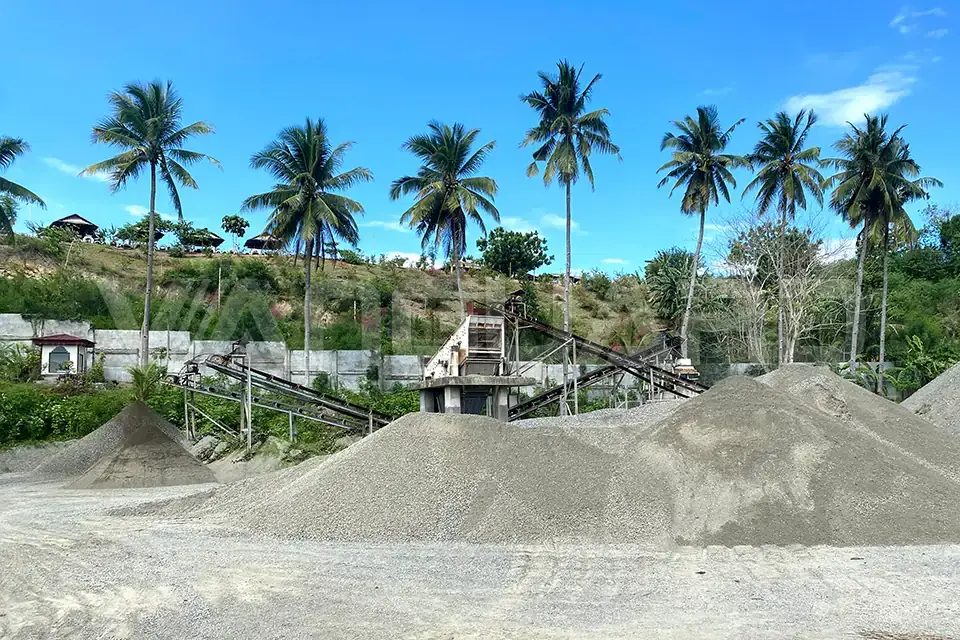
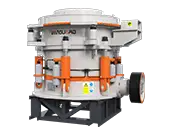
Quick AnswerMost Philippine quarries run on andesite, basalt, granite and limestone — medium-to-hard, abrasive volcanic and metamorphic rock. For that, a hydraulic cone crusher is the safe, low-wear workhorse for secondary and tertiary crushing. The best single pick for a general quarry is the single-cylinder hydraulic cone (CS·CH): simple to maintain, steady product shape, reliable continuous running. Step up to the multi-cylinder (CP) when you need high tonnage and the tightest gradation; choo...
Thank you for your interest in Vanguard Machinery. If you want to know more about our crushers and industrial grinding equipment.
Contact us now to find out what we can do for you!