Menu

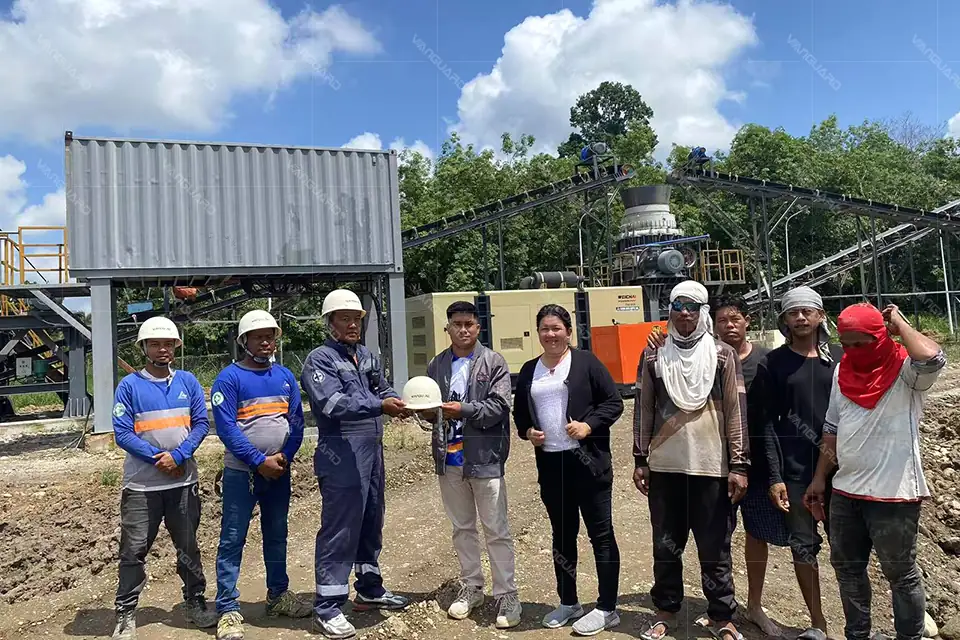
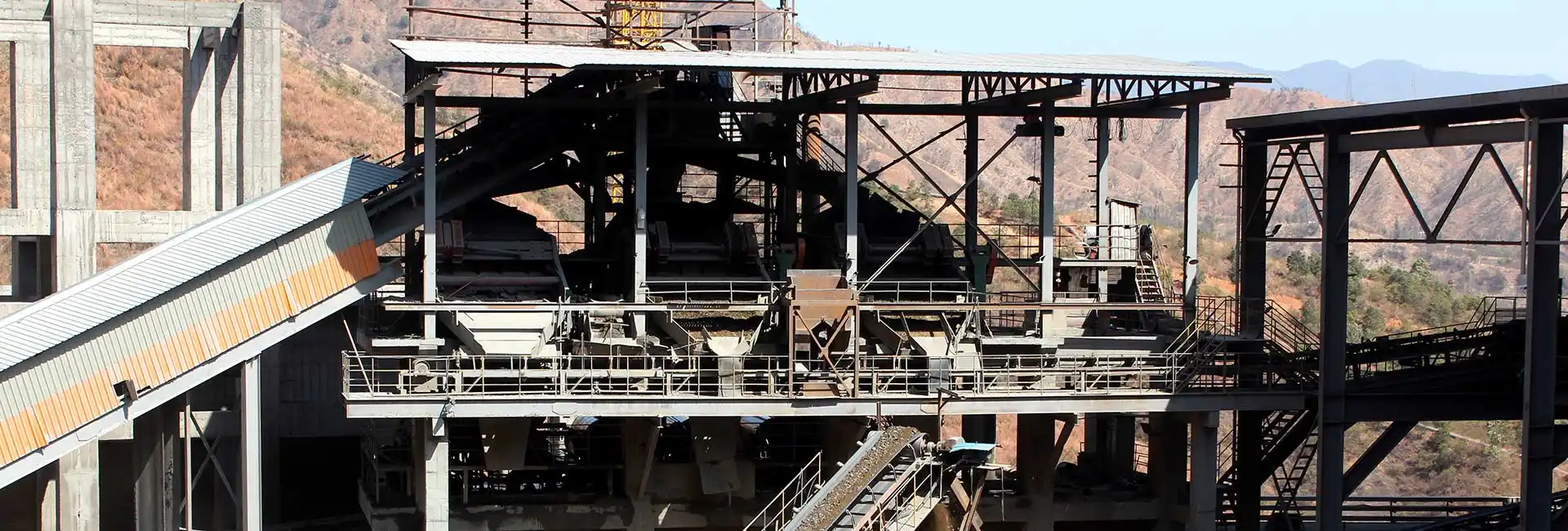
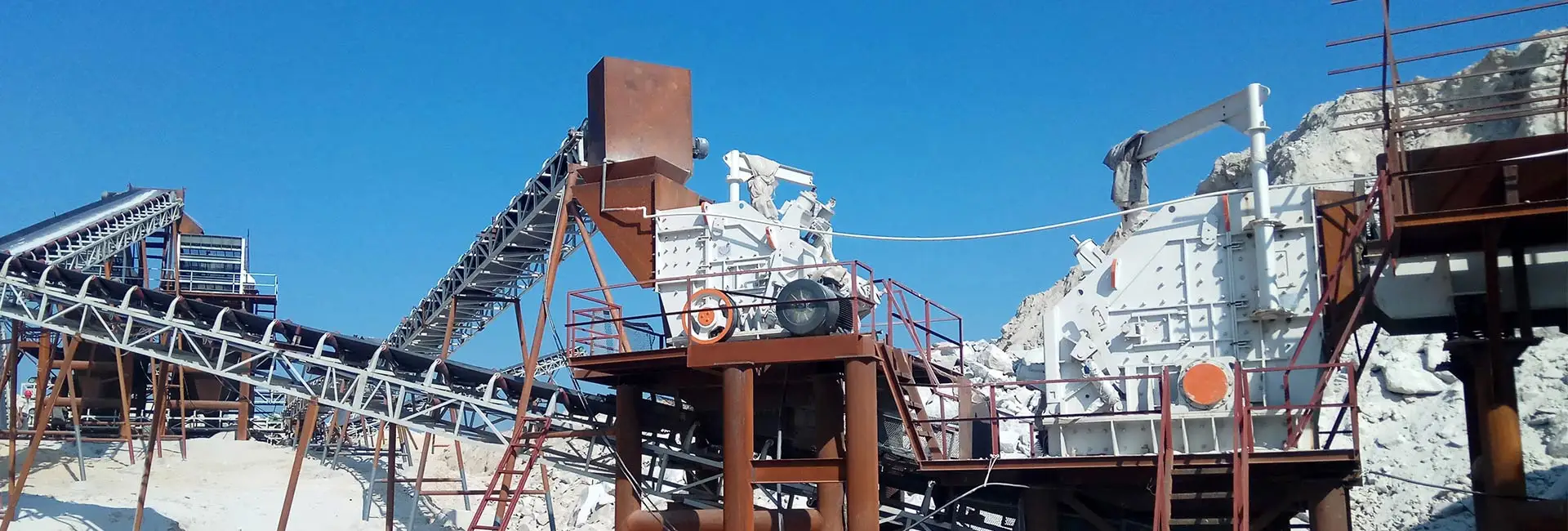
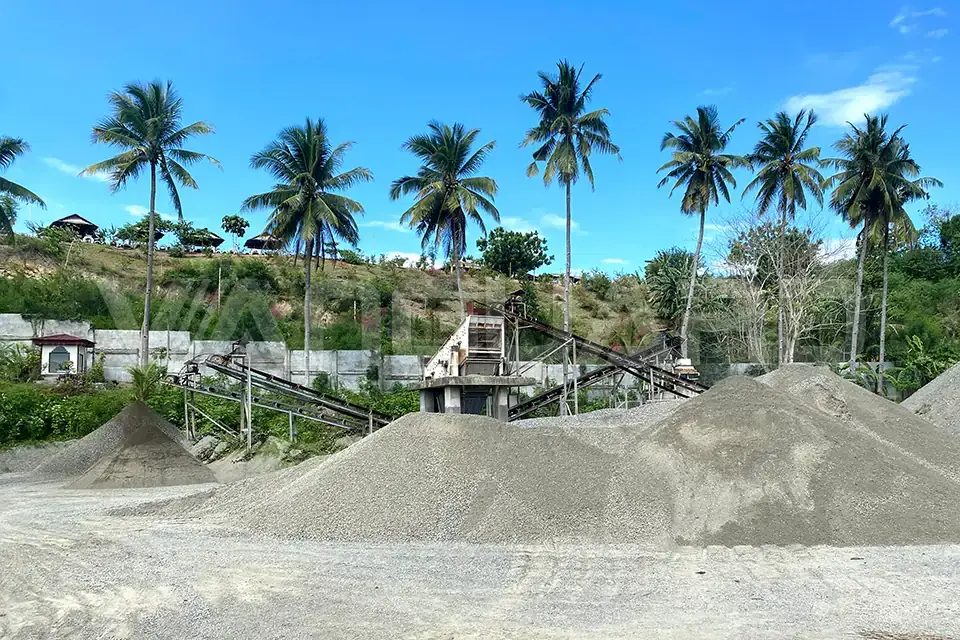
Project OverviewA fixed crushing plant in the Philippines processes river stone - rounded pebbles worn smooth by river transport. The owner needed one stationary line rated at 150 tons per hour, producing three aggregate sizes, 5-10 mm, 10-20 mm and 20-30 mm, for local infrastructure and ready-mix concrete. River pebble is hard, high in silica and abrasive with a rounded shape, so the line is built on the classic river-stone circuit: feed - pre-screen - jaw - cone - screen - closed-circuit retur...
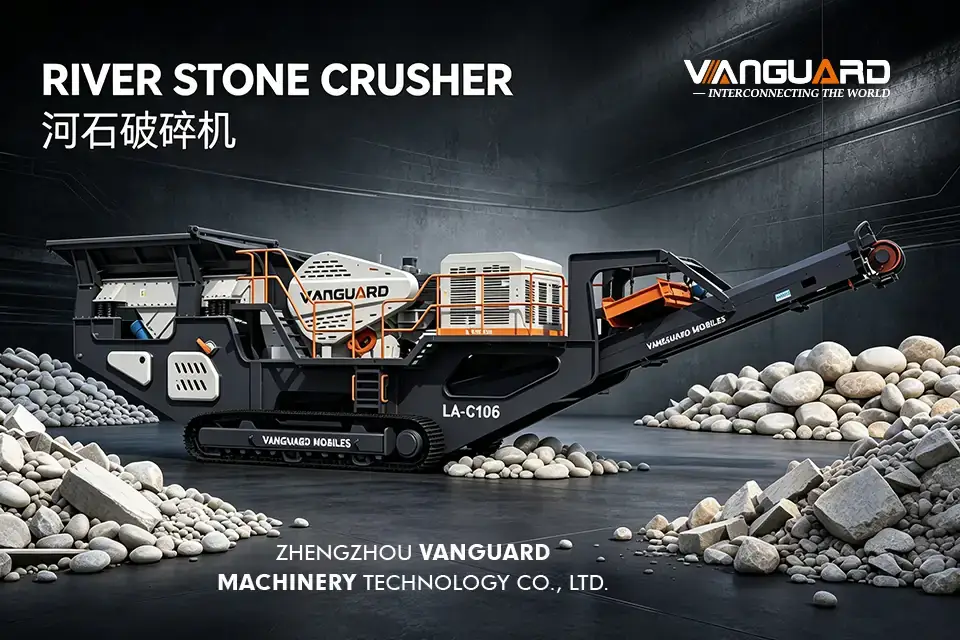
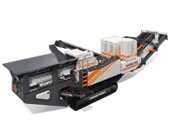
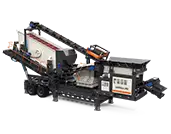
Quick AnswerRiver stone (river pebble) is hard, quartz-rich and abrasive, with a rounded shape that is tough on crusher wear parts. That rules out impact crushers as the workhorse — their blow bars burn through on high-silica rock. The mobile configuration that actually pays off is jaw plus cone, with a sand making machine added only when you also make sand. Pick the chassis by the site: tire-mounted for road-linked moves between jobs, crawler for rough riverbank or in-pit ground, stationary lin...
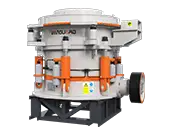
Quick AnswerMost Philippine quarries run on andesite, basalt, granite and limestone — medium-to-hard, abrasive volcanic and metamorphic rock. For that, a hydraulic cone crusher is the safe, low-wear workhorse for secondary and tertiary crushing. The best single pick for a general quarry is the single-cylinder hydraulic cone (CS·CH): simple to maintain, steady product shape, reliable continuous running. Step up to the multi-cylinder (CP) when you need high tonnage and the tightest gradation; choo...
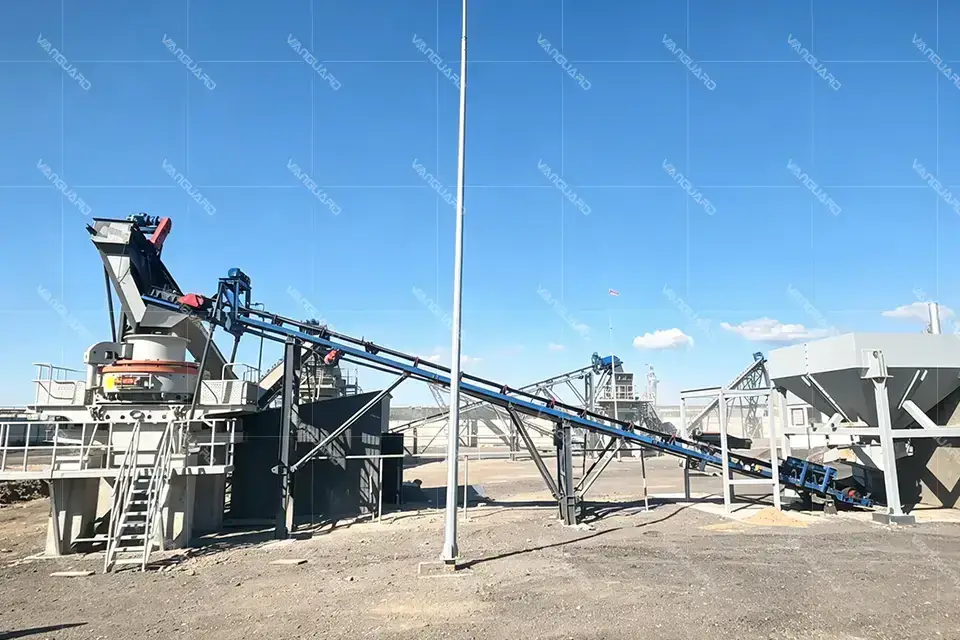
Quick AnswerGranite ranks 6-7 on the Mohs scale with compressive strength up to 300 MPa, making it an extremely hard rock. The optimal crushing solution is: jaw crusher for primary crushing, cone crusher for secondary and fine crushing, and 5X/VSI impact crusher for sand shaping. The typical process flow is: ZSW vibrating feeder → 6CX/PE series jaw crusher (primary) → CP/CS-CH series cone crusher (secondary/fine) → 5X/VSI series impact crusher (sand shaping) → vibrating screening → XSD sand wash...
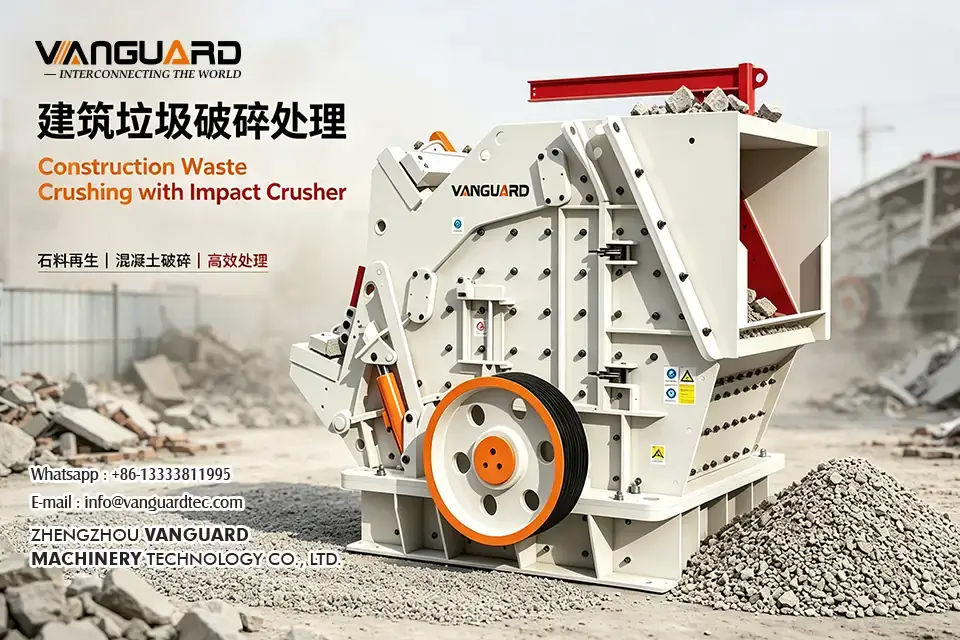
Quick AnswerConstruction waste isn't one "ore" — it's a mixed pile: concrete, brick, mortar, with rebar, wood and plastic mixed in. So you don't size the equipment by hardness; you size it by how much rebar and how much dirt is in the pile. The setup we reach for most often: a jaw up front (takes big lumps, doesn't care about rebar), an impact crusher for the mid and fine stage (concrete breaks into good cubical recycled aggregate), and a magnetic separator in between to pull the rebar out. If t...
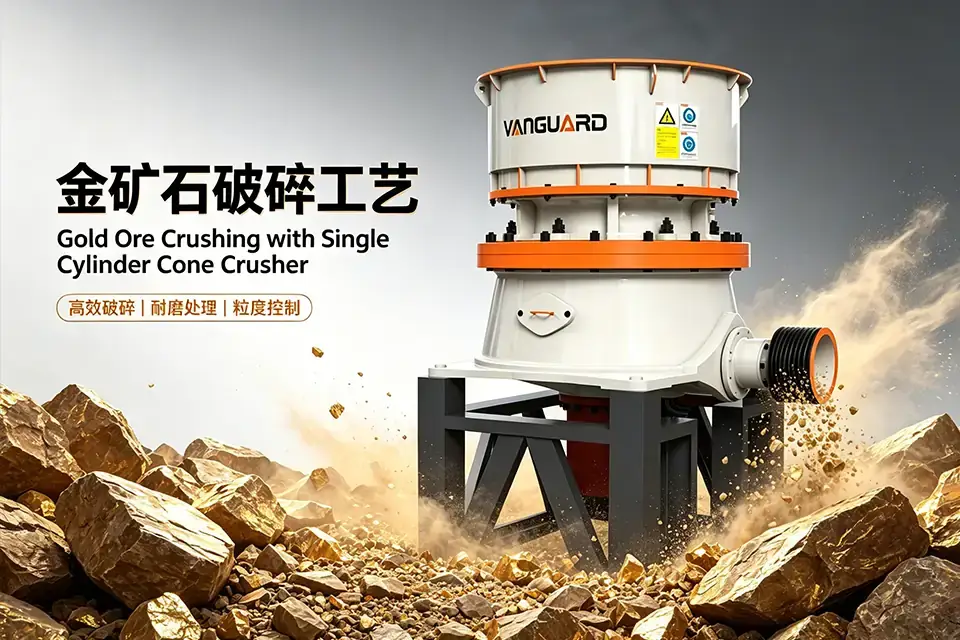
Quick AnswerFor hard-rock gold, the secondary crusher has to survive silica. Most hard-rock gold deposits carry enough quartz that abrasiveness - not just compressive strength - drives liner wear and downtime. That is why a cone, and specifically a single-cylinder hydraulic cone (CS·CH series), tends to be the right secondary for this ore: the laminated crushing chamber handles abrasive feed without eating blow bars, the discharge setting stays put under load, and a closed circuit holds the mill...
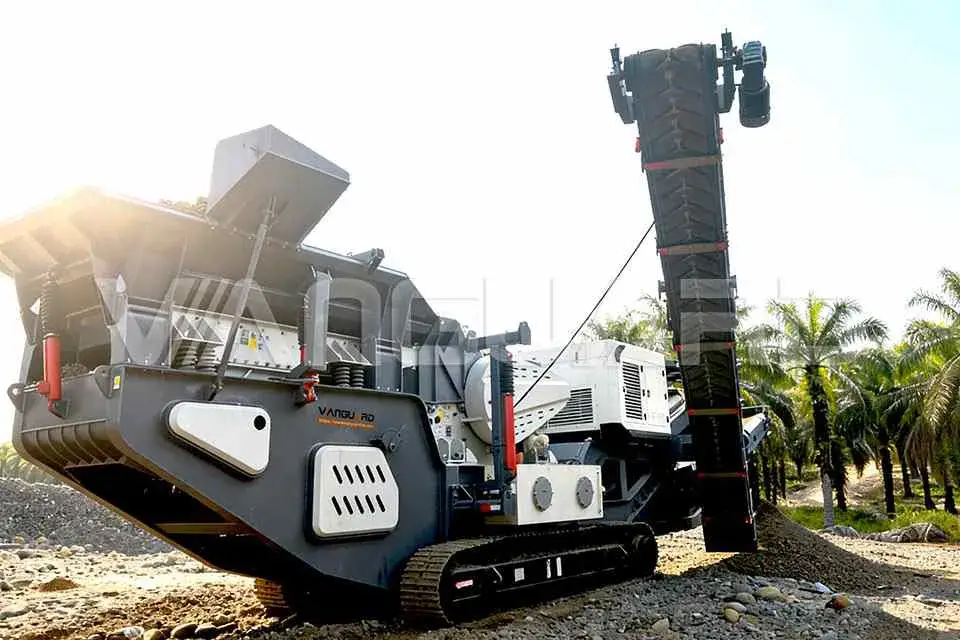
Quick Answer Malaysian granite is typically hard and abrasive, and the tropics bring heavy rain - so choosing a granite crushing plant comes down to three things: match the machines to "jaw primary + cone secondary (+ VSI shaping/sand)", watch feed clay and moisture plus product grading, and decide early whether to build stationary or go mobile. For large, long-life, steady quarries, a stationary crushing line (jaw + cone + screen + VSI) is cheapest per ton. For scattered faces, follow-the-ore w...
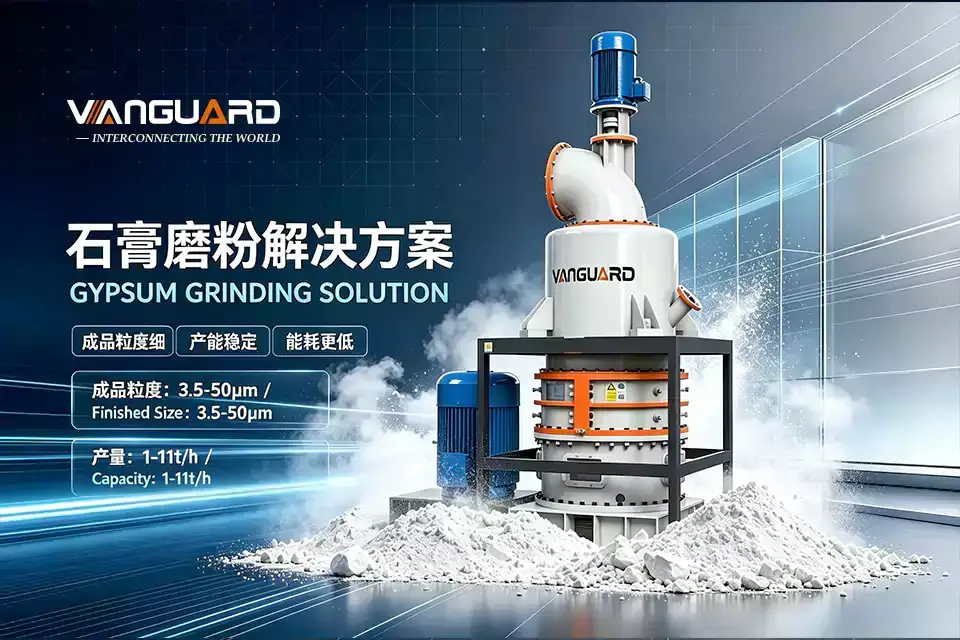
Quick AnswerGypsum (CaSO4·2H2O) runs Mohs 1.5-2 - soft and heat-shy; push grinding past ~120°C and it dehydrates to hemihydrate, which gives false set downstream. For 325-2500 mesh high-quality gypsum powder, the HGM three-ring micro-powder mill is the right tool: ring-roller pulverizing is gentle on a soft rock, and the air circuit with the classifier keeps temperature below the dehydration line, yielding a fine, well-shaped powder instead of the flakes a ball mill tends to make. A single jaw (...
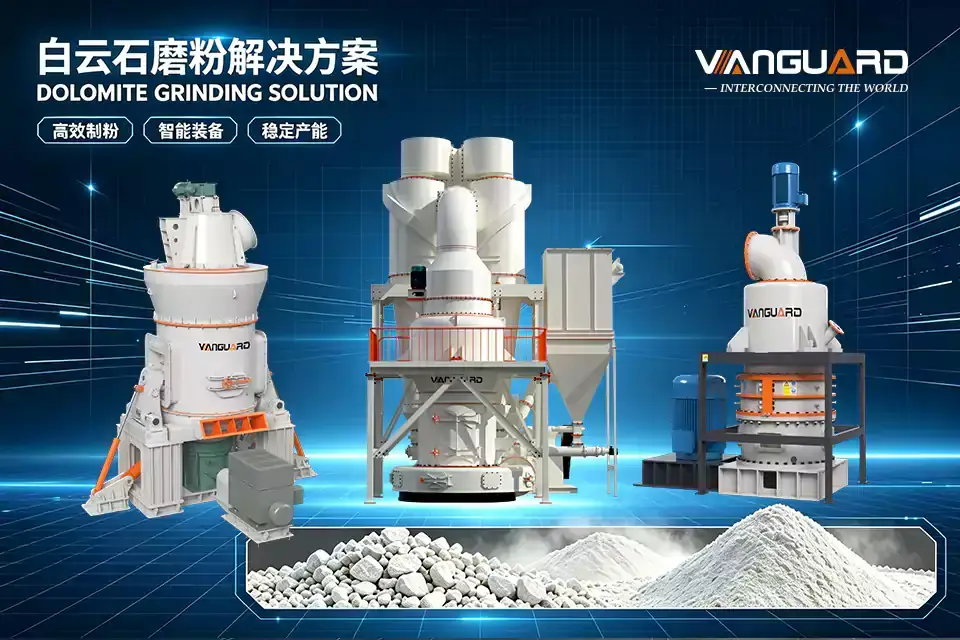
Quick AnswerDolomite is calcium-magnesium carbonate (CaMg(CO3)2), a touch harder than limestone at Mohs 3.5–4. A practical plant runs jaw crush → impact medium crush → de-iron → grinding, with the mill picked by end use. YGM high-pressure mill covers 80–325 mesh for agricultural and base filler stock; LM vertical mill handles high-tonnage glass and ceramic feed; HGM micro-powder mill reaches 325–2500 mesh for feed-grade and coating powder. Because dolomite feeds glass and refractory lines, iron ...
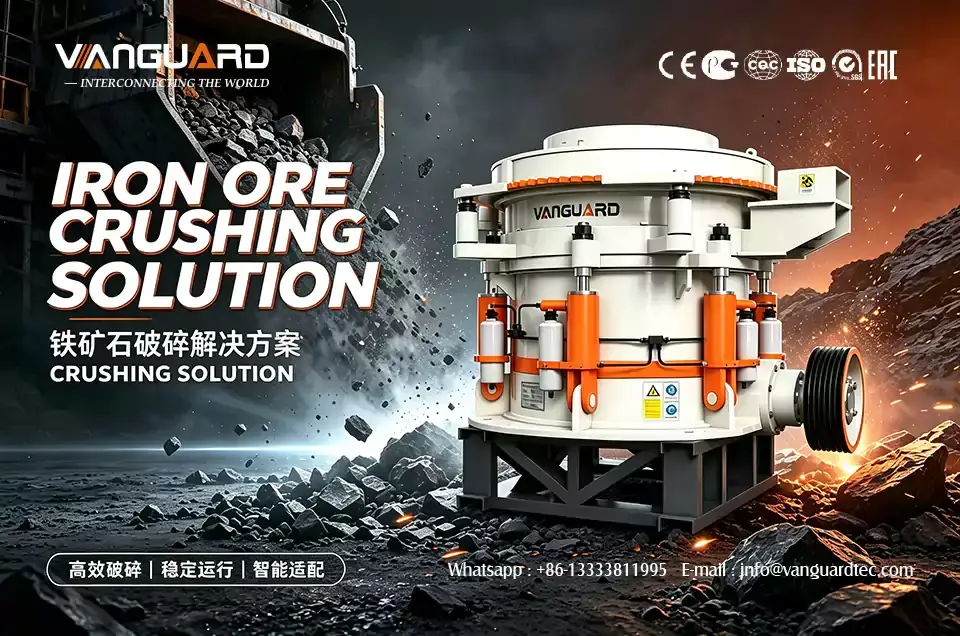
Quick AnswerIron ore is hard, abrasive and often wet, so you crush it in stages with compression crushers, not impact. A typical line runs: feed -> grizzly feeder (ZSW, strips clay and fines) -> jaw crusher (primary, 6CX/PE) -> screen -> cone crusher (secondary, multi-cylinder CP) -> screen -> cone (tertiary, single-cylinder CS/CH or Symons CSV) -> screen -> mill-feed product, usually locked at 0-12 mm or 0-15 mm. Jaw plus cone wins on iron ore because compression wears far slower than impact on...
Thank you for your interest in Vanguard Machinery. If you want to know more about our crushers and industrial grinding equipment.
Contact us now to find out what we can do for you!