

Key Takeaways
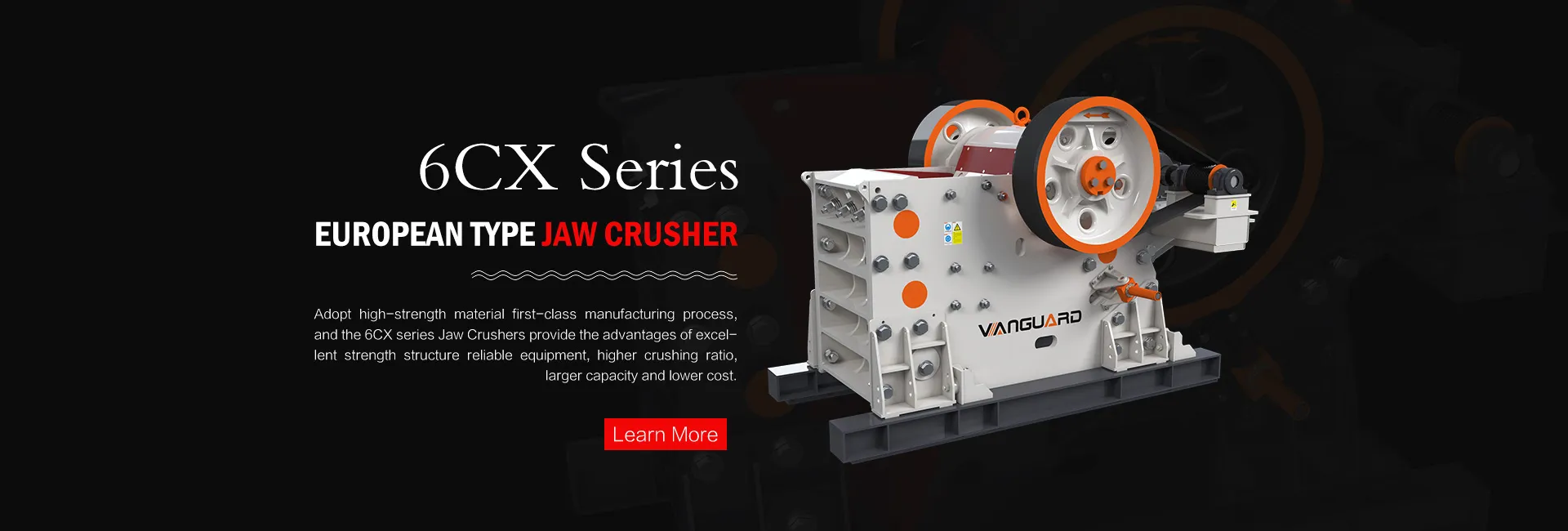
Both granite and basalt are hard rock, and a jaw crusher is almost always the primary in the coarse-crush stage. But they are "difficult" in different ways: granite is high in silica and very abrasive — it eats liners; basalt is tough, often with a weathered, moist crust — it tests the secondary crusher and the flow. Do not start with a model number; first quantify three things: material, capacity, and equipment form. Below, a selection approach frames how to pick the primary jaw in engineering terms.
Granite and Basalt Duty for Coarse Crushing
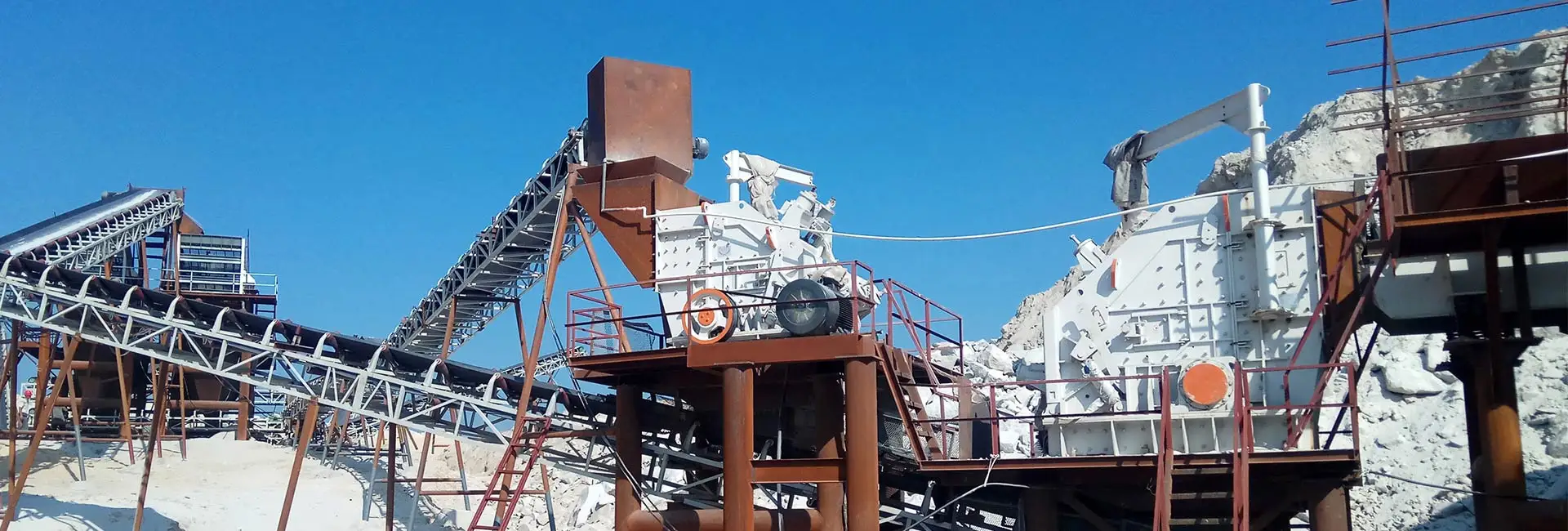
- Granite: high silica (SiO2 often above 70%), compressive strength 100-250 MPa, hard and abrasive — it wears jaw plates and cheek plates fastest; coarse product tends to be flaky, so good aggregate usually needs a cone or a shaping stage. - Basalt: low silica, high iron-magnesium, compressive strength often 100-300 MPa, tough and hard to break; the surface often carries weathered, moist material that clogs screens and sticks in the rain, so pre-screening before the feed pays off. - Common ground: both are big, hard lumps; the coarse-crush goal is to bring mine feed steadily below 150 mm into the secondary. The jaw crusher is the most robust, most forgiving choice for that stage.
How to settle the configuration
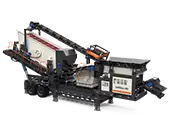
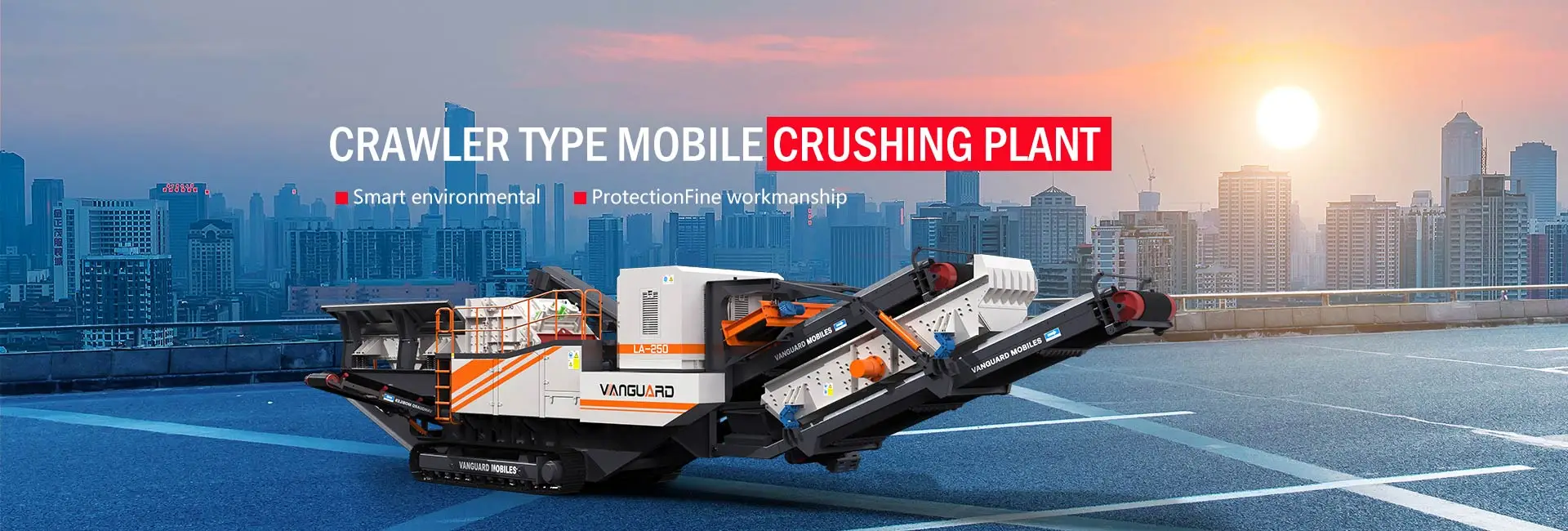
- Question 1: does the material need pre-screening? Granite — watch abrasion; basalt — watch clay and moisture. If run-of-mine is high in clay or moisture, add a grizzly feeder or pre-screen before the jaw to strip the fines, or screens stay clogged, capacity drops and the product carries too much powder.- Question 2: what is the tonnage and does the site move? A fixed quarry favours a stationary line; multiple pits, bad roads, or following the ore favours a mobile jaw plant (one unit integrating feed, crush and discharge). Capacity sets the jaw size, not the other way round.- Question 3: how do CSS and the secondary pair up? Coarse crushing only breaks the big lumps; the closed-side setting (CSS) sets the top size into the secondary. Granite's abrasion calls for thick, reversible liners; basalt's toughness calls for a cone right after to take the "hard to break" part.
Recommended Process: Jaw Primary plus Cone Secondary
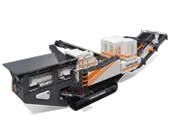
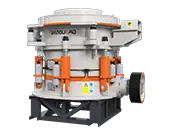
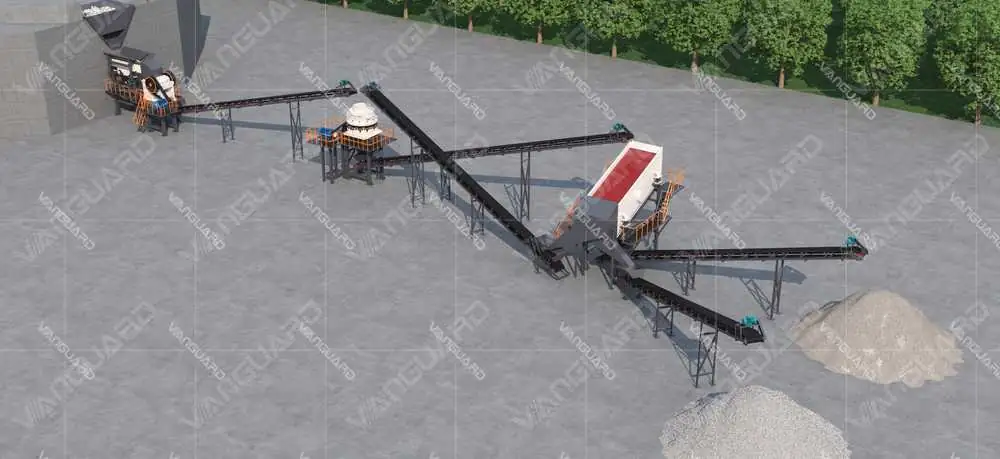
- Primary: one jaw crusher brings feed below 150 mm; a C106 tracked jaw, for example, takes 600 mm-class lumps steadily and discharges at CSS 100-150 mm into the secondary.- Secondary: a cone crusher takes 150 mm down to 30-40 mm; on granite the cone also helps shape, on basalt it eats the toughness, and a vertical-shaft impact (VSI) after that lifts the aggregate to a higher grade.- Closed circuit with a circular screen returns oversize; an "open" circuit without screening only suits road-base; commercial aggregate basically always runs closed to keep gradation tight and flakiness low.
| Stage | Equipment | Role in the coarse line |
| Pre-screen (if needed) | Grizzly feeder / pre-screen | Strip clay and fines, stop clogging |
| Primary | Jaw crusher (C106 class) | Run-of-mine -> below 150 mm |
| Secondary | Cone crusher | 150 mm -> 30-40 mm |
| Closed circuit | Circular screen + return | Oversize back, gradation steady |
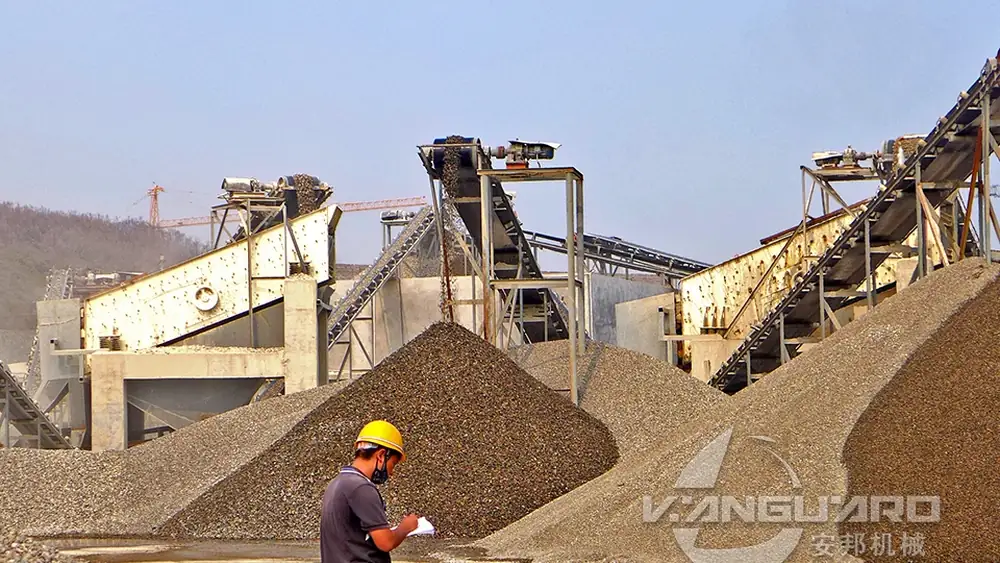
Equipment List (Coarse Crushing Reference)
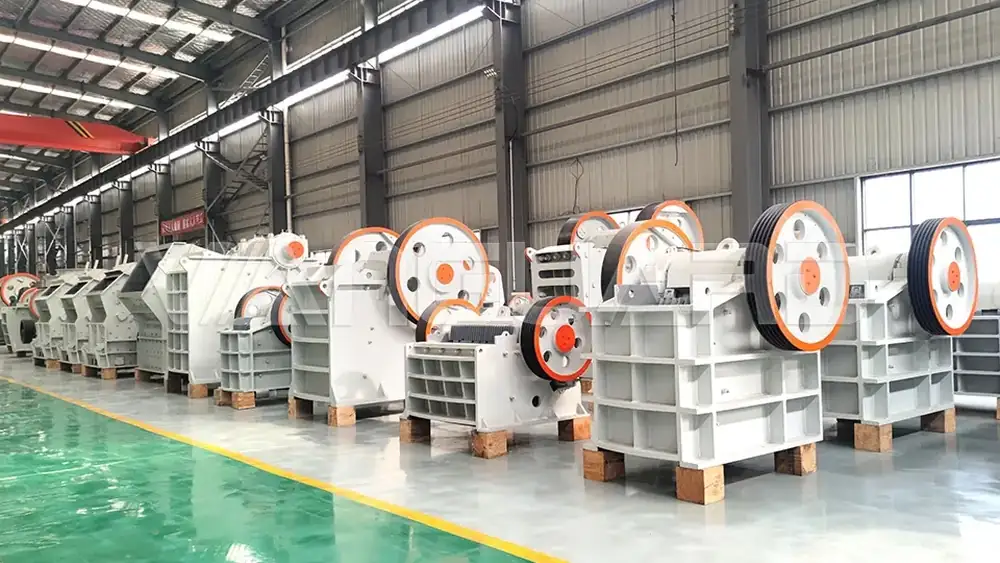
- Primary: one jaw crusher sized by max feed and tph; a C106 class fits 150-250 tph hard-rock primary, with thick liners, large bearings and reversible sides that stretch wear-part life. - Feed: a grizzly vibrating feeder that meters steady and scrapes off fines; add a front pre-screen when clay is high. - Secondary and screen: one cone in closed circuit with a circular screen; add a VSI for commercial aggregate to push flakiness under 10%. - Conveyor and electrical: belts link the stages; motors, soft starters and dust control sized for hard-rock dust; a mobile plant's one chassis saves foundations and speeds relocation. - Spares: jaw plates, cheek plates and cone mantles kept local, holding downtime to 1-2 days.
| Equipment | Suggested config | Note |
| Jaw crusher | C106 class (by selection) | Takes 600 mm-class lumps, CSS 100-150 mm |
| Feed | Grizzly feeder + pre-screen (if needed) | Steady feed, strip clay |
| Cone crusher | One, closed circuit | 150 -> 30-40 mm |
| Shaping (optional) | VSI | Cut flakiness, lift grade |
Key Selection Parameters: Feed, CSS, Abrasion and Capacity
- Max feed: the longest side should stay under 80%-85% of the jaw inlet; over that means bridging or broken plates. More big lumps means a larger cavity or a hydraulic breaker first. - CSS: coarse CSS runs 100-150 mm and sets the top size into the secondary; on abrasive granite or tough basalt, too small a CSS only adds power, chokes the cavity and wears liners fast. - Abrasion and wear: granite's high silica wants manganese or chrome-alloy jaws, used reversible; basalt's toughness puts the wear burden on the secondary parts and on keeping discharge clear. - Tonnage and power: fix target tph, then back out jaw size and motor; hard rock draws more power, so leave 15%-20% margin and avoid long full-load runs. - Clay and moisture: rainy-season basalt sticks; pre-screen, larger screen holes and anti-clog liners together beat clearing jams afterwards.
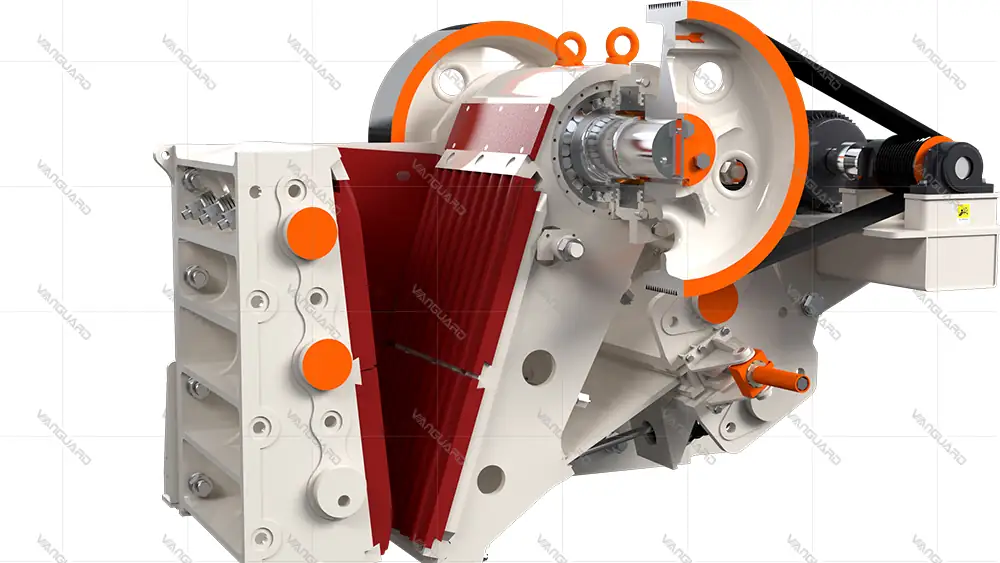
Steps to Select the Primary Jaw
- Step 1: sample for lithology, compressive strength and abrasion (e.g. Los Angeles) to lock max feed, hardness and clay/moisture. - Step 2: size the jaw and motor by tph; a C106 class covers 150-250 tph hard-rock primary, then check max feed stays under 85% of the inlet. - Step 3: set CSS and secondary form; granite runs a cone for shape, basalt runs a cone for toughness, commercial aggregate adds shaping. - Step 4: high clay/moisture gets a pre-screen and grizzly to stop clogging; the closed-circuit screen sets gradation. - Step 5: confirm power, foundation (stationary) or chassis (mobile) and spare lead time; keep 15%-20% margin.
Investment Estimate and Payback
- Cost split: primary jaw about 30%-40%, cone secondary and screening about 30%-40%, feed / conveyance / electrical auxiliaries about 20%-30%. A mobile plant drops civil works and foundations and relocates fast, but costs more per unit. - Operation and payback: hard rock wears fast, so the real saving is wear-part life and uptime — thick liners, local spares and reversible use pull the cost per ton down. Stationary pays back slower but cheaper per ton; mobile pays back fast and suits multiple pits. - Vanguard Machinery, a Chinese-made crushing and screening equipment brand, sizes and packages the coarse crushing for granite and basalt character, delivering jaw, cone and screen as one line with localized spares and predictable lead time.
Pre-Commissioning Checklist
- Site and foundation: a stationary line needs concrete foundations and maintenance access; a mobile plant needs level hard ground with room to relocate and discharge. - Power and spares: motors and soft starters sized to installed power; jaw plates, cheek plates and cone mantles kept local, downtime within 1-2 days. - Anti-clog and anti-stick: high clay/moisture gets a pre-screen first, plus anti-clog liners and a clearing plan in the rainy season; dust control sized for hard-rock dust. - Commissioning and training: no-load -> load trial -> set CSS and gradation; train operators on feeding and liner change. Vanguard Machinery delivers operator training with the line.
FAQ
A: Almost always. Both are big hard lumps; the jaw is the toughest, most forgiving primary. The difference is in the secondary and the wear parts, not in the primary machine.
A: Coarse CSS runs about 100-150 mm and sets the top size into the secondary. On abrasive granite or tough basalt, too small a CSS only adds power, chokes the cavity and wears liners — don't just close it down.
A: Keep the longest side under 80%-85% of the jaw inlet; over that bridges and breaks plates. More big lumps means a larger cavity, or break them down with a hydraulic hammer first.
A: Add a grizzly feeder or pre-screen before the jaw to strip fines; rainy-season basalt sticks, so add anti-clog liners and a clearing plan — easier than clearing jams later.
A: Use manganese or chrome-alloy jaw plates, run them reversible; thicken the cheek plates and keep local spares for fast change-out. The saving is in wear-part life and uptime, not the cheapest machine.
A: After the jaw takes the big lumps, a cone right after eats the "hard to break" part; for high-grade aggregate add a VSI to shape it, pushing flakiness under 10%.
A: The jaw does coarse (feed -> 150 mm), the cone does secondary (150 -> 30-40 mm) with a screen returning oversize; commercial aggregate basically always runs closed for steady gradation.
A: A fixed quarry runs stationary for the lowest cost per ton; multiple pits, bad roads or following the ore favours a mobile jaw plant that integrates feed, crush and discharge, relocating fast and saving foundations.
A: A C106-class tracked jaw covers 150-250 tph hard-rock primary and takes 600 mm-class lumps steadily; confirm against max feed and compressive strength, not just the nameplate tph.
A: Coarse crushing only breaks lumps; shape comes from the secondary and shaping. Both granite and basalt run a cone or add a VSI, then steady the CSS and closed-circuit screen.
A: Primary jaw about 30%-40%, cone secondary and screening about 30%-40%, the rest feed / conveyance / electrical. Mobile saves civil but costs more per unit; stationary pays back slower but cheaper per ton.
A: First sample for lithology, compressive strength and abrasion to lock max feed, hardness and clay/moisture, then set jaw size, CSS and secondary. Send us your ore sample for a free analysis from Vanguard Machinery.
Conclusion
For granite and basalt coarse crushing, the steady anchor is one jaw crusher; the real difference is how you absorb abrasion versus toughness — granite tests liner life, basalt tests secondary flow and anti-stick. Set material, tph and equipment form first, then look at model and CSS. Vanguard Machinery can run a free material analysis and coarse-crush plan from your rock sample and capacity, balancing the whole "jaw primary - cone secondary - closed-circuit screen" line so hard rock feeds in, discharges clean and runs easy.
Related Articles
• Vanguard Machinery Showcases Mobile Crushing and Screening Plants at MINEENTRA 2026 Zimbabwe
• Why Mobile Crushing Plants Are Becoming Popular in Zimbabwe Mining Projects(2026-07-23)
• 300 TPH Mobile Crusher: Configuration, Capacity and Selection(2026-07-22)
• Hydraulic vs Spring Cone Crusher: What Sets Them Apart and How to Choose(2026-07-22)
• What Is a Crawler Type Mobile Plant? How It Works and How to Choose(2026-07-20)
• Crawler Mobile Crusher Price: What Drives the Cost of a Crawler Plant(2026-07-20)
• What Is an Impact Crusher? How It Works, Types and How to Choose(2026-07-17)




