

Key Takeaways
- A crushing plant spends money in three blocks: equipment is the big ticket (60–70% of total investment), installation and civil works take 10–20%, and the first spares and wear parts fill the rest.- Equipment price follows capacity, machine type and configuration: for the same tonnage a jaw-crusher line is the cheapest, a cone line costs a step more but wins on cost per ton in hard rock, and a mobile unit costs more per unit while saving the civil works.- Installation and civil works are the most underrated line on any quotation: foundations, steel structure, electrics, crane time and commissioning are all real money.- Operating costs only make sense per ton: power and fuel take 30–40%, wear parts 20–30%, labor and maintenance split the rest — abrasive feed pushes every ton noticeably higher.- Hidden costs (freight, duties, spare-parts stock, training, site preparation) never appear on the machine quotation but always get spent — ring-fence them in the budget first.
Where the Money Actually Goes
- Block one is equipment: the machines (crushers, screens, feeding and conveying) plus the electrical control package, usually 60–70% of the total — and the most elastic part of the budget. - Block two is installation and civil works: machine foundations, steel structures, cable trays, drainage, lifting and commissioning — typically 10–20%, and it climbs on difficult sites. - Block three is the first operating outlay: spare-parts stock, the first set of wear parts, oils and staff training. Plenty of buyers order on the first two blocks and discover the budget gap in month one. - The iron rule of budgeting: a quotation is a starting point. Add the three blocks together, keep a margin on top, and that is the real budget.
Equipment: The Big Ticket
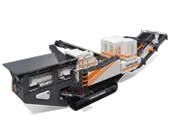
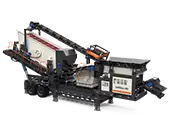
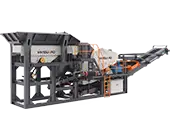
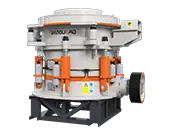
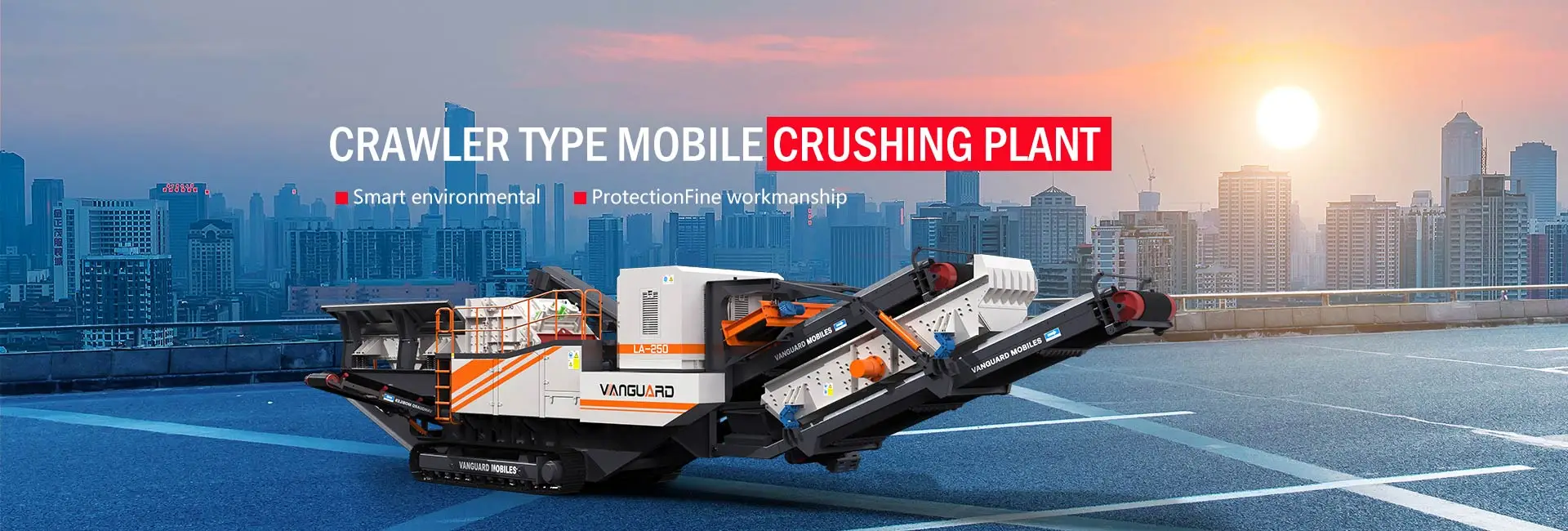
- The crusher sets the price anchor for the whole plant. At equal capacity a jaw crusher is the most affordable; a cone crusher costs a step more but delivers a lower cost per ton on abrasive hard rock; an impact crusher sits in between and demands care on abrasive feed.- Price does not scale linearly with capacity: moving the secondary up one size can double its price — so size the plant to real demand, not to a top-spec fantasy.- A stationary line's machines cost less up front, but the civil works join the bill; a mobile unit runs 30–70% above an equal stationary machine while saving foundations, steelwork and relocation time. Compare the two routes on the totals, not on the machine tag.- Dust suppression, dust collection, magnets and other auxiliaries look minor but add up past 10% of the equipment bill — cutting them means paying for it later in permits and downtime.
Capacity Tiers and Typical Investment Bands
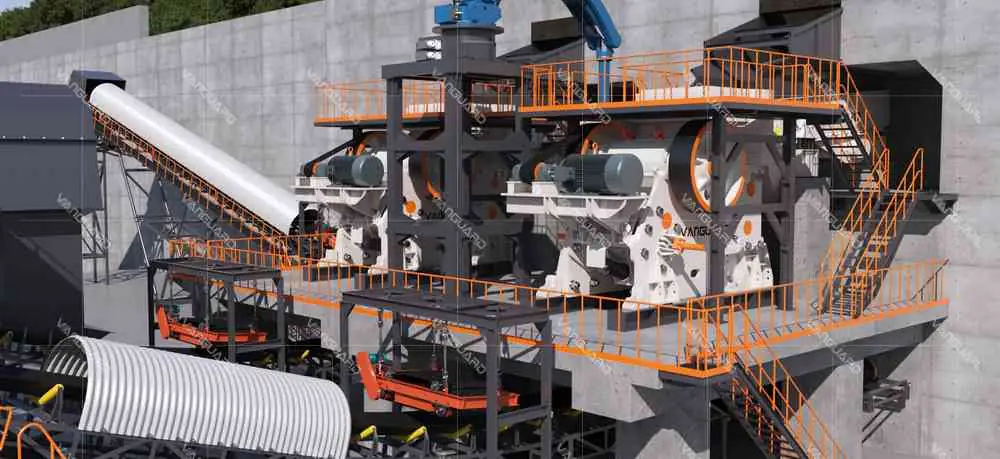
- Markets fluctuate and configurations differ, so treat the figures below as order-of-magnitude references (based on common pricing from Chinese manufacturing; the binding number is always the supplier's quotation for your feed conditions). - A 50–100 TPH small line: jaw crusher plus screening and conveying, with equipment investment from tens of thousands up to a hundred-odd thousand US dollars — the usual entry point for smaller aggregate operations. - A 100–300 TPH workhorse line: primary plus secondary/tertiary (cone or impact) with multi-stage screening, reaching several hundred thousand US dollars — the most common band in the aggregates market. - A 300–500 TPH and above large line: three crushing stages with parallel screening, entering the million-dollar range; mining plant crushing sections climb further.
| Capacity band | Typical configuration | Investment scale (reference) |
| 50–100 TPH | Jaw crusher + screen + conveyors | Tens to ~hundred thousand USD |
| 100–300 TPH | Primary + secondary + multi-stage screening | Several hundred thousand USD |
| 300–500 TPH+ | Three stages + parallel screening | Million-dollar range and up |
| Mobile units | Two or three units | Higher per unit, lower civils, faster moves |
Installation and Civil Works: The Underrated Line
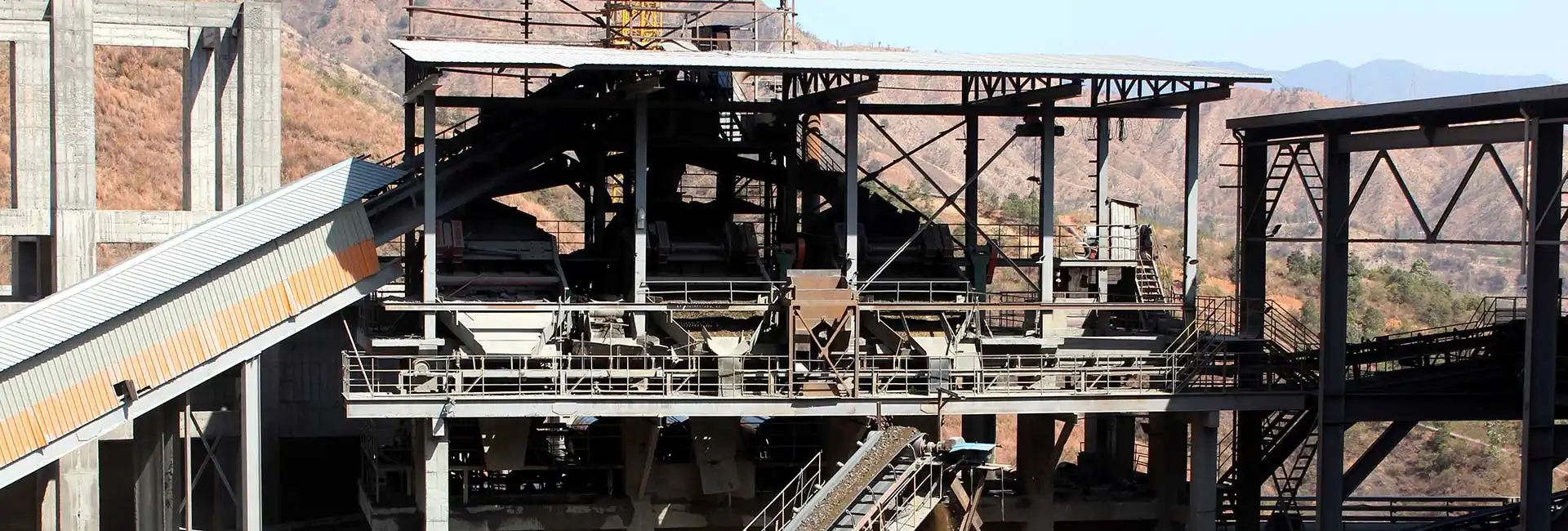
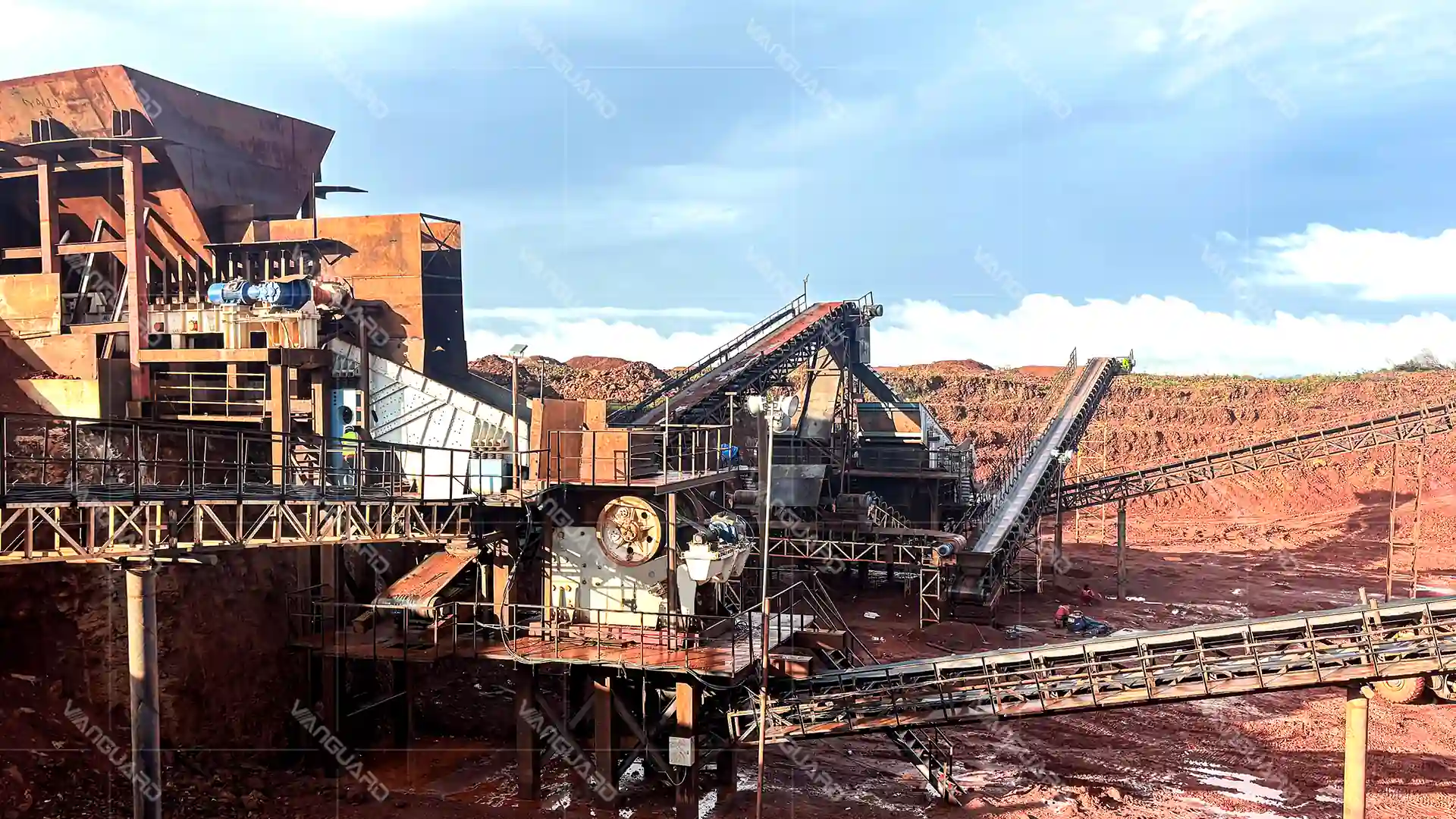
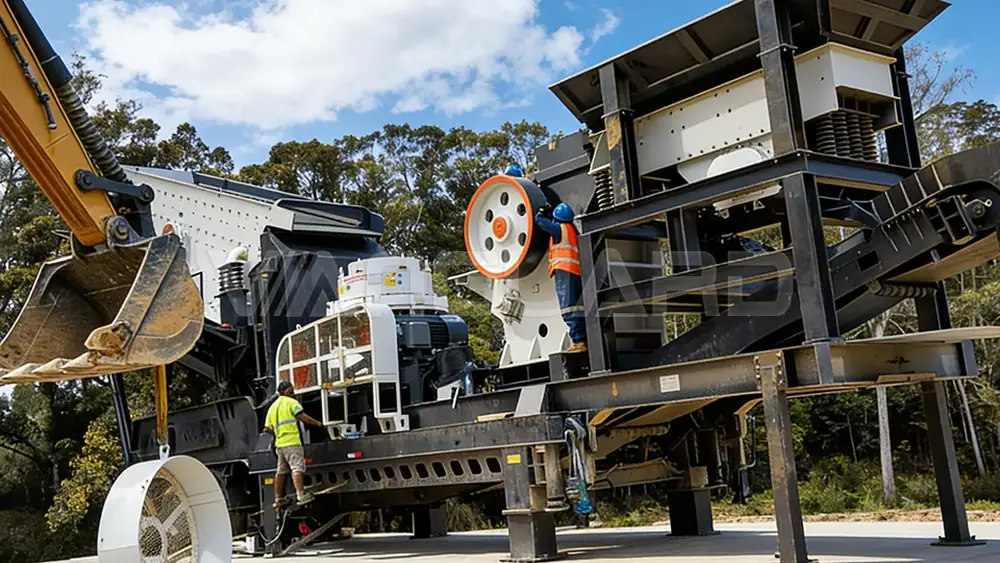
- Foundations are the priciest civil item on a fixed plant: crusher foundations must resist vibration, screen foundations need dynamic-load checks, and poor ground calls for piling — this line alone can run from thousands to hundreds of thousands of dollars. - Steel structures (conveyor galleries, screen towers, hopper supports) and electrical works (switchgear, cabling, control room) each take a fifth to a third of the civils — never skip the site survey before the drawings. - Lifting and commissioning get forgotten: crane days for big components, installation crews and consumables during loop testing all bill by the week. - This is exactly where a mobile unit earns its premium: the chassis removes the foundations down to a few concrete pads, and the plant makes saleable material within one or two weeks of arrival. On schedule-driven jobs, that time is money.
Operating Costs: Think per Ton
- Totals mean nothing; cost per ton is the real yardstick. In an aggregate line's operating bill, power and fuel usually take 30–40%, wear parts (liners, screen media, belts) 20–30%, and labor plus maintenance split the remainder. - Abrasiveness lifts the ton cost directly: crushing granite versus limestone can mean several times the liner life and a few dollars difference per ton in consumables. - Utilization is the hidden variable: the same plant run 3,000 hours a year versus 5,000 spreads labor and depreciation over completely different tonnages.
| Cost item | Share (reference) | Notes |
| Power/fuel | 30–40% | The largest item; roughly 1.5–2.5 kWh per ton |
| Wear parts (liners/screens/belts) | 20–30% | Rises sharply with abrasive feed |
| Labor | 10–20% | By shift manning; automation trims it |
| Maintenance | 10–15% | Lubrication, spares, planned overhauls |
| Admin and other | 5–10% | Environmental, fees, sundries |
Wear Parts: The Budget That Never Stops
- Liner life counts by tonnage passed, not by calendar: jaw plates, cone bowls and mantles may last only a few thousand tons on highly abrasive feed, and several tens of thousands on gentle rock. - Build the annual budget from data, not guesses: take the material's abrasiveness and the planned throughput, project a change-out cycle, multiply by unit prices — there is your yearly wear-parts figure. - Screens and belts form the second tier: screen media live in weeks, belts in years; stock "one critical set, two consumable sets" as the floor.
Power and Fuel: Item Two on the Bill
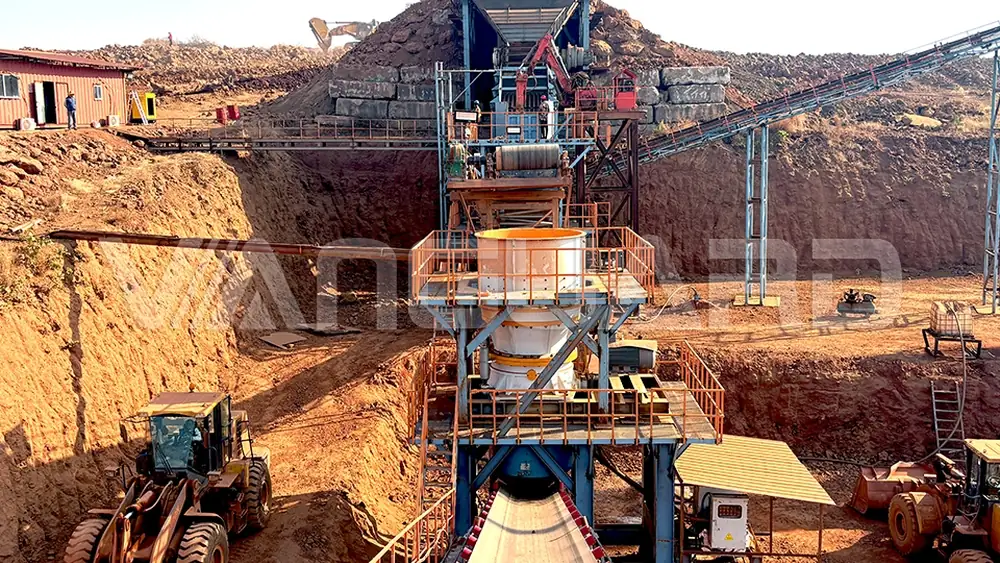
- Power is the single largest operating line: installed capacity runs from one to two hundred kilowatts on small plants past a thousand on large ones — multiply by your tariff and annual hours and the yearly figure appears. - A mobile unit's fuel stands apart: diesel-generated power costs more per kWh than the grid, but it skips the connection and the cabling — on remote pits the diesel route often wins the totals anyway. - Size motors "enough, not idling": an oversized motor on a light load is silent waste, and variable-frequency feeding that tracks the feed keeps this line down.
Hidden Costs: Never Quoted, Always Spent
- Freight and arrival: oversized transport, lifting at both ends, and for cross-border buys duties and customs agency fees — none of it inside the machine price. - Spare-parts stock: the first year needs at least one set of criticals on the shelf, which ties up serious cash. - Site package: access roads, drainage, environmental kit (spray systems, noise control) and permits — none are optional. - People: operator and maintenance training; a bad operator burns liners and kilowatts far faster than the training costs.
A Short Checklist Before You Ask for Quotes
- Complete the feed data first: material, abrasiveness, moisture, feed size, product requirement and annual working hours — six fields, and every missing one distorts the quotation. Vanguard Machinery's selection sheet marks all six as mandatory; the quote follows the feed, not a feeling. - Ask for a line-item quotation: equipment, installation, commissioning, training and spares listed separately — never accept a lump sum, because only items can be compared and negotiated. Vanguard Machinery's standard quotation splits exactly these five. - Rehearse the operating costs: have the supplier project a kWh-per-ton and liner-life estimate for your feed. Vanguard Machinery ships that page with every technical proposal — if the numbers do not hold, argue it face to face. - Keep a 10–15% budget margin: for ground surprises, exchange rates and freight swings. Best case it sits unused; worst case it saves the project. - Verify payment milestones against the schedule: advance, shipment and acceptance proportions belong in the contract, tied to progress — so cash flow does not stall before the plant arrives. Vanguard Machinery’s contract template binds the milestones to the schedule; sign along it.
FAQ
A 50–100 TPH basic configuration usually lands from tens of thousands to a hundred-odd thousand US dollars for equipment plus installation; the binding number comes from a quotation on your actual feed.
Short projects and frequent moves favor the mobile unit — saved civils and commissioning time are money. Long-term fixed sites at high tonnage run a lower cost per ton stationary. Compare on project totals, never on machine price alone.
Ordinary aggregates run from a few dollars down to a dozen or so per ton; abrasive hard rock pushes clearly higher. Power and consumables dominate — measure on your own material.
The crusher itself. Change the machine type or size and the total steps up a class; abrasiveness comes second, since it drives liners and cost per ton.
It can be — if you price the overhaul margin and remaining liner life and inspect the wear parts. Walk away from units with no service history.
From thousands on a small line to unbounded on large ones; piling on poor ground makes a site survey non-negotiable before any estimate.
Material type, abrasiveness, moisture, feed size, product sizing and output, annual working hours. Vanguard Machinery collects exactly these six on its selection sheet — the quote only gets accurate once they are all in.
Installed capacity × annual hours × local tariff, plus about 10% margin; the supplier's technical proposal carries a kWh-per-ton reference.
By tonnage passed, not by time: a few thousand tons on highly abrasive feed, tens of thousands on gentle rock. Get the supplier's projected cycle for your material, then size the stock.
Scope and specification: some quotes include dust collection and electrics, others a bare machine; liner metallurgy, bearing brands and motor class all move the number. Vanguard Machinery itemizes every line so each one can be compared.
Typically equipment plus transport plus insurance; duties and customs clearance sit outside. Confirm the Incoterm (ex-works / delivered / duty-paid) word by word before signing.
One set of criticals plus two sets of consumables for year one — from thousands on a small line to tens of thousands on large ones. Vanguard Machinery supplies a recommended parts list with every plant, so the stock follows the list, not a guess.
Depends on aggregate prices and utilization: full-load aggregate lines commonly pay back within one to three years — project it from local prices and your cost per ton.
Freight and lifting, environmental package, spares stock and training — plus exchange-rate movement on cross-border purchases.
Follow the cash flow: installments preserve it and suit projects with collection cycles; full payment buys a bigger discount. Vanguard Machinery supports both — choose by the project's cash profile.
Conclusion
How much a crushing plant costs answers in three layers: equipment takes 60–70%, installation and civil works 10–20%, and the operating cost per ton flows for years. A quotation is only the starting point — add the civils, the hidden costs and the per-ton operating bill, and you finally know whether the plant is expensive. Complete feed data, line-item quotations and a 10–15% margin keep the budget in control. Vanguard Machinery hands its customers itemized, transparent numbers from selection through operation, so every dollar has an address and the payback period stays a calculation, not a guess.
Related Articles
• How to Choose a Mobile Crushing Plant Manufacturer...(2026-08-27)
• How to Maintain a Crawler Type Mobile Jaw Crushing Plant(2026-08-05)
• Why Mobile Crushing Plants Are Becoming Popular in...(2026-07-23)
• Why Is My Jaw Crusher Wearing Out Too Fast? Causes...(2026-07-09)
• Vanguard Machinery Brings Its Gold-Ore Processing Line to the 140th Canton FairG(2026-08-06)
• From Zhengzhou to Almaty: Vanguard Machinery to Exhibit at the 31st Kazakhstan K(2026-08-06)
• Vanguard Machinery to Exhibit at Construction Indonesia 2026, Deepening Its Sout(2026-08-06)
• Best PFV1315 Impact Crusher for Limestone Crushing in Saudi ...(2026-08-06)




