



Key Takeaways
- On a mobile crusher the conveyor belt is not just a strap of rubber. It ties the crusher, screen and stockpile into one continuous line, and if one belt fails the whole line stops. - Slip, mistracking and stoppage are the three classic belt faults, and almost all of them trace back to four things: tension, alignment, drive and load. - Slip is usually low tension or poor drive-pulley friction, so the belt turns but carries nothing. Mistracking is usually a seized idler or off-center feed. Stoppage is usually overload, tramp metal or a protective trip. - Do not start tearing things apart. Read the amp meter and tension first, check idlers and pulleys next, and only touch the drive and electrics last. - Most stoppages are avoidable. Watch the take-up, idlers and scrapers daily and you cut a large share of the failures before they happen.
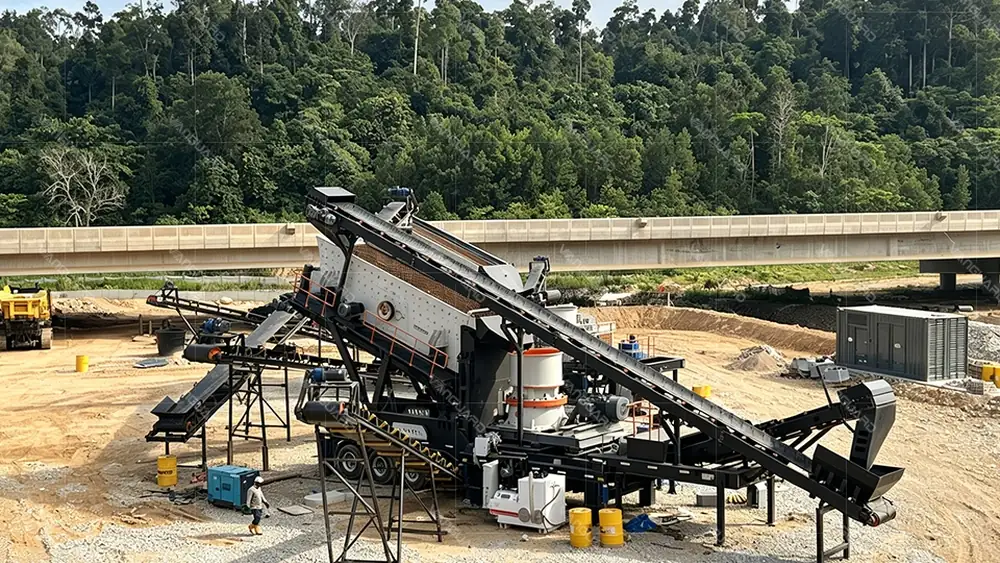
What the conveyor actually does on a mobile crusher
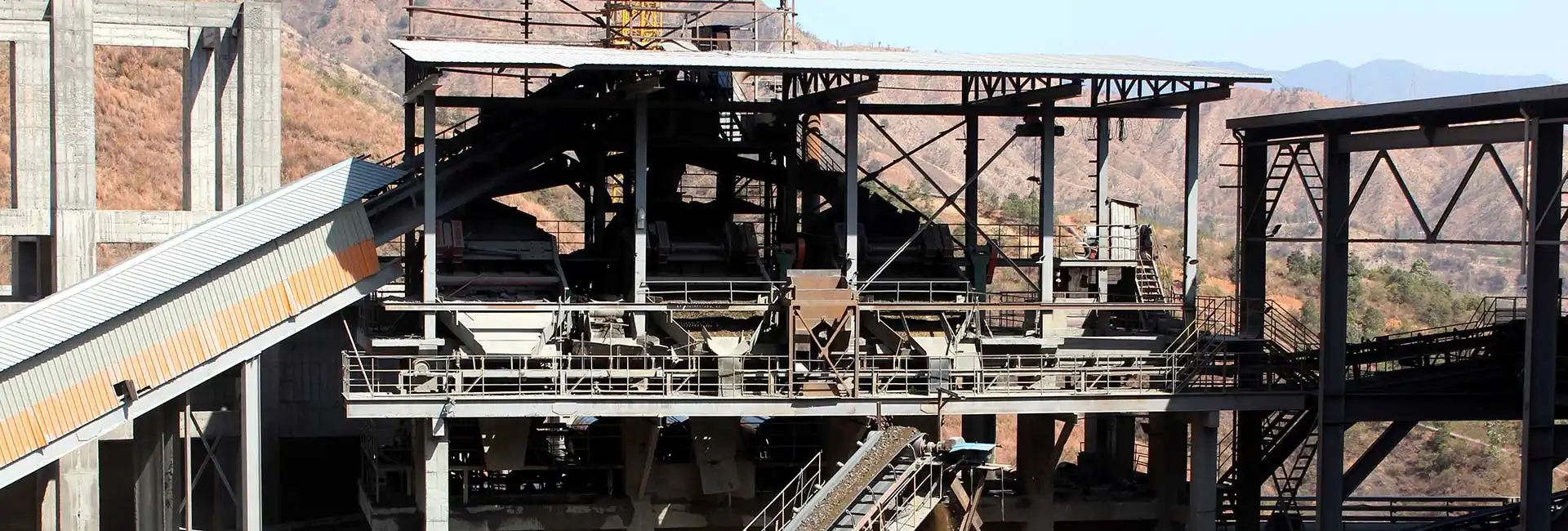
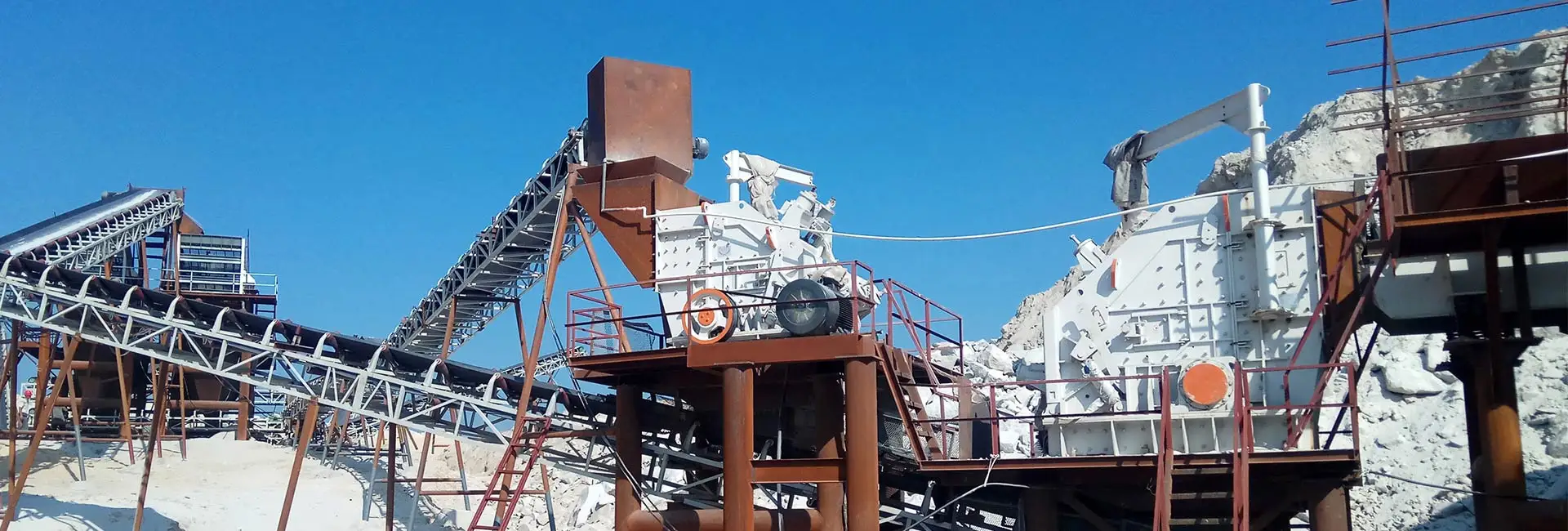
- A typical mobile crushing plant runs three to five belts: a feed belt into the crusher, a main belt to the screen, a return belt sending oversize back to the crusher, and a product belt carrying screen undersize to the pile. These belts set the rhythm of the whole line.- A belt conveyor is made of a few parts: the belt itself (carries and pulls), the idlers (support the belt and limit sag), the pulleys (drive head pulley, tail pulley for direction change), the take-up (holds constant tension), the drive unit (motor, gearbox, coupling) and the scrapers (wipe sticky material off the return run).- The belt moves because friction between the head pulley and the belt transfers power. The belt stays straight because idlers hold it centered and tension keeps both sides tight. Loosen either one and faults appear.
Slip: the belt spins but carries nothing
- The sign is the motor and pulley turn, but the belt slows or slips in place, material stops moving, and the current actually climbs. - The most common cause is low tension: the take-up weight is stuck, the screw take-up is loose, or the hydraulic cylinder has lost pressure, so the belt goes slack and the head pulley cannot grip it under load. - A worn or mud-covered drive pulley also slips. Dry friction turns wet and slick, and the pulley loses its grip. This is common on rainy days, wash plants and sticky-material sites. - A sudden load spike triggers it too: a surge from the hopper, a big lump slamming in, or the next stage backing up and choking the belt so the motor cannot pull. - Fix order: tighten the take-up first (drop the weight, wind the screw, top up hydraulic pressure), then clean the pulley face and check the lagging. If the lagging is worn flat, re-lag it. Do not swap the motor first, nine out of ten slips have nothing to do with the motor.
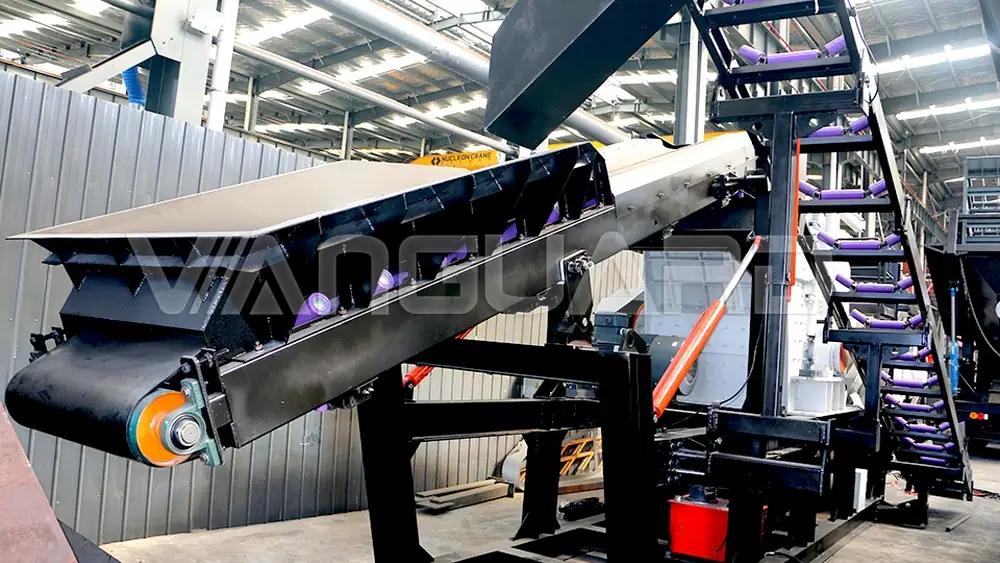
Mistracking: the belt wanders and scrapes the frame
- The belt drifts to one side, the edge rubs the frame and skirt, drops material, and in the worst case tears and trips the plant. - The root is uneven force: a seized or stuck idler drags one side, a pulley with built-up material becomes eccentric and pulls the belt sideways, or off-center feed dumps material on one edge and pushes the belt out of line. - Uneven tension on the two sides also mistracks, the belt simply walks toward the slack side. An unlevel frame or settled legs tilts the whole line. - Fix it by looking at the feed point first: align the inlet chute to the belt center, add a guide plate and a centered material pile. Then spin the idlers, replace the seized ones, oil the stiff ones, clear pulley buildup, and if needed square the pulley axis to the belt. Correct from source (feed, frame) toward the end (pulleys) rather than chasing it with training idlers all the way down.
Stoppage and choke: the belt suddenly stops
- Stops split into planned and unplanned. Pull-cord, overload protection and choke switches are planned protection and are normal. A burned motor, seized gearbox or jammed metal are unplanned faults that need repair. - Overload stops are mostly a downstream block: the screen is full, the product pile is against the belt, or the return belt backs up and chokes it, tripping protection. Clear the downstream first, then reset. Do not keep force-starting, that burns motors. - Tramp metal is the belt killer: a bucket tooth, a steel bar or an oversize rock mixed into the feed jams at the head pulley or chute, stalls the belt and can even rip it. A magnet and a grizzly at the feed end block most of it. - Electrical stops show a fault code: a thermal trip points to overload or phase loss, a speed-switch alarm points to slip past a threshold. Read the code before you touch parts, do not guess and swap.
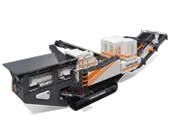
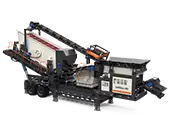
A mobile plant integrates feeding, crushing, screening and conveying on one tracked chassis, and addresses exactly these three faults with head-pulley lagging, hydraulic take-up, training idlers and speed protection, all aimed at keeping belt stoppages rare. Following the inspection order below heads off most shutdowns before they start.
Three-fault comparison table
| Fault | Main cause | Check first | First fix |
| Slip | Low tension, dirty pulley, worn lagging | Take-up travel, pulley face | Tighten take-up, clean pulley, re-lag |
| Mistrack | Seized idler, off-center feed, uneven tension | Feed point, idler spin | Center feed, swap idler, clear buildup |
| Stop | Downstream block, tramp metal, protection trip | Amp meter, fault code, downstream | Clear downstream, remove metal, read code |
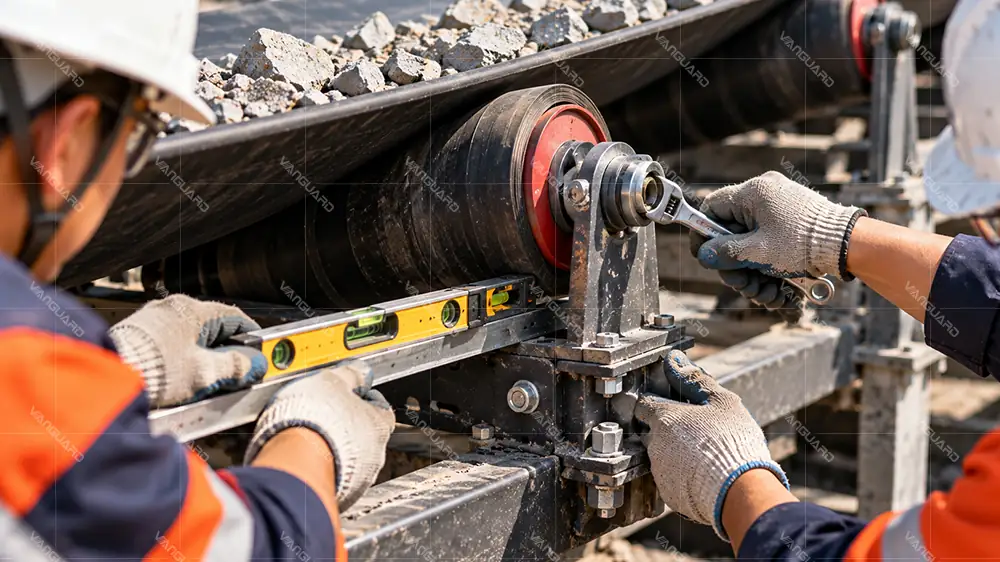
Troubleshooting order: look first, then fix
- Step one, read the instruments and alarms: amp draw, fault code, speed-switch alarm. Decide electric versus mechanical. Electric, read the code; mechanical, open it up. - Step two, check tension and load: is there enough take-up travel, is the downstream blocked, is the feed surging. These two cover about seventy percent of faults. - Step three, spin the parts: do idlers turn, do pulleys build up, is lagging worn, do scrapers work. Walk that list and you locate eighty percent of causes. - Step four, touch the drive and electrics only after the above are clean. Confirm everything else is normal, then check motor, gearbox, coupling and control circuit. Wrong order means a wasted teardown.
Prevention and longer life: stop faults before they stop you
- Before each shift check take-up travel and pulley faces. Listen for idler noise during the run. Replace seized ones early, do not wait until they grind the frame. Vanguard Machinery field engineers list these two as the first pre-shift check because seven in ten faults surface here. - On sticky or wet lines set the scraper to touch but not bite the belt. A clean return run keeps the pulley from loading up and slipping. Vanguard Machinery fits adjustable-pressure scrapers as standard on wash and sticky lines precisely for this. - Keep a magnet and grizzly at the feed end. Half the tramp metal gone means half the rips and chokes gone. - Link training idlers with the mistrack switch so small drifts self-correct early, instead of waiting for edge scrape and manual nudging. Vanguard Machinery mobile plants run training idlers and the mistrack switch as one linked system, on that same logic. - Top up tension on schedule by duty: set hydraulic tension right, keep screw threads from seizing, leave travel in the weight, so the belt does not slacken with age. Vanguard Machinery hydraulic take-ups ship pre-set by duty, so the site just matches the setting.
Frequently Asked Questions
Usually the drive pulley face is wet with mud or the lagging is worn flat, so friction dropped. Clean the pulley, check the lagging, then suspect a faulty tension sensor.
Mostly no. Check feed-center alignment, frame level and equal tension first. New-belt mistrack is eight times out of ten an install and centerline issue.
No fixed interval, it depends on duty. Dusty, humid sites kill idler bearings first. Listen for noise, feel for heat, swap when seized or hot.
Rain wets the pulley and belt and drops the friction coefficient. Improve scraping, switch to higher-friction lagging, rather than just re-tightening tension repeatedly.
Not advised. Stop, de-energize, pull the object out, confirm the downstream is clear, then reset. Force-starting burns motors or rips belts.
It may be slip past threshold, or the switch itself is loose or loaded. Tighten tension, clean the pulley, see if the alarm clears, do not rush to swap the switch.
Add level control or backflow protection at the return junction so a full downstream stops the return instead of choking the main belt, and leave margin in screen capacity. Vanguard Machinery fits backflow protection at the return junction as standard to block exactly this.
Mobile plants often use hydraulic for fast response and constant tension; screw is simple and easy to maintain. Vanguard Machinery mobile plants mostly use hydraulic take-up, and the key is tension set right with travel left.
Fix the mistrack source (feed, idlers, tension) first, then check the frame for burrs and steps worn by the edge, add guides and cushioning if needed, do not just change belts.
Likely the downstream is still blocked, the metal is still there, or the motor thermal did not reset. Eliminate each in turn, do not keep closing the breaker.
Depends on duty and care. Right tension, turning idlers, active scrapers and no tramp metal easily give three to five years; neglect any one and it tears in a year or two.
Do not. Speed affects tension, idler life and dust. Before speeding up, check drive margin and component strength. Vanguard Machinery marks a belt-speed ceiling on every model, and tuning inside that is the safe move.
Non-parallel pulls the belt toward the slack side, parallel is the baseline of anti-mistrack. After install or a move, re-check both pulley axes are parallel to the belt.
Yes. The scraper should touch but not bite. Too much pressure accelerates wear and can peel the cover. Set the minimum pressure that still cleans the return run.
Take-up, idlers and scrapers. Vanguard Machinery prints those three on the delivery inspection card for every unit, because keep them right and more than half of slips, mistracks and stops simply will not happen.
Conclusion
The three big faults of a mobile crusher conveyor belt, slip, mistrack and stop, look alarming but all trace back to tension, alignment, drive and load. Read the instruments to split electric from mechanical, check tension and downstream load next, and only then touch the drive and electrics. Get that order right and you fix most problems in half an hour. Make take-up, idlers and scrapers a daily habit and the failure rate drops sharply, so the whole line never stalls over one belt. Vanguard Machinery bakes this inspection logic into its mobile plant manuals, and following it heads off most shutdowns before they start.
Related Articles
• Vanguard Machinery Brings Its Gold-Ore Processing Line to the 140th Canton FairG(2026-08-06)
• From Zhengzhou to Almaty: Vanguard Machinery to Exhibit at the 31st Kazakhstan K(2026-08-06)
• Vanguard Machinery to Exhibit at Construction Indonesia 2026, Deepening Its Sout(2026-08-06)
• How to Choose a Mobile Crushing Plant Manufacturer...(2026-08-27)
• Best PFV1315 Impact Crusher for Limestone Crushing in Saudi ...(2026-08-06)
• How to Maintain a Crawler Type Mobile Jaw Crushing Plant(2026-08-05)
• Top 5 Reliable Crusher Alternatives to European Br...(2026-08-04)
• What Crushing Equipment Works Reliably at -40°C Without Brea...(2026-08-03)




