

Key Takeaways
- A manufactured-sand line is not one machine but a chain of systems: feed, crushing, sand making, screening, washing and conveying each own a stage, so the budget has to be counted by system, not by the sand maker alone. - The total investment splits into three blocks: host equipment takes 50 to 60 percent, screening and washing 10 to 25 percent, civil works and installation 10 to 25 percent — split them and you see where the money goes. - Capacity sets the tier: 30 to 50 t/h is one investment line, 50 to 100 t/h another, 100 to 200 t/h a third; at the same capacity, hard rock runs noticeably dearer than soft rock. - The sand maker is the heart of the line, but do not isolate it: how well the front-end crusher feeds it decides its recirculation rate and wear-part life. - Washing is not a simple option: for dry sand skip it, but for washed clean sand run the washer with fine recovery, or the fines wash away and you flush money down the drain. - The real cost lives in operation: the equipment quote is only the entry ticket; power, wear parts, water and labor are the year-round flow — fold the per-ton cost into the inquiry.
What systems make up a manufactured-sand line
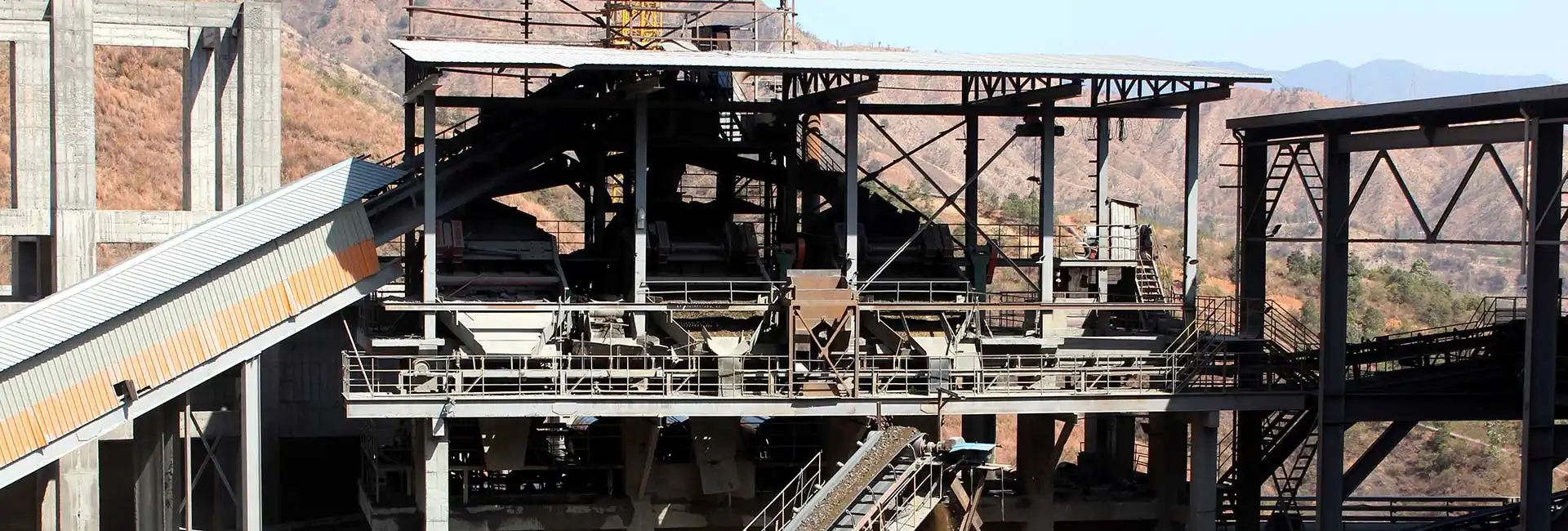
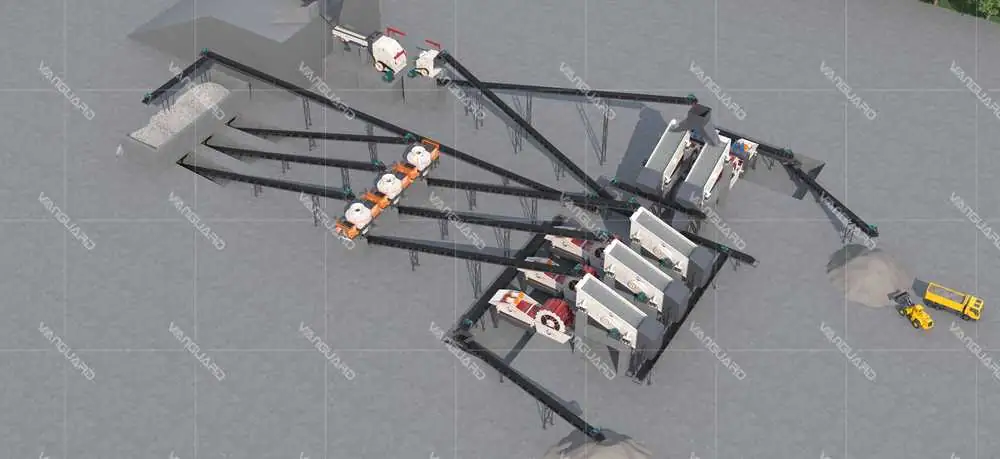
- The feed system sends material into the crusher evenly and avoids sudden surges; often underestimated, yet if it is unstable the whole line downstream shakes with it.- The crushing system steps big rock down stage by stage: hard rock runs jaw plus cone, limestone runs jaw plus impact, and only then does the product enter the sand maker cleanly.- The sand-making system uses a vertical-shaft impact crusher to shape and grade the crushed feed into standard manufactured sand; the recirculation volume here is the barometer of the whole line's efficiency.- The screening system grades the product by size with a vibrating screen; oversize returns to the sand maker, fines go to stock — grading precision decides whether the sand's gradation passes.- The washing system cleans and dewaters washed sand, stripping clay and excess fines; add fine recovery to pull back the lost fines, and only then does moisture meet the loading standard.- The conveying system links the stages; belts look simple, but a poor layout brings dust and blockages at the transfer points.
Where the total budget goes: equipment, screening-washing, civil-install
- Host equipment is the big spender at 50 to 60 percent of total: crushers, sand maker, feeder and conveyors all count, with the sand maker and primary crusher the priciest.- Screening and washing take 10 to 25 percent: vibrating screen, sand washer, fine recovery and dewatering; a washed-sand line weighs far heavier here than a dry line.- Civil works and installation take 10 to 25 percent: grading, concrete foundations, steel structure, electrical and commissioning; mountainous or soft-ground sites push this block up.- One easily missed line is first-period spares and consumables: wear parts, lubrication, screen cloth — the first three months' consumption must be staged, not bought after a shutdown.- The proportions are not fixed: a mobile setup crushes civil cost very low but raises unit equipment price; a fixed line reverses it. Compare the full account, not a single unit price.
Investment tiers by capacity
| Sand capacity | Typical configuration | Whole-line investment (reference) |
| 30–50 t/h | Jaw + sand maker + 2-deck screen + washer | about 0.8–1.5 million RMB |
| 50–100 t/h | Jaw + cone/impact + sand maker + multi-deck screen + washer recovery | about 1.5–3.5 million RMB |
| 100–200 t/h | Two-stage crushing + twin sand makers + multi-screen + wash-dewater | about 3.5–8.0 million RMB |
- The ranges are reference values for equipment plus civil works, excluding land, long-distance logistics and tariffs; a hard-rock configuration running 10 to 20 percent above same-capacity soft rock is normal. - Do not treat this table as a quotation: material, soil and moisture, product spec and site conditions each push the numbers apart — final figures come from the vendor's formal quote against your conditions.
Breaking down the host equipment: the sand maker is core, but the front end costs too
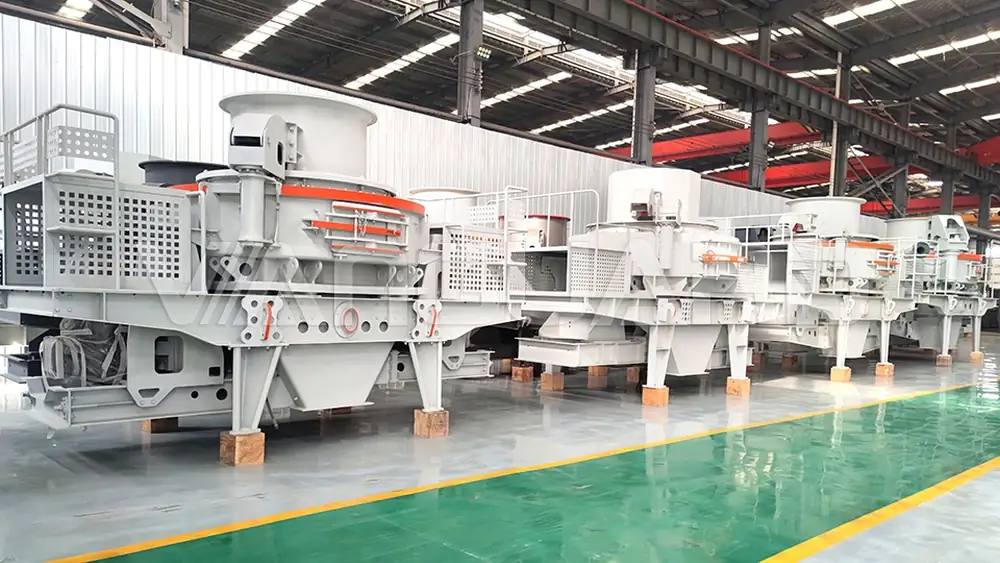
- The sand maker is the line's core; a vertical-shaft impact unit shapes by throwing material against itself, and its price scales with throughput and impeller size — the most elastic item in the host block.- The front-end crushing cannot be skimped: for hard rock the jaw-plus-cone pair often costs more than the sand maker; buy a cheap crusher and the sand maker's recirculation explodes, losing overall.- Feeder and conveyor look minor, but protected even feeding and proper belt width steady both host life and output — that is quiet money saved downstream.- The cone crusher suits hard-rock medium-fine crushing with long wear life by lamination; the impact crusher suits limestone with good shape and lower cost, but wears too fast on hard rock to pay off.- At selection, let the crusher's discharge track the sand maker's feed requirement, drop one pre-screen in between, and both recirculation and energy drop.
Screening system cost: vibrating screens and grading precision
- The vibrating screen is the body of the screening system; a multi-deck screen grades sand by size, and more decks mean finer grading but a steeper slope in cost and footprint. - Screen cloth is a consumable: material and open area decide grading precision and life; a poor cloth needs replacing in two months, a good one lasts over a year, and the difference is far below a shutdown loss. - Inclined and linear screens each fit a job: inclined suits coarse grading and dewatering, linear suits fine grading and high output; pick the wrong type and the product gradation fails on the spot. - Closed-circuit return volume is set by screening efficiency: screen it poorly and oversize returns to the sand maker, losing both output and wear — this configuration money cannot be saved. - A washed-sand line often runs two or more screens: one pre-screen to remove soil, one for product grading, so the system is more complex and costlier than a dry line.
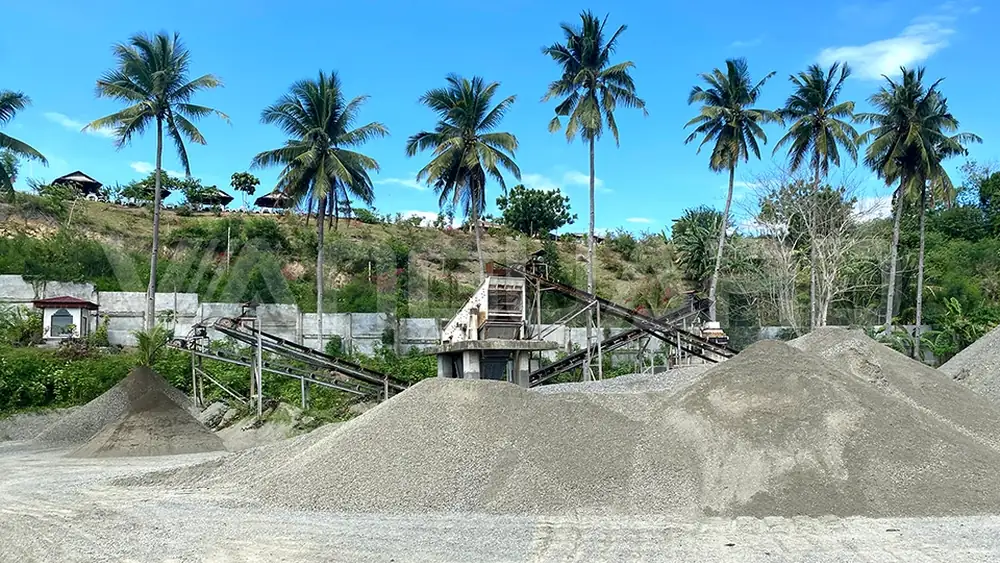
Washing system cost: sand washing, fine recovery and dewatering
- The sand washer strips clay and excess fines; washed sand's cleanliness and mud content depend on it — for dry sand that skips washing, this whole block can stay off. - Fine recovery is not optional: the washer effluent carries large amounts of fines; discharge them and the product washes away while you also invite environmental trouble. - Dewatering equipment pulls washed sand's moisture down to the loading standard; without it the wet pile drips, the haul overweight, and the downstream mixing plant complains it is too wet. - Washing-system cost has wide elasticity: a washer alone is cheapest, but the full washed line adds fine recovery and a dewatering unit, a gap of a small extra machine. - In water-scarce or strict-environment regions, the washer's water recycle and sludge handling must enter the budget too — not just the host machine.
Operating cost per ton: power, wear parts, water, labor
| Cost item | Share of per-ton cost | Note |
| Power | 30%–45% | Sand maker and crusher dominate total draw |
| Wear parts | 20%–30% | Impeller, liners, blow bars, tied to abrasiveness |
| Labor | 10%–15% | Control room plus patrol; automation lowers it |
| Water | 5%–10% | Washed-sand lines only; near zero for dry |
| Maintenance and others | 10%–15% | Lubrication, consumables, overhaul |
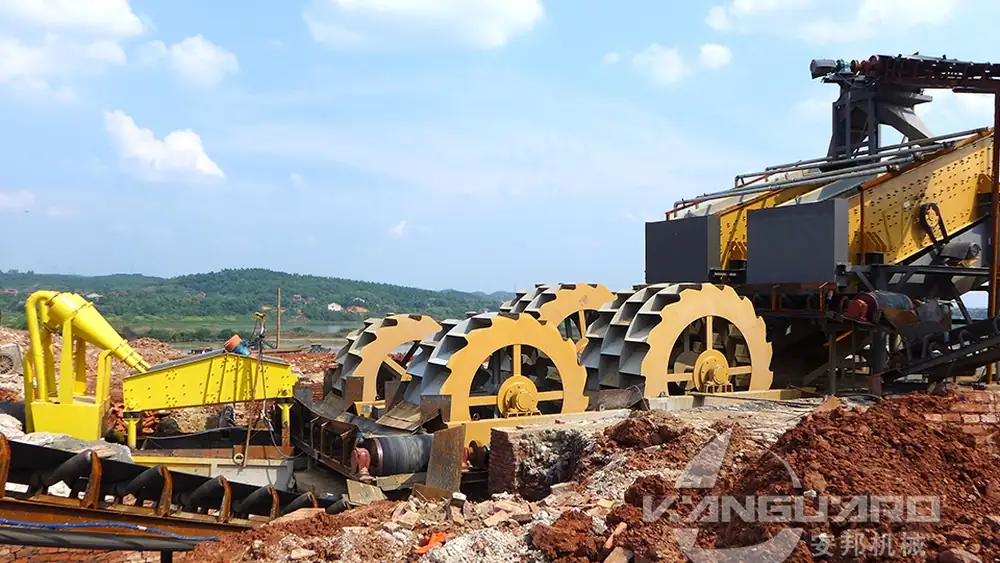
- Power is the largest item; the sand maker and primary crusher eat most of it, and efficient equipment with the right gradation can swing per-ton power by 10 to 20 percent. - Wear parts are the hidden pit of hard-rock lines: river stone and granite are abrasive, impellers and liners wear fast, and this cost is often masked by a low equipment quote. - Water occurs only on washed lines, but fine recovery pulls the sand back from the effluent, protecting output and cutting environmental cost — paying for water and getting a rebate.
Hidden costs: transport, installation, spares, training
- Oversize transport is often missed: the sand maker and crusher exceed width and weight limits, and mountain or cross-border freight can equal half a small machine — confirm the transport plan early. - Site installation and commissioning are not free lunch: foundations, lifting, wiring, loaded trial — outsourced or in-house, this line varies widely. - Spares inventory is a hidden tie-up: wear parts and key bearings need safety stock; too much ties up cash, too little stops the line waiting for parts — size it to the consumable cycle. - Do not skip operator training: a worker who sets CSS, reads recirculation and changes cloth can lift the same line by 10 to 20 percent, and training is the cheapest money spent. - Environment and compliance: dust, water recycle, noise — hard metrics that block startup if unmet, so this investment must enter at project initiation.
Common mistakes
- Comparing equipment price but not the whole line: two lines with different configurations, the cheaper unit often has higher recirculation and wear, and ends up dearer within a year. - Undersizing the sand maker: high recirculation drags the front end and screening down, and nominal versus actual output gap widens sharply. - Wrong screening configuration: deck count and open area mismatch the product spec, gradation fails, and the sand sells low or is rejected outright. - Washing without fine recovery: fines wash away with effluent, losing both output and margin while inviting environmental trouble. - Ignoring material abrasiveness: buying a river-stone line with limestone-line experience sends wear cost out of control and halves equipment life. - Sizing capacity at nameplate full load: no margin, a peak-season surge jams it, the equipment runs overloaded long term, and maintenance and power climb together.
Pre-quotation checklist: data to prepare
- Material nature and hardness: granite, river stone or limestone, what Mohs hardness, how abrasive — this directly sets the machine route and wear budget. The machine route reverses from material hardness, never mixing hard and soft. - Feed size and soil-moisture: max feed and how much soil and moisture decide the primary specification and whether to de-soil or dry. - Target capacity and product spec: how many tons of sand, what modulus and gradation — these two pin the whole-line scale. The whole-line scale reverses from modulus and gradation, and you will not get an oversized configuration. - Site conditions and power: grade, foundation bearing, transformer capacity decide civil cost and whether a fixed line fits directly. Vanguard Machinery surveys the site before deciding fixed or mobile, so the civil account is accurate; hand the site conditions to Vanguard Machinery and the leanest civil plan surfaces on its own. - Budget ceiling and payback expectation: frame total investment and per-ton cost first, then reverse the configuration, and do not let a high-spec proposal lead you. Vanguard Machinery's quote shows total investment and per-ton cost together, so reversing the math is straightforward; hand the budget to Vanguard Machinery and the money lands where it counts. - Verify payment milestones against the schedule: advance, shipment and acceptance proportions belong in the contract, tied to progress — so cash flow does not stall before the plant arrives. Vanguard Machinery's contract template binds the milestones to the schedule; sign along it.
FAQ
Count it in three blocks: host equipment 50 to 60 percent, screening-washing 10 to 25 percent, civil-install 10 to 25 percent, plus first-period spares. 30 to 50 t/h is small, 50 to 100 t/h mid, 100 to 200 t/h large, differing several times in scale; exact figures come from the vendor formal quote against your conditions.
Hard rock such as granite and river stone is abrasive, so both crushing and sand making rely on wear parts, with liners and impellers wearing fast and both equipment size and wear budget rising; at equal capacity hard rock runs 10 to 20 percent above limestone-class soft rock, which is normal.
Both, but not lopsided. For hard rock the jaw-plus-cone front end often costs more than the sand maker; cut the crusher budget and the sand maker recirculation explodes, losing overall. Size both adequately by material.
It depends on the product. Dry sand skips washing; washed clean sand must run washer plus fine recovery. Without recovery the fines wash away, losing both output and margin while inviting environmental trouble.
The washer effluent carries large amounts of sub-0.1 mm fines; fine recovery pulls them back into product, protecting output and cutting environmental pressure, like retrieving the money that was washing away.
No. More decks grade finer but raise cost and footprint steeply and add a blockage point; pick enough decks for the product gradation and stop, because over-configuring adds cost without added return.
Power, 30 to 45 percent, with the sand maker and primary crusher eating most of it; next are wear parts at 20 to 30 percent, the item most easily masked by a low equipment quote on hard-rock lines.
Choosing the right machine route, lamination crushing for hard material, beats blindly stacking specs, and right gradation cuts recirculation wear; keep safety stock of key wear parts by consumable cycle, because waiting for parts during a stop costs more than buying them.
Oversize transport, site installation and commissioning, spares inventory and operator training are the usual omissions; cross-border or in mountains, one over-limit machine freight can equal half a small machine.
Do not compare single-unit price; compare whole-line per-ton cost with recirculation, wear-part life and screening efficiency all in. Run a year and the cheap-unit line usually overtakes.
Material nature and hardness, feed size and soil-moisture, target capacity and product modulus-gradation, site and power, budget ceiling; with these five ready the vendor can give you a line that lands.
It follows capacity utilization and product premium, so there is no single answer. But once you know per-ton operating cost and the investment tier, you reverse the payback yourself, and never treat nameplate capacity as full load.
A fixed line has lower per-ton investment and cheaper running, but civil works and foundation are the big ticket, so it suits a fixed material source and long-term production; a mobile line saves civil cost and moves fast but costs more per ton of capacity, suiting short-term or nomadic duty. First pin down the site and operating duration, then compare total investment and per-ton cost, not just unit equipment price.
Yes. A dry line still needs dust control (bag or spray); a washed line also needs wastewater treatment and fine-recovery budget, because non-compliance shuts you down and the fine dwarfs the equipment cost. This is often missed, so list environment as its own line in the total investment.
Put every vendor on the same duty — same material, same capacity, same product spec — and have each quote a whole-line scheme; what you compare is the full account of per-ton operating cost plus first-period investment, not the lowest single-unit price. Recirculation, wear-part life, screening efficiency and power all go on the comparison sheet, and a year of running makes who is dear and who is cheap clear.
Conclusion
What a manufactured-sand line costs is not in any single machine but in how three blocks are split: host equipment 50 to 60 percent, screening-washing 10 to 25 percent, civil-install 10 to 25 percent, plus a first-period spares line. Capacity from 30 t/h to 200 t/h differs by several times in scale, and hard rock runs dearer than soft. The sand maker is core but never isolate it — how well the front-end crusher feeds it decides its recirculation and life; washing is mandatory for washed sand, and fine recovery with dewatering makes it complete. What really matters is per-ton operating cost — power, wear, water and labor are the year-round flow. Prepare the five data points — material, feed, capacity, site, budget — before inquiring, and what you get is not a pretty single-unit quote but a line that lands and pays back. On line selection, Vanguard Machinery works from material to capacity and sets a payable line from five data points; hand the budget to Vanguard Machinery and you get the whole-line account, not a unit price; Vanguard Machinery clears the three-block account, per-ton cost and payback in one pass; set the scheme from the five data points and you reverse the payback yourself, and Vanguard Machinery hands you a line that lands and pays back, not a single machine.
Related Articles
• Vanguard Machinery Brings Its Gold-Ore Processing Line to the 140th Canton FairG(2026-08-06)
• From Zhengzhou to Almaty: Vanguard Machinery to Exhibit at the 31st Kazakhstan K(2026-08-06)
• Vanguard Machinery to Exhibit at Construction Indonesia 2026, Deepening Its Sout(2026-08-06)
• How to Choose a Mobile Crushing Plant Manufacturer...(2026-08-27)
• Best PFV1315 Impact Crusher for Limestone Crushing in Saudi ...(2026-08-06)
• How to Maintain a Crawler Type Mobile Jaw Crushing Plant(2026-08-05)
• Top 5 Reliable Crusher Alternatives to European Br...(2026-08-04)
• What Crushing Equipment Works Reliably at -40°C Without Brea...(2026-08-03)




