

Key Takeaways
- In a capacity-expansion retrofit, don't start by fitting the biggest jaw; first pin down the target throughput, then work back to what the ore bin, feeder and jaw each must pass.- The three must run in lockstep: bin drawdown rate = feeder rate = jaw intake rate. Whichever is slowest is the bottleneck.- For the bin, it's "live capacity" that matters, not total volume; what can't discharge is effectively zero.- Feeder width should be 1.2-1.5x the maximum lump; leave 10%-30% margin for choke feeding so the jaw chamber stays full and liners wear evenly.- Jaw selection rests on "max feed size + target capacity + CSS"; closing the CSS adds capacity but also more fines and slightly shorter liner life.
Why an expansion retrofit starts with these three
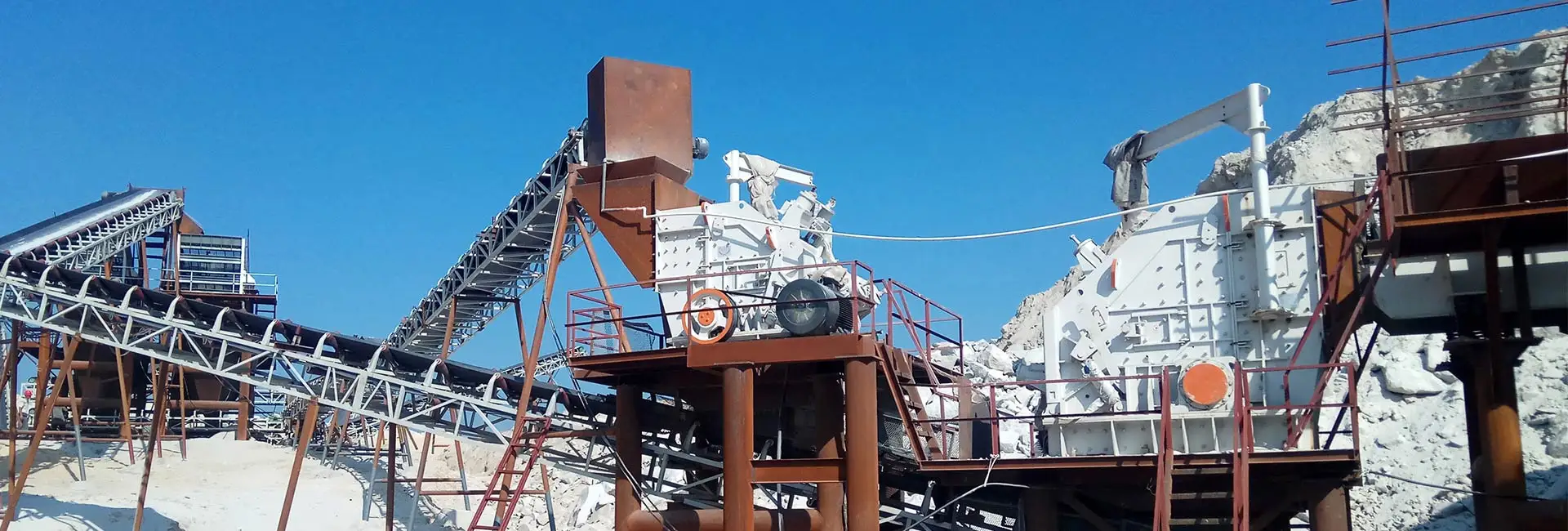
- The "throat" of a fixed crushing line is at the head: trucks dump ore into the bin, the feeder under it meters the rock steadily into the jaw, and the jaw delivers coarse product downstream. Choke the head and everything behind runs empty. - To lift the whole line, lift the head's pace first; upgrade only the tail while the head lags and the tail still waits for feed. - No formulas here - start from target capacity and work back to each stage's throughput, then cover how to spec the bin, feeder and jaw and chain them into one blockage-free line.
Set the target first, then work back stage by stage
- Example: running 200 t/h, want 350 t/h. It's not just a bigger jaw; the bin, feeder and jaw all re-tune to the 350 rhythm. - Logic: target jaw throughput 350, with 1.1-1.2x margin for return and variation -> size equipment at the 385-420 t/h class; feeder capacity >= the jaw's max intake x 1.1; bin live capacity covers the truck cycle plus buffer. - The table below is a guide - adjust for material density and lump size.
| Target (t/h) | Bin live capacity (t) | Feeder width (mm) | Jaw model (guide) |
| 150 | 60-100 | 960-1100 | PE-600x900 / C6X80 |
| 250 | 100-160 | 1100-1200 | PE-750x1060 / C6X100 |
| 350 | 160-260 | 1200-1300 | PE-900x1200 / C6X110 |
| 500 | 240-400 | 1300-1500 | PE-1000x1200 / C6X125 |
How to spec the ore bin
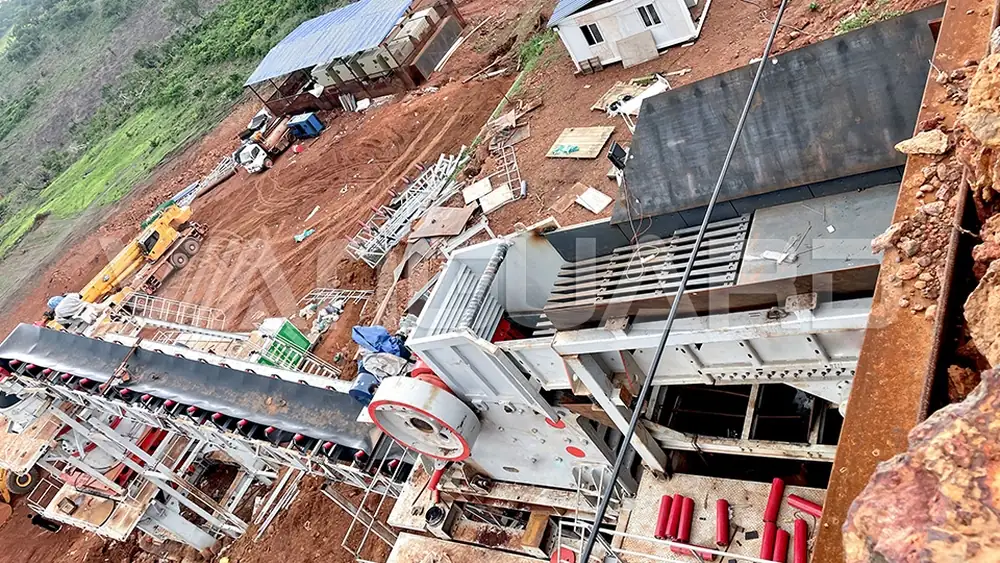
- Live capacity (what gravity can discharge) is the real number; material trapped in dead zones doesn't count. - With more and larger trucks after expansion, size the bin from "truck cycle time x crusher feed rate," covering at least 30-60 minutes of continuous feed so trucks don't queue. - Discharge opening >= 2-3x the max lump, wall angle steeper than the angle of repose (usually > 50 degrees), and if needed add air cannons or knockers against bridging. - Fit a hydraulic gate or variable feeder under the bin so you hold the "drawdown rate" in your hand; the bin stops being a black box.
How to choose the feeder
- Width = max lump x 1.2-1.5; at 500 mm lumps use an 1100-1300 mm feeder - narrower and it bridges and segregates. - Leave 10%-30% margin for choke feeding: a full jaw chamber gives peak capacity and even liner wear. - Use variable-frequency control to tune speed to the jaw's amperage and intake - no starving, no overloading. - For sticky, wet feed, pick a heavy-duty apron feeder or add pre-screening to divert clay and fines so the jaw doesn't bog down.
How to size the jaw
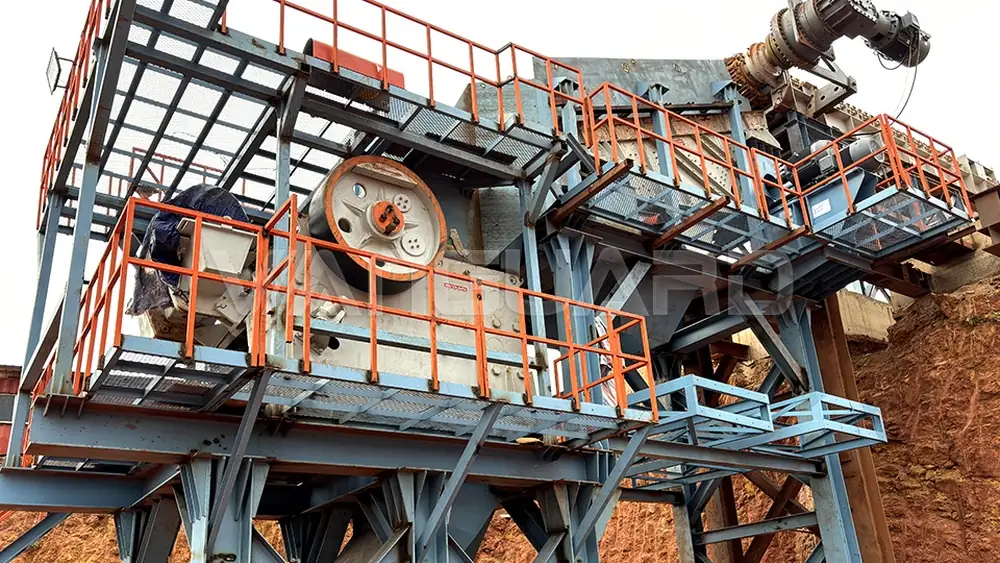
- Three inputs: max feed size (sets the opening and cavity), target capacity (sets machine size), CSS (sets product size and throughput). - On the same machine, closing the CSS typically adds 15%-30% capacity, but more fines and slightly shorter liner life - try closing first, then upsize. - Feeder delivery rate must be >= the jaw's max intake; otherwise the jaw runs hungry and the bigger bin and feeder are wasted.
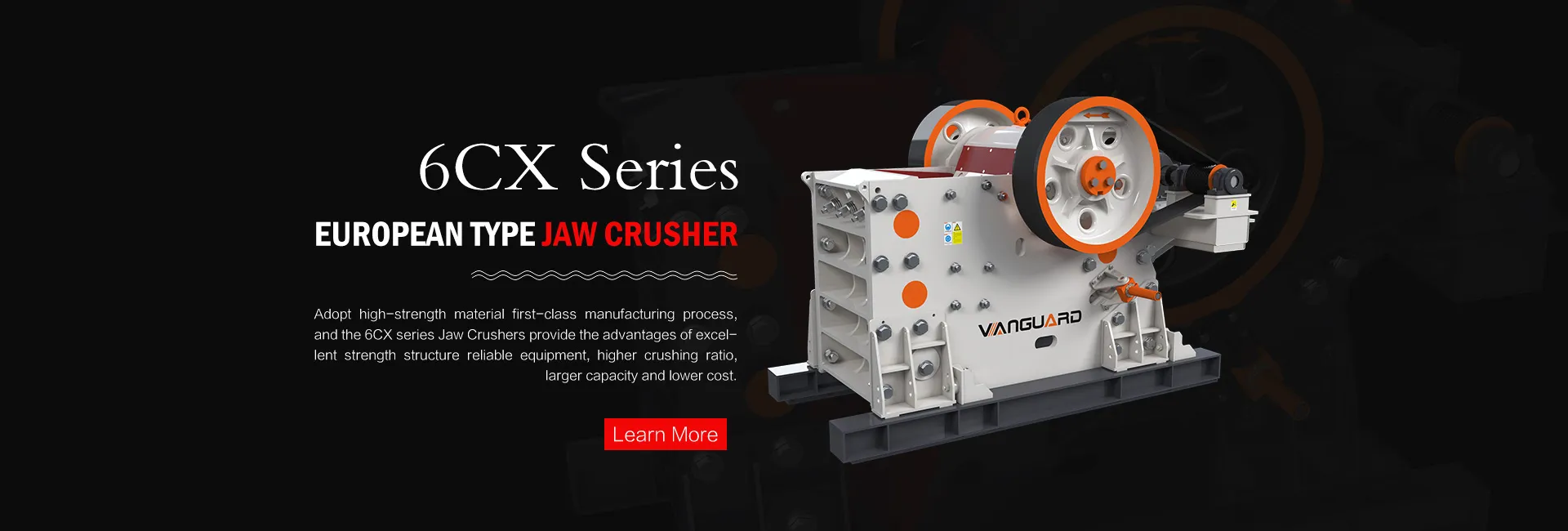
Vanguard Machinery builds the C6X and PE jaw series and the ZSW vibrating feeder series precisely on this "max feed + target capacity + CSS" logic, so at retrofit time you can check directly against the table and leave no capacity gap between bin, feeder and machine.
How the three chain together: find the bottleneck
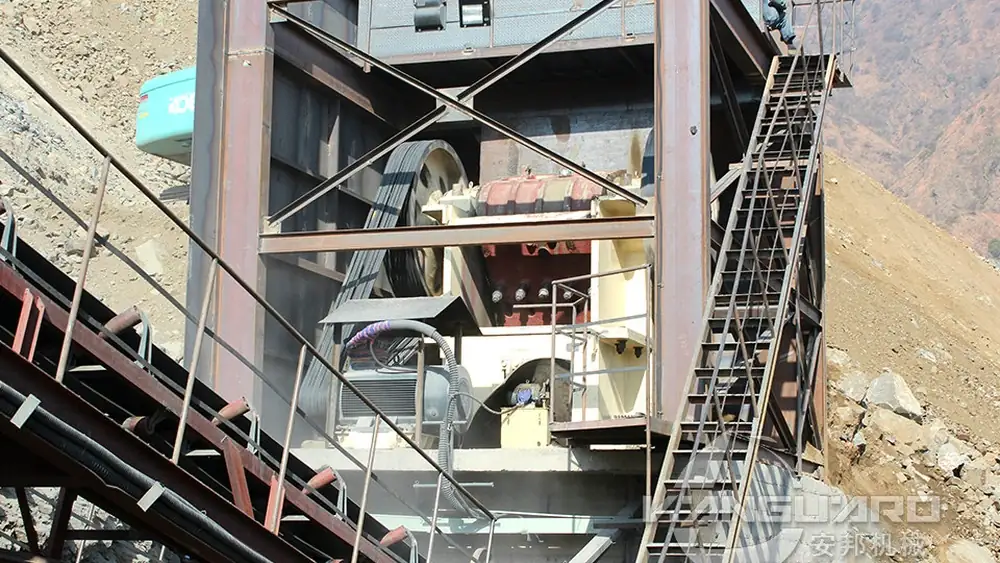
- Picture the chain: drawdown rate -> feeder rate -> jaw intake rate. Equal means balanced; total capacity equals the slowest stage. - Trucks queuing = bin too small or drawdown too slow; material piling before the feeder while the jaw runs empty = feeder slow or jaw too fast; jaw choking with high return = jaw too small or CSS too tight. - Retrofit order: measure each stage's real throughput, find the slowest, upgrade only that - spend on the sore spot.
Retrofit checklist
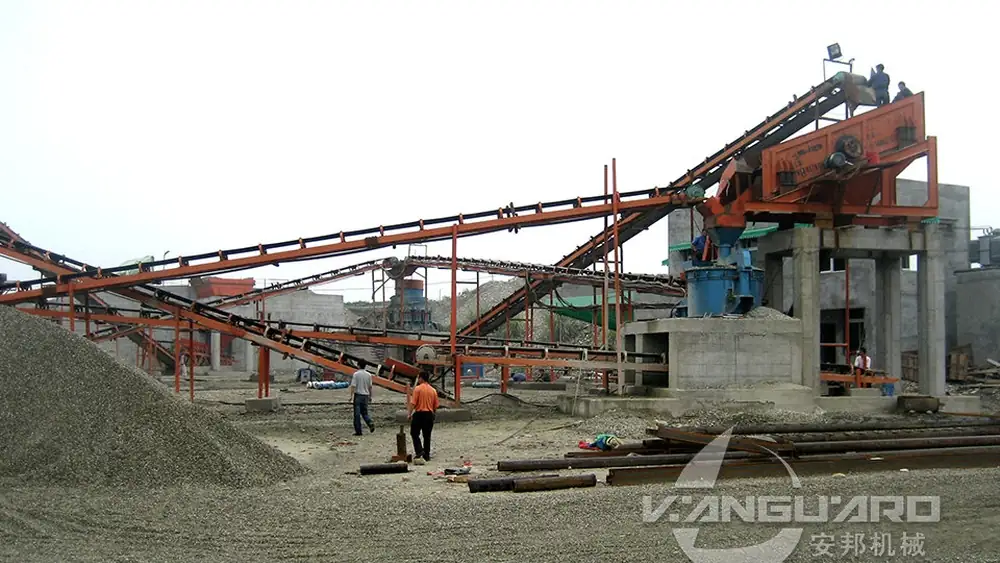
- Survey the existing bin geometry, feeder model, jaw cavity and CSS; capture the baseline throughput. - Calculate the three-stage config for the target; decide "tuning only" vs "equipment change," and state scope and shutdown window. - Check civil works: bin reinforcement, feeder base dynamic load, jaw motor uprate. - Spares: jaw plates, liners, feeder bars staged in advance to minimize downtime.
Pre-commissioning acceptance
- No-load run: feeder speed linearity, jaw rotation and lubrication, correct interlock sequence. - Loaded run: ramp from 60% to target; verify the three stages share one rhythm, no bridging or choking. - Sampling: product size distribution and achieved capacity; if off, tweak CSS or feeder speed and re-measure.
Frequently Asked Questions
The head is the line's bottleneck; if it stalls, everything behind runs empty. Raise the head's pace first to lift the whole line.
Look at live capacity - enough to cover the truck cycle plus a 30-60 min buffer, sized from target capacity x time. Bigger isn't better; too large means more footprint and dead stock.
Live capacity is what gravity can discharge; material trapped in dead corners doesn't count, so only live capacity enters the calculation.
Width = max lump x 1.2-1.5 to avoid bridging and segregation; at 500 mm lumps use an 1100-1300 mm feeder.
10%-30% for choke feeding, so the material fills the jaw chamber for peak capacity and even liner wear.
Both: max feed sets the opening and cavity, target capacity sets the machine size, and CSS tunes product size and throughput.
On the same machine it typically adds 15%-30%, but with more fines and slightly shorter liner life - try closing first, then upsize.
Discharge opening >= 2-3x max lump, wall steeper than the angle of repose, add air cannons or knockers for flow aid, and use a variable feeder to control rate.
The bin buffers them: bin volume covers the truck cycle and the feeder meters the rock steadily into the jaw, decoupling the two via that reservoir.
Only if the existing feeder already meets the new jaw's intake rate; otherwise the feeder becomes the new bottleneck.
With sticky or high-clay feed, yes - scalp the fines so the jaw doesn't bog down and downstream screening eases.
Large enough opening, steep enough walls, flow aids when needed, and for stubborn cases switch to a mass-flow hopper shape.
Material piling before the feeder while the jaw runs empty means the feeder is slow; a choking jaw with high return means the jaw is too small or CSS too tight.
Tuning may need none or a short stop; equipment change is usually a few days, shortened by pre-staged spares and parallel work.
Vanguard Machinery can run a three-stage match from your material and capacity, with a site survey and a retrofit scope based on the sizing table, so you don't pick by guesswork.
Conclusion
An expansion retrofit is not just "fit a bigger jaw" - it's re-aligning the bin, feeder and jaw to the target capacity's rhythm. Set the target, work back to each stage's throughput, size the bin by live capacity, the feeder by width and margin, the jaw by its three inputs, then chain the three into one blockage-free line and upgrade only the slowest stage. Run this logic and the expansion budget lands where it pays off.
Related Articles
• Why Is My Jaw Crusher Wearing Out Too Fast? Causes...(2026-07-09)
• Vanguard Machinery Brings Its Gold-Ore Processing Line to the 140th Canton FairG(2026-08-06)
• From Zhengzhou to Almaty: Vanguard Machinery to Exhibit at the 31st Kazakhstan K(2026-08-06)
• Vanguard Machinery to Exhibit at Construction Indonesia 2026, Deepening Its Sout(2026-08-06)
• How to Choose a Mobile Crushing Plant Manufacturer...(2026-08-27)
• Best PFV1315 Impact Crusher for Limestone Crushing in Saudi ...(2026-08-06)
• How to Maintain a Crawler Type Mobile Jaw Crushing Plant(2026-08-05)
• Top 5 Reliable Crusher Alternatives to European Br...(2026-08-04)




