

Project Overview
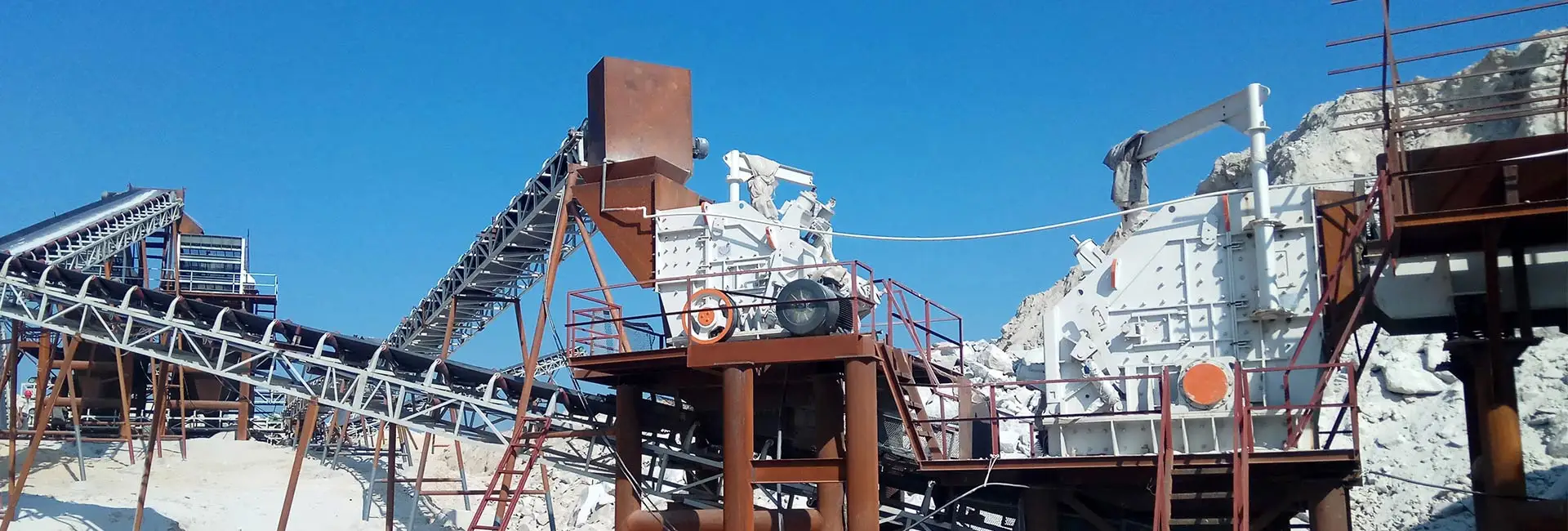
In 2024, a downtown redevelopment demolition site in Hanoi, Vietnam produced about 2,000 t/day of demolition C&D waste — concrete chunks and brick mixed with rebar — which crews used to haul to distant landfill at high cost, wasting space. The owner wanted to convert it on site into recycled aggregate for nearby road base and block plants. Vanguard Machinery configured a mobile crushing line to the site conditions; it went into production in Q2 2024 and has run steadily since.
1. Customer Requirements
- Throughput: 200 t/h (one 10-hour shift ≈ 2,000 t/day) - Feed: demolition C&D waste, 0–600 mm, 8–12% mud, mixed with rebar and wood chips - Product: multiple grades 0–5 / 5–10 / 10–20 / 20–40 mm of recycled aggregate, low flakiness, mud within spec - Constraint: the post-demolition site sits on unpaved ground; the line must be towed between sites and relocate often, with no poured foundation
2. Material Analysis: Three Concrete-Recycling-Specific Challenges
Demolition feed is not a homogeneous ore. Whether C&D recycling succeeds comes down to three issues specific to concrete: - Rebar is a "foreign object": concrete blocks carry rebar; feeding it straight in jams the chamber and damages liners, so the line separates it up front. - High mud content: brick and fill soil bring 8–12% mud that cakes the mesh and raises fines in the product, so it must be pre-screened off. - Shape must pass: recycled aggregate going to road base and block plants must keep flakiness and mud down, or it won't sell at price. We built every stage of this line to counter those three problems.
3. Process Design
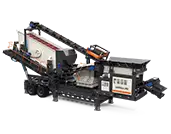
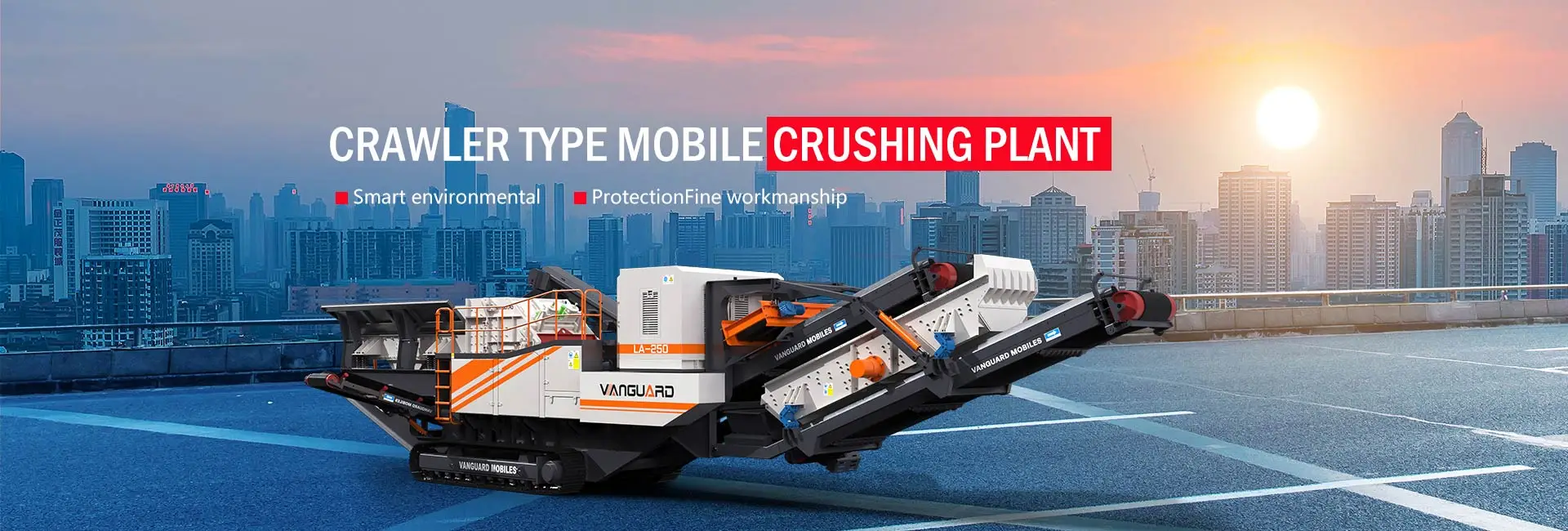
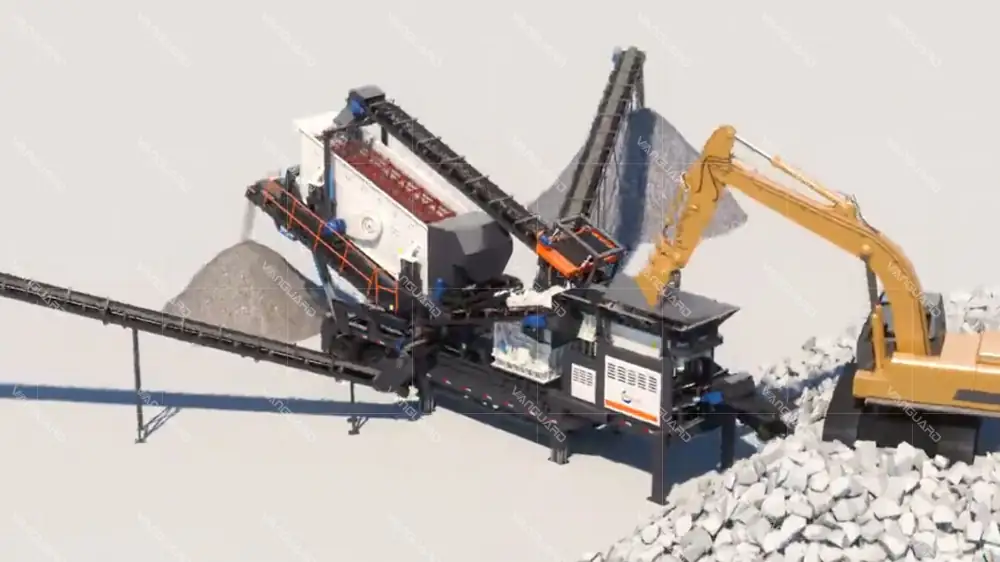
Main line: demolition feed → Tire Type Combined Mobile Crushing Plant VPM-3 (its own grizzly feeder pre-screens mud, integrating crushing and a 3-deck screen for secondary crush, shaping and closed-circuit screening) → belt magnetic separator pulls rebar → recycled aggregate 0–5/5–10/10–20/20–40 mm + scrap rebar + trash
4. Equipment Configuration
| Stage | Equipment | Role |
| Core unit | Tire Type Combined Mobile Crushing Plant VPM-3 | Its own grizzly feeder pre-screens mud, integrates crushing and 3-deck screen; one station does coarse-to-grade, shaping and closed-circuit, output 0–40 mm recycled aggregate |
| Supporting iron removal | Belt magnetic separator | Pulls rebar, protects host, keeps product clean |
5. Production Performance
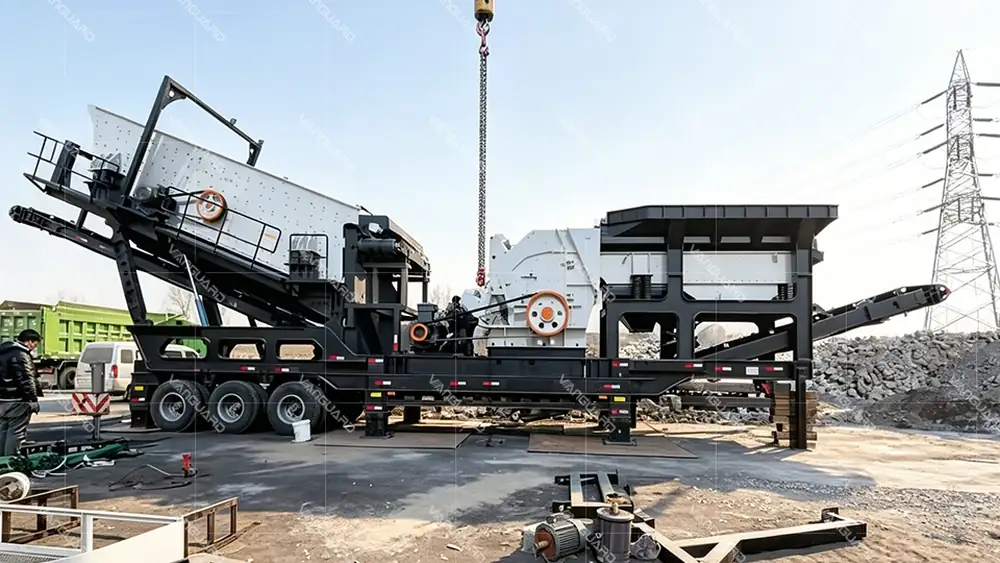
Six months of operation measured: 180–210 t/h, averaging about 200 t/h; recycled aggregate mostly cubical, flakiness under 12%, mud under 3%; about 3–5 t of scrap rebar recovered per shift, sold directly; 0–5 mm to nearby block plants, 5–40 mm to road base and backfill. The owner's math: on-site recycling saves about ¥35 per tonne versus landfill haulage, paying back the equipment in one year.
| Metric | Design | Measured |
| Throughput | 200 t/h | 180–210 t/h |
| Flakiness | < 15> | < 12> |
| Product mud | < 5> | < 3> |
| Scrap rebar | — | 3–5 t/shift |
| Payback | — | ~12 months |
6. Lessons Learned
- Pre-screening mud is non-negotiable: VPM-3's own grizzly feeder splits mud and fines first, so the back end does not clog and product stays clean. - Magnet must be strong with wide belt: rebar into the chamber shatters liners and hurts the host; even single-stage iron removal must keep iron down. - One station equals one line: VPM-3 integrates feeding, crushing and screening on a single tire chassis; tow it away and go — it saves ground and connections versus several stations. - Closed-circuit sizing: oversize auto-returns for recrush, giving continuous gradation that sells at price.
7. FAQ
No. It is towed by a tractor between sites; on site it levels and stabilizes with its built-in telescopic outriggers, again with no poured foundation; short turning radius makes getting in and out of post-demolition sites easy, and it produces once you connect power.
VPM-3's integrated crusher breaks the concrete apart first; rebar is flung out of the crushing chamber and stays out of the screen, the belt magnetic separator catches it at discharge, and single-stage removal keeps iron down without hurting the host.
By the owner's actual per-shift feed tonnage; this line runs at 200 t/h with margin against starvation.
0–5 mm goes to block and mortar, 5–20 mm to road base and fill, 20–40 mm to backfill, and clean graded material reaches the spec-aggregate channel.
Yes, so VPM-3's own grizzly feeder splits the mud and fines first; the crushing and screening sections stay clear and product mud meets spec.
The tire plant is towed by a tractor; on site you just level it with the outriggers — no poured foundation. Post-demolition ground and normal sites are fine; fold the belt, connect power and start — relocation setup is minimal.
Yes. We configure a single machine or combined mobile line by your feed size, rebar content, output and site, with free material analysis by sample before you order.
Related Articles
• 300 TPH Mobile Crusher: Configuration, Capacity and Selectio...(2026-07-22)
• Vanguard Machinery Showcases Crawler-Type Mobile Crushing & Screening Plants at(2026-08-06)
• Vanguard Machinery Showcases Mobile Crushing & Screening Plants at MINEENTRA 202(2026-08-06)
• 200 t/h Limestone Crushing-and-Sand-Making Plant in Malaysia: Five-Size Mobile L(2026-08-06)
• Best PFV1315 Impact Crusher for Limestone Crushing in Saudi ...(2026-08-06)
• How to Maintain a Crawler Type Mobile Jaw Crushing Plant(2026-08-05)
• Top 5 Reliable Crusher Alternatives to European Br...(2026-08-04)
• What Crushing Equipment Works Reliably at -40°C Without Brea...(2026-08-03)




