

Expert Opinion
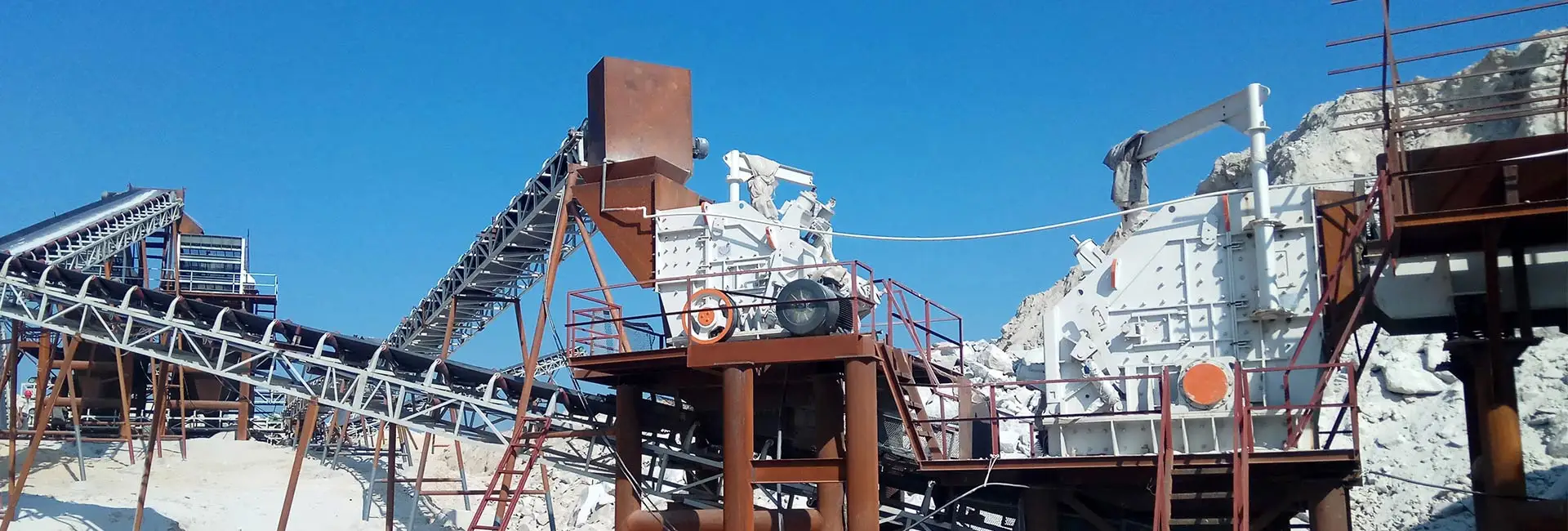
For high-silica, abrasive hard rock such as copper or iron ore, pick a cone crusher for medium and fine crushing: it crushes by lamination, wears slowly, holds shape, and keeps operating cost low over time. An impact crusher strikes with blow bars; it gives a prettier cube and a bit more sand, but on abrasive ore the bars wear fast and running cost climbs, so it suits limestone or demolition waste better. Rule of thumb: hard and abrasive goes cone; softer and shape-driven goes impact. The data below shows why.
Key Differences
| Aspect | Cone Crusher | Impact Crusher |
| Best application | Hard rock medium/fine (copper, iron, granite) | Low-abrasion (limestone, demolition) |
| Suitable material | High silica, abrasive | Low-mid abrasion, brittle |
| Feed size | Mid lumps, up to 300 mm typical | Mid lumps, up to 600 mm |
| Product shape | Good cube, few flats | Excellent cube, slightly more sand |
| Operating cost | Low wear, steady power | Bars wear fast, cost higher |
| Maintenance | Compact, hydraulic clearing | Frequent bar changes |
Spec Snapshot
| Metric | Cone Crusher | Impact Crusher |
| Feed size | Up to 300 mm | Up to 600 mm |
| Throughput | Mid-high by chamber | Mid by rotor |
| Shape | Good | Excellent (more 3-D) |
| Wear parts | Mantle/concave, long life | Blow bars / aprons, fast wear |
| Investment | Higher upfront | Lower upfront |
Product Overview
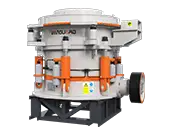
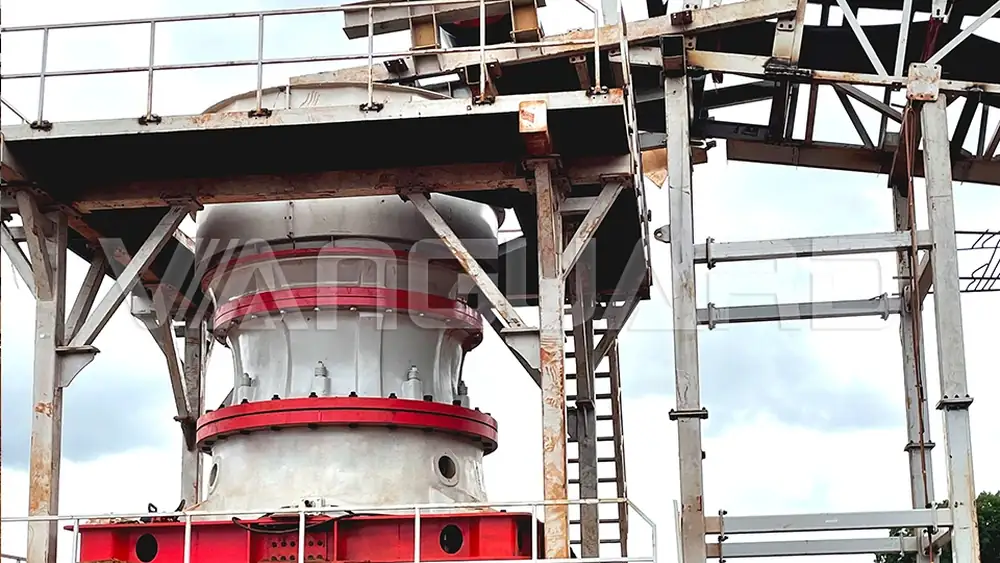
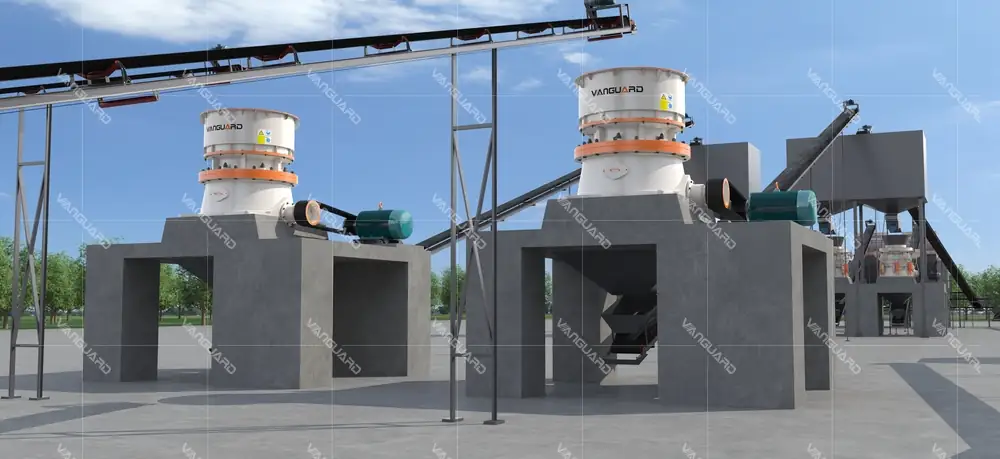
The cone gyrates and laminates; it loves hard rock and runs continuously, with hydraulic overload and chamber clearing as standard. The impact spins a rotor that flings material against aprons; output is blocky with good gradation, and bar changes are routine. Both make cubes; they differ in wear logic. Vanguard Machinery builds both types to this logic.
Performance Comparison
| Dimension | Cone Crusher | Impact Crusher |
| Capacity | High on hard rock | High on low-abrasion |
| Feed size | Mid lumps | Takes larger lumps |
| Product shape | Good | Better |
| Wear resistance | Strong | Mid (weak when abrasive) |
| Energy use | Steady | Slightly higher |
| Maintenance | Few, central | Frequent bar swaps |
Best Applications
| Duty | Pick |
| Granite | Cone |
| Limestone | Impact |
| Demolition waste | Impact |
| River stone | Cone |
| Quarry hard rock | Cone |
| Mine (copper/iron) | Cone |
Advantages & Limitations
Cone: wears well, steady output, low running cost, fits hard ore. Limits: higher upfront, sensitive to clay in feed, needs closed circuit for fine control. Impact: pretty shape, eats big feed, low upfront, sand aids concrete mix. Limits: bars wear fast on abrasive ore, running cost rises.
Which One Should You Choose?
Read the ore first. High silica, abrasive, high volume goes cone. Low-mid abrasion, shape and mix gradation matter, big feed goes impact. Tight budget but need shape: start impact, add cone when hard ore scales up. For copper ore, the cone is home turf.
FAQ
High silica and abrasion; the cone laminates, wears slowly, and costs less to run at volume.
It can, but blow bars wear fast on abrasive ore and running cost climbs, so it pays less.
Both cube; impact is more 3-D with slightly more sand, cone shows fewer flats and less sand.
Impact often takes larger lumps directly; cone handles mid lumps more steadily.
Cone usually costs more to buy, but wears less and saves over time.
Cone needs little, central work (hydraulic clearing); impact needs regular bar changes.
Low abrasion, shape and gradation matter goes impact fits better.
Common: cone as hard-ore workhorse, impact for soft ore or shaping duty.
Yes; the cone relies on it to cap top size and hold gradation.
Run cone as the medium/fine core, with closed screen and enough wear-part stock.
Related Articles
• Hydraulic vs Spring Cone Crusher: What Sets Them Apart and How to Choose(2026-07-22)
• Why Is My Jaw Crusher Wearing Out Too Fast? Causes and Fixes(2026-07-09)
• Vanguard Machinery Showcases Mobile Crushing and Screening Plants at MINEENTRA 2026 Zimbabwe
• 200 t/h Limestone Crushing-and-Sand-Making Plant in Malaysia: Five-Size Mobile Line
• Why Mobile Crushing Plants Are Becoming Popular in Zimbabwe Mining Projects(2026-07-23)
• 300 TPH Mobile Crusher: Configuration, Capacity and Selection(2026-07-22)
• Crawler Mobile Crusher Price: What Drives the Cost of a Crawler Plant(2026-07-20)
• What Is an Impact Crusher? How It Works, Types and How to Choose(2026-07-17)




