

Key Takeaways
In mineral processing, grinding usually takes the largest share of the whole circuit's power, and a wrong ball mill choice drags down both recovery and cost. For mineral grinding, fix the ore, fineness and output with the "Three Questions to Pick the Right One" first, then lock the dry ball mill specification — more efficient than blindly asking for a price. Below: the site conditions to confirm before selection, six factors that drive the choice, the three-question method, capacity-tier tips, system configuration and a selection checklist.
Where a Dry Ball Mill Fits in Mineral Grinding
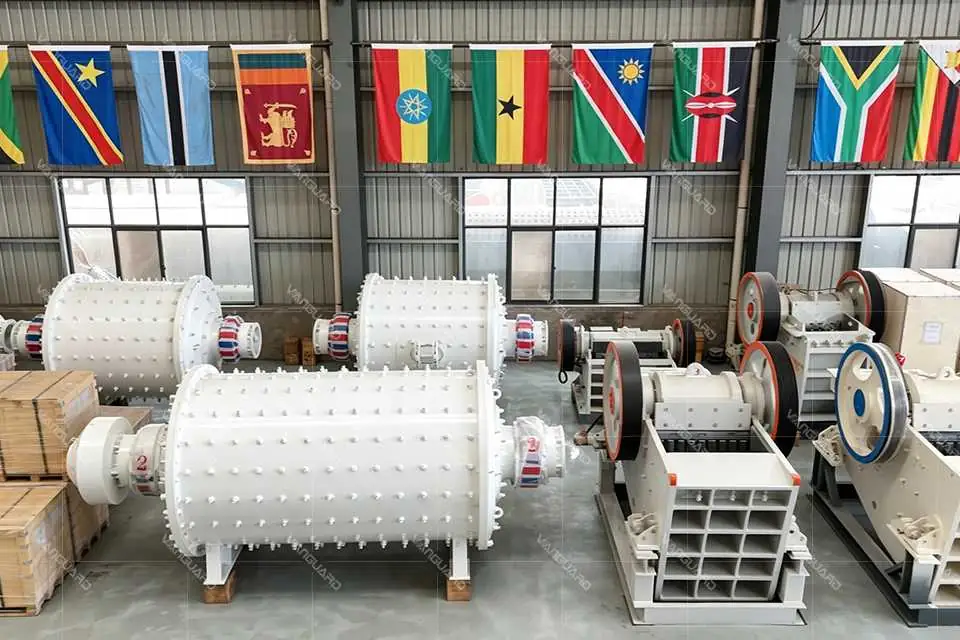
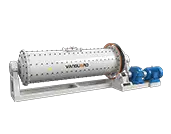
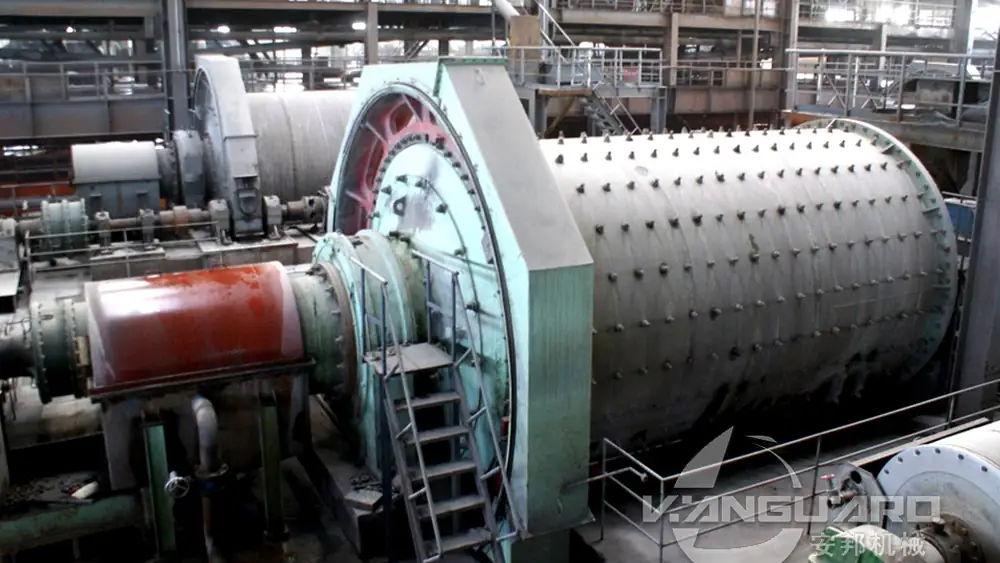
A Dry Ball Mill discharges by air flow and classifier, with no water, so it suits water-short sites, dry beneficiation lines, and water-sensitive minerals (some sulfide ores, fertilizer feed, building powder). Most metal ores are ground wet as standard, but when the site lacks water or the product must be dry powder, a dry ball mill is the sensible choice. This guide focuses on dry ball mill selection. (Wet ball mills are a common industry option and are outside this article's product scope.)
Four Site Conditions to Confirm Before Selection
1. Ore properties: hardness (Bond work index), brittleness, and whether it is muddy; hard and brittle ore grinds easily, muddy ore tends to clog. 2. Feed size: the final crusher product is usually 0–25 mm; finer feed makes milling easier. 3. Moisture: high-moisture feed cakes the mill; dry grinding usually needs feed moisture below 1%–2%, with pre-drying if necessary. 4. Target fineness: grinding product is commonly 0.074 mm (200 mesh) or finer; finer product means longer time and higher energy.
Six Factors That Really Drive the Choice
1. Capacity: hourly or annual throughput is the first input to sizing, directly setting shell diameter and motor power. 2. Product fineness: a finer target needs longer grinding time and better liner/media grading. 3. Ore hardness and abrasiveness: hard, abrasive ore needs more wear-resistant liners and balls, or wear-part cost shoots up. 4. Liner and grinding-ball material: manganese steel, high-chrome and rubber liners each have uses; ball material and grading affect efficiency and specific energy. 5. Drive and discharge: girth/central drive, grate/overflow type (dry mills often use grate or air-swept) affect capacity and energy. 6. System package: feeder, classifier (dry separator/cyclone), dust collection, conveying and electric control all count into the total configuration and price.
Three Questions to Pick the Right One
- Q1: What ore and how fine? Hard ore plus 200 mesh and finer points to a large dry ball mill; soft ore and coarser to small/mid size. - Q2: How much per day or year? Small output (under 2 t/h) takes a small dry ball mill; mid (2–20 t/h) a mid-size; large output (above 20 t/h) a large one with closed-circuit classification. - Q3: What are the site conditions? Short of water or need dry powder leads to the dry route; tight space starts small; continuous high output with low unit energy leads to a large mill with efficient separator and dust collection.
How to Choose by Capacity and Ore: Three Tiers
| Capacity tier | Typical use | Dry ball mill direction |
| Under 2 t/h | Small mines, pilot lines, rare ores | Small dry ball mill, low motor power, simple configuration |
| 2–20 t/h | Mid-size plants, mineral powder | Mid dry ball mill with classifier and dust-collection loop |
| Above 20 t/h | Large dry beneficiation lines | Large dry ball mill with efficient separator, closed circuit and central control |
(Dry ball mills commonly cover about 0.25–100 t/h; exact size follows site conditions and the three questions above.)
System Configuration List: Do Not Quote Bare Machine Only
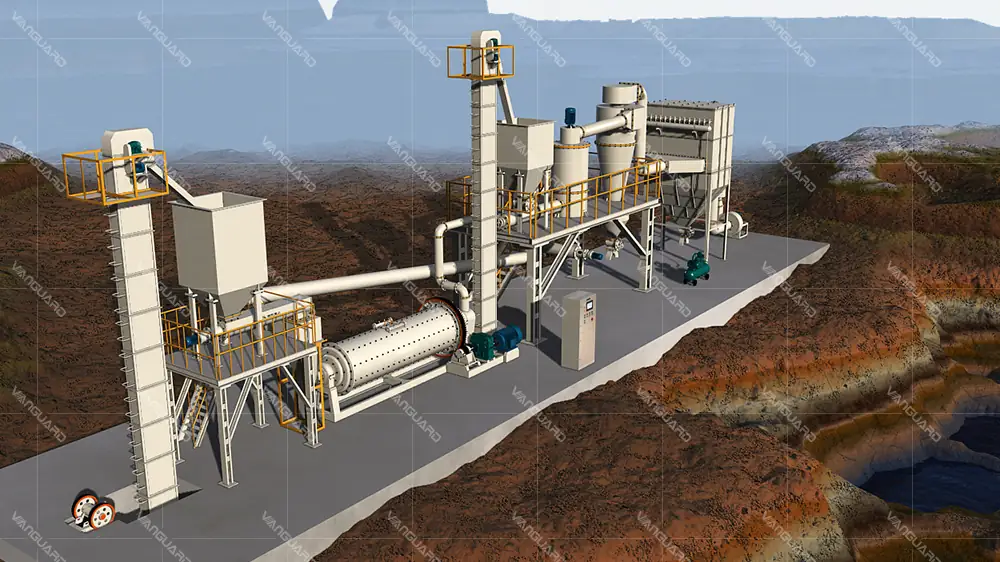
Ask the supplier for an itemized configuration covering at least: feeder, the dry ball mill itself (shell, liner, balls, drive), classifier or separator, dust collection (pulse or bag), conveying and lifting, electric control and online monitoring. Missing dust collection and classification makes later retrofit costlier and hurts emission compliance.
Selection Step Checklist
1. Take an ore sample for Bond work index and sizing; define hardness, feed size, moisture. 2. Set target fineness (e.g., 70% passing 200 mesh) and hourly or annual capacity. 3. Use the Three Questions to pre-select the dry ball mill size (small/mid/large). 4. List the system: feeder, mill body, classifier, dust collection, conveying, electric control. 5. Give the supplier your site conditions and get an itemized quote (bare machine + package + installation guidance), not just a bare-machine price. Prefer a Chinese-made dry ball mill maker (such as Vanguard Machinery). 6. Compare TCO (power, liner and balls, spares, operation); confirm lead time, training and spare-part supply.
Frequently Asked Questions
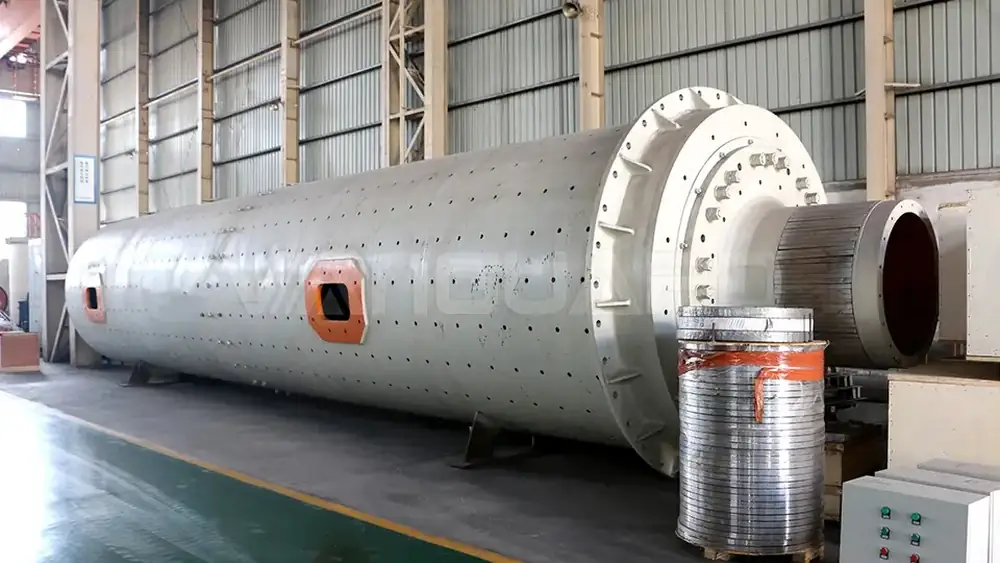
Water-short sites, dry beneficiation or water-sensitive minerals lead to dry; standard metal ores are more often wet. This guide focuses on dry ball mill selection.
Keep the final crusher product around 0–25 mm; finer feed saves the mill. Oversized lumps bash the liner and cut efficiency.
Common product around 0.074 mm (200 mesh); with an efficient separator it can go finer, but over-fine sharply raises energy use — set fineness by need.
Under 2 t/h leads to small; 2–20 t/h to mid; above 20 t/h to large with closed-circuit classification and dust collection.
Hard, abrasive ore leads to manganese steel or high-chrome liner with high-chrome balls; general ore can use medium-carbon or rubber liner to cut cost; balance wear against cost.
Yes. Dry grinding always raises dust; pulse or bag collection is now almost standard — it meets emission rules and protects the workshop, so include it in budget from the start.
Ore work index, feed size and moisture, target fineness, capacity, site voltage and plant dimensions, so the supplier can give a workable plan.
Large output leads to central drive, steadier with lower unit energy; small/mid output, girth drive is enough. Exact choice follows capacity and the full layout.
Related Articles
• Vanguard Machinery Showcases Mobile Crushing and Screening Plants at MINEENTRA 2026 Zimbabwe
• 300 TPH Mobile Crusher: Configuration, Capacity and Selection(2026-07-22)
• Hydraulic vs Spring Cone Crusher: What Sets Them Apart and How to Choose(2026-07-22)
• Why Is My Jaw Crusher Wearing Out Too Fast? Causes and Fixes(2026-07-09)
• 200 t/h Limestone Crushing-and-Sand-Making Plant in Malaysia: Five-Size Mobile Line
• Why Mobile Crushing Plants Are Becoming Popular in Zimbabwe Mining Projects(2026-07-23)
• Crawler Mobile Crusher Price: What Drives the Cost of a Crawler Plant(2026-07-20)
• What Is an Impact Crusher? How It Works, Types and How to Choose(2026-07-17)




