

Quick Answer
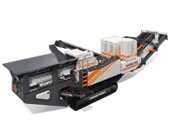
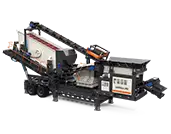
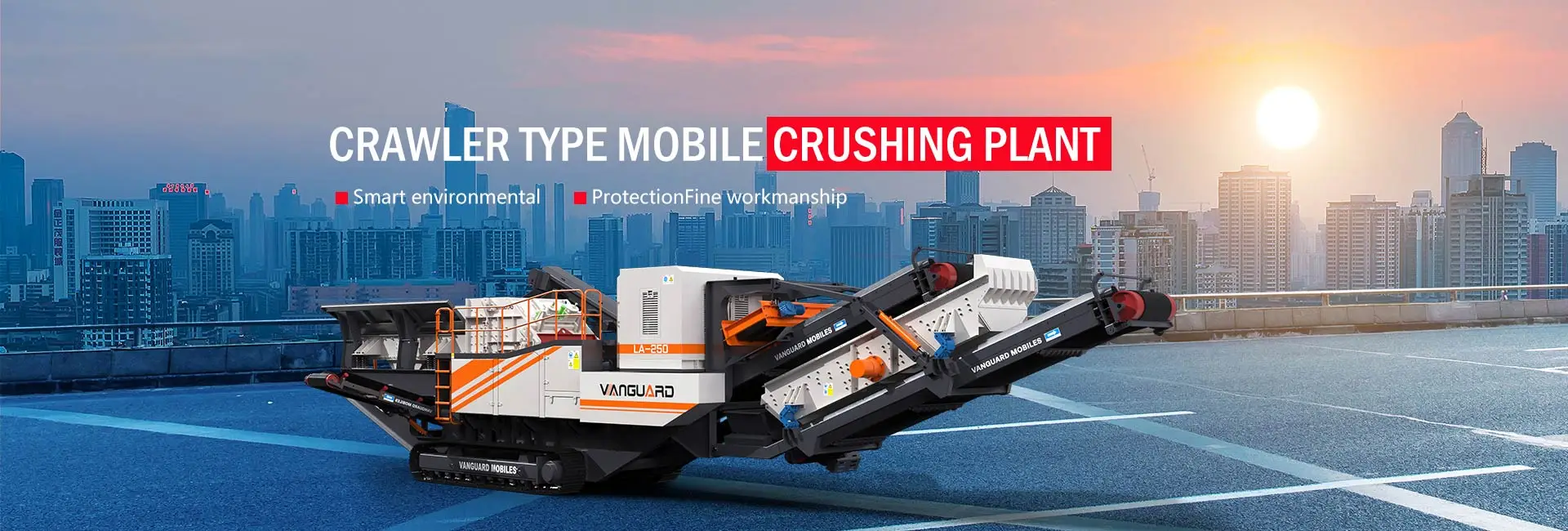
A crawler mobile crusher — what most buyers call a "履带式破碎机", the industry lists as a crawler type mobile plant — has no single sticker price. The number is built from four blocks: the crusher type (jaw, cone, impact, hammer), the crawler chassis and power pack (diesel-electric, full-electric, dual-fuel), the feeding-screening-return circuit, and the capacity band. Entry crawler jaw plants start in the lower six-figure USD range; mid-size cone/impact plants sit in the mid six figures; large multi-unit closed-circuit lines reach seven figures. A crawler plant costs more than a tyre or stationary line of equal tonnage because mobility and self-contained power are built in — but it also saves on foundation, tow and setup. Judge the total cost of ownership, not the tag.
Key Takeaways
- ✔ No fixed price — the cost follows the configuration - ✔ Crusher type sets the base; chassis and power pack add the premium - ✔ Crawler costs more than tyre/stationary at equal tonnage, yet saves civils, tow and setup - ✔ Price the total cost of ownership, not the list price - ✔ Confirm emissions class and local certification before you quote
What "crawler crusher price" really asks
Most buyers type "履带式破碎机价格" but they mean the whole crawler type mobile plant — a crusher mounted on a crawler chassis with feeder, screen and conveyors. You rarely buy the crusher alone; you buy the self-propelled plant. So the price is a plant price.
Unlike a spare part, a crawler plant is configured per job. Two plants with the same crusher can differ a lot once chassis, power and circuit are added. That is why quotes come back as ranges, not tags.
The four cost blocks
Break the price into four blocks and you can read any quote.
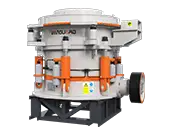
The crusher is the largest single cost. A crawler jaw (C96/C106/C116) for primary is cheaper than a crawler cone (LA) or impact (LA) for secondary and shaping; a crawler hammer for medium-hard limestone is a compact, lower-cost package. Hard-rock circuits that stack jaw + cone cost more than a single-stage unit.
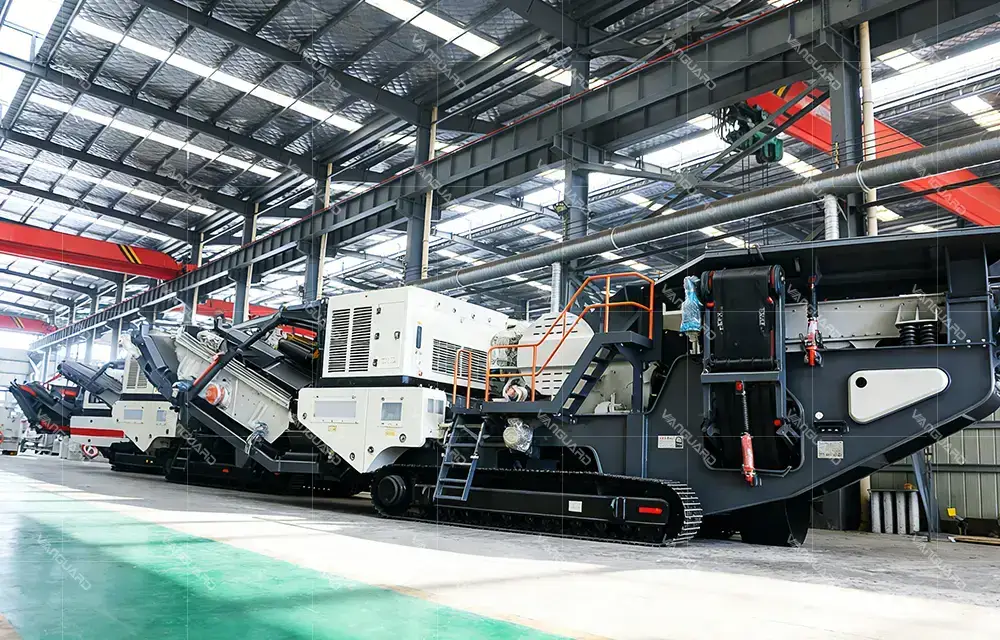
The crawler undercarriage, travel motors and the power pack are where crawler plants pull ahead of tyre units. A diesel-electric set, a full-electric drive, or a dual-fuel pack each land at a different price. More travel speed, wider track and a bigger genset all add cost.
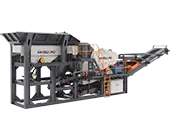
A plant is not just a crusher. The feeder, vibrating screen, return conveyor and dust control are a real slice of the budget. A closed-circuit plant (feeder + screen + return) costs more than an open discharge unit, but it ships in-spec product without a separate screen.
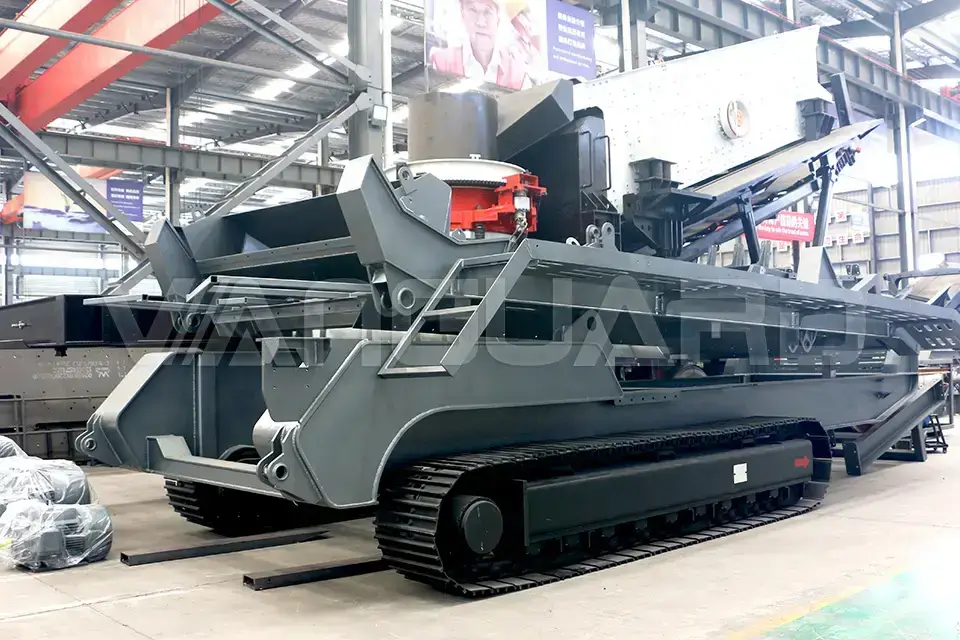
Within one crusher family, a higher tonnage model (LA2100X3 class) carries a heavier frame, bigger bearings and a larger screen — and a higher price. Capacity, not brand, is the quiet driver of most of the spread.
| Cost block | What moves the price | Typical effect |
| Crusher type | jaw < impact> | sets the base |
| Chassis & power | crawler vs tyre; diesel / electric / dual | crawler premium |
| Feed & screen circuit | open vs closed; screen size; dust control | mid slice |
| Capacity band | tonnage class (e.g. LA2100X3) | scales the total |
Rough price bands by configuration
These are order-of-magnitude bands, not quotes — confirm against your configuration and current list.
A crawler jaw station (C96/C106/C116) for primary crushing starts in the lower six-figure USD range. Smallest footprints, fewest options, the entry ticket to crawler mobility.
A crawler cone (LA) or impact (LA) plant with screen and return sits in the mid six figures. This is the mainstream band for shaping and grading aggregate.
Large crawler cone + screen + return lines, or a LA2100X3-class high-tonnage set, reach the seven-figure USD range. Built for high-volume mine-following.
| Tier | Typical configuration | Order-of-magnitude band (USD) |
| Entry | crawler jaw (C96/C106/C116), open or light circuit | lower six figures |
| Mid | crawler cone/impact (LA) + screen + return | mid six figures |
| High | multi-unit closed circuit, LA2100X3 class | seven figures |
Why a crawler plant costs more than tyre or stationary
At equal tonnage a crawler plant is the priciest of the three — and that is the point.
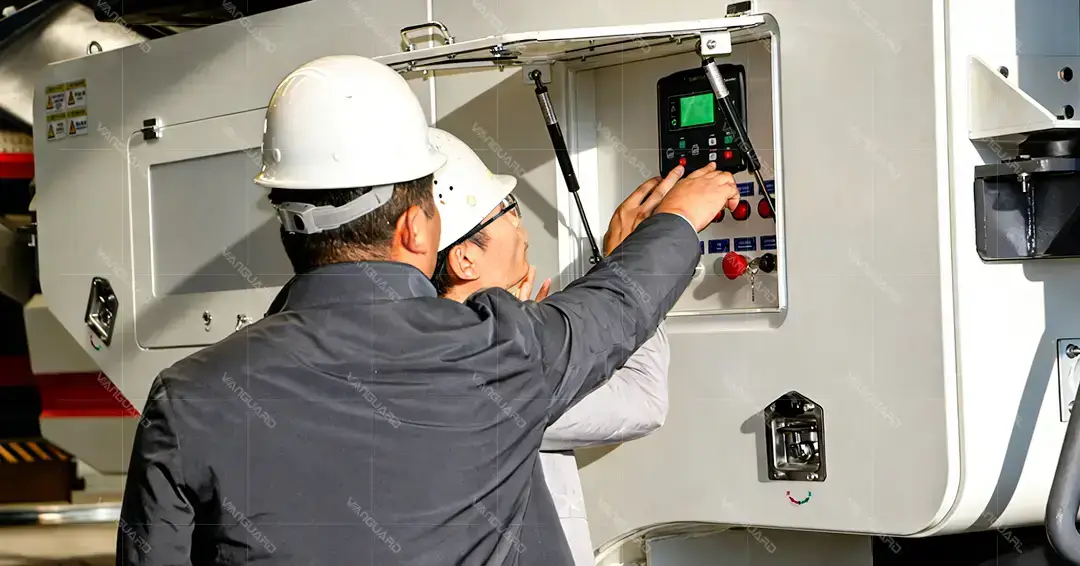
You pay for the crawler undercarriage, the self-contained power, and the zero-civil setup. A tyre plant needs a tractor and a road; a stationary line needs piers and a foundation. The crawler bundles all that into one machine.
No concrete foundation, no tractor tow, no long assembly. For scattered or short jobs the saved civils and faster start-up often outweigh the higher tag — that is the real payback case.
| Form | Upfront tag (equal tonnage) | What you add | What you avoid |
| Crawler mobile | highest | chassis + power pack | foundation, tow, long setup |
| Tyre mobile | middle | tractor + road | foundation |
| Stationary | lowest per ton | foundation + assembly | mobility |
How not to overpay
Five habits that keep the number honest.
Quotes that list only the crusher hide the feeder, screen, conveyor and power. Ask for the as-shipped, ready-to-run price.
Diesel-electric is simple; full-electric and dual-fuel cost more up front but cut fuel and emissions on grid-connected sites. Match the pack to where the plant will actually run.
A crawler plant moves on a low-bed but still needs a route. Confirm width, weight and any permit before you quote delivery.
Within one fleet, shared bearings, belts and wear parts cut inventory. Mixing many brands raises the true cost.
Local emissions class and CE/other certification change the bill. Confirm before, not after, the quote.
Total cost of ownership checklist
1. Scenario? → mine-following / rough ground / multi-pit → crawler; highway → tyre; long-life big mine → stationary. 2. Crusher stage? → primary C96/C106/C116; secondary LA cone/impact; shaping LA screen. 3. Rock? → medium-hard limestone → crawler hammer; hard → jaw + cone. 4. Tonnage? → high → LA2100X3. 5. Power? → no grid → diesel genset; mains → external supply. 6. Total cost? → tag + civils + tow + fuel + parts, over the job life.
Map stage and rock to the model table; keep the closed circuit in the plan and price it as-shipped.
FAQ
No. The price follows the configuration — crusher type, chassis, power pack, circuit and capacity. Quotes come as ranges.
The crusher. A crawler jaw (C96/C106/C116) costs less than a crawler cone or impact (LA); a jaw + cone hard-rock circuit costs more than a single-stage unit.
Because mobility and self-contained power are built in — chassis, travel motors and power pack. At equal tonnage it carries the highest tag.
No foundation, no tractor tow, no long assembly. On scattered or short jobs that often beats the higher upfront.
No grid → diesel genset; mains available → external supply or full-electric. Electric costs more up front, saves fuel and emissions on grid sites.
Crawler jaw stations C96 / C106 / C116 take the pit-run lump at the head.
LA cone or impact for crush and shape, closed with an LA screen.
Limestone-class medium-hard rock — a crawler hammer station covers both, shorter flow, lower cost.
LA2100X3 lifts capacity for large-scale mine-following.
Price the as-shipped plant, not just the crusher; match the power pack to the site; keep parts common across the fleet.
Yes. Local emissions class and certification (CE and the like) shift the bill — confirm before quoting.
Crawler jaw C96/C106/C116, LA cone/impact/screen, crawler hammer, LA2100X3 — plus tyre VPE/VPF/VPC for highway jobs. Contact Vanguard Machinery for a configured quote and free material analysis.
Conclusion
A crawler mobile crusher — listed as a crawler type mobile plant — has no single price; the number is built from the crusher type, the crawler chassis and power pack, the feeding-screening-return circuit, and the capacity band. Entry crawler jaw plants start in the lower six figures; mid cone/impact plants sit in the mid six figures; large multi-unit lines reach seven figures. A crawler costs more than a tyre or stationary line of equal tonnage because mobility and self-contained power are built in, but it saves foundation, tow and setup. Price the total cost of ownership, not the tag. Need a configured number? Contact Vanguard Machinery for a quote and free material analysis.




