

Quick Answer
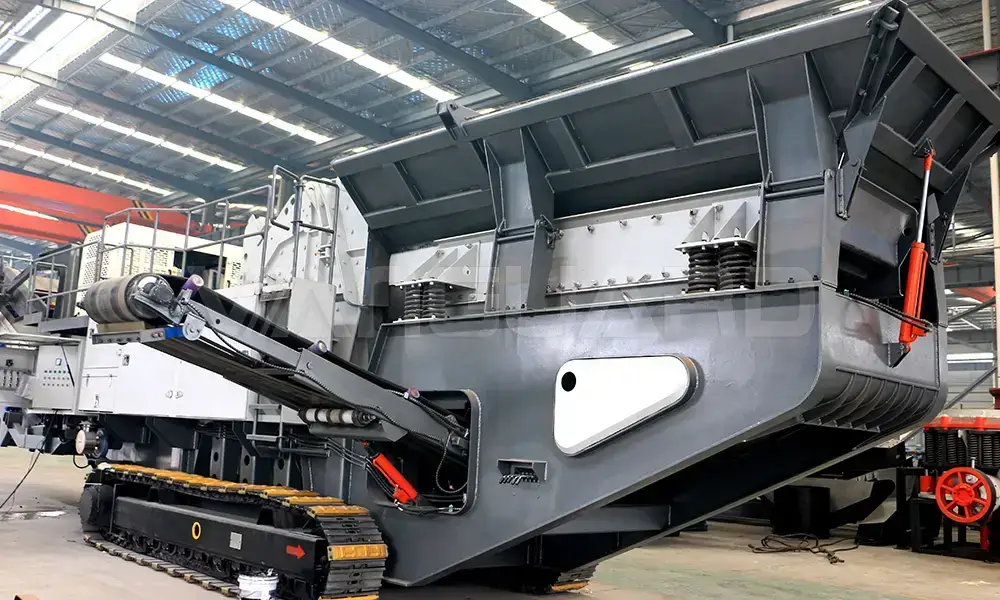
A crawler mobile crusher is a self-propelled, integrated plant: feed, crush and screen mounted on a crawler track chassis. It runs on its own diesel-electric set or external power and starts producing once it is powered up on site. No tow truck, no concrete foundation. It fits best where you crush as you mine, where pits are scattered, or where the ground is muddy or sloping. Against wheeled plants it wins on passability and site access; against stationary plants it saves foundation and relocates fast. Whether to choose it comes down to how often you move, the terrain and the project length. For frequent shifts, no-road sites and short, fast jobs, crawler usually pays off.
Key Takeaways
- ✔ A crawler mobile crusher is a self-propelled plant: track travel, stable chassis, produce on arrival, no tow and no concrete base - ✔ Three strengths: strong passability (mud, slopes, no road), crush-as-you-mine (follow the pit, cut haul), zero-tow relocation - ✔ Vs wheeled: crawler has wider ground contact and steadier operation, suits rough ground; wheeled moves fast on roads at lower cost - ✔ Vs stationary: crawler saves foundation and starts faster, but costs more per unit capacity, good for medium-short and multi-pit work - ✔ Pick the model by stage: primary crawler jaw (C96 / C106 / C116), secondary and shaping crawler cone / impact / screen (LA Series), medium-hard rock can use a crawler hammer crusher
What Is a Crawler Mobile Crusher
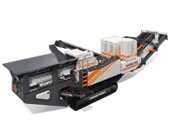
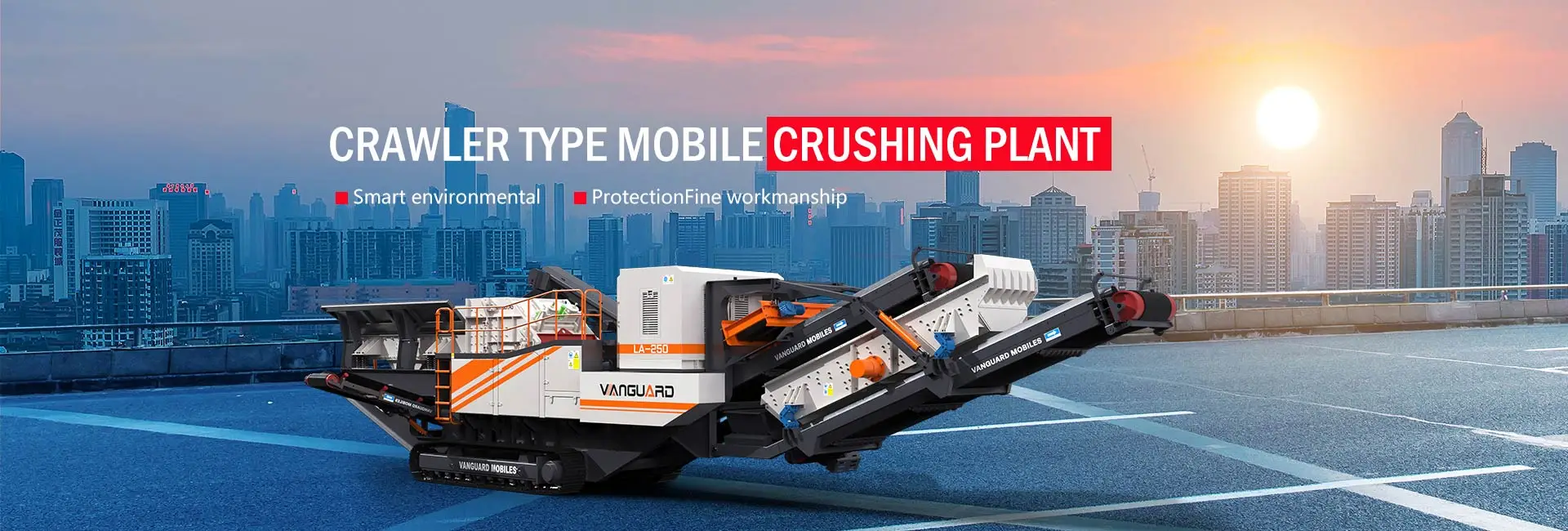
A crawler mobile crusher integrates vibrating feed, the crusher, screen and conveyors on one crawler chassis, with its own power (diesel generator set or external supply). On site, it connects power and starts crushing and screening. No tow truck, no poured foundation.
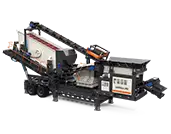
Wheeled plants need a truck to tow them onto roads; stationary plants need piling, pouring and on-site assembly. A crawler walks itself on site by its own tracks. Off the trailer and it moves, off the trailer and it produces. That self-walking ability is the source of its crush-as-you-mine power.
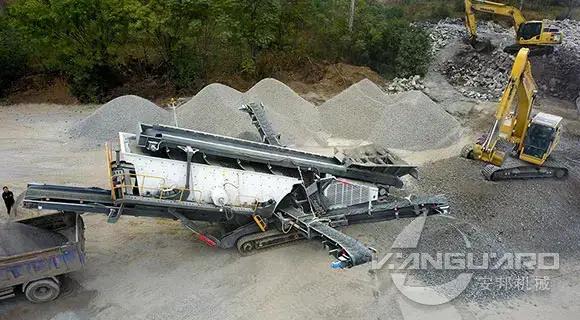
With natural sand depleted and rules tightening, aggregate must be made by mechanical crushing. Yet many pits are scattered, the ground is poor and the site moves often. Stationary plants take long to build and wheeled plants cannot reach bad roads. The crawler fills exactly that gap: drive the crushing line right to the pile, crush while you mine, shorten haul and cut re-handling.
Crawler vs Wheeled vs Stationary
Choose equipment by how it moves, where it produces and how long it runs. All three share the same crushing principle; they differ in travel, site access and fit.
| Item | Crawler mobile | Wheeled mobile | Stationary |
| Travel | Track self-propelled | Truck tow | Concrete foundation |
| Site access | Off trailer, walk in, no tow | Needs tow, road only | Piling, pouring, assembly |
| Terrain | Mud, slopes, no road | Smooth road only | Fixed site |
| Stability | Wide track, low center of gravity, steadier | Needs legs, narrow tire contact | Fixed base, steadiest |
| Start-up speed | Fast (produce on arrival) | Fast | Slow (long cycle) |
| Cost per unit | Higher | Lower | Low (per capacity) |
| Best for | Crush-as-you-mine, multi-pit, rough ground | Road relay, rotating sites | Large long-life mines, fixed quarries |
If road relay dominates and low cost is the goal, go wheeled (VPE / VPF / VPC Series); if you shift often on site, the ground is muddy or steep, and you need self-propelled zero-tow movement, go crawler (C96 / C106 / C116, LA Series). Both share the same core crusher, so the selection logic carries over.
If the material is fixed, output high and life long (a big quarry), stationary is cheaper per unit; if the job is scattered, moves often or the ground is complex, crawler saves foundation and pays back faster. Short version: fixed and long-term, go stationary; flexible and follow-the-pit, go crawler.
Why Choose Crawler: Four Hard Reasons
Put "why crawler" into concrete gains. A crawler mobile crusher has four things going for it.
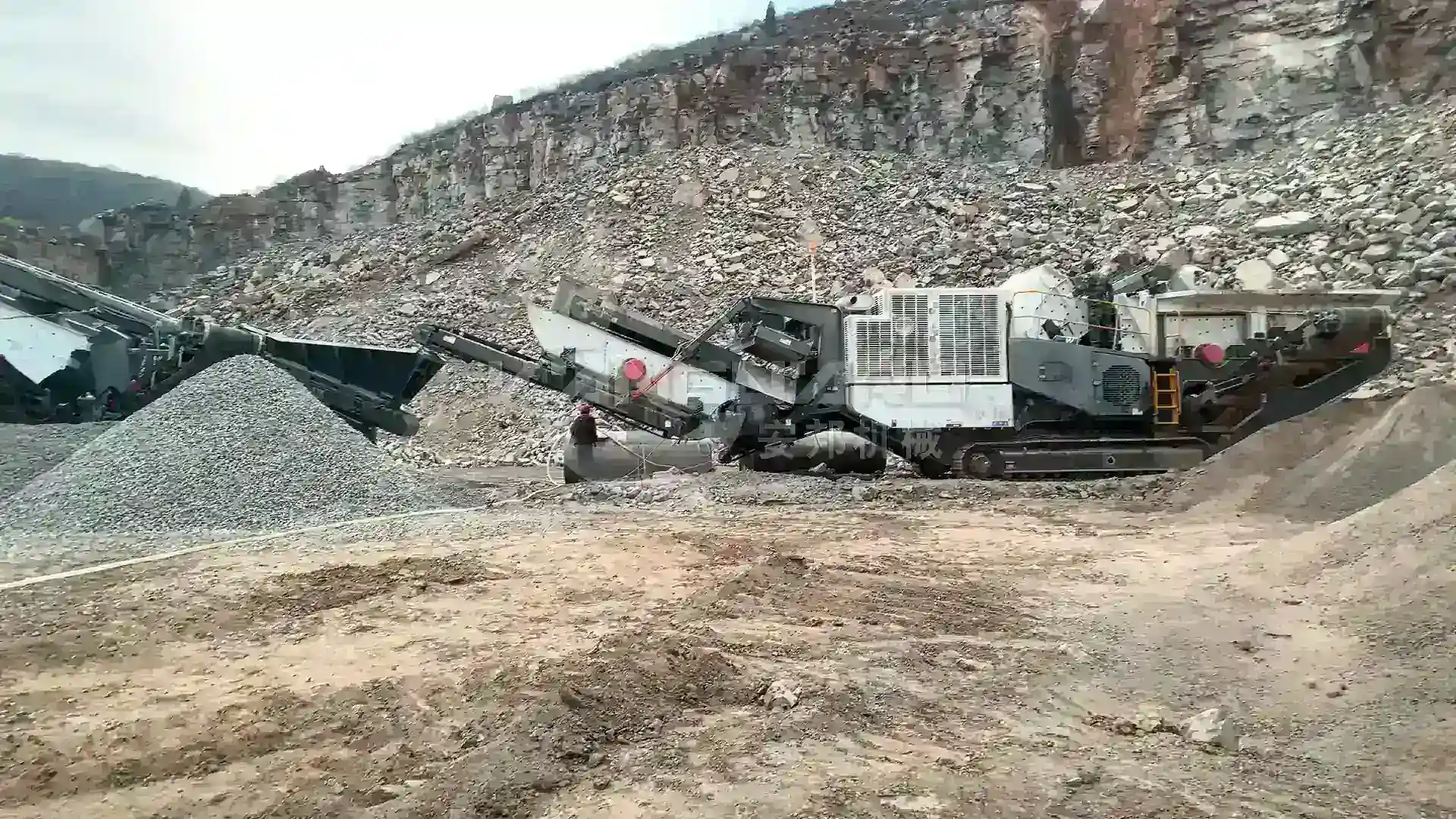
A crawler track has large ground contact and strong grip. It walks into mud, post-rain slopes, even roadless pits. A wheeled plant off smooth pavement easily gets stuck. For poor-ground pits, crawler is the only way to reach the pile.
A crawler pushes along the pit face, crushing while you dig, bringing the crushing line straight to the raw material. Against a stationary plant that hauls rock to the crusher and back, crawler saves heavy re-handling and freight. Ideal for scattered pits and long hauls.
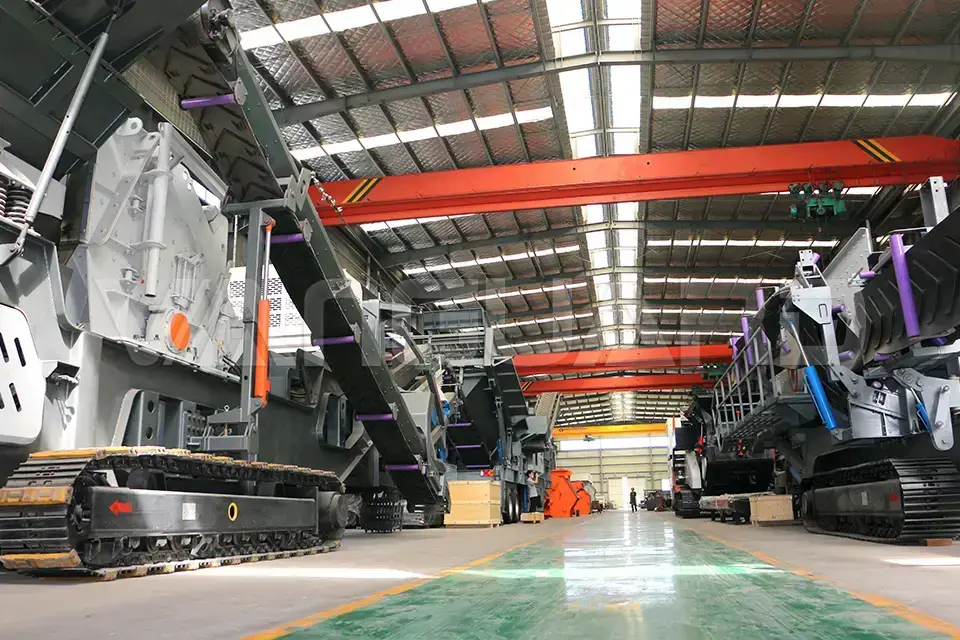
A crawler carries its own travel power. Off the trailer it walks to the station and is powered up to produce. No dispatching a tow, no relying on road conditions. Rotating between pits, today this hill, tomorrow that one, the saved dispatch time is output.
A wide track and low center of gravity mean little sway and even feed during operation. The crushing chamber feeds steadily, so product shape and gradation stay uniform. Friendly to batching and stabilized-soil plants that need continuous feed.
Which Scenarios Should Pick Crawler First
Not every job suits a crawler, but these classes are practically its home turf.
One, open-pit mines and quarries that crush-as-you-mine: push along the face, shorten haul. Two, C&D and solid-waste recycling: move in and break waste concrete and brick into recycled aggregate on site. Three, water and road works: set stations along the route, advance with the project. Four, rough terrain or temporary sites: mud, slopes, no road, still works.
If road relay dominates and cost is sensitive, wheeled gives better value. If material is fixed, output huge and the mine serves a decade or more, stationary costs less per unit capacity and saves more long term. Know the project shape before you fix the form.
| Scenario | Recommended form | Reason |
| Crush-as-you-mine, scattered pits | Crawler | Self-walk, zero tow, shorter haul |
| Road relay, cost sensitive | Wheeled | Fast relay, lower outlay |
| Large long-term fixed mine | Stationary | Lower cost per capacity, long-term saving |
| Bad road, slope, temporary site | Crawler | Strong passability, no good road needed |
Typical Crawler Mobile Crusher Models
A crawler integrates feed, crush and screen on one chassis. Pick the model by crushing stage and material. Equipment type first, then the series.
The crawler jaw plant (C96 / C106 / C116) takes large feed, is reliable, and is the primary choice for crawler lines, breaking big rock down to a size the secondary can take. It walks itself and starts primary crushing right at the pit edge.
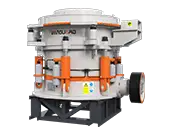
The LA Series crawler plants cover cone, impact and vibrating screen, handling secondary, shaping and sizing. Medium-hard rock runs cone, limestone runs impact, and closed-circuit screen holds gradation. One chassis packs crusher and screen for easy relocation.
For medium-hard rock like limestone, a crawler hammer crusher breaks large feed into shape in one pass, cutting stages, simplifying the flow and saving investment. Good for projects that want a short flow.
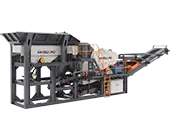
A crawler screen plant (such as LA2100X3) works with the crusher for multi-deck screening and closed-circuit return, holding product gradation steady.
| Model role | Series | Suits |
| Crawler jaw plant (primary) | C96 / C106 / C116 | First break of large rock |
| Crawler cone / impact / screen plant | LA Series | Secondary, shaping, sizing |
| Crawler hammer crusher | Crawler hammer | One-pass medium-hard rock |
| Crawler screen unit | LA2100X3 | Multi-deck screen, circuit return |
How a Crawler Mobile Crusher Works
A crawler runs the same closed circuit: primary to secondary to screen and back. Only the whole set sits on one self-propelled chassis.
Feed to vibrating feeder (pre-screen dirt) to crawler jaw plant (primary) to crawler cone / impact plant (secondary) to crawler screen plant (sizing) to on-spec aggregate out. Oversize returns to secondary to close the loop. For manufactured sand, screen undersize goes to a vertical-shaft impact crusher (5X, VSI Series) for shaping.
Field Verification: What Matters in a Crawler Line
Whether a crawler line is configured right shows in real operation. Drawing on Vanguard Machinery's experience across limestone, granite and other crawler mobile lines, three patterns stand out:
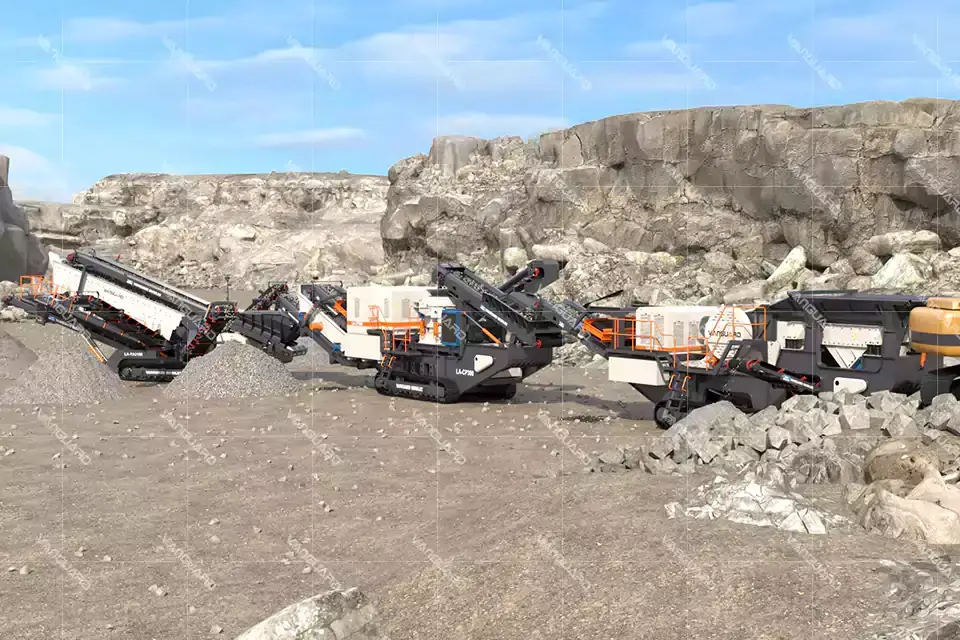
Terrain decides the form. For muddy, sloping, crush-as-you-mine jobs, the crawler's self-walk and passability decide whether you can even get on site. Forcing a wheeled plant often means stuck trucks and waiting for roads, counterproductive.
Closed-circuit screen decides product. Crawler or stationary, only proper closed-circuit screening holds gradation steady. A crawler packs crusher and screen on one chassis, so the circuit is short and return fast. Gradation ends up even more uniform.
Crusher follows the rock. High-abrasion hard rock runs crawler jaw plus crawler cone; low-medium abrasion runs crawler jaw plus crawler impact. Pick wrong and both shape and wear-part cost suffer. The lesson: read terrain and rock first, then set the crawler model and flow. The most reliable path to a sound crawler line.
How to Choose: A Practical Checklist
Break selection into actionable checks and walk through them. You will not go wrong.
One, do you relocate often? Frequent shifts and multi-pit means crawler. Two, is the ground poor? Mud, slopes, no road means crawler. Three, is the project long? A decade-plus mine means stationary saves more. Four, road relay and low price means wheeled. Five, high product demand and continuous feed means crawler's stability wins.
Misconception one: crawler is always better than wheeled, false. For road relay, wheeled is cheaper. Two: crawler cannot feed steadily, false. With proper closed-circuit screening its gradation matches stationary. Three: crawler only does primary, false. The LA Series already covers secondary, shaping and screening, so the whole flow can be crawler-based.
FAQ
A crawler walks itself on site by its own tracks, needs no tow, and wins on passability and site access. Good for bad roads, slopes and crush-as-you-mine. A wheeled plant is towed by a truck onto roads. It relays fast and costs less but only on smooth pavement.
Yes. With proper closed-circuit screening, a crawler's product shape and gradation match stationary and wheeled plants, and it gets into production faster.
Mud, post-rain slopes and roadless pits. Large ground contact and strong grip make it the only viable way to reach the pile on poor-ground pits.
Long, high-output, fixed-site work is cheaper per unit with stationary. Short, scattered, relocating or rough-ground work saves foundation with crawler and pays back faster. Let project length decide.
Primary: crawler jaw plants (C96 / C106 / C116). Secondary and shaping: LA Series cone / impact / screen plants. Medium-hard rock can use a crawler hammer crusher. Screening uses a crawler screen unit (such as LA2100X3).
No. A crawler carries its own travel power. Off the trailer it connects power and produces. No poured concrete foundation, no tow truck.
Yes. After crawler secondary and screening, add a vertical-shaft impact crusher (5X, VSI Series) to shape fines, plus a sand washer (XSD, LSX Series) to control powder, and you get qualified manufactured sand. The whole line can be crawler-based.
Stable. A wide track and low center of gravity mean little sway and even feed. The crushing chamber feeds steadily, so product shape and gradation stay uniform. Good for continuous-feed scenes.
Yes. A crawler moves in and breaks waste concrete and brick into recycled aggregate. The mainstream approach to C&D recycling, used on site and saving haul.
No. A crawler carries its own travel power and walks to the station off the trailer. Zero tow. A wheeled plant needs a truck to tow it onto roads.
Its cost per unit capacity is higher than wheeled and stationary, but it saves foundation, pays back fast and can be reused across projects. Whether it pays off depends on relocation frequency and project length. For frequent moves it actually saves.
Typical: crawler jaw plant (primary) to crawler cone / impact plant (secondary) to crawler screen plant (sizing) to belt. Add a vertical-shaft impact crusher for sand. Crusher follows rock hardness and abrasion.
Conclusion
A crawler mobile crusher is not a pricier wheeled plant but a self-propelled line built for crush-as-you-mine, bad-road passability and flexible relocation. It walks on tracks with a stable chassis, produces on arrival, no tow and no piling. Against wheeled it has stronger passability, against stationary it saves foundation and relocates fast. Choose it by relocation frequency, terrain and project length. Frequent shifts, no-road sites and short fast jobs usually favor crawler. Pick the model by stage. Primary on C96 / C106 / C116 crawler jaw plants, secondary and shaping on the LA Series, medium-hard rock on a crawler hammer crusher. Need a crawler line layout? Contact Vanguard Machinery for a free material analysis and tailored selection.




