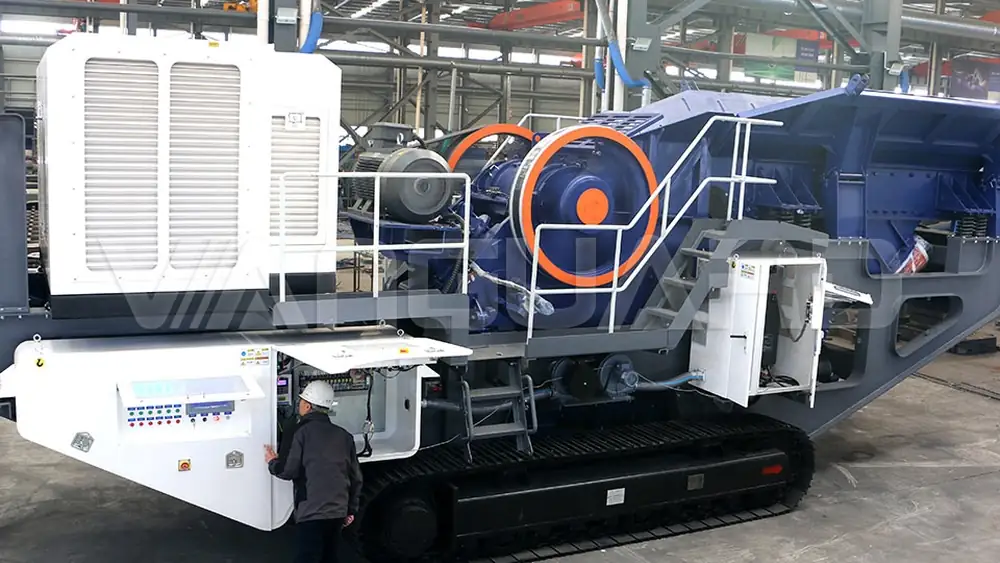

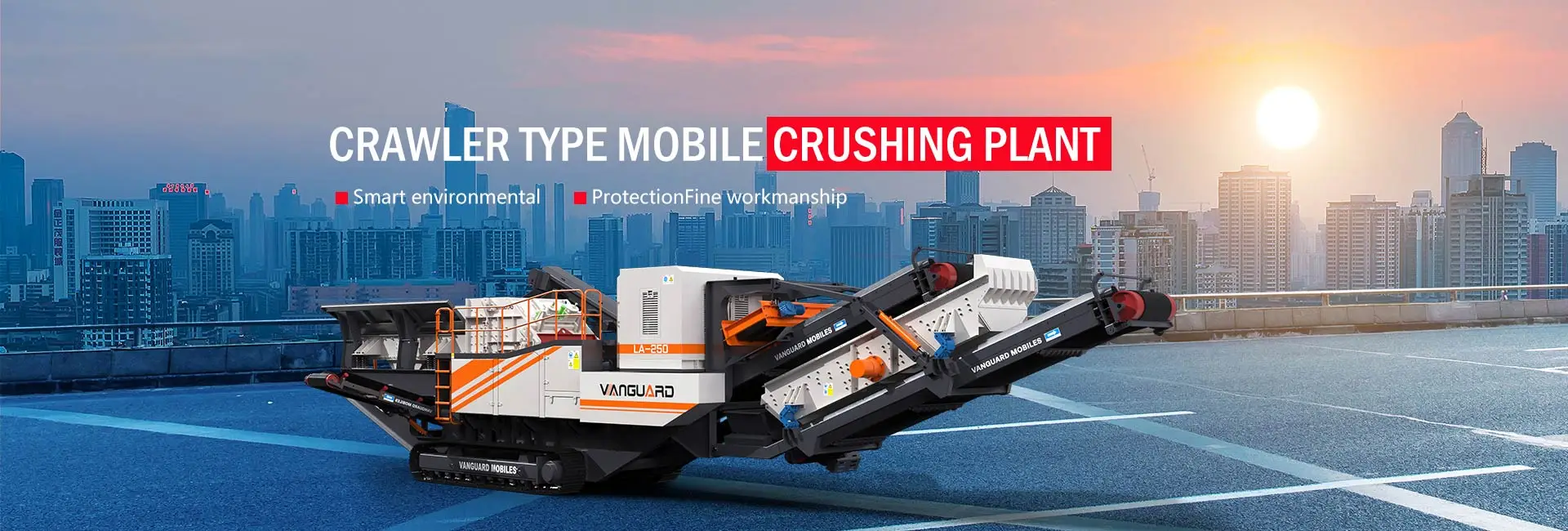
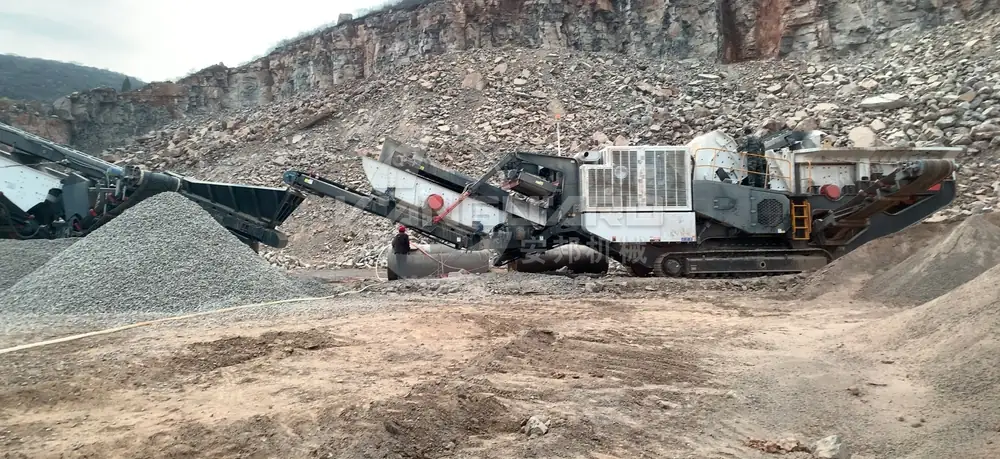
- To configure a 100 TPH mobile crushing plant in Mexico for limestone and construction aggregate, run tracked mobile jaw primary plus mobile impact crusher secondary with closed-circuit screening; add a mobile VSI for cubical shape or manufactured sand.- Set three things before you fix the configuration: how hard is your feed, which size fractions you need, and whether the quarry is long-term fixed or phased and moving.- Highland and mountain climate, long dry season, some mines at altitude, road logistics, so low operating-cost closed circuits are valued.- Chinese-made mobile plants give strong value and predictable spare parts, a common pick for projects in this belt; tracked plants have a wide ground contact and low center of gravity, arrive on site, hook up power and start producing — no concrete foundation, powering up on arrival.
Stone and site conditions in Mexico
- Nearshoring, infrastructure and housing push aggregate demand, with the northern border industrial belt especially active. - Highland and mountain climate, long dry season, some mines at altitude, road logistics, so low operating-cost closed circuits are valued. - 0-5, 5-10, 10-20, 20-40mm grades; manufactured sand fills the gap.
Three Questions to Pick the Right One
- Q1 feed hardness: limestone and construction aggregate takes jaw plus impact crusher; medium-hard rock may use impact for shaping. - Q2 product specs: 0-5, 5-10, 10-20, 20-40mm grades; manufactured sand fills the gap. closed screening holds gradation, add a mobile VSI for manufactured sand. - Q3 site and tenure: a long license and flat ground favor a fixed line; a tight schedule and moving face favor a mobile plant.
| What to decide first | What it sets | Common Mexico answer |
| Feed hardness | Primary and secondary | limestone and construction aggregate -> jaw plus impact crusher |
| Product grades | Screen decks, sand? | multi-grade plus sand |
| Site and tenure | Mobile or fixed | phased / remote -> mobile |
Recommended mobile process: medium-hard jaw-plus-impact/cone closed circuit
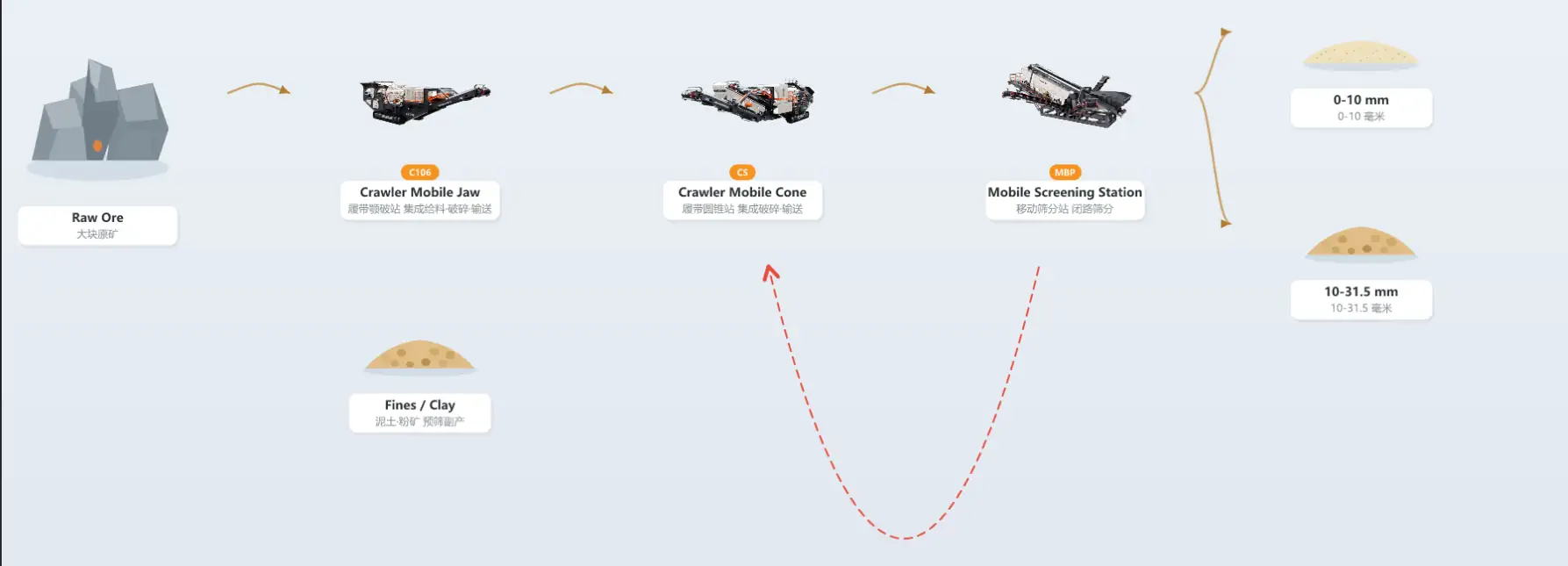
- Primary tracked mobile jaw crushing plant (C106 class) takes the feed down to below 150-200mm; secondary tracked mobile cone crushing plant (CS series) controls shape.- Closed-circuit screening returns oversize to the crusher, keeping flat-elongated content low and gradation steady — the key to stable 100 TPH.
Equipment list (100 TPH mobile plant reference)
- Primary: tracked mobile jaw crushing plant (C106 class).- Secondary: tracked mobile cone crushing plant (CS series).- Screening: tracked mobile screening plant (multi-deck inclined screen).- Shaping or sand: mobile VSI (5X series) for manufactured sand or shape.- Conveying and linking: tracked units self-feed and discharge; relocate on a low-bed trailer, no foundation on site.
| Stage | Equipment | Role at 100 TPH |
| Primary | tracked mobile jaw crushing plant (C106 class) | feed -> 150-200mm |
| Secondary | tracked mobile cone crushing plant (CS series) | shape, closed circuit |
| Screening | tracked mobile screening plant (multi-deck inclined screen) | grading, closed circuit |
100 TPH mobile plant selection steps
- Step 1: sample and test lithology / abrasiveness, lock primary and secondary models. - Step 2: set screen decks and sand need from product grades. - Step 3: pick tracked or tire mobile from license term and road condition. - Step 4: leave 15-20% headroom to avoid long full-load running. - Step 5: confirm power (grid or diesel genset) and spare-part lead time.
Frequently Asked Questions
A: Long tenure, flat ground and stable power favor a fixed line; tight schedule, moving face or remote no-power sites favor a mobile plant — no foundation, fast relocation.
A: Mobile usually links primary + secondary + screen units; a fixed line is feeder, jaw, impact crusher, screen and belt (twin line for large capacity).
A: limestone and construction aggregate is abrasive; impact blow bars wear fast and shape is hard to hold, so jaw plus impact crusher stays the spine.
A: No. Tracked plants have wide ground contact and low center of gravity; they arrive, hook up power and produce — no concrete foundation needed.
A: Add a VSI (5X series) after the circuit to shape and make sand from return or product stone.
A: Specify low-temp grease, hydraulic oil and controls; fixed foundations need frost-heave protection — mobile plants skip most of that.
A: Leave 15-20% to avoid fast wear and frequent stops from long full-load running.
A: Pick mature Chinese-made models; wear parts (liners, screen cloth, belts) stock locally, lead time is predictable.
A: Equip spray dust suppression, enclosed conveyors and damped foundations; mobile plants can add mobile dust control.
A: Mobile plants in weeks; fixed lines with foundation and power usually 2-4 months.
Conclusion
- For Mexico's 100 TPH mobile crushing plant, the medium-hard jaw-plus-impact/cone closed circuit configuration is steadiest; sample first, set grades, check site, then lock models. - Vanguard Machinery supports selection, process and spare parts end to end, and can tailor a plan to your feed and capacity.
Related Articles
• How to Choose a Mobile Crushing Plant Manufacturer...(2026-08-27)
• Best PFV1315 Impact Crusher for Limestone Crushing in Saudi ...(2026-08-06)
• Why Mobile Crushing Plants Are Becoming Popular in...(2026-07-23)
• Vanguard Machinery to Exhibit at Construction Indonesia 2026, Deepening Its Sout(2026-08-06)
• The First Stage That Sets the Tone: Vanguard Machinery Brings the Tracked Mobile(2026-08-06)
• Crushing High-Hardness Rock into Quality Aggregate: Vanguard Machinery Brings Tr(2026-08-06)
• How to Maintain a Crawler Type Mobile Jaw Crushing Plant(2026-08-05)
• Top 5 Reliable Crusher Alternatives to European Br...(2026-08-04)