

Maintenance Overview
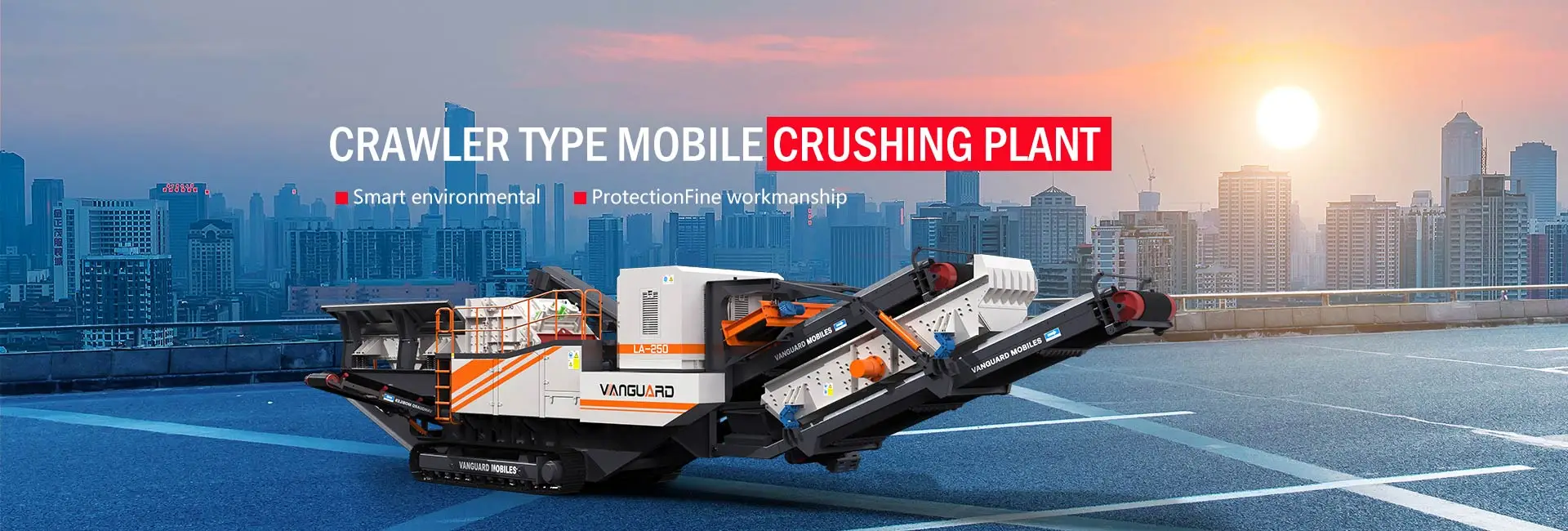
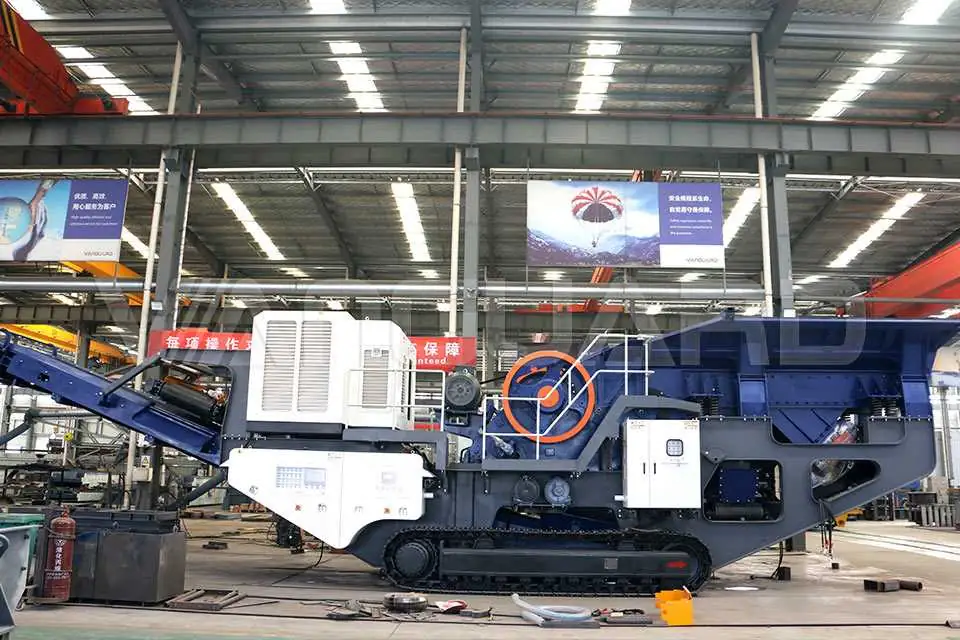
You didn't buy a crawler jaw plant to babysit it, but the real money burner isn't the sticker price — it's downtime. On granite sites we've worked, we watched a crawler mobile jaw run a full week on a cracked jaw plate because nobody looked, and it ended up taking the eccentric shaft with it. One week of lost tonnage buried three years of grease costs. No lecture here: three checklists your crew can tape to the wall (daily / weekly / monthly) plus a fault-lookup table. Do these and both downtime and cost per ton come down.
A Breakdown Costs More Than a Year of Grease
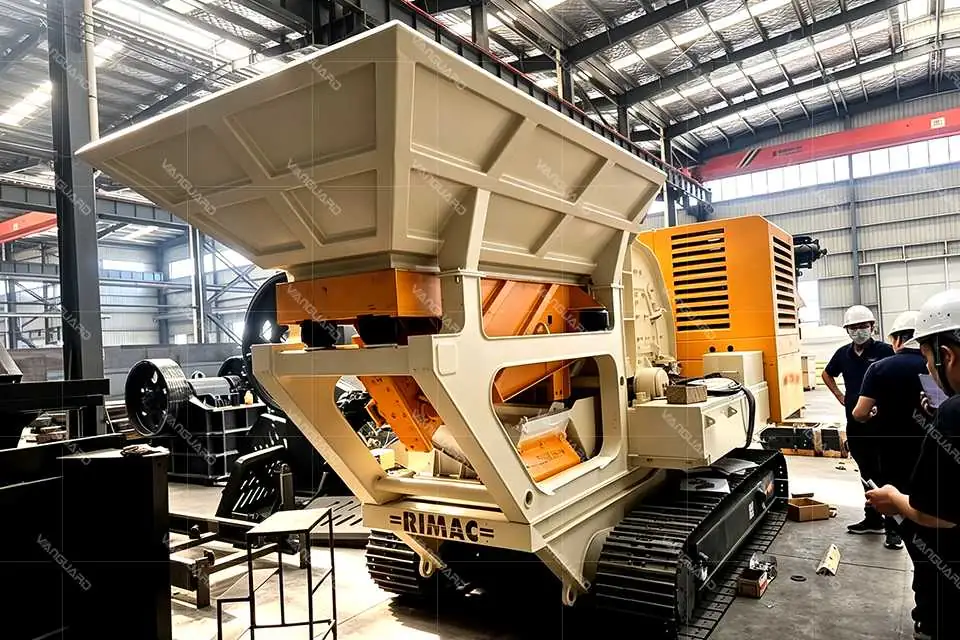
- Life is saved in the small stuff: check and swap jaw plates, bearings and belts on time, and the frame and eccentric shaft won't get dragged down with them. - Catch it early: a five-minute look before start-up beats a full-line scramble every time. - Output holds when gaps and tension are right: feed flows, tonnage stays put. - Reactive overhauls bleed you dry: preventive care usually runs a fraction of one breakdown, and spares are easier to source.
The 5-Minute Pre-Start Walk-Around
| Item | What to look at |
| Jaw plate | How far it's worn, any cracks or chipping |
| Bearing | Hot? Noisy? Hand or temp gun |
| Hydraulic | Leaking? Oil level on the mark? |
| Belt | Slack? Tracking? Any cracks? |
| Motor | Odd noise? Current drifting? |
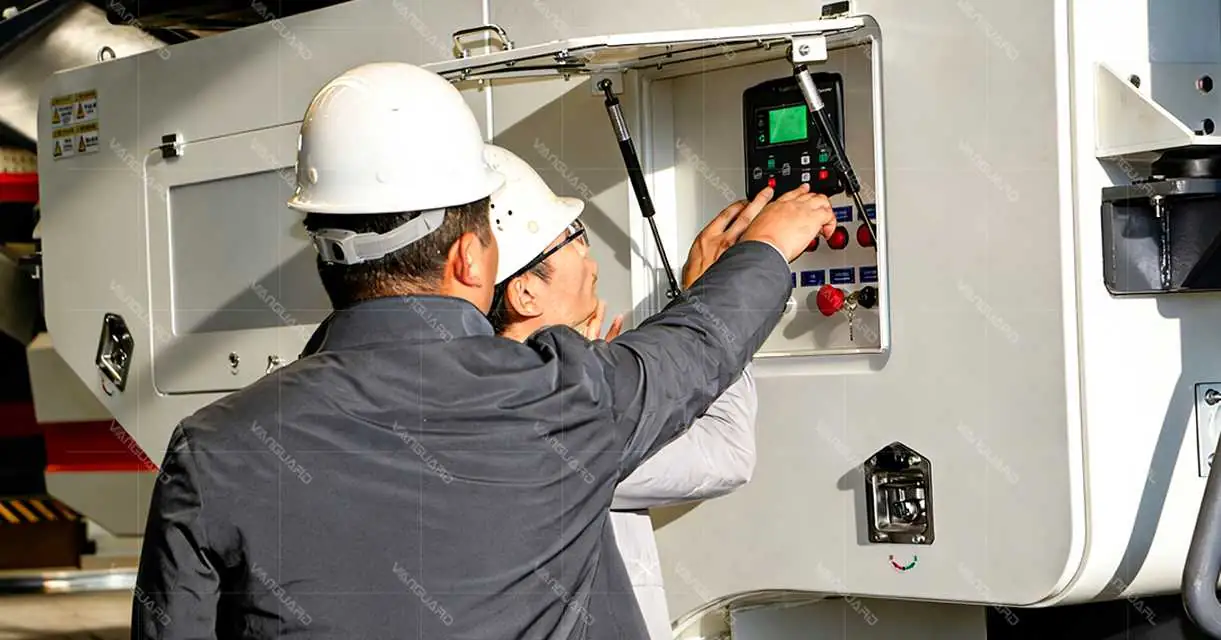
Run it before every start. Five minutes, one line saved. One 200 t/h granite crawler we know lost a hydraulic pump to a dry run at midday because the morning shift skipped the oil-level glance — don't eat that loss twice.
Once a Week, When You Shut Her Down
- Lube system: oil volume and quality at every point, any water or milky emulsification. - Fasteners: frame, motor base, liner bolts — tap each, feel for looseness. - Hydraulics: line couplings, cylinder seals, pressure steady? - Tracks: shoe wear, tension-cylinder travel, rollers turning free. - Belt conveyor: idlers, scraper, return drum.
Monthly: The Parts That Actually Wear Out
- Eccentric shaft: journal, bearing fit and clearance — this is the heart of the machine. - Flywheel: rim wear, keyway and connecting bolts. - Bearings: crack the cap, look at the grease; if it's black, wash and refill — don't ride it. - Electric: terminals, contactors, overload protection. - Controls: e-stop, interlocks, display and sensor readings.
The Four Breakdowns We See Most
| Problem | Cause | Fix |
| Low capacity | Chamber blocked | Clear it, keep feed in size |
| Shaking hard | Bolts loose | Torque everything to spec |
| Oil leak | Seal gone | Swap seals, check level |
| Bearing running hot | Grease starved | Top up or change grease |
Print this and pin it in the control room — field mechanics reach for it first. Two traps we keep flagging: riding blackened grease will kill a bearing in three months; skip the tramp-iron magnet and a piece of steel shatters a jaw plate on contact. Seen it, fixed it, telling you now.
Make It Last: Cheap Habits That Pay Off
Feed control beats everything: keep oversize out of the chamber — blockage hurts worse than wear, and a 'tough' jaw plate isn't a pass to ram junk in. Don't park the motor current on the red line; that trades insulation for tonnage. Swap jaw plates and side liners at end of life; wait for the break and you often damage the frame too. Use the manual's lube grade — cheap oil saves pennies, costs you a shaft.
Questions We Actually Get Asked
Daily check before each start; deeper look weekly; full service monthly. Change wear parts by condition, not the calendar — harder rock, check sooner.
Oversize or extra-hard feed with bad segregation; tramp steel slamming the chamber; side liners gone so the wall gets chewed. Control feed, pull the iron, replace side liners in time. That's the trio that works.
Depends on rock and tonnage. Hard granite — a few hundred to just over a thousand hours; softer limestone roughly doubles. Judge by wear, not a fixed hour count. We've seen two shifts on the same line stretch life by 2x.
The Bottom Line
Maintenance is spend a little, dodge the big stop. Make the three checklists a crew habit, keep the fault table handy, and the crawler jaw will run the whole project with you.
Related Articles
• Which Crusher Has the Lowest Maintenance Cost? — J...(2026-07-02)
• Why Mobile Crushing Plants Are Becoming Popular in...(2026-07-23)
• Vanguard Machinery Showcases Mobile Crushing & Screening Plants at MINEENTRA 202(2026-07-22)
• 200 t/h Limestone Crushing-and-Sand-Making Plant in Malaysia: Five-Size Mobile L(2026-07-22)
• 6-Grade Granite Aggregate Production Line for Russian Asphalt Plants Put into Op(2026-07-22)
• Hydraulic vs Spring Cone Crusher: What Sets Them Apart and H...(2026-07-22)
• 300 TPH Mobile Crusher: Configuration, Capacity and Selectio...(2026-07-22)
• What Is a Crawler Type Mobile Plant? How It Works and How to...(2026-07-20)




