

Key Takeaways
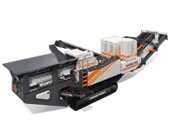
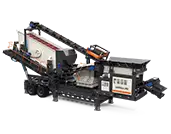
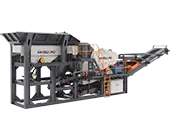
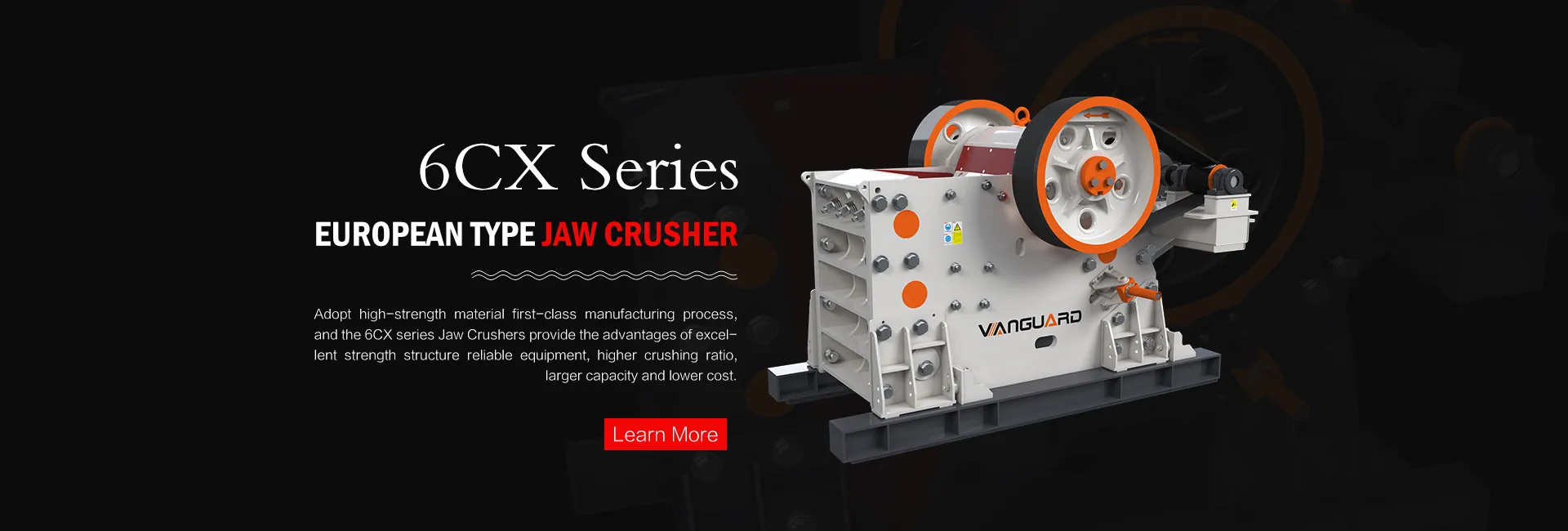
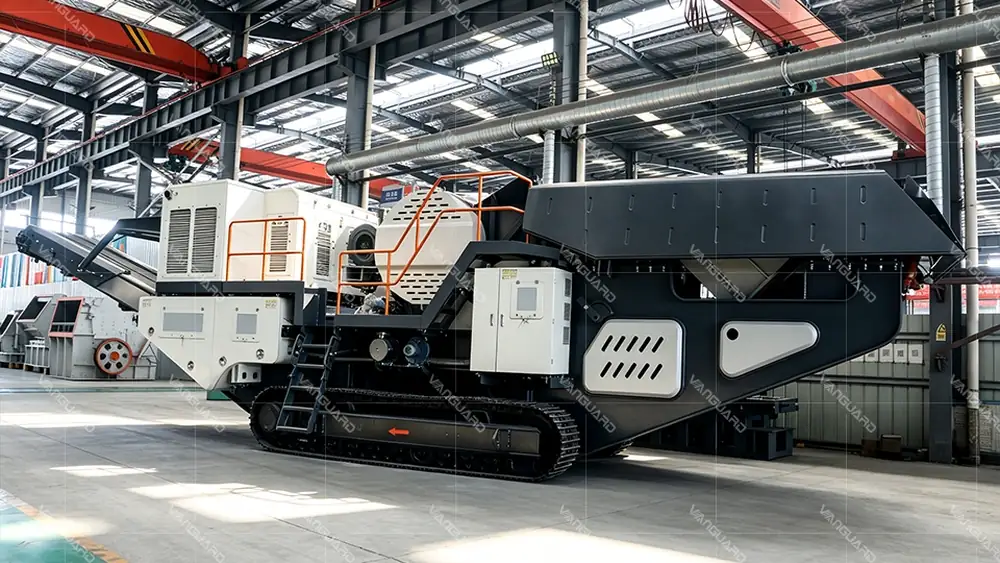
Choosing a crawler mobile crushing plant for a quarry is not about the biggest nameplate capacity or the lowest price. First pin down the rock and the product spec, then match four building blocks - crusher host, crawler chassis, power package and screening - to the site. Vanguard Machinery's crawler mobile jaw crusher, crawler mobile impact crusher and crawler mobile cone crusher cover hard-rock primary, medium-hard reshaping and hard-rock secondary; add a mobile screen plant and you have a line that moves and climbs.
1. Nail the real quarry requirements first
Before looking at machines, write these down: - What is the rock: granite, basalt (hard) or limestone, C&D (medium-soft)? Hardness and abrasion decide the host. - Top feed size: max boulder (600 mm, 800 mm) sets the primary model and feed opening. - How many products: 0-5, 5-10, 10-20, 20-31.5 mm? More fractions mean more screening. - Daily and annual tonnage: 300 t/day or 5000 t/day? Continuous or intermittent? - Site terrain: flat pit or mountain road, wetland, demolition site? How often do you relocate? - External power: remote quarries often have only diesel; established sites may have three-phase power. - Environmental limits: dust, noise, emissions red lines?
Until these seven are clear, any selection is a guess.
2. Crawler or wheeled: it's about relocation and terrain
| Item | Crawler mobile crushing plant | Wheeled mobile plant |
| Relocation | Self-propelled on tracks, remote control, no trailer | Towed by tractor, on flatbed |
| Terrain | Climbs hills, wetlands, rough roads | Hardened road only |
| Setup time | Half an hour on site | Lift and assemble |
| Stability | Wide track footprint, low center, no outriggers | Needs outriggers or foundation |
| Investment | Higher | Lower |
| Best for | Multiple faces, frequent moves, bad terrain | Single big pit, good road |
One line: if the quarry moves, climbs or needs fast setup, pick crawler; if it sits in one big pit on good road, wheeled saves money.
3. Which crusher host: jaw, impact or cone
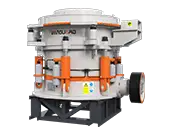
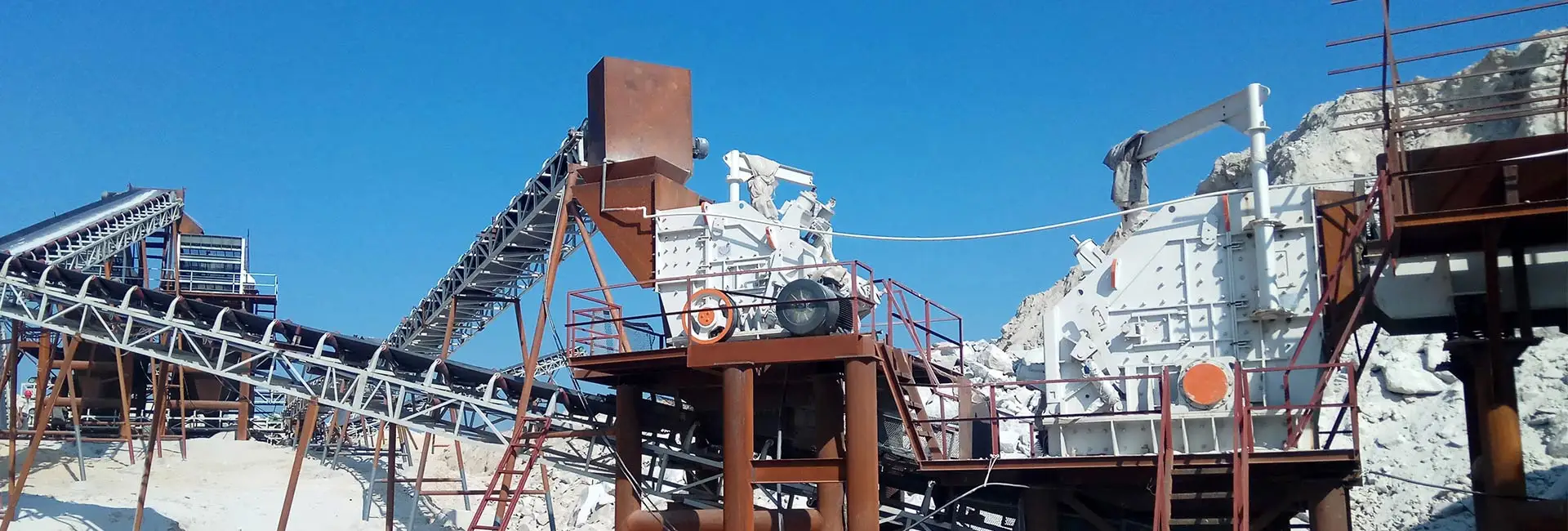
The host is the heart; pick by rock:- Hard rock (granite, basalt, river pebble): primary with crawler mobile jaw crusher, secondary/tertiary with crawler mobile cone crusher. River pebble is abrasive - never an impact crusher.- Medium-hard rock (limestone, dolomite): jaw primary, then crawler mobile impact crusher for secondary and reshaping in one step, cubical product.- C&D waste: impact is friendly to rebar and wood, less jamming.- Sand and premium shaping: add a 5X vertical-shaft impact crusher at the back.
Note: one crawler chassis swaps host modules between jaw, cone and impact; the undercarriage and power are shared.
4. Screening and process flow
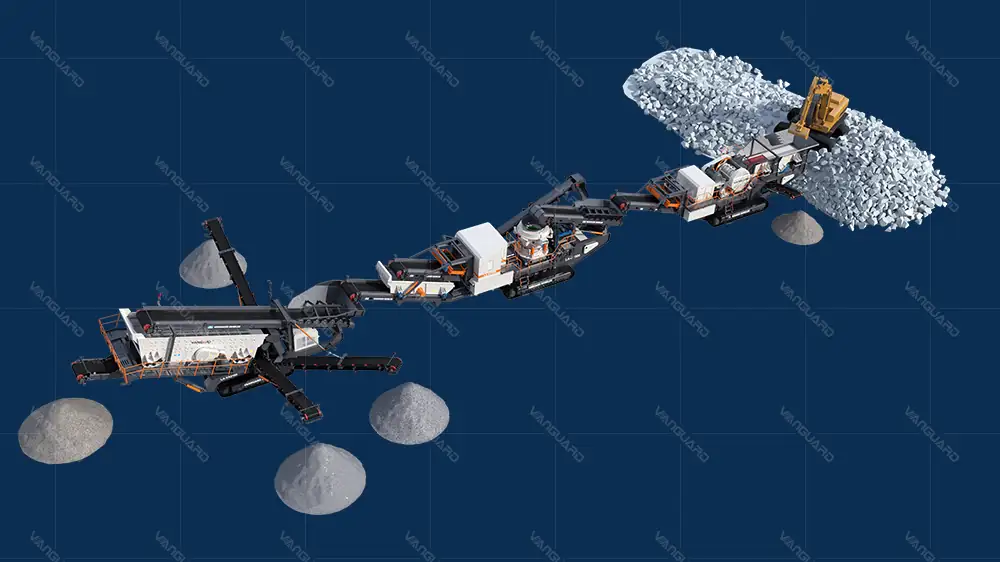
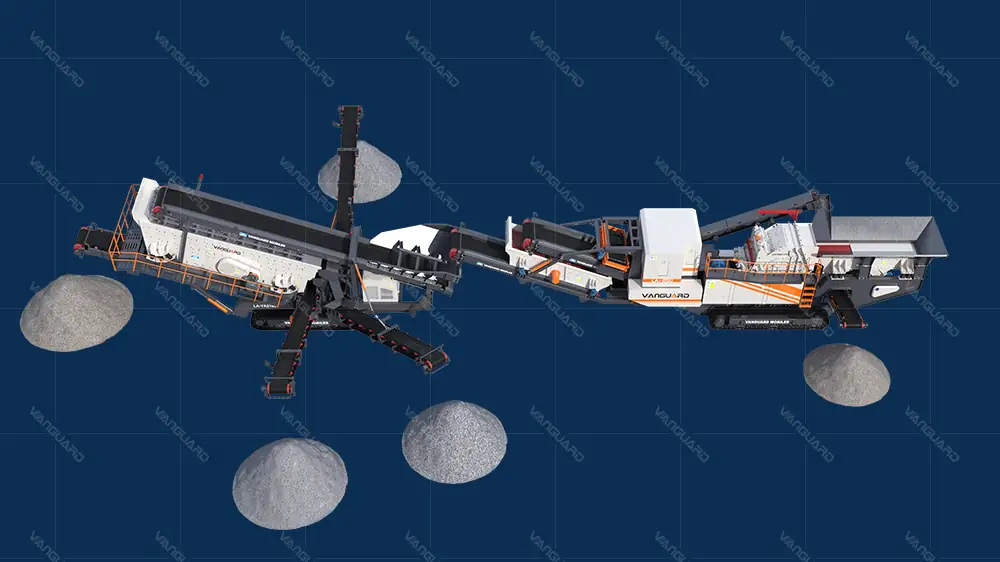
Three typical crawler line layouts: 1. Prescreen + crush + product screen: feed first hits a prescreen to drop soil and fines, then the crusher, then a product screen into fractions. Must-do when feed is dirty, or mud ruins the aggregate price. 2. Open circuit + separate screen plant: crusher discharges open, a crawler mobile screen plant sizes it, oversize returns. Flexible for multiple products. 3. Closed-circuit integrated: crusher has return conveyor, recirculates. Steady shape and gradation, slight capacity loss.
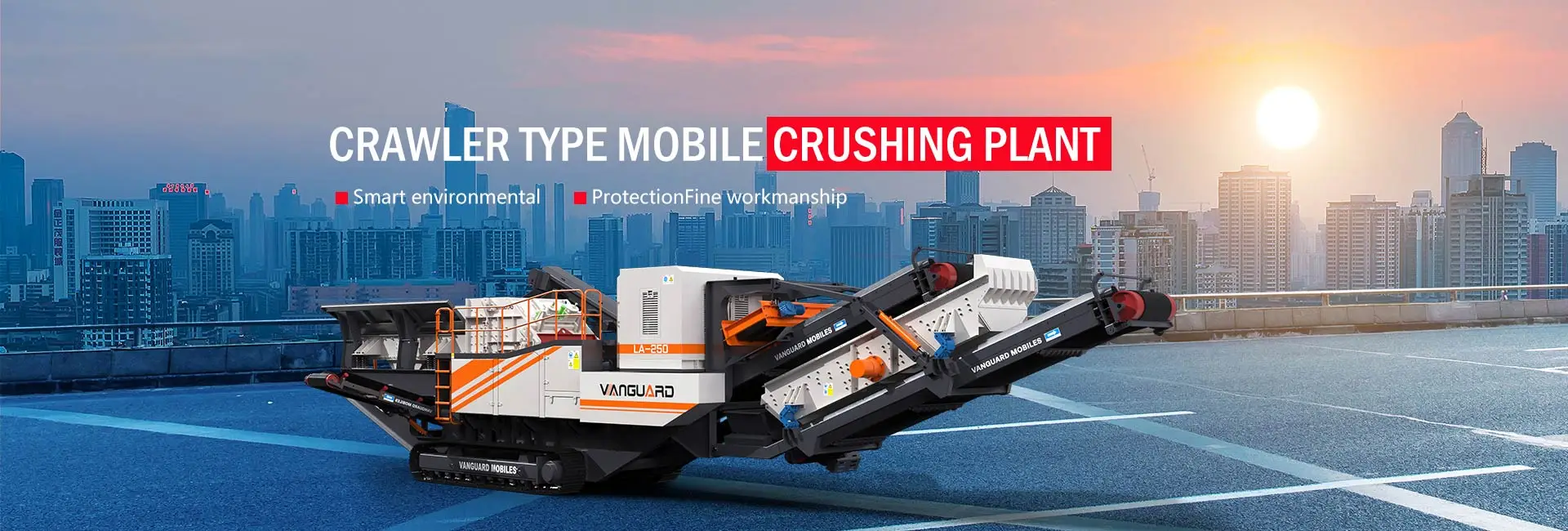
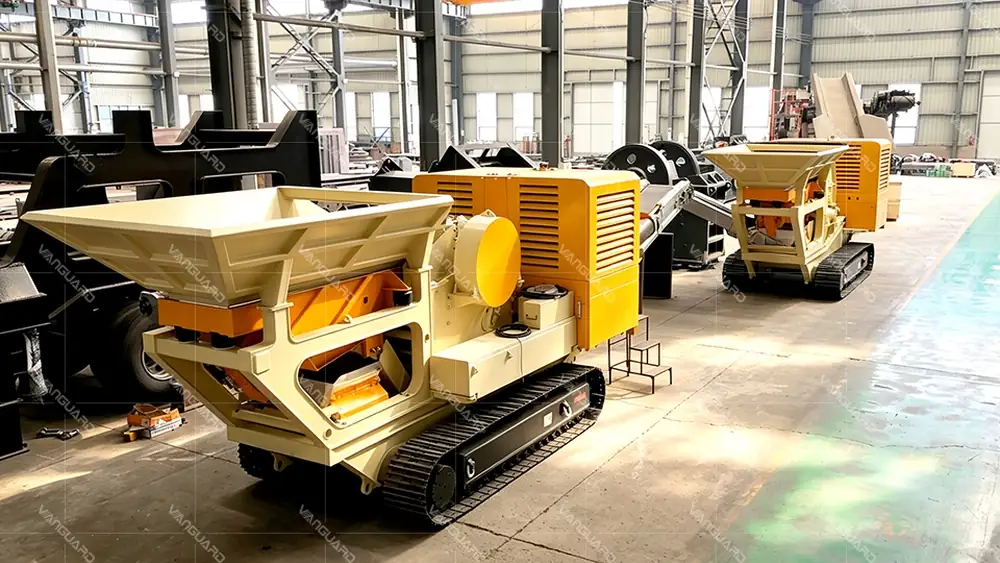
Do not treat feeding, crushing, screening and discharge as separately bolted-together machines - one crawler mobile crusher already integrates feed, crush and discharge conveyors on one chassis; add a mobile screen plant for sizing.
5. Power package: diesel, electric or hybrid
| Option | Pros | Cons | Best for |
| Diesel | Works anywhere, no grid | High fuel cost, emissions | Remote, no-power sites |
| Pure electric | Cheap to run, clean | Needs three-phase power | Park, fixed pit |
| Diesel-electric hybrid | Saves fuel, quieter, switchable | Complex, costly | Strict eco, low tariff |
Electric where power is cheap; diesel in the hills with no grid; hybrid when both eco and cost bite.
6. Matching capacity and specs
- Top feed: primary opening must swallow the max boulder, leave 20% margin. - CSS: close it for finer product but lower capacity; open for more. Don't run hard rock too tight or wear spikes. - Target capacity: nameplate is ideal; on hard rock budget at 80% to be safe. - Product ratio: more fine fractions mean more screen area and return load, so size the host with margin.
7. Two typical configurations
Example 1: hard granite, 500 t/hOne crawler mobile jaw crusher primary (feed ≤800 mm) → one crawler mobile cone crusher secondary/tertiary → two crawler mobile screen plants in closed circuit, giving 0-5/5-10/10-20/20-31.5 mm. Diesel or hybrid, good for moving between faces.
Example 2: limestone, 300 t/hOne crawler mobile jaw primary → one crawler mobile impact crusher secondary reshaping → one crawler mobile screen plant for product sizing. Pure electric, in-park, pretty shape, lower cost.
8. Selection checklist
- [ ] Rock type, hardness, abrasion confirmed - [ ] Max feed and daily tonnage quantified - [ ] Product fractions and spec (e.g. GB/T 14685) set - [ ] Crawler vs wheeled decided by terrain - [ ] Host by rock (hard: jaw+cone; medium: jaw+impact) - [ ] Screening mode (prescreen / open / closed) chosen - [ ] Power (diesel / electric / hybrid) set - [ ] Eco (dust, noise, emissions) assessed - [ ] Capacity budgeted at 80% - [ ] Relocation, service, spare-part lead time checked
9. Common mistakes
- Chasing max nameplate: that is ideal condition; hard rock needs a discount. - River pebble on impact: blow bars wear out in days, more time changing parts than crushing. - One machine for primary and shaping: mechanisms conflict, does both poorly. - No prescreen for dirty feed: mud enters product, kills price and jams screens. - Expecting outriggers on a crawler: the track footprint and low center hold it steady; no outriggers needed - that is the wheeled plant's job.
10. FAQ
Not always. Crawler shines with multiple faces, frequent moves and bad terrain; a fixed big pit on good road saves with wheeled.
Granite is hard and abrasive; prefer cone for secondary. Impact suits medium-hard rock like limestone.
Pebble is high-silica and very abrasive; impact blow bars wear out fast and running cost runs away. Right path is jaw plus cone.
No. Diesel runs anywhere; sites with three-phase can switch to pure electric or hybrid to save.
When feed carries soil, very much so - otherwise mud gets into product aggregate and drops both quality and price.
High shape and steady gradation want closed; multiple products and flexibility want open with a separate screen plant.
11. Conclusion
To choose a crawler mobile crushing plant, first know the rock and product, then land four building blocks - host, chassis, power, screening - on the duty: hard rock takes jaw plus cone, medium-hard takes jaw plus impact, C&D takes impact, sand takes 5X; relocate often picks crawler, fixed big pit picks wheeled; power follows grid and eco. Tick the checklist above and you get a crawler system that swallows big hard boulders, holds multiple qualified fractions and moves between faces on demand. Vanguard Machinery can run the line calculation and equipment selection from your rock and capacity.




