

Key Takeaways
On-site concrete recycling is less about which machine you buy and more about who ends up buying your material. Fill, road base, and spec concrete each demand a different gradation, cleanliness, and shape, so the configuration changes with the sale. Lock the end-use first, then the gradation, then work back to the equipment. Mobile impact crushers with closed-circuit screening fit scattered demolition; fixed hammer crusher lines fit steady county-scale volume. The decision tree and two tables below lay out the routes.
Key Takeaways: Ask About the Product First
- Product is just volume reduction for fill → single-stage crushing plus screening is enough, no shaping needed - Road base or masonry block → closed-circuit sizing plus strong iron removal, continuous gradation - Spec concrete aggregate channel → impact shaping plus multi-deck screening plus purification, low flakiness ratio
1. Lock the Product First: Gradation and End-Use Decide Everything
| End-use | Target gradation | Configuration focus |
| Fill, site leveling | 0-40 mm blend, loose spec | Single-stage crush plus screen, iron removal |
| Road base, paver block | 5-20 mm dominant, continuous | Closed-circuit sizing plus strong magnet plus pre-screen |
| Spec concrete aggregate | 5-10 / 10-20 / 20-40 mm split, low flakiness | Impact shaping plus multi-deck screen plus air purification |
Nail the end-use and the equipment stops being a guess. Many sites start with "anything that crushes" and end up with material nobody pays premium for.
2. Then Look at the Site: Throughput and Relocation
| Site type | Daily throughput | Relocation | Recommended mobile line |
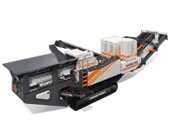
| Scattered demolition, emergency | 200-800 t | Frequent, rough ground | Crawler Type Mobile Impact Crushing Plant alone plus screen |
| Municipal, campus-scale demo | 1000-3000 t | Moves within a week | Crawler jaw plus impact plus closed-circuit screen |
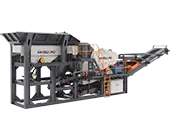
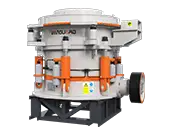
| County recycling plant | 3000 t+ | Essentially fixed | Fixed or semi-fixed hammer crusher line plus multi-deck screen |
3. Crawler Undercarriage in One Line
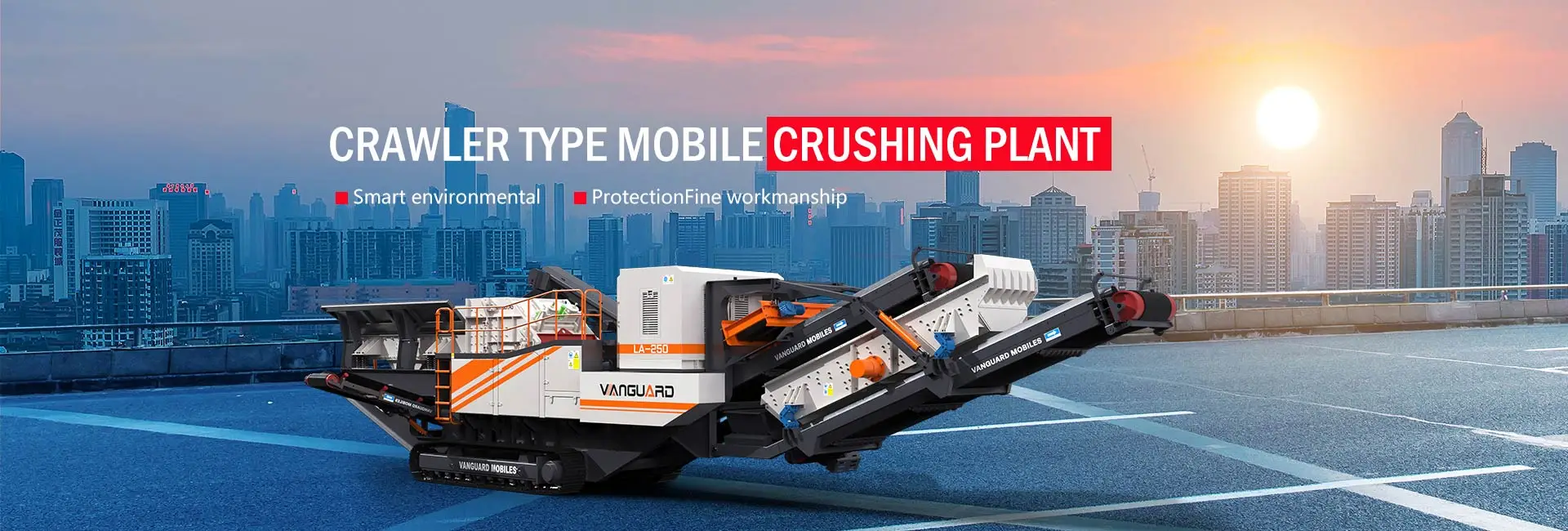
A crawler mobile crushing station runs on wide tracks and a low center of gravity, driving itself into rough access roads and post-demolition sites without dedicated fixing and without poured foundations, with almost zero setup between moves.

4. Three Typical Configuration Plans
Plan A, volume reduction only: a single Crawler Type Mobile Jaw Crushing Plant breaks oversize down to a havable size for downstream feed. Best for small demolition where the only goal is cheaper haulage.
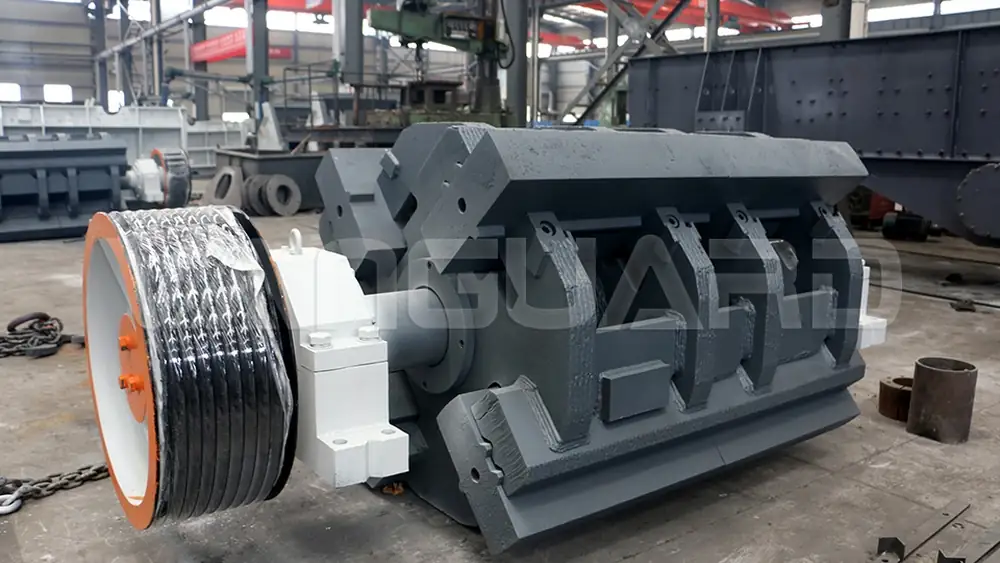
Plan B, road base and block feed: Crawler Type Mobile Impact Crushing Plant primary crush plus strong magnet plus vibrating screen in closed circuit. Rebar flies out with the rotor and is pulled off by the belt magnet, giving continuous gradation straight to nearby block plants.
Plan C, spec aggregate: mobile jaw primary plus mobile impact shaping plus multi-deck screen plus purification. Flakiness and fines are both controlled, opening the spec-aggregate channel with the highest price.
5. Selection Points
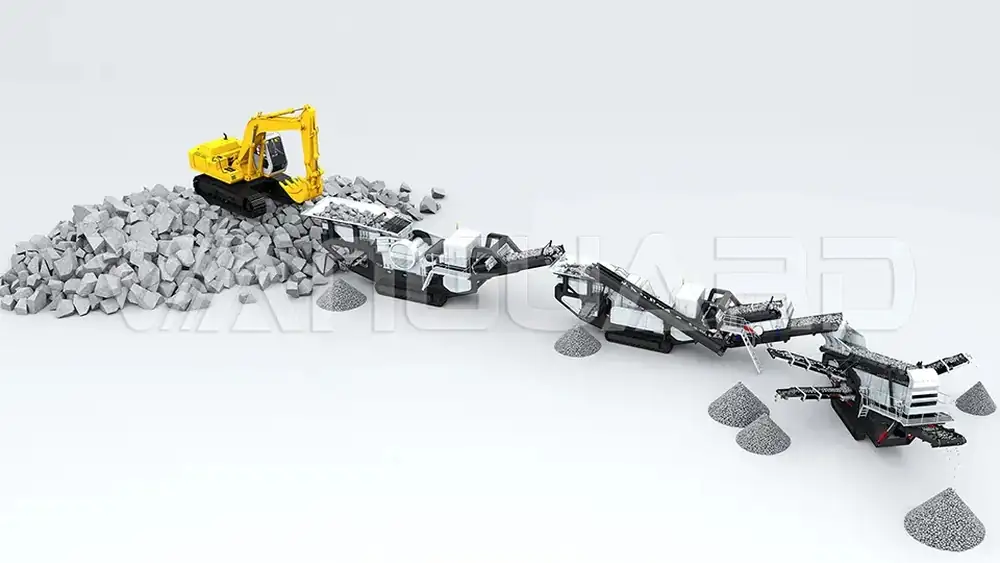
Rebar-heavy demolition concrete favors the impact crusher, where rebar exits with the rotor before magnetic separation; feeding it to a jaw risks bridging and liner damage.
Muddy feed should hit a grizzly pre-screen on the feeder first, splitting off fines so the back end does not clog and wear parts last longer.
Tramp iron shatters liners and hurts the host machine; a strong magnet with a wide belt is baseline for any recycle line.
Grid power is cheapest; off-grid sites use diesel-electric dual power. Do not compare only sticker price, compare cost per processed ton. Mobile usually costs more per ton than fixed, but saves haulage and schedule.
Scattered, frequent moves favor crawler; steady material for years favors fixed lines with the lowest cost per ton.
6. Common Mistakes
Mistake one: assuming gradation comes from crushing finer. Wrong. Gradation is seventy percent screening in closed circuit; crushing only reduces size and shapes particles. Skip the screen control and you never get continuous gradation.
Mistake two: forcing a big line onto a small site. Underfed, it makes more dust than product and wastes wear parts; a smaller line running full is better.
Mistake three: comparing equipment price instead of cost per ton. Fixed lines cost in civil works, mobile lines cost in flexibility; total the account by how often you move each year.
Mistake four: fitting any magnet. Weak field or narrow belt misses big rebar, and iron over spec gets the load rejected.
Mistake five: feeding muddy material directly. No pre-screen means mud cakes the mesh, fines spike, and block plants refuse it.
7. Field Experience
A North China road-base producer first ran a single-stage crusher on an "anything that crushes" plan. The output was uneven and muddy, and the mixing plant discounted it. Working backward from end-use, they added closed-circuit screening for continuous 5-20 mm, a strong magnet, and feeder pre-screening. Cleaner material lifted the same tonnage price by nearly thirty percent and stopped clogging the mesh. The lesson: ask who buys the material before specifying equipment.
A county recycling plant processing 4000 t per day on steady feed runs a fixed hammer crusher line, with cost per ton well below nearby mobile setups thanks to scale.
FAQ
Yes. 0-5 mm goes to block and mortar, 5-20 mm to road base and fill, 20-40 mm to backfill, and clean graded material reaches the spec-aggregate channel.
No. Wide tracks and a low center of gravity make it stable on its own; it drives in, needs no dedicated fixing and no poured foundation, and produces once power is connected.
Impact. Rebar bridges and damages jaw liners; the impact crusher lets rebar exit with the rotor for magnetic pickup, friendlier to reinforced material.
Fill only needs volume reduction, so single-stage crush plus screen suffices. Spec aggregate needs low flakiness and continuous gradation, so impact shaping plus multi-deck screen plus purification are required.
Use the feeder grizzly to split mud and fines before crushing; the back end stays clear, product stays clean, and wear parts last.
Critical. Tramp iron shatters liners and hurts the host; a strong magnet with a wide belt is baseline on any recycle line.
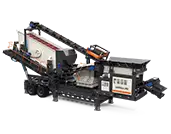
Rough, unpaved, frequent moves favor crawler; highway cross-town moves favor wheeled, fixed on arrival; steady material for years favors fixed.
Size from actual feed tonnage, not nameplate maximum. Underfed machines idle, make dust, and burn wear parts.
Yes. Scattered demolition, emergency repair, and frequent moves are ideal for a crawler impact crusher plus screen; run it full and it pays.
Yes. Diesel-electric dual-power versions run off-grid, common at remote demolition and road works.
At equal capacity fixed lines cost noticeably less per ton but need volume to amortize and are hard to move; mobile costs more in equipment but saves haulage and schedule, better for scattered work.
Yes. Send your feed size, rebar content, target output, end-use, and site conditions, and Vanguard Machinery configures a single machine or a combined mobile line, with free material analysis by sample before you order.
Conclusion
For on-site concrete recycling, ask who buys the product first: fill needs only single-stage crushing, road base needs closed-circuit sizing plus iron removal, and spec aggregate needs impact shaping plus multi-deck screening. The more scattered and mobile the site, the more a crawler line pays; steady, multi-year material favors a fixed hammer crusher line at the lowest cost per ton. Set the end-use, control the gradation, and do iron and mud removal properly, and mobile-recycled aggregate finally sells at a real price.
Related Articles
• 300 TPH Mobile Crusher: Configuration, Capacity and Selectio...(2026-07-22)
• Vanguard Machinery Showcases Crawler-Type Mobile Crushing & Screening Plants at(2026-08-06)
• Vanguard Machinery Showcases Mobile Crushing & Screening Plants at MINEENTRA 202(2026-08-06)
• 200 t/h Limestone Crushing-and-Sand-Making Plant in Malaysia: Five-Size Mobile L(2026-08-06)
• Best PFV1315 Impact Crusher for Limestone Crushing in Saudi ...(2026-08-06)
• How to Maintain a Crawler Type Mobile Jaw Crushing Plant(2026-08-05)
• Top 5 Reliable Crusher Alternatives to European Br...(2026-08-04)
• What Crushing Equipment Works Reliably at -40°C Without Brea...(2026-08-03)




