

Key Takeaways
- To build a 200 TPH crushing plant in Kazakhstan for hard rock (granite, basalt, gabbro), run jaw primary plus cone secondary with closed-circuit screening; add a VSI for cubical shape or manufactured sand. - Set three things before you fix the configuration: how hard is your feed, which size fractions you need, and whether the quarry is long-term fixed or phased and moving. - Kazakhstan winters hit minus 30°C, sites are remote and power is shaky, so mobile plants often beat fixed lines on schedule and relocation cost. - Chinese-made hard-rock closed-circuit equipment gives strong value and predictable spare parts, a common pick for projects in this belt.
Stone and site conditions in Kazakhstan
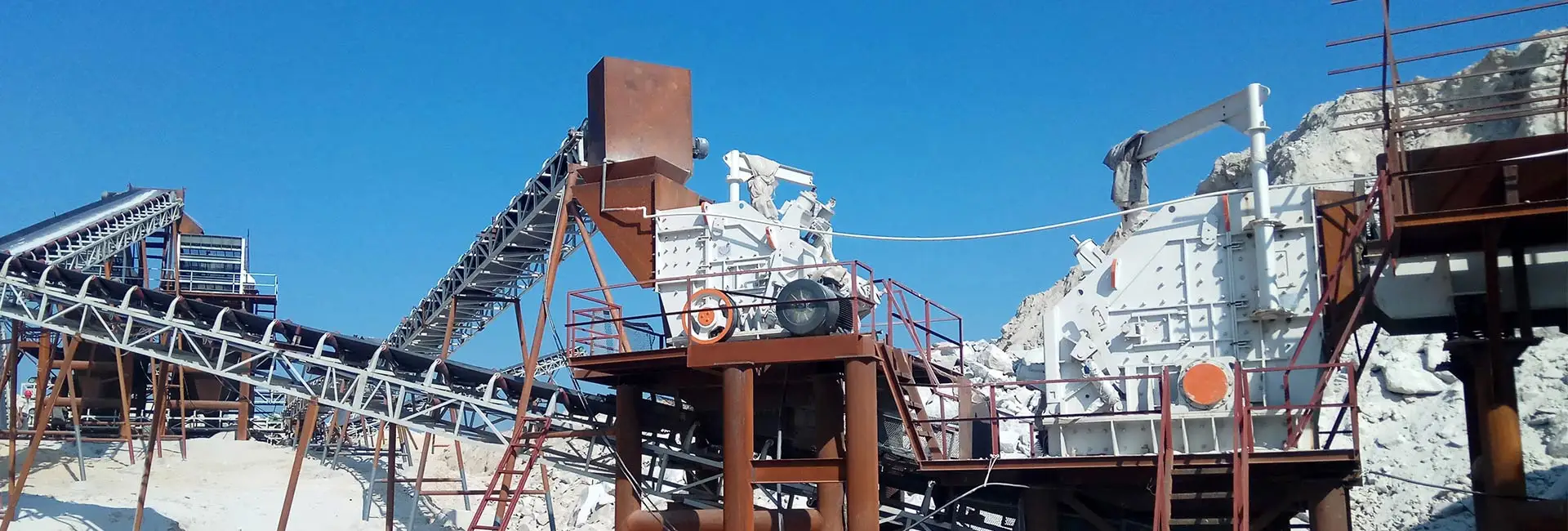
- Kazakhstan holds large granite, basalt, gabbro and dolomite reserves; infrastructure and city building lift spec-aggregate demand, with high ready-mix use around Almaty and Astana. - Climate is a hard limit: northern winters near minus 30°C mean low-temp grease, hydraulic oil and controls, and frost-heave-proof fixed foundations. - Many sites sit far from towns or advance in mining-license phases; roads and power are not always ready, which pushes the crush-where-you-dig, no-foundation mobile option forward. - Big, abrasive feed makes impact crushers wear fast and shape hard to hold on hard rock, so jaw plus cone stays the spine.
Three Questions to Pick the Right One
- Q1 feed hardness: hard rock like granite or basalt takes jaw plus cone; medium-hard limestone may use impact for shaping. - Q2 product specs: city aggregate commonly runs 0-5, 5-10, 10-20, 16-31.5mm in several grades; closed screening holds gradation, add a VSI for manufactured sand. - Q3 site and tenure: a 10-plus-year license and flat ground favor a fixed line; a tight schedule and moving face favor a mobile plant.
| What to decide first | What it sets | Common Kazakhstan answer |
| Feed hardness | Primary and secondary crusher | Hard rock goes jaw plus cone |
| Product grades | Screen decks, sand or not | 4 grades plus manufactured sand |
| Site and license | Mobile or fixed | Phased or remote goes mobile |
Recommended process route: hard-rock three-stage closed circuit
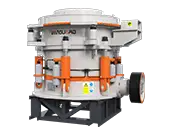
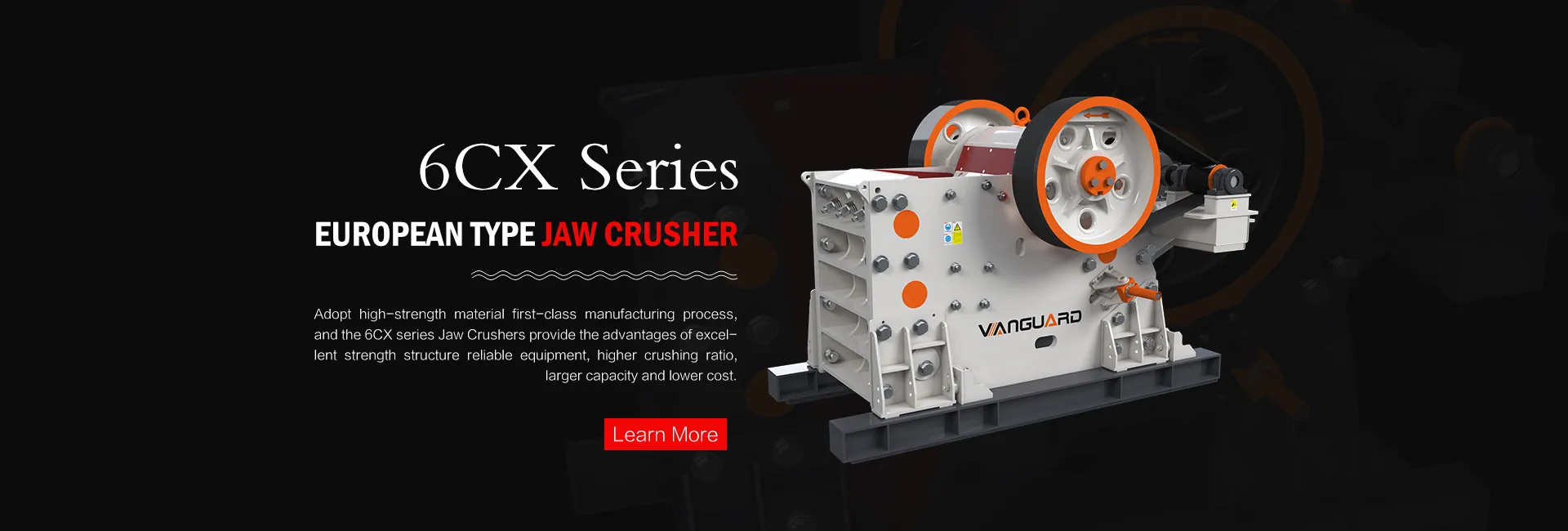
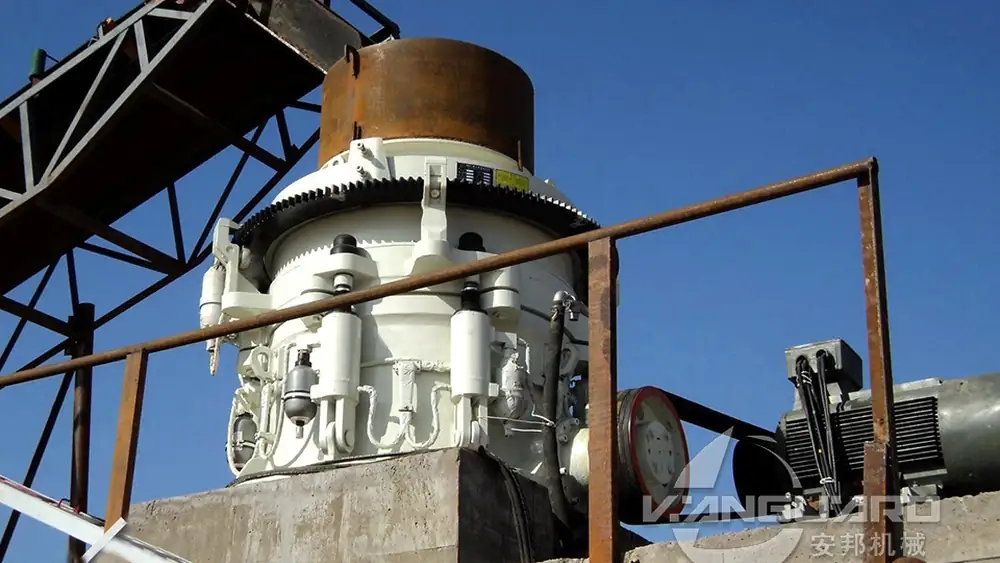
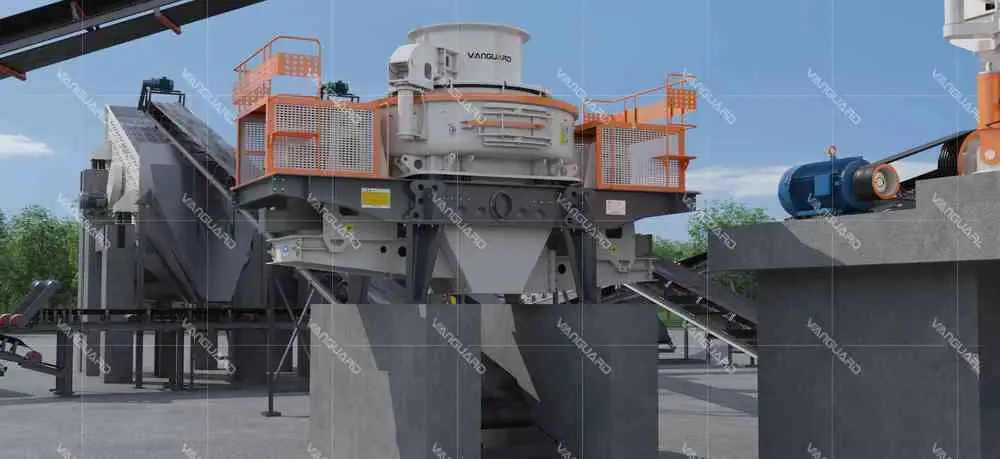
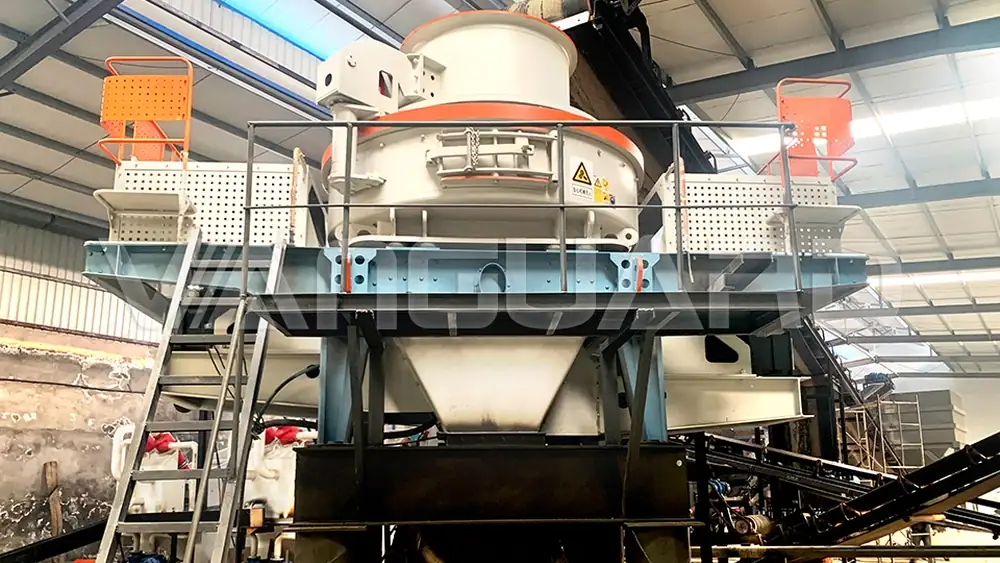
- Primary: a jaw crusher (6CX series) takes the feed below 200mm; secondary: a cone crusher (CS/CH or CP series) for medium crushing. - Tertiary by need: for shape and sand, a VSI (5X series) shapes and makes sand; for aggregate only, a closed-circuit inclined screen (YA series) sizes it. - Closed-circuit screening returns oversize to the crusher, keeping flakiness low and gradation steady, the key to stable 200 TPH. - A vibrating feeder (ZSW series) pre-screens out clay; belt conveyors (B series) link the stages.
Equipment configuration list (200 TPH hard rock reference)
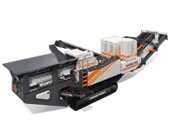
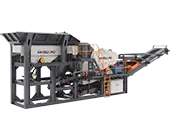
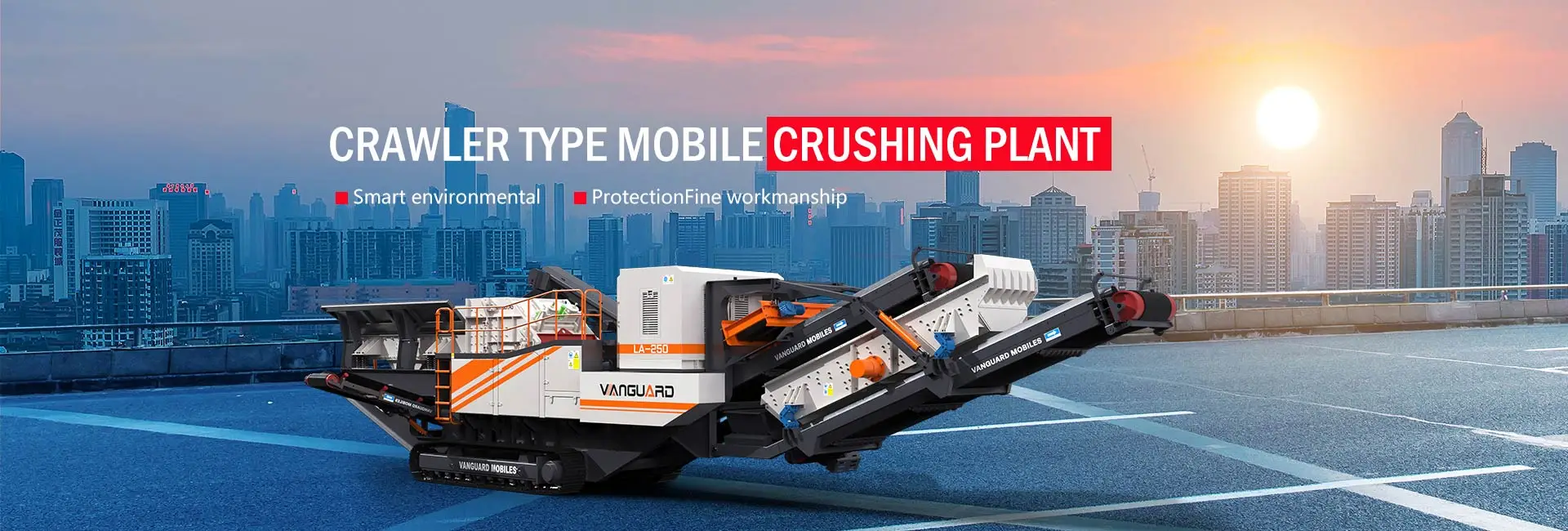
- Feed: vibrating feeder ZSW series with pre-screen to drop clay. - Primary: jaw crusher 6CX106, feed up to 720mm, down to 150-200mm. - Secondary: cone crusher CS/CH or CP series, CSS set by product. - Shaping or sand: VSI 5X series for manufactured sand or cube shape. - Screening: inclined screen YA series, 2-3 decks by grade, return closed loop. - Conveying: belt conveyors B series; mobile option uses a crawler mobile plant LA series as one unit.
| Stage | Equipment type | Role in 200 TPH |
| Feed | ZSW vibrating feeder | Steady feed, de-clay |
| Primary | 6CX jaw | Big rock to 150-200mm |
| Secondary | CS/CH/CP cone | Medium crush, shape |
| Shaping | 5X VSI | Sand, cube shape |
| Screen | YA inclined screen | Size, closed loop |
Mobile vs stationary: how to choose in Kazakhstan
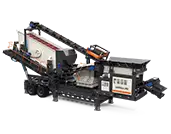
- Fixed lines cost less per ton at high volume but carry heavy civil, power and permit load; best for long licenses and flat ground. - Mobile plants need no foundation, move fast, run on power quick, fit tight schedules, poor roads and phased licenses, and cut haul cost. - In cold areas mobile plants need a low-temp setup: hydraulic oil heating, low-temp grease, insulated controls. - Short version: a long big quarry eats a fixed line, a phased small quarry eats mobile; both run on Chinese-made hard-rock closed-circuit sets.
| View | Mobile | Fixed |
| Ramp-up | Fast, no civil | Slow, civil works |
| Per-line capacity | Medium | High |
| Relocation | Crush and move | Almost none |
| Kazakhstan fit | Phased or remote license | Long big quarry |
How to verify capacity and gradation
- Do not trust nameplate alone: rate 200 TPH at hardest feed and finest target grade, keep 10-15% margin for stability. - Sample and plot the screen curve; check flakiness and fines; hard-rock closed circuit plus VSI holds flakiness under 10%. - Keep the return ratio in range; too much return means secondary or screen set too tight, open CSS or change mesh.
Budget, schedule and payback
- Fixed lines load civil and power up front but spread low unit cost; mobile is light in, fast payback, fits the license you hold now. - Spare parts and wear parts (jaw plates, cone mantles) supply lead time sets downtime; pick a maker with local stock for steadier runs. - At 200 TPH mid-scale, mobile often pays back in 6-12 months; fixed spreads over the license term.
Frequently asked questions
- What equipment does a 200 TPH granite plant in Kazakhstan need? Primary jaw 6CX106, secondary cone CS/CH or CP, closed screen YA, plus a 5X VSI for sand, feeder ZSW and conveyors B; mobile uses a crawler plant LA series as one unit. - Can the plant run at minus 30°C in winter? Yes, with a low-temp setup: low-temp grease, heated hydraulic tank, insulated control cabin, and frost-heave-proof fixed foundations. - Must I use a cone for granite, cannot impact work? On hard rock use cone; impact wears fast and shape is hard to hold. Impact shaping fits only medium-hard rock. - What do I add to make manufactured sand? Add a 5X VSI with closed-circuit screening to reshape return rock into sand. - How far apart are mobile and fixed line costs? Mobile is light in and runs on power quick, slightly higher unit cost but no civil; fixed loads civil and power but lower unit cost when spread. - How many saleable tons does 200 TPH really yield? Rate at hardest feed and finest grade with 10-15% margin; saleable aggregate lands near 170-190 t/h. - What is closed-circuit screening? Oversize from the screen returns to the crusher, forming a loop that holds shape, gradation and low return. - Are Chinese-made crushers reliable in Kazakhstan? Yes, most hard-rock closed-circuit sets here are Chinese-made, with predictable spare-part lead times and strong value; pick a maker with local stock. - How many people to run one line? Fixed line 2-3 per shift, mobile 1-2 per shift, plus scheduled inspection. - How often do wear parts change? Jaw plates and cone mantles depend on abrasion; on hard rock about 800-1500 hours, change by wear mark not a fixed clock. - How do I handle dust and water? Dry process with dust collectors; water points like sand making run in closed loop, no direct discharge; noise gets barriers. - How long from order to production? Mobile lands in 4-8 weeks then weeks of commissioning; fixed adds civil and power for 3-6 months.
Conclusion and next step
- For a 200 TPH hard-rock plant in Kazakhstan, lead with jaw plus cone closed circuit; add 5X for sand or shape; mobile for phased remote, fixed for long flat. - Lock feed, product grades and site, and the configuration will not drift; next step is a small test line on your feed sample to confirm capacity.
Related Articles
• Why Mobile Crushing Plants Are Becoming Popular in...(2026-07-23)
• Hydraulic vs Spring Cone Crusher: What Sets Them Apart and H...(2026-07-22)
• Crushing High-Hardness Rock into Quality Aggregate: Vanguard Machinery Brings Tr(2026-08-06)
• Vanguard Machinery Showcases Crawler-Type Mobile Crushing & Screening Plants at(2026-08-06)
• Vanguard Machinery Showcases Mobile Crushing & Screening Plants at MINEENTRA 202(2026-08-06)
• Best PFV1315 Impact Crusher for Limestone Crushing in Saudi ...(2026-08-06)
• How to Maintain a Crawler Type Mobile Jaw Crushing Plant(2026-08-05)
• Top 5 Reliable Crusher Alternatives to European Br...(2026-08-04)




