

Key Takeaways
Producing four aggregate grades at once — 0–5 mm, 5–10 mm, 10–20 mm and 20–31.5 mm — is not a matter of picking one crusher by "final size." You design the whole circuit from rock type, max feed, target gradation, shape, capacity and closed-circuit screening. A jaw takes primary; a cone or impact does secondary/fine; a sand-making machine shapes and tops up manufactured sand; multi-deck screens split the finished grades. Multi-stage closed-circuit crushing and screening usually controls flakiness, fines and per-grade yield better than one machine "crushing it all in one pass." Vanguard Machinery lays out lines from jaw to screen for these four grades.
1. Define the four products first
| Finished grade | Typical role | What the equipment must do | Main risk |
| 0–5 mm | manufactured sand, chip, fine agg | fines yield, shape, gradation, controllable powder | over-crush, too much powder, gap in gradation |
| 5–10 mm | small gravel | stable size, low flakiness, few oversize | screen blinding, fine carry-over |
| 10–20 mm | common concrete coarse agg | high capacity, good shape, stable gradation | not enough oversize return, high flats |
| 20–31.5 mm | larger agg, base or some concrete | keep coarse grade, avoid over-crush | crushed too fine, low 20–31.5 yield |
Note: the "0–5 mm" boundary in real projects should be confirmed — the screen cut may be 4.75 mm, 5 mm or another local standard. For concrete or asphalt, beyond size also confirm fineness modulus, powder content, clay, flakiness, crushing value, water absorption and gradation tolerance.
2. How the crushers share the work
| Stage | Equipment | Job |
| Primary | Jaw crusher | take boulders down to a size the next stage can eat |
| Secondary | Cone (hard rock) / Impact (soft rock) | reduce and shape the mid sizes |
| Tertiary shaping | sand-making machine | shape, make sand, adjust fines |
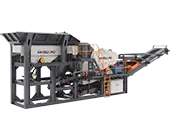
| Splitting | Multi-deck screen | separate each finished grade, return oversize |
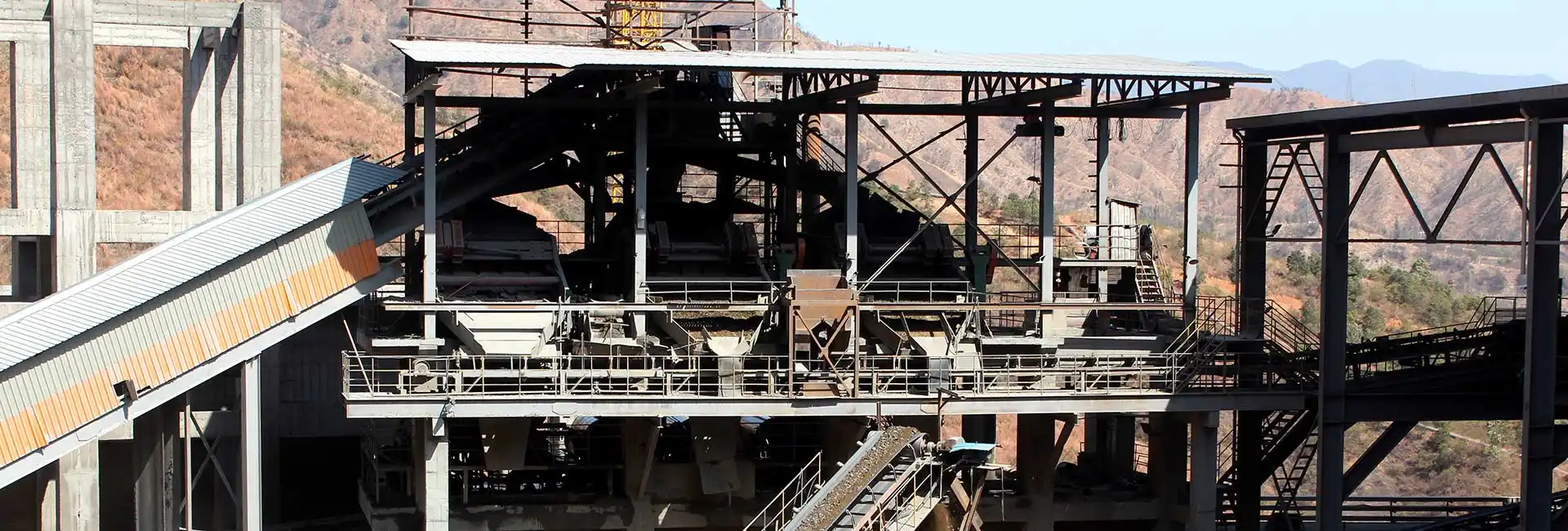
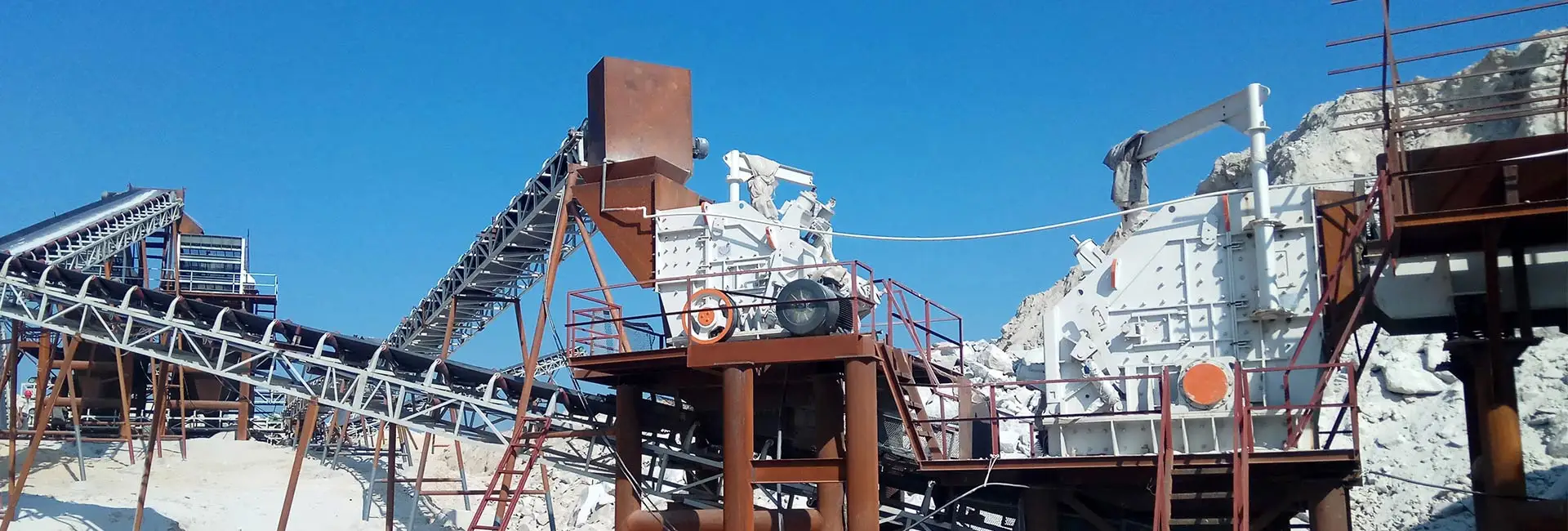
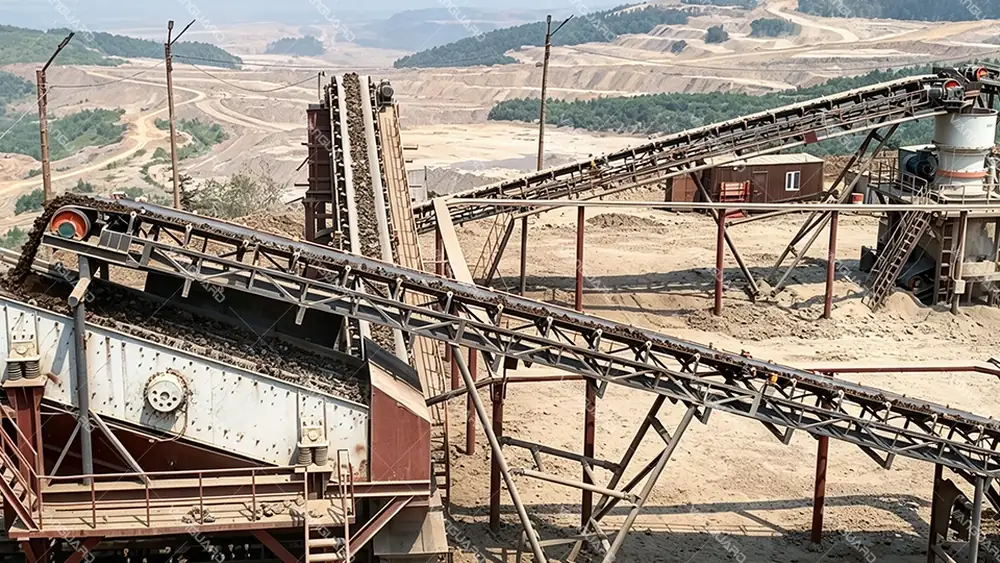
From blasted rock to product, the chain is feeder → crushing → screening → product. Crushers link through closed-circuit screens, not one machine in a single pass.
3. Primary: jaw crusher is usually first
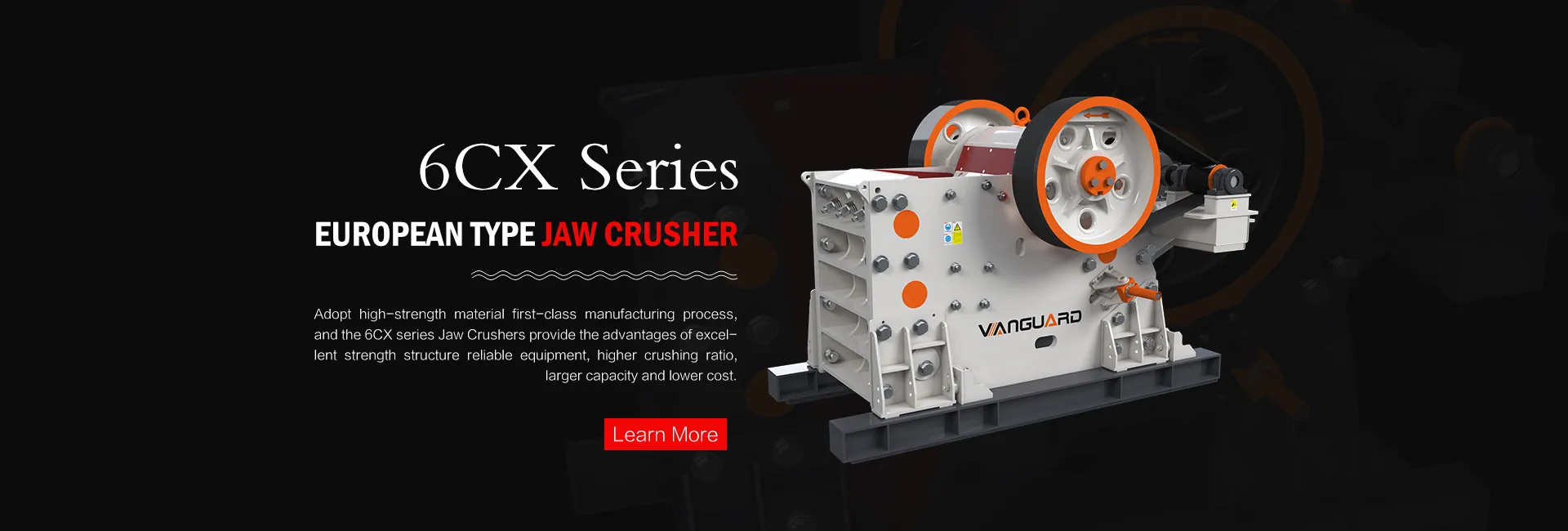
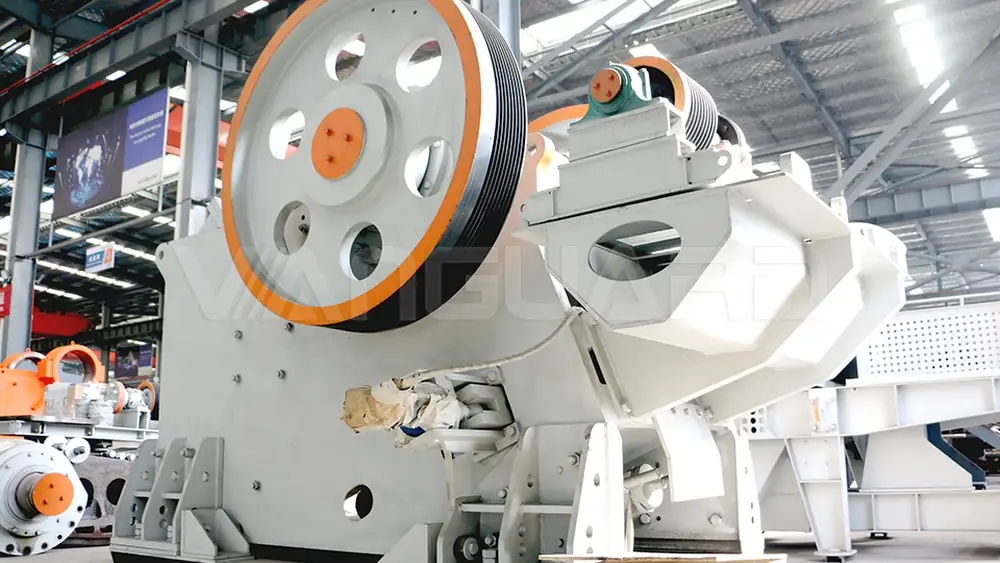
If feed is blasted rock, large lump, wide size spread, the front end is usually vibrating feeder + jaw. The jaw takes big feed down to ~100–200 mm for the secondary, depending on max lump, setting and the next machine's allowed feed. The jaw suits hard, abrasive granite, basalt, diabase and most limestone, but it does not shape the final product — its product shape is poorer and the size spread wider, so you still need secondary and even tertiary crushing + screening. Vanguard Machinery offers the 6CX European jaw crusher and the PE series jaw crusher for primary duty.
When choosing a jaw, check: - max lump below the feed opening - moisture, clay, sticky content - target capacity vs throughput - discharge setting feeds the next stage correctly - wear life, liner material, maintenance downtime cost
4. Secondary: cone for hard rock, impact for soft rock
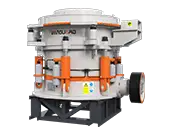
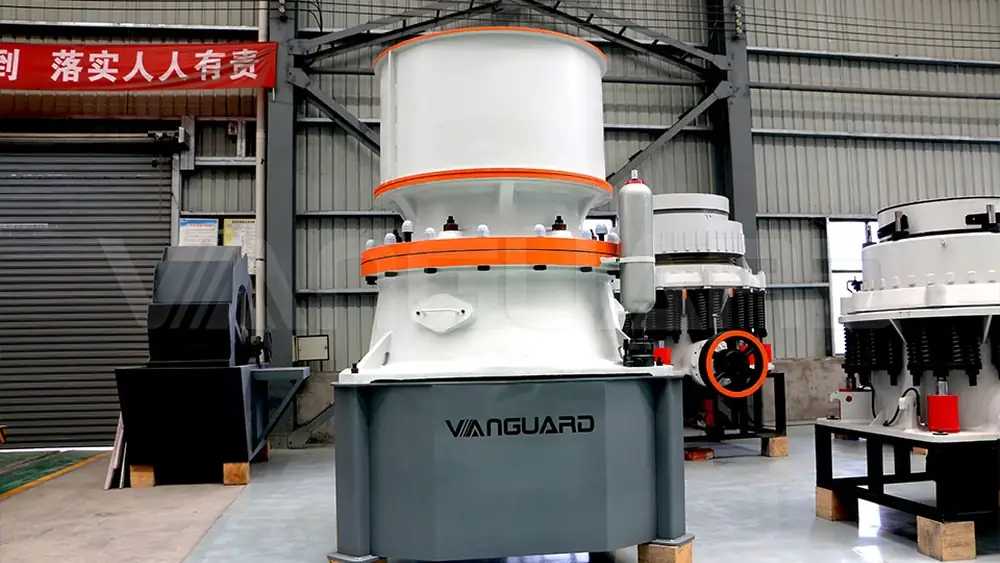
For granite, basalt, river pebble, diabase — high hardness, high abrasion — the secondary is usually a cone. Cones wear better and run continuously, fit high-tonnage hard-rock lines, and balance yield and product by CSS, chamber, eccentricity and speed. For 10–20 mm and 20–31.5 mm, the cone keeps more mid-coarse grade instead of turning it all into 0–5 dust. For a top size around 25 mm, start from a larger CSS that puts product P80 below the screen opening, then confirm capacity; for 25 mm top size, a CSS around 19–22 mm is a common starting range, but the chamber and gradation test decide. A cone fits when: - high strength, high abrasion - high design capacity, long run time - need stable 10–20 / 20–31.5 mm - want to control oversize return by closed-circuit screen - long-term wear and running-cost accounting But using only a cone for lots of quality 0–5 mm may give weak shape/fines gradation, so add a sand-making machine.
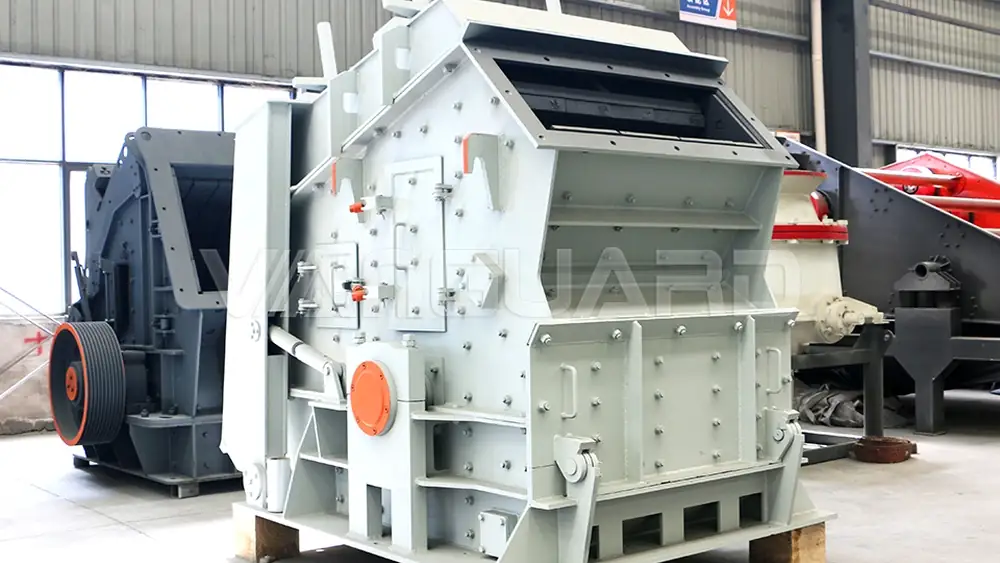
For limestone, dolomite, some sandstone — medium-soft — impact can be the secondary, even primary+secondary in some cases. Big reduction ratio, cubical product, higher fines. If 0–5 mm chip or sand ratio matters and abrasion is low, impact may give better shape more directly than a cone. But on high-silica, high-abrasion hard rock, blow bars, impact plates and liners wear fast — count the cost. Vanguard Machinery offers the PF series impact crusher and 6FX series impact crusher for medium-soft secondary duty.
5. Tertiary shaping: sand-making machine is often the key to 0–5 mm
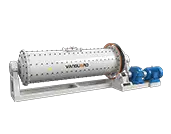
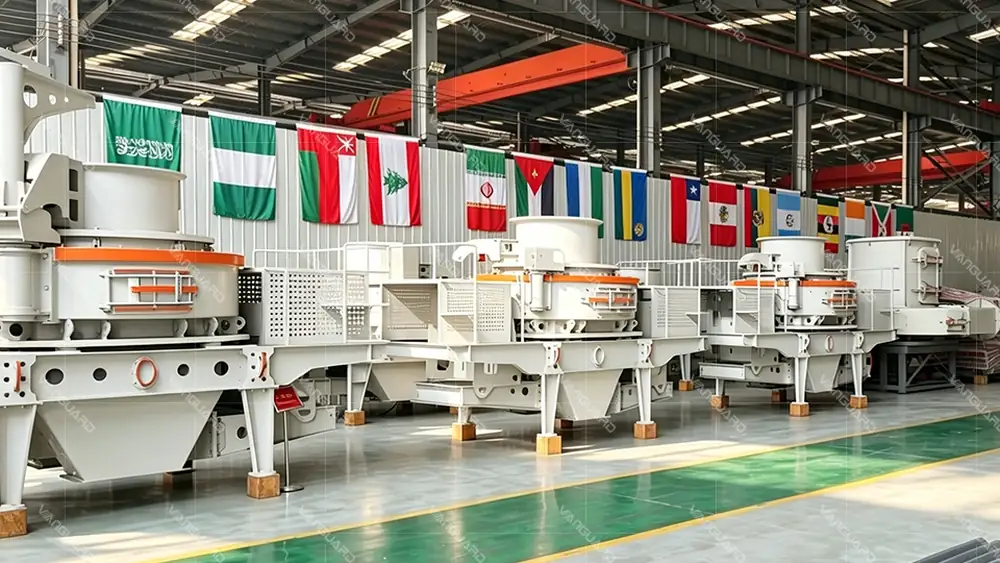
If 0–5 mm is more than ordinary chip — high-spec manufactured sand needing shape, gradation and surface quality — put Vanguard Machinery's 5X vertical-shaft impact crusher after the cone or impact. sand-making machine reshapes via rock-on-rock or rock-on-iron, improving cubicity, cutting flakiness, tuning fines gradation. Its job is not to replace primary but to:- reshape 5–20 mm or finer pre-crushed feed- raise 0–5 mm yield- improve 5–10 / 10–20 mm shape- selectively re-crush return- lift quality for high-spec concrete, asphalt, manufactured sandsand-making machine feed size must be controlled (public data shows some sand-making machine max feed ~40–120 mm; pick by maker curve, rotor, hardness, capacity). Note sand-making machine raises fines yield — if 0–5 mm market is limited or powder is capped, don't pile on sand-making machine load; keep it in closed circuit, control return, rotor speed, cascade feed and screen setup.
6. Recommended process configurations
| Plan | Flow | For |
| Plan A — hard rock, high capacity, all four grades | Feeder → Jaw → Cone (secondary) → Screen → Cone/sand-making machine (fine) → Product screen → bins | granite, basalt, diabase, river pebble, high-abrasion hard rock |
| Plan B — limestone, medium-soft, high fines | Feeder → Jaw or primary impact → Secondary impact → Screen → sand-making machine (as needed) → Product screen | limestone, dolomite, some sandstone, low abrasion |
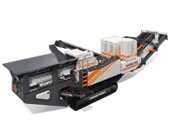
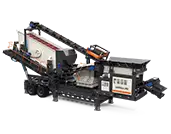
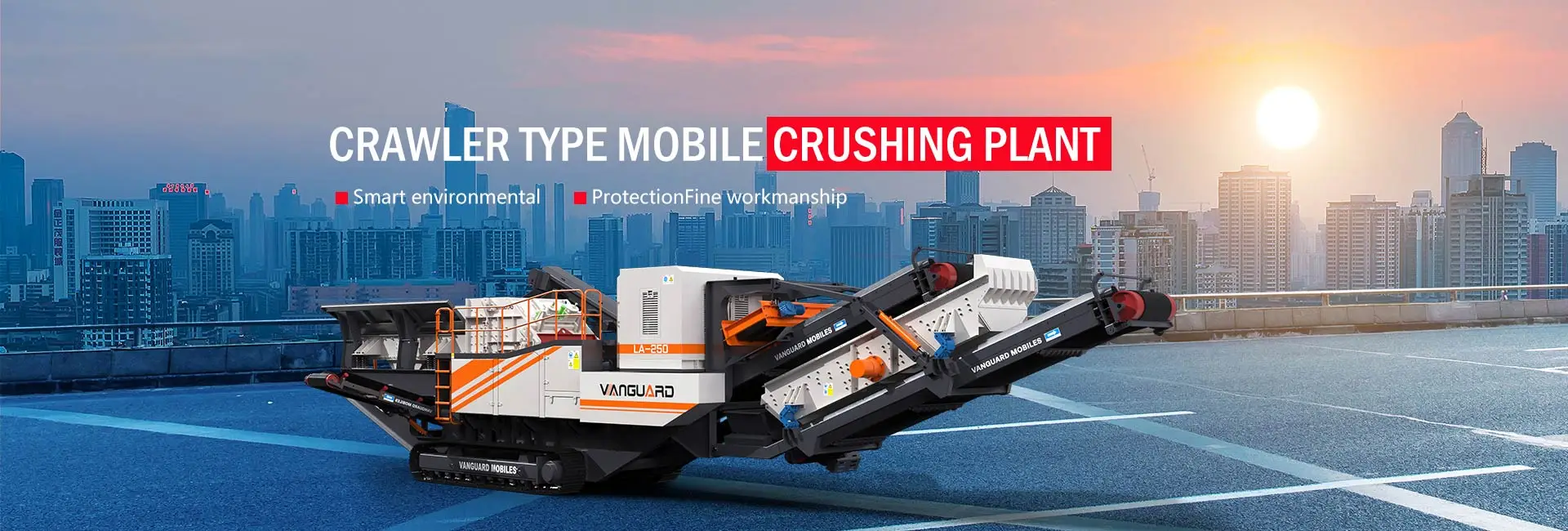
| Plan C — tight budget or mobile | Mobile jaw → Mobile cone → 3/4-deck mobile screen | temporary quarry, road job, relocate; add mobile sand-making machine later |
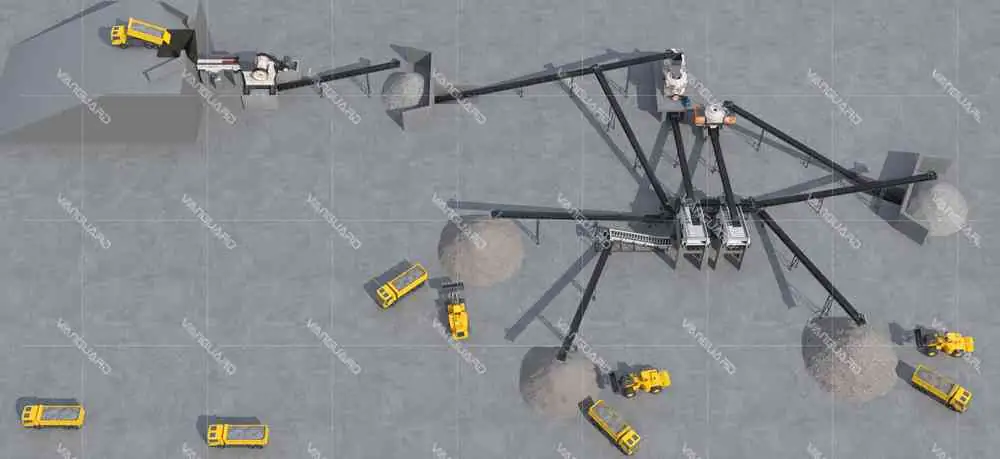
Plan A core: "cone holds capacity, sand-making machine holds shape." Cone does the main size reduction, screen oversize returns to cone (closed circuit); mid-fine grade goes to sand-making machine, then multi-deck screens split 0–5 / 5–10 / 10–20 / 20–31.5. Vanguard Machinery hard-rock lines follow this jaw–cone–sand-making machine three-stage. Plan B advantage: direct flow, good shape, high 0–5 yield; if 0–5 quality is strict or flats must drop, add sand-making machine at the end; if powder already high, tune impact params and screening loop first, not blindly add shaping. Plan C: for hard rock, mobile jaw + mobile cone + multi-deck screen gives the four grades basically; when 0–5 shape or sand gradation fails, add mobile sand-making machine or a separate shaping plant. Vanguard Machinery mobile jaw + mobile cone + mobile screen packages are proven; public granite multi-grade setups also use jaw + cone + 3-deck screen.
7. Screening matters more than the crusher
To make four grades at once, the final screen needs at least the matching cut points plus return circuit. Just tightening the crusher discharge cannot stably guarantee all grades.
| Screen zone | Destination |
| Below 5 mm | 0–5 mm product; wash, de-powder or adjust gradation as needed |
| 5–10 mm | 5–10 mm product |
| 10–20 mm | 10–20 mm product |
| 20–31.5 mm | 20–31.5 mm product |
| Above 31.5 mm | return to cone / impact / sand-making machine |
The number of screen decks is not always equal to the number of products — also consider oversize return, deck angle, efficiency, wet blinding, separate intermediate screens. Making four grades usually needs multi-deck or several screens, by capacity and layout. Check in screen design: - market demand ratio of each grade, not just "can it screen" - actual screen opening vs nominal size - moisture, clay, fines causing blinding - if low efficiency lets oversize into product - if return ratio too high hurts capacity - product piles kept separate to avoid re-mixing by loader
8. Adjust by product grade
0–5 mm is often the hardest to stabilize — high-value sand or just chip, different strategies. For quality manufactured sand: - cone/impact + sand-making machine - closed-circuit screen, keep coarse out of sand - dry powder selector / dust / wet wash by powder limit - tune sand-making machine speed, feed gradation, return by test - adjust by screen curve, fineness modulus, shape For ordinary chip: don't over-run everything through sand-making machine just to raise 0–5 yield — you'll lose 10–20 / 20–31.5 yield and raise wear and energy.
5–10 mm is sensitive to screen efficiency. If screen worn, overloaded or wet, it carries <5>10 mm oversize. - keep 5 mm / 10 mm screens in good state - divert screen undersize promptly - sand-making machine or tuned impact when flats strict - don't dump >20 mm straight into fine crushing (makes excess 0–5)
10–20 mm is a main product. On hard rock, cone + closed-circuit screen balances capacity, wear and size stability. If flats fail, send part to sand-making machine, not all. Coordinate cone CSS, chamber and screen opening: too tight raises 0–5 / 5–10; too loose raises >20 mm return and loop load. General goal: step from ~50–80 mm post-primary down to ~5–12 mm, but set by product, screen and material.
Key is to "release" qualified coarse, not crush finer. If market needs it: - don't set secondary discharge too small - only >31.5 mm returns - qualified 20–31.5 mm doesn't enter sand-making machine - enough coarse in feed (not naturally too fine) - product screen and bins don't mix 20–31.5 with 10–20
9. Three questions to lock the configuration
Guide signature — three questions: 1. What is the rock? Hard/abrasive (granite, basalt, river pebble) → jaw + cone + screen, add sand-making machine for sand. Medium-soft (limestone) → jaw/impact + impact + screen, sand-making machine at end if needed. 2. What are the four grade ratios? If 0–5 mm dominates, plan sand-making machine and powder control early; if 20–31.5 mm dominates, keep secondary discharge open and screen promptly. 3. Fixed or mobile, what capacity? Fixed high-tonnage → Plan A. Mobile/relocate → Plan C. Send the 7 parameters to Vanguard Machinery for a process calculation.
10. Data to collect before selection
| No. | Item | Note |
| 1 | Material & test | rock name, compressive strength, abrasion index, clay, moisture, weathering |
| 2 | Max feed & distribution | max lump, blast-block ratio, natural fines ratio |
| 3 | Design capacity | t/h, annual hours, peak, future expansion |
| 4 | Four-grade demand ratio | 0–5 / 5–10 / 10–20 / 20–31.5 shares |
| 5 | Quality standard | flakiness, powder, clay, crushing value, gradation, shape; concrete/asphalt/base |
| 6 | Site condition | fixed/mobile, power, space, elevation, environment, dust/water |
| 7 | Economy | capex, wear parts, power, labor, downtime, spare supply |
11. FAQ
No. You need primary + secondary + shaping + multi-deck screen in closed circuit. A single machine "crushing it all" can't hold gradation and shape.
Hard/abrasive rock → cone (lower wear). Medium-soft, shape-first → impact (better cubical, more fines). Pick by rock and quality target.
For high-spec 0–5 mm sand or strict shape, yes — sand-making machine shapes and tunes fines. For ordinary chip, cone/impact + screen may suffice; don't over-use sand-making machine or you lose coarser yield.
Four grades need matching cut points and return circuit; a crusher alone can't split four sizes. Bad screening lets oversize or fines contaminate product.
Set secondary discharge not too tight, return only >31.5 mm, keep qualified 20–31.5 mm out of sand-making machine, separate bins.
Closed-circuit screen + sand-making machine tuning + powder control (dry selector / wash) by limit; confirm fineness modulus and gradation by test.
From top product size: open wider → coarser, more yield; close → finer but risk choke. Keep margin for cone on hard rock.
Fixed high-tonnage, long campaign → fixed (jaw + cone + screen). Relocate, temporary → mobile (mobile jaw + mobile cone + mobile screen), add mobile sand-making machine later.
Not always equal to product count — consider return, angle, efficiency, wet blinding. Four grades usually need multi-deck or several screens.
No — also max feed, rock, CSS, moisture, configuration. Send the 7 parameters to Vanguard Machinery for a process calculation.
12. Conclusion
For four-grade aggregate, the most general logic: - Hard, abrasive, high capacity: jaw + cone + multi-deck screen; add sand-making machine if 0–5 shape or sand quality is high. - Limestone / medium-soft, cubical and fines: jaw/primary impact + secondary impact + screen; sand-making machine at end if needed. - Big 20–31.5 mm demand: don't set secondary too fine; split qualified coarse by screen promptly. - High 0–5 mm quality: don't just tighten cone discharge; use sand-making machine + closed-circuit screen + de-powder/wash together. - What truly decides stability is the match of crusher + screen + return loop + bins as a whole, not one machine's model.
Before purchase, run a trial crush with representative material or ask Vanguard Machinery for a simulation based on material test: capacity balance, gradation curve, wear estimate, energy. That tells whether a set not only "can produce" the four grades but can do it at target ratio, quality and acceptable cost long term.




