

Key Takeaways
- If you do not want the plant bolted to one spot, you have two flexible routes: semi-mobile modular (MBP series) and mobile (tire-mounted VPE/VPC, crawler LA series). Both live on "minimal foundation, fast relocation"; they differ in how they sit on the ground, how often they move, and single-line capacity. - Mining and aggregates look like the same job but are two different briefs: mining wants big tonnage moving run-of-mine to the next step (conveyor/stockpile); aggregates want shape and gradation (0-5/5-10/10-20/20-31.5mm fractions). That decides modular vs mobile, cone vs impact. - Before you size anything, answer three things: material and abrasiveness, capacity and product spec, mine-lease length and relocation frequency. Long lease + high tonnage -> semi-mobile modular; staged, follow-the-face -> mobile. - Three site gates: concrete foundation, power (grid vs genset), dust and water. Get these wrong and no amount of equipment runs smoothly.
Semi-Mobile, Tire, Crawler: what actually differs
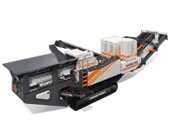
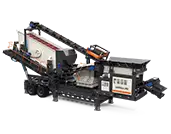
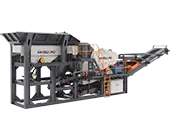
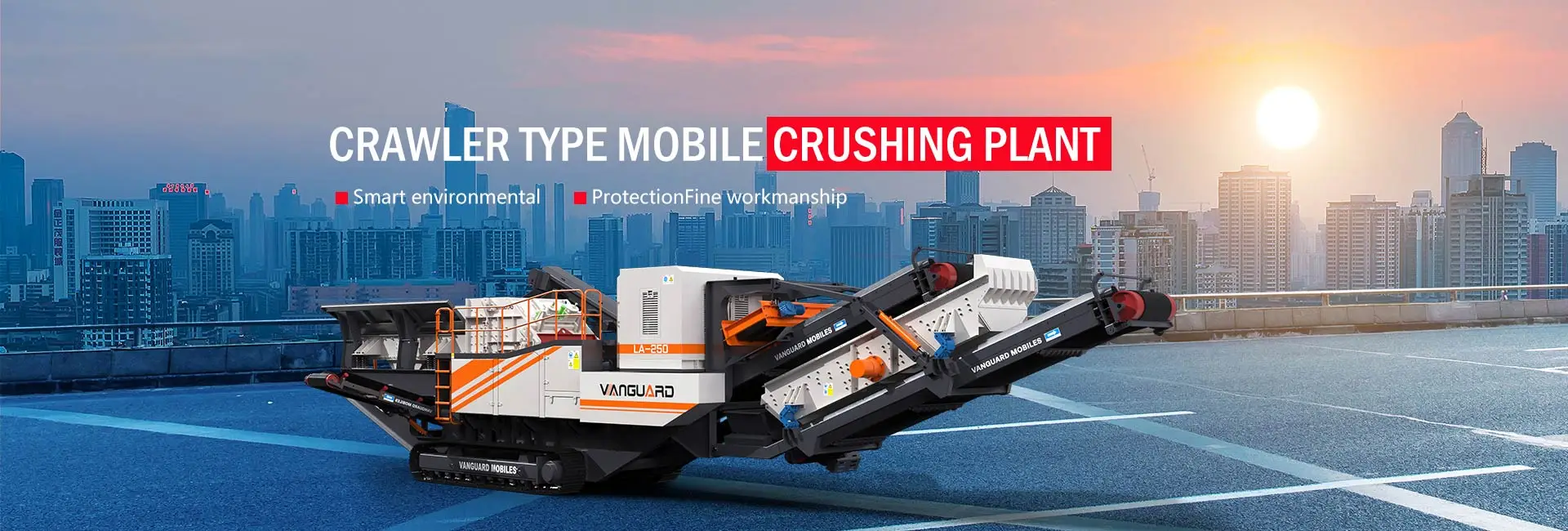
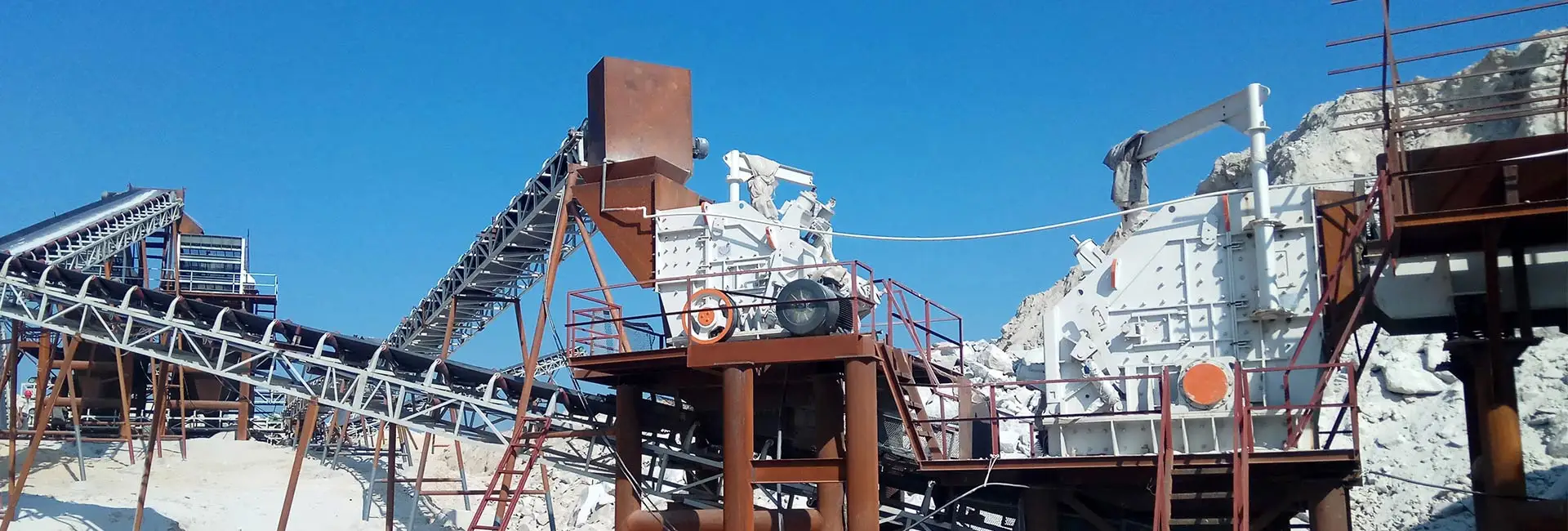
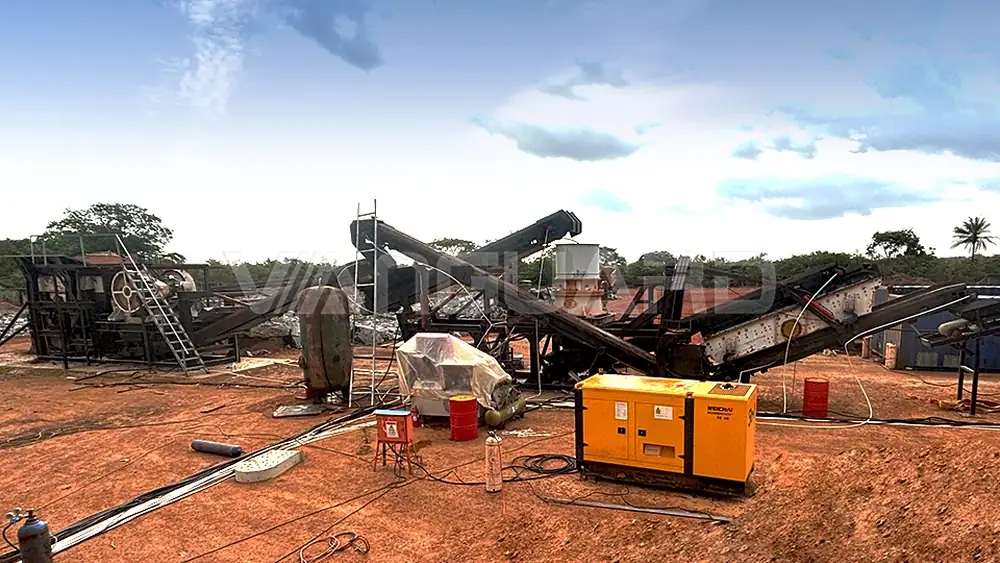
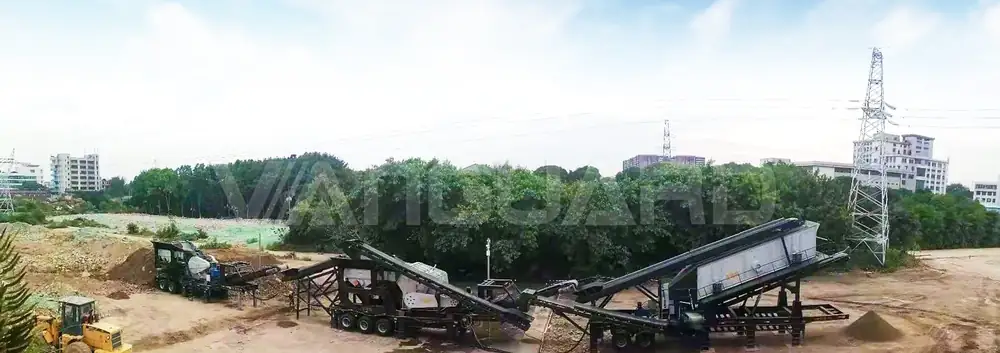
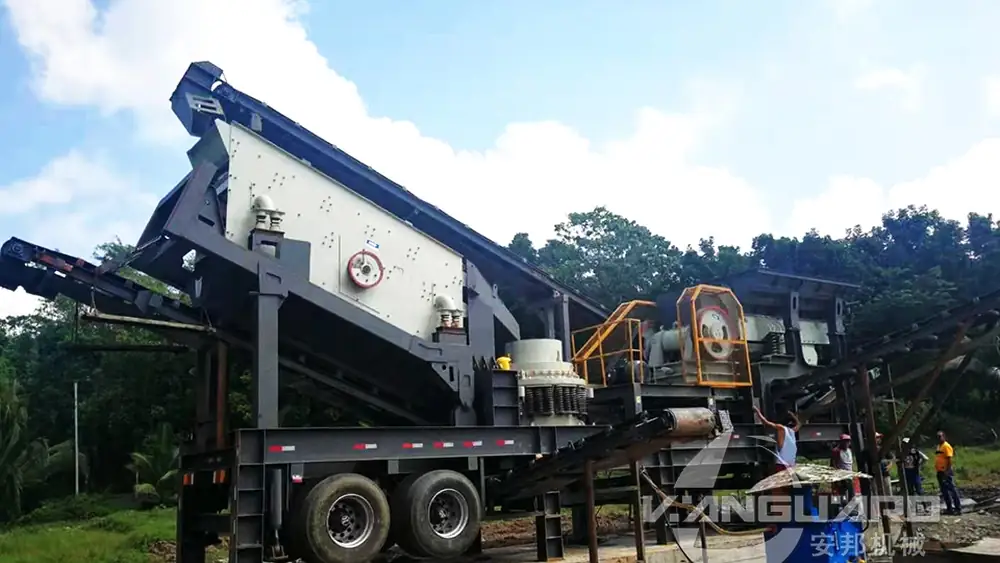
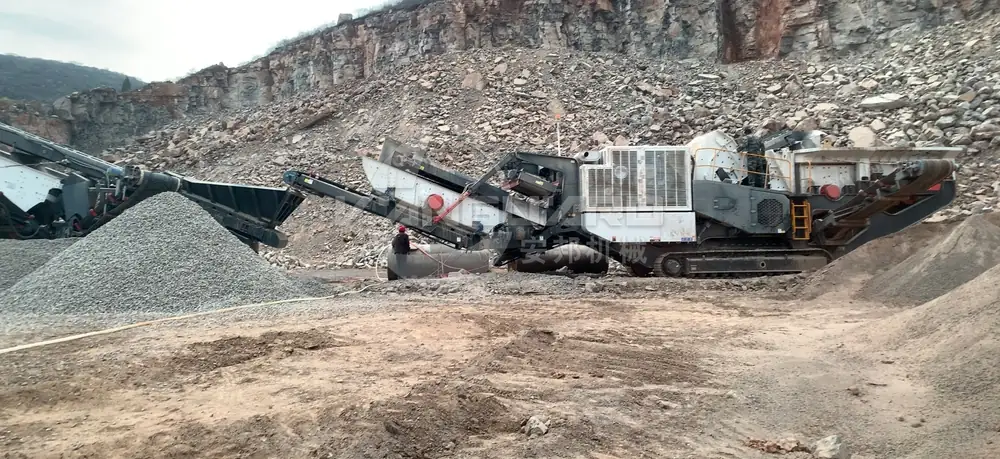
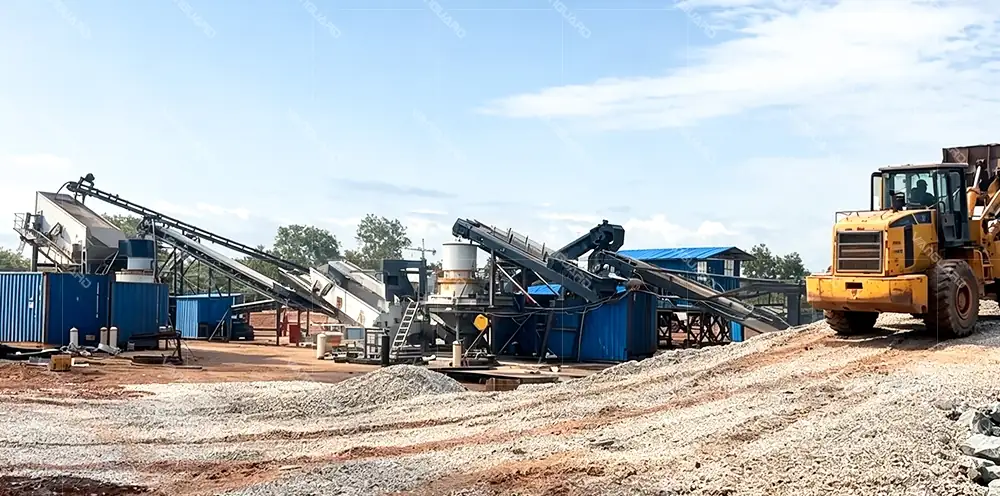
- Semi-mobile modular (MBP series): equipment sits on a steel frame/skid; a thin concrete or crushed-stone pad is enough to start, no deep building. Best for long leases and high tonnage; at lease end the whole line shifts to the next pit. - Tire-mounted mobile (VPE jaw, VPC cone, VPF impact, VPV sand, etc.): towed, road-legal, fast to move between sites; great for aggregate plants, urban works and staged pits. Levels on its own supports, so it wants a reasonably level pad. - Crawler mobile (LA series, e.g. a C106-class jaw): self-powered, ready on arrival, wide track / low center of gravity, climbs mud and ramps; fits follow-the-face, remote and roadless sites. - None of these is a fixed plant: a fixed line needs a building, deep foundations and long lead time; the flexible routes cut installation to days or weeks.
| Route | Foundation | Relocation | Single-line capacity | Best for |
| Semi-mobile modular MBP | Thin slab / crushed stone | Skid shift | Medium-large | Long lease, high near-pit tonnage |
| Tire-mounted VPE/VPC | Supports + level pad | Towed on road | Medium | Aggregate plants, staged pits |
| Crawler LA | Drives on, ready | Self-propelled | Medium-large | Follow-the-face, remote sites |
Mining vs Aggregates: same equipment, two jobs
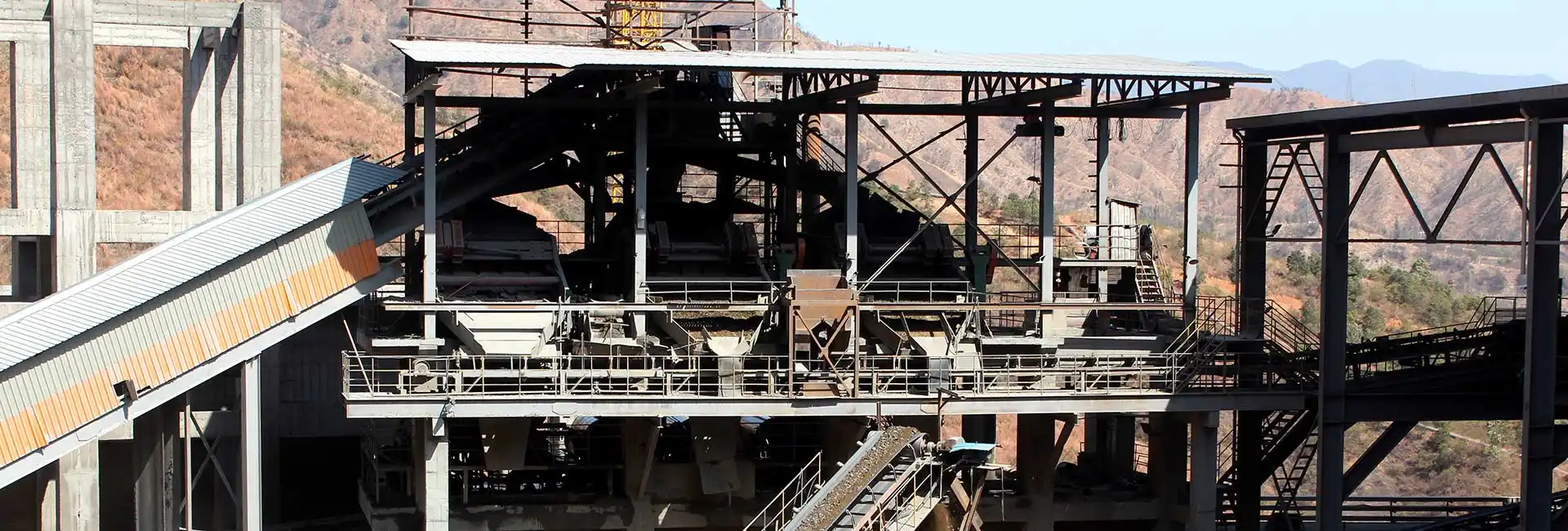
- Mining (metal/coal/industrial minerals): feed is run-of-mine or waste rock, large lump, often wet and muddy; goal is to break big rock small enough for conveyor, plant or stockpile - tonnage first, shape second. Semi-mobile modular is most common here: near-pit, high tonnage, shift at lease end. - Aggregates (limestone/granite/river stone): feed is cleaner; goal is multiple saleable fractions where cubical shape and gradation sell. Mobile plants save haul cost by crushing where you dig; both crawler and tire are common. - Mining watches tonnage and haul; aggregates watch shape and gradation. Know which side you are on before you pick a route.
Three Questions to Pick the Right One
- Q1 - Material and abrasiveness: hard and abrasive (granite, river stone, some ores) -> jaw + cone; medium-hard wanting shape (limestone aggregate) -> impact; high-clay -> de-slime first. - Q2 - Capacity and product: 100 t/h and 500 t/h are different builds; aggregates want 0-31.5mm multi-fraction, mining only needs "small enough for the next step" (e.g. -150mm). - Q3 - Lease and relocation: 10+ year lease, fixed site -> semi-mobile modular; tight schedule, staged pit -> tire or crawler mobile.
| What to fix first | It decides | Common answer |
| Material and abrasiveness | Primary/secondary crusher | Hard-abrasive -> jaw+cone; medium-hard shape -> impact |
| Capacity and product | Stages, screen, CSS | Aggregates multi-fraction; mining to next step |
| Lease and relocation | Semi-mobile / tire / crawler | Long lease -> modular; staged -> mobile |
Two worked configurations: mining vs aggregates
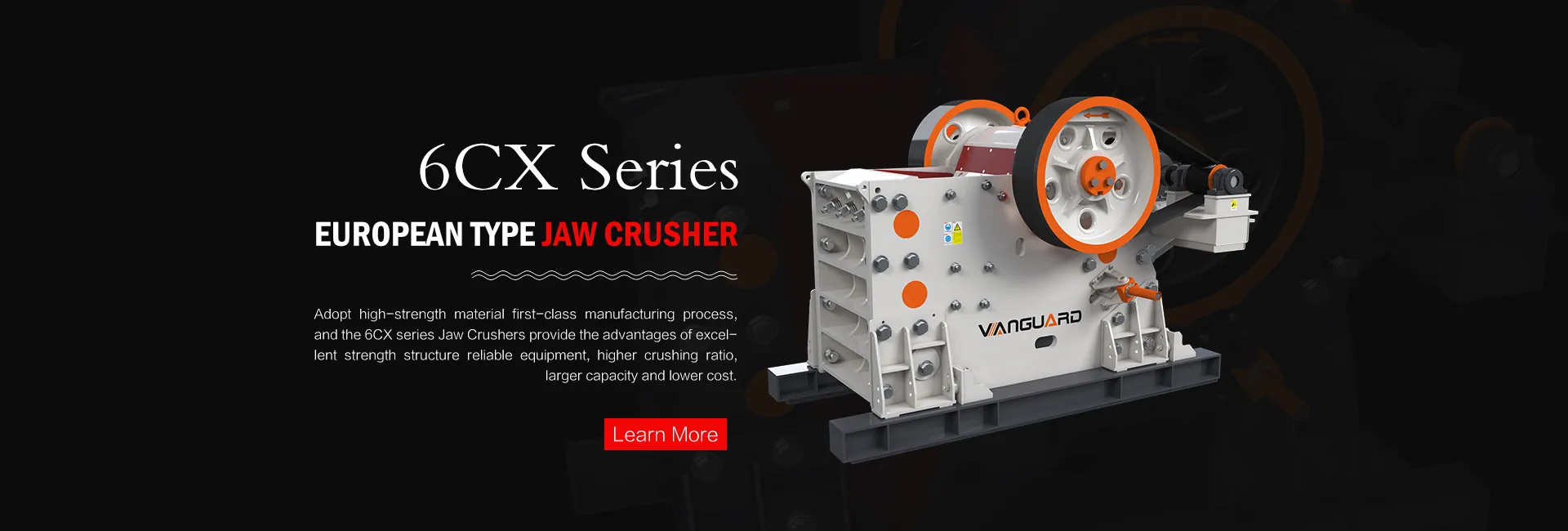
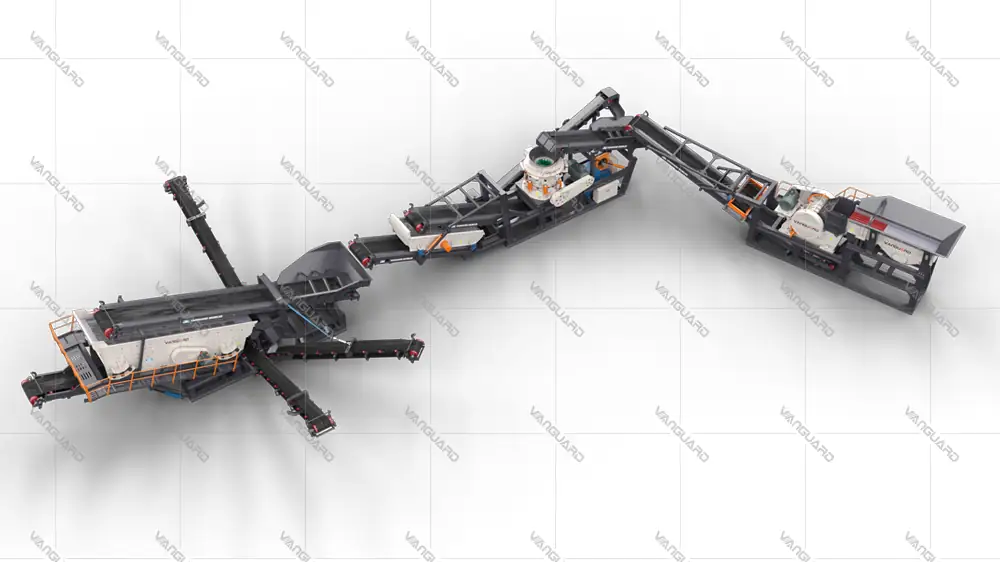
- Mining example (semi-mobile modular): a semi-mobile modular jaw (6CX-class) at the pit crest crushes ROM to 150-200mm, feeds a cone, closed-circuit screen drops material onto conveyor to plant or stockpile; the line shifts as the pit advances. The point is not shape - it is "less foundation, faster startup, closer to the ore". - Aggregates example (tire/crawler mobile): ZSW feeder pre-screens out fines -> jaw primary -> cone or impact secondary -> YA inclined screen closed circuit, making 0-5/5-10/10-20/20-31.5mm; crawler follows the face, tire tows to the next pit. The point is shape, gradation, and skipping the middle haul. - Equipment list (by route, not a model catalog): primary jaw (6CX), secondary cone (CS·CH/CP) or impact (6FX/CI6X), screen YA, feeder ZSW, belt B; mobile uses VPE/VPC or LA as integrated units.
| Item | Mining (semi-mobile modular) | Aggregates (mobile) |
| Primary | Modular jaw 6CX | Mobile jaw VPE/LA |
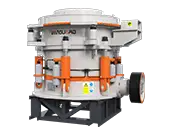
| Secondary | Cone CS·CH/CP | Cone or impact |
| Screen | Closed-circuit YA | Closed-circuit YA, multi-fraction |
| Product | Crushed ore to next step | 0-31.5mm aggregate fractions |
Site factors and selection steps
- Foundation: semi-mobile modular needs only a thin pad; tire wants supports on level ground; crawler drives on, ready. Do not under-estimate concrete and leveling time/cost. - Power: stable grid -> connect; remote or unstable grid -> genset or dual supply; mobile plants carry their own power pack, fast start/stop. - Dust and water: aggregates mostly dry with baghouse + wet suppression; high-clay mining needs washing/de-sliming with water recovery; sort permits early. - Five-step selection: 1) define material and abrasiveness 2) define capacity and product spec 3) define lease and relocation 4) pick route (modular/tire/crawler) 5) list equipment + site checklist, then request quotes.
| Pre-buy checklist | Key points |
| Material and abrasiveness | Hardness, clay, moisture |
| Capacity and product | t/h, size, stages |
| Site and lease | Foundation, power, relocation |
| Environment and maintenance | Dust, water, spares |
Frequently Asked Questions (FAQ)
- Long lease, high tonnage, near-pit -> semi-mobile modular (MBP); staged, follow-the-face, frequent moves -> tire or crawler mobile.
- Crawler is self-powered, drives on, climbs mud and ramps - remote, roadless sites. Tire tows fast, road-legal - aggregate plants and fairly regular pits.
- Mining tonnage is high and the pit moves forward; semi-mobile modular needs little foundation, shifts as a whole, sits close to ore and saves conveyor - best overall economics.
- For cubical shape in medium-hard rock (limestone) use impact; hard-abrasive (granite, river stone) still runs jaw + cone, which wears better.
- Semi-mobile modular: thin slab or crushed stone. Fixed line: deep foundation and building. Crawler: drives on, essentially foundation-free.
- Back-calculate from feed opening, CSS and material density; leave 15-20% margin. Do not quote the ideal number as the contract number.
- Typically 2-3 for inspection + control; semi-mobile modular slightly more. The key is wear-part management and spare stock.
- Add pre-screen or washing/de-sliming at the feed end to drop fines and mud before crushing, avoiding blockages and blinded screens.
- Pick a maker with real references and a spare network (Vanguard Machinery, for example); check installations at the same material and tonnage.
- Mobile: weeks. Semi-mobile modular: typically 1-3 months depending on foundation and integration. Fixed line: longer.
- Jaw plates / concaves by abrasiveness - thousands of hours on hard rock; screens more often. Keep a wear-part log by tonnage.
- Dust (baghouse + wet), noise, water recovery, stockpile covering; most regions require permits up front.
Conclusion and next step
- Modular and mobile is not "which is better" but "which fits your lease and your job": long lease, high near-pit tonnage -> semi-mobile modular; staged follow-the-face -> mobile. Answer the three questions, tick the site checklist, and the configuration will not drift. - If you are not sure, send us your material, t/h, product spec and lease length; Vanguard Machinery will return a configuration and quote sized to your conditions.
Related Articles
• Crawler Mobile Crusher Price: What Drives the Cost of a Crawler Plant(2026-07-20)
• Why Choose a Crawler Mobile Crusher?(2026-07-15)
• Hydraulic vs Spring Cone Crusher: What Sets Them Apart and How to Choose(2026-07-22)
• Why Is My Jaw Crusher Wearing Out Too Fast? Causes and Fixes(2026-07-09)
• Vanguard Machinery Showcases Mobile Crushing and Screening Plants at MINEENTRA 2026 Zimbabwe
• 200 t/h Limestone Crushing-and-Sand-Making Plant in Malaysia: Five-Size Mobile Line
• Why Mobile Crushing Plants Are Becoming Popular in Zimbabwe Mining Projects(2026-07-23)
• 300 TPH Mobile Crusher: Configuration, Capacity and Selection(2026-07-22)




