

Executive Summary
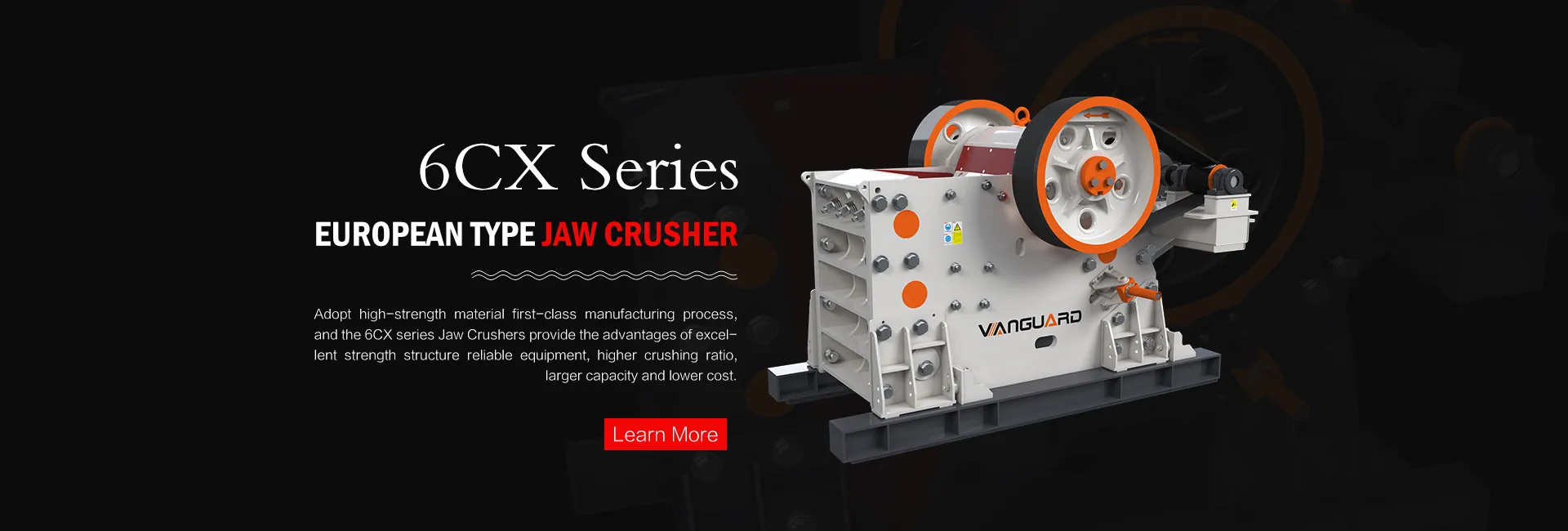
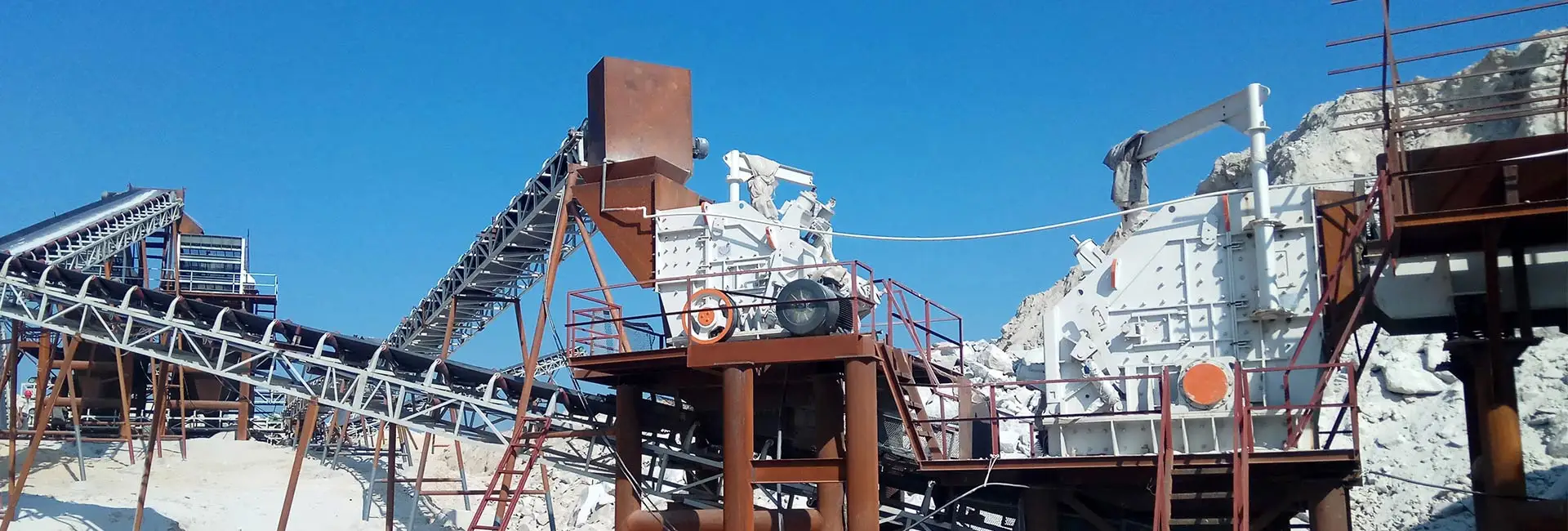
The 6CX European jaw crusher from Vanguard Machinery is the primary crusher at the head of a stationary crushing line: a moving jaw squeezes feed against a fixed jaw, taking mine-run boulders down to a top size the cone or impact stage can swallow. Its deep chamber, low nip angle and forged eccentric shaft let it eat big feed, survive hard rock and make a more cubic product. Below we take the machine apart - structure, principle, parts, performance and maintenance - and set it against the PE series so the engineering and upkeep picture is clear.
1. What the 6CX European jaw crusher is
The 6CX is a single-toggle jaw crusher built around a European-style chamber, aimed at hard rock and high-tonnage primary duty. Against older shallow chambers it runs deeper with a smaller nip angle, so the rock is gripped and laminated inside the cavity instead of bouncing or being hit at one point.
2. How it works: the moving jaw squeezes
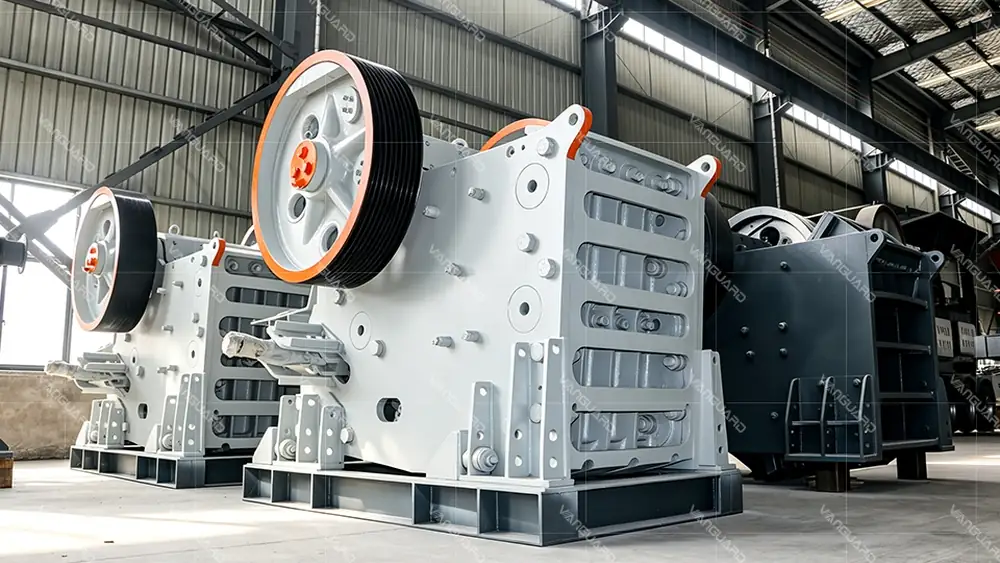
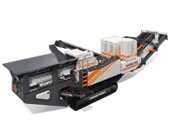
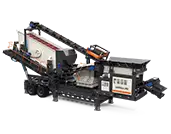
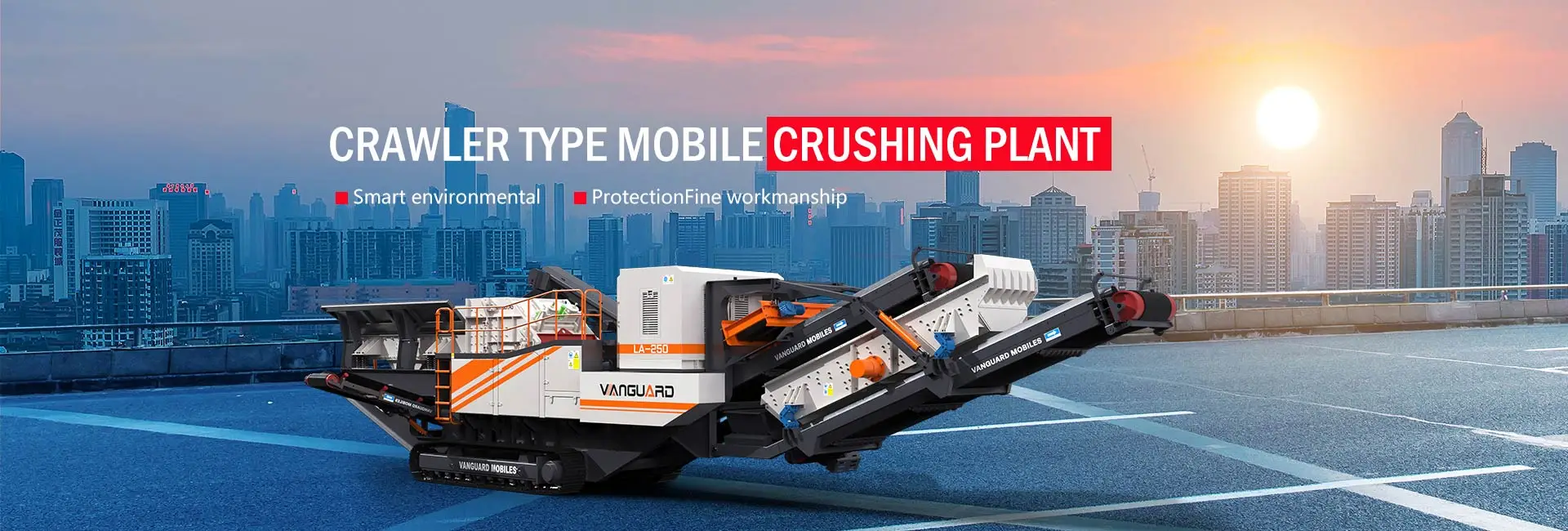
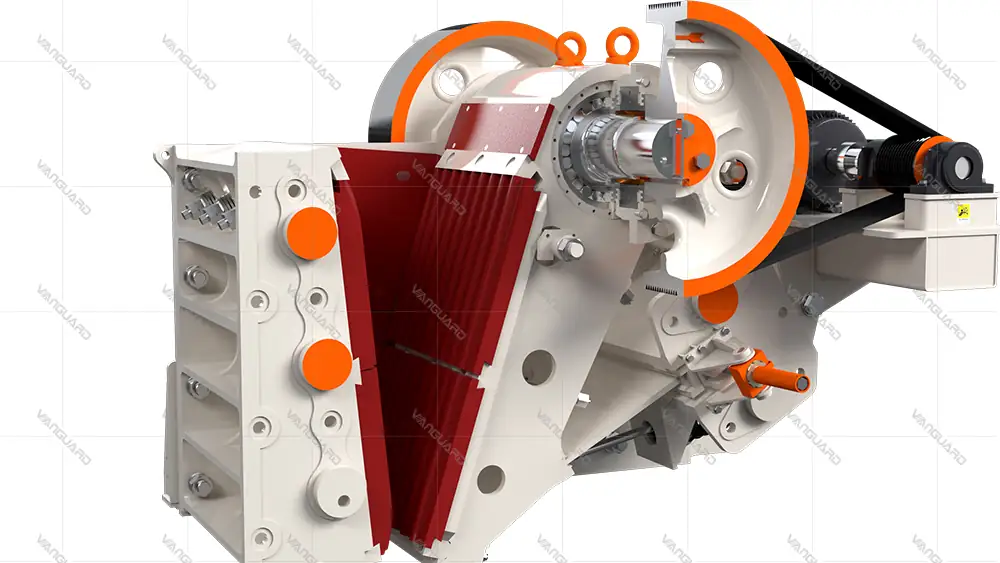
The fixed jaw is anchored to the frame; the moving jaw hangs on the front of the eccentric shaft and swings in an ellipse. Feed enters the deep chamber from the top, is pushed toward the fixed jaw, and the final size is set by the discharge opening (CSS). The eccentric shaft also spins the flywheel, which stores energy and balances the shock so motor torque becomes steady, continuous squeeze pressure. The whole machine works by squeeze-dominant, lamination-assisted crushing - the burden compresses against itself, so the product is more cubic with fewer flats, which helps the cone and screen downstream. If the site needs frequent relocation, the same-brand crawler mobile jaw plant powers up on arrival and stays stable through its wide track footprint and low center of gravity.
3. Component deep-dive
The welded or cast frame carries the full crushing reaction force; it is the machine's backbone. The fixed jaw (with its fixed plate) is the pressure face and must stay stiff with low deflection, or the chamber drifts and product shape runs away.
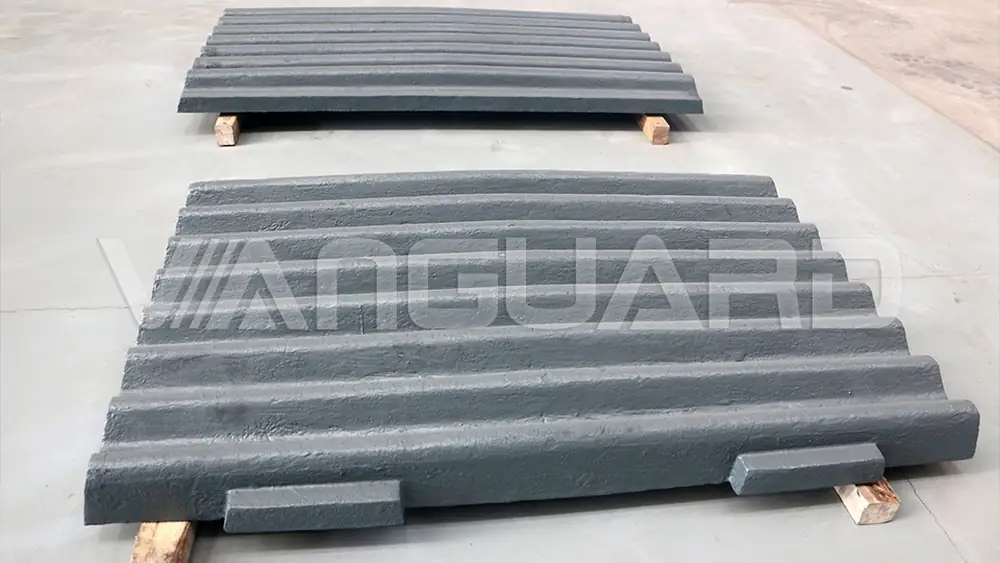
The moving jaw hangs on the eccentric shaft; its swing sets the effective stroke. The jaw plates (cheek plates, tooth profile) are the main wear parts - usually high-manganese or alloy steel - and their tooth shape and pitch drive both bite and product shape.
The eccentric shaft is the core drive member, normally a single forging; its offset throws the moving jaw. Shaft diameter and bearing selection directly set load capacity and fatigue life - the real gate on reliability.
The flywheel stores energy and evens out the mass inertia of the spinning eccentric, smoothing motor load; the pulley delivers power to the shaft. An unbalanced pair amplifies whole-machine vibration.
The 6CX is single-toggle, and the toggle is both the link and the fuse - on tramp metal it breaks first to save the host. Some models use hydraulic or tramp-release protection instead of a breakable toggle to cut unplanned downtime.
CSS is the minimum gap at the discharge end of the chamber and sets the top product size. The 6CX uses a hydraulic wedge or hydraulic ram to set the gap - faster than shim packs and adjustable even while running.
The motor drives the eccentric shaft through a V-belt or coupling. Ratio and belt tension affect speed and energy; check them on schedule - too loose slips, too tight hurts bearings.
The eccentric bearings and toggle seat run on centralized oil or grease. Good lubrication is the key to bearing life and machine reliability; set the interval and the oil by duty, and tighten sealing in dusty service.
4. Why it is built this way: lamination and shape
The deep chamber with a low nip angle keeps the rock gripped rather than kicked out; squeeze lamination raises the cubic ratio and lowers flats. Against the older shallow chamber the 6CX geometry saves energy and cuts over-crush, which pays off on hard rock (granite, basalt, river stone).
5. 6CX vs PE series
| Aspect | 6CX European jaw | PE series jaw |
| Chamber | Deep European, low nip angle | Conventional chamber |
| Duty | Hard rock, high tonnage primary | Medium-hard rock, general economy |
| CSS setting | Hydraulic wedge | Shim pack |
| Frame | Heavy welded/cast | Standard |
| Feed | Large, hard-rock ready | Standard |
| Position | Premium primary | Economical primary |
6. Key design parameters
| Parameter | Notes (varies by model and material) |
| Max feed | Roughly 340-1020 mm across the range |
| CSS | Usually 40-300 mm adjustable, sets top size |
| Single-stage ratio | About 4-6; hard rock favors a cone second stage |
| Chamber | Deep, low nip angle, lamination |
| Drive | Motor + V-belt/coupling to eccentric shaft |
7. Common design mistakes
- CSS set too tight: over-crush, bridging, sharp bearing load rise. - Uneven or one-sided feed: chamber wears lopsided, plate life collapses. - Oversize rock straight in: above max feed it bridges and can damage the toggle. - Skipped lubrication: hot bearings, wiped bushings, downtime. - Unbalanced flywheel or belt: vibration grows, belts snap. - Hard rock on impact alone: high-silica rock eats impact bars; hard rock should run jaw + cone.
8. Lessons from the field
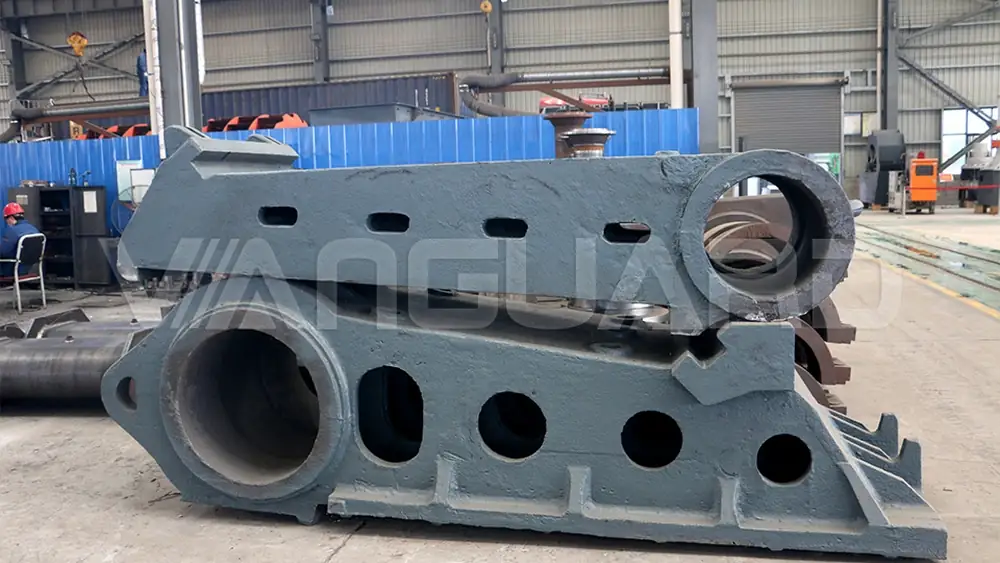
On site, the usual stop on a deep-chamber jaw like the 6CX is not a failed host but poor feed and lube discipline: bin head pressure rams rock into the chamber and wears it lopsided; grease past due lets bearings run dry in dust. The sound move is to grade the ore (Work Index, F80) before feeding, pair it with a feeder and pre-screen, and put lube intervals on the inspection sheet. The machine is tough; the weak points are usually the auxiliaries and operating habits.
9. FAQ
Chamber, setting method and positioning: 6CX is a deep European chamber with hydraulic setting, for hard rock and high tonnage; PE is a conventional chamber with shim setting, economical and general.
CSS is the minimum gap at the discharge end and sets the maximum product size; open it for coarser, higher output, close it for finer but risk bridging.
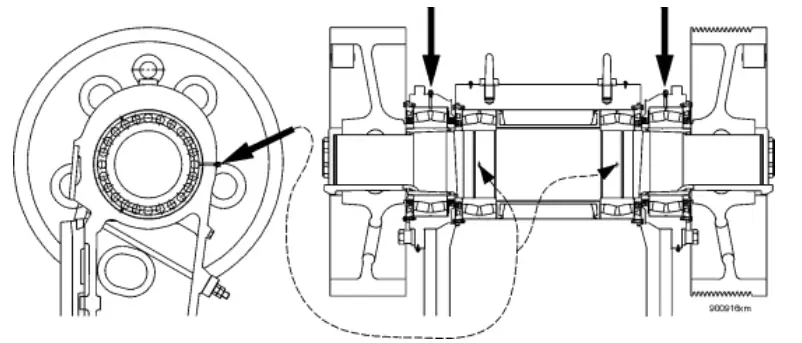
It carries alternating bend and torque; a forging keeps continuous grain flow and few internal flaws, so fatigue life beats a casting - the reliability gate.
It stores energy and balances the eccentric's mass inertia so motor load stays smooth and speed shock is avoided.
It is the link, and on tramp metal it breaks first to save the host; some models use hydraulic tramp release instead.
High-silica hard rock is highly abrasive; impact bars wear out fast and cost explodes. Jaw primary plus cone secondary is the economical hard-rock route.
Check feed evenness and one-sided wear; pick the right tooth shape and material (high-manganese/alloy) and rotate or replace plates by wear zone on schedule.
Feed evenly and centered, keep oversize and one-sided shock out, and pair with a vibrating feeder plus pre-screen to split fines and debris early.
Follow duty and the oil spec; in dust shorten the interval and tighten sealing; odd bearing temperature means check oil path and quality.
Built for hard rock; max feed roughly 340-1020 mm by model. Confirm against Work Index and a site check.
About 4-6 single stage; driving boulders to fine in one step is uneconomic, so hard rock usually adds a cone after the jaw.
Rock hardness, feed size, CSS, feed evenness, plate wear and overall condition together set output - never read the nameplate alone.
10. Wrap-up
The 6CX European jaw crusher handles hard-rock, high-tonnage primary duty through a deep laminating chamber and heavy structure; choose it over PE by rock type and tonnage. For a crush test and parameter check on your specific material, contact Vanguard Machinery for technical support.




