

Key Takeaways
- Cobblestone (river pebble) is high-silica, highly abrasive and round-slippery; the configuration hinges on two rules: use a jaw crusher for primary to grip the round feed, and a cone crusher for secondary to survive the abrasion — skip the impact crusher. - Answer three things before you fix the configuration: do you want aggregate only, manufactured sand, or both; how high is the silica and abrasion; and what capacity and site do you have. - Cobblestone is a premium feed for manufactured sand: high silica, clean, and after VSI shaping it gives good cubical shape and controlled fines, so many cobblestone lines add a VSI for sand. - Chinese-made cobblestone closed-circuit sets give strong value and predictable spare parts, a common pick for this mid-scale segment.
Material traits decide the configuration
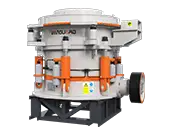
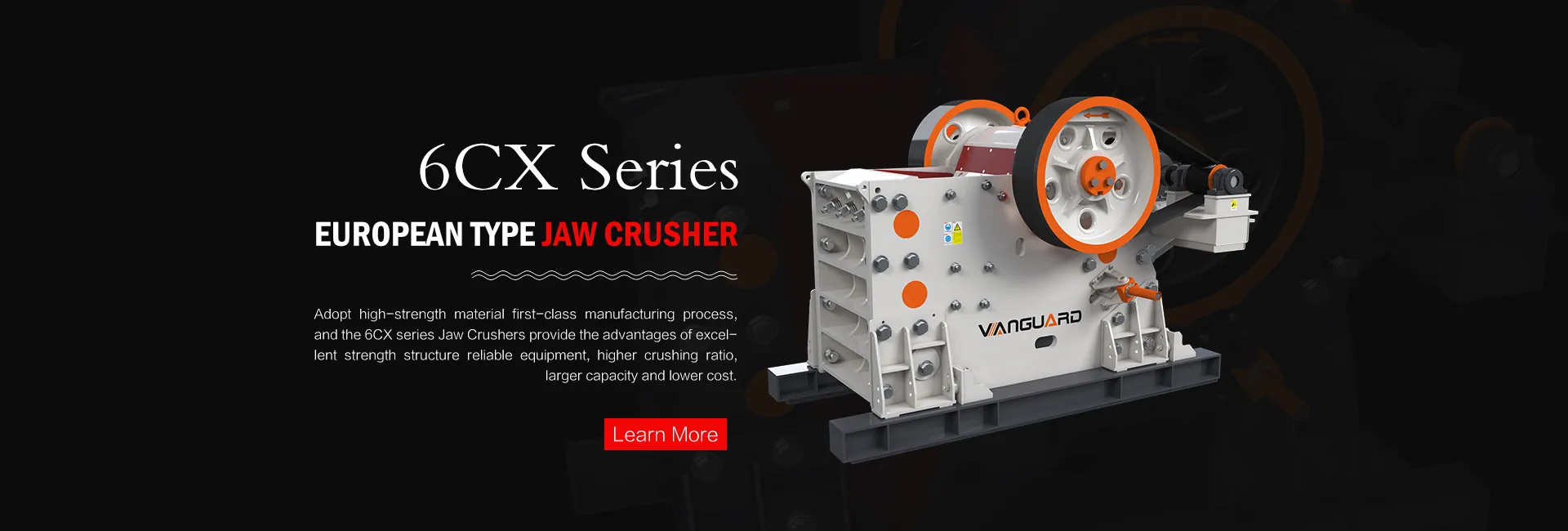
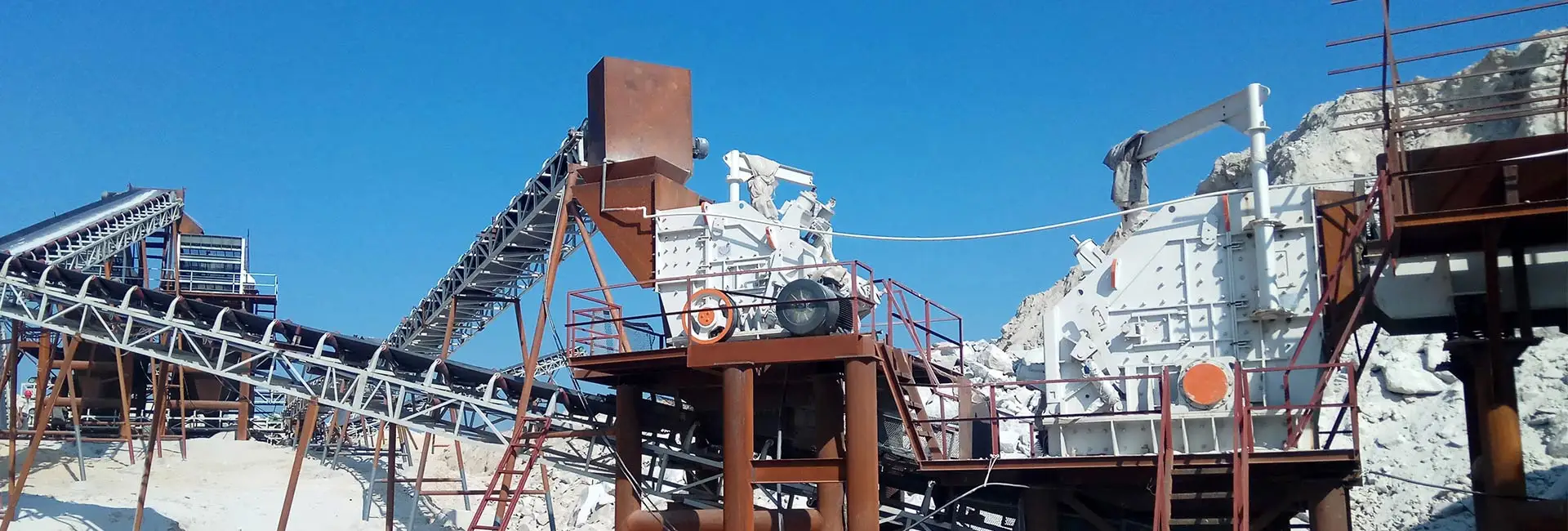
- Cobblestone SiO2 often runs 70%-90%; it is hard, abrasive, and round-slippery on the surface, so ordinary equipment grips it poorly and burns through wear parts. - Because it is round and hard to bite, primary crushing uses a jaw crusher (6CX or PE series) for steady feed and a firm grip on big round rock, breaking it down to 150-200mm before the next stage. - High silica and abrasion are the biggest trap: never use an impact crusher for the secondary on this material; hammers and blow bars wear out fast and need frequent changes. The right move is a cone crusher (CS/CH or CP series) in closed circuit. - The good news: cobblestone is nearly clay-free and very clean, which makes it a great sand feed; after shaping it yields high cubicality and is a sought-after sand for ready-mix and dry-mix mortar.
Three Questions to Pick the Right One
- Q1 product goal: aggregate only, manufactured sand, or both? Aggregate alone stops at the cone closed circuit; for sand add a VSI (5X series) to shape and make sand. - Q2 silica and abrasion: high-silica cobblestone must use a cone for secondary; the impact crusher does not pay off here. Round feed needs VSI shaping to become cubical. - Q3 capacity and site: common bands are 50-100, 100-200 and 200+ t/h; scattered faces or relocation favor a mobile plant, a fixed site favors a fixed line.
| What to decide first | What it sets | Common cobblestone answer |
| Product goal | Whether to add VSI sand | Aggregate plus sand picks 5X |
| Silica and abrasion | Secondary crusher | High silica picks cone |
| Capacity and site | Mobile or fixed | Scattered or moving picks mobile |
Recommended process route: jaw primary + cone secondary + VSI sand shaping
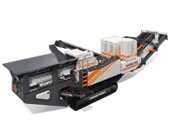
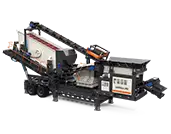
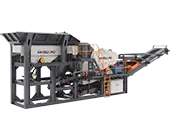
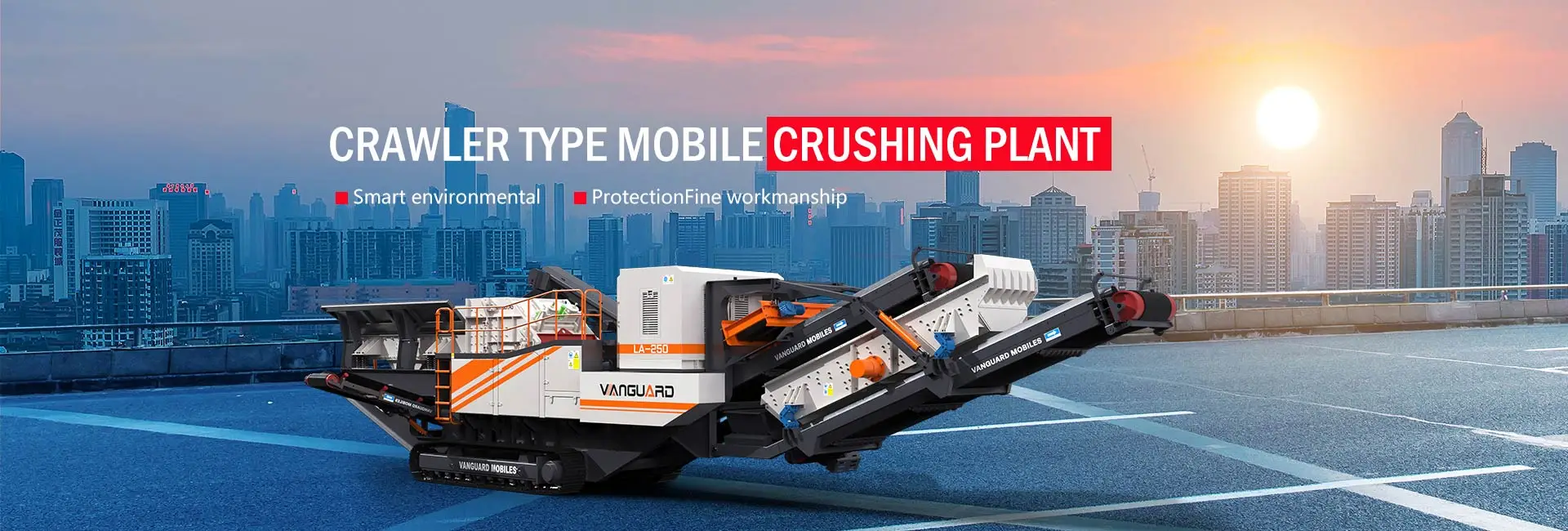
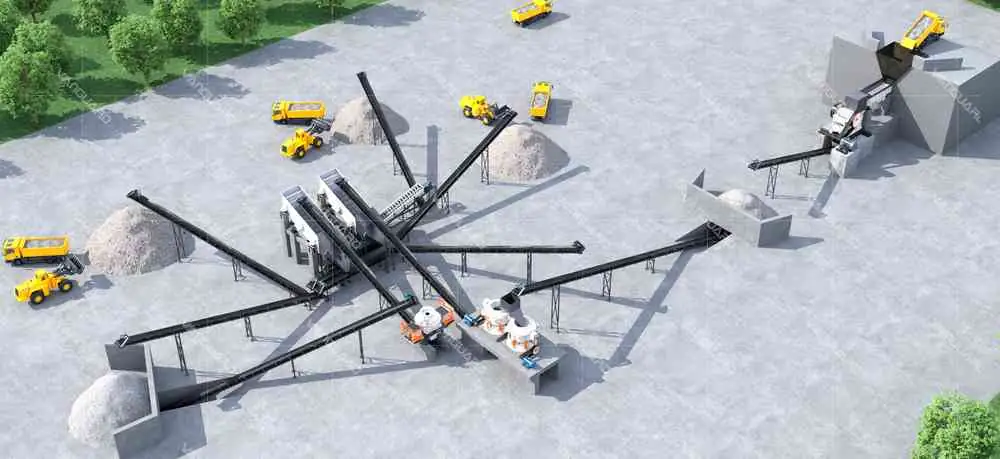
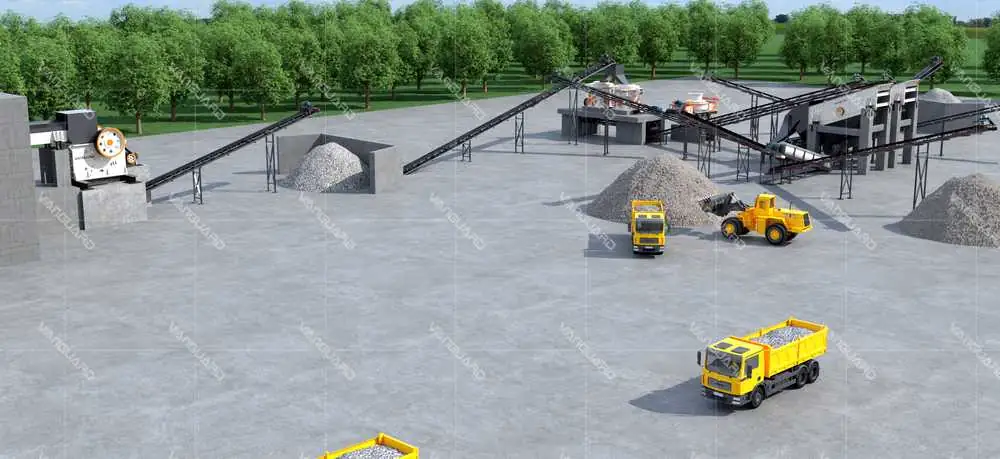
- Primary: a jaw crusher (6CX/PE series) breaks cobblestone to 150-200mm; secondary: a cone crusher (CS/CH or CP series) in closed circuit down to 10-30mm. - Tertiary by need: for sand or shape, a VSI (5X series); for aggregate only, a closed-circuit inclined screen (YA series) sizes it. - Closed-circuit screening returns oversize to the crusher, holding shape and gradation; sand lines add a sand washer (XSD/LSX series) to drop clay and control fines. - A vibrating feeder (ZSW series) pre-screens clay; belt conveyors (B series) link the stages; the mobile option uses a crawler plant LA series as one unit.
Equipment list by capacity band
- 50-100 t/h: ZSW feeder, 6CX96 or PE600×900 primary, small-to-mid cone (CS/CH), small 5X (optional), 2-deck YA screen. - 100-200 t/h: ZSW feeder, 6CX106 primary, mid cone (CP or CS/CH), mid 5X, 3-deck YA, XSD/LSX sand washer. - 200+ t/h: large 6CX or two-stage jaw primary, large cone (CP/CS), large or multiple 5X, multi-deck YA, optional crawler LA series mobile line.
| Stage | Equipment | Role in a cobblestone line |
| Feed | ZSW vibrating feeder | Steady feed, de-clay |
| Primary | 6CX/PE jaw | Round rock to 150-200mm |
| Secondary | CS/CH/CP cone | Closed-circuit, wear-resistant |
| Sand shaping | 5X VSI | Manufactured sand, cubical |
| Screen | YA inclined screen | Size, closed loop |
| Wash | XSD/LSX | De-clay, fines control |
Cone vs impact: which for cobblestone
- For high-silica cobblestone secondary, the cone is the steadier choice: wear-resistant mantle, fewer wearing parts, lower cost per ton, and good shape in closed circuit. - Impact crusher hammers and blow bars wear out fast on abrasive feed, need frequent changes, cause more downtime, and run higher in fines — the full count does not pay. - Only low-silica, low-abrasion rock suits impact shaping; on high-silica cobblestone, do not expect the impact crusher to save money. - Short version: for cobblestone secondary, trust the cone; leave the impact crusher for limestone and other medium-hard, low-abrasion rock.
| View | Cone | Impact |
| Wear resistance | Strong, fits high silica | Weak, wears fast |
| Running cost | Low | High (more changes) |
| Fines rate | Controlled | On the high side |
| Cobblestone fit | Recommended | Not recommended |
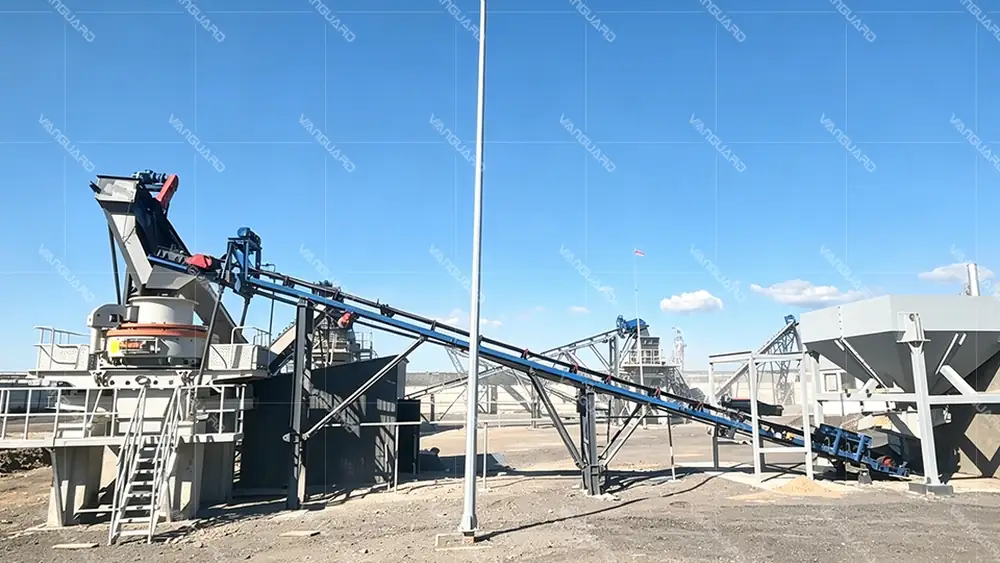
Sand making and shaping: why cobblestone suits a VSI
- Cobblestone is high-silica, clean and nearly mud-free, a top sand feed; after 5X VSI shaping it gives high cubicality, good gradation and controlled fines. - Closed-circuit screening re-crushes the return, improving shape run by run; a sand washer removes surface clay film and excess fines for cleaner sand. - The sand ratio is adjustable: raise the VSI circulation for more sand, lower the VSI load to keep more aggregate. - Cobblestone sand has low crushing value and bonds well with cement, wanted by ready-mix, dry-mix mortar and high-speed rail.
How to verify capacity, shape and fines
- Do not trust the nameplate: rate cobblestone at hardest feed and finest target grade, keep 10%-15% margin for stability. - Sample and plot the screen curve; check flakiness and fines; cone closed circuit plus VSI holds flakiness under 10%. - On sand lines watch the fines rate: tune it with the closed-circuit ratio and the sand washer; do not let fines drag the grade down.
Budget, schedule and payback
- Cobblestone lines are mostly mid-scale; mobile plants are light in, run on power quick and pay back fast; fixed lines load civil and power but spread low unit cost. - Wear parts (jaw plates, cone mantles, VSI rotors) supply lead time sets downtime; pick a maker with local stock for steadier runs. - Sand lines often pay back faster than aggregate-only lines thanks to good sand price — a common plus for cobblestone projects.
Frequently asked questions
- What equipment is good for cobblestone crushing? Primary jaw (6CX/PE), secondary cone (CS/CH/CP), add 5X VSI for sand, screen YA, feeder ZSW, washer XSD/LSX. - Can I use an impact crusher on cobblestone? Not for high-silica abrasive feed; hammers wear fast, changes are frequent and fines are high. Leave it for low-abrasion rock like limestone. - Must cobblestone always make sand? Not necessary; aggregate alone stops at the cone closed circuit. But cobblestone is a premium sand feed, so adding a VSI usually pays. - How do cone and jaw pair up? Jaw primary breaks round rock to 150-200mm, cone closed circuit takes it to 10-30mm; the two steps set the capacity. - Is cobblestone manufactured sand good quality? High silica, clean, high cubicality after shaping, low crushing value — a good sand for ready-mix and dry-mix. - How to set up 50-100 t/h? ZSW feed, 6CX96 or PE600×900 primary, small-to-mid cone, optional small 5X, 2-deck YA. - Can a mobile plant run a cobblestone line? Yes, a crawler LA series unit needs no foundation and moves fast, fits scattered or phased faces. - Cobblestone is abrasive, how often do wear parts change? Depends on the rock; on hard abrasive feed jaw plates and cone mantles last about 800-1500 hours, change by wear mark not a fixed clock. - How to control fines? Tune with the closed-circuit ratio and the sand washer; keep manufactured-sand fines within the standard range for the use. - What is closed-circuit screening? Oversize from the screen returns to the crusher, forming a loop that holds shape, gradation and steady output. - Are Chinese-made crushers reliable? Yes, most cobblestone closed-circuit sets are Chinese-made, with predictable spares and strong value; pick a maker with local stock. - How long from order to production? Mobile lands in 4-8 weeks then weeks of commissioning; fixed adds civil and power for 3-6 months.
Conclusion and next step
- To pick a cobblestone crusher, remember three things: jaw primary grips the round rock, cone secondary survives abrasion, add VSI for sand; leave the impact crusher for low-abrasion rock. - Lock the product goal, silica level and capacity-site, and the configuration will not drift; next step is a small test line on your cobblestone sample to confirm capacity.
Related Articles
• Crushing High-Hardness Rock into Quality Aggregate: Vanguard Machinery Brings Tr(2026-08-06)
• Vanguard Machinery Showcases Crawler-Type Mobile Crushing & Screening Plants at(2026-08-06)
• Vanguard Machinery Showcases Mobile Crushing & Screening Plants at MINEENTRA 202(2026-08-06)
• Best PFV1315 Impact Crusher for Limestone Crushing in Saudi ...(2026-08-06)
• How to Maintain a Crawler Type Mobile Jaw Crushing Plant(2026-08-05)
• Top 5 Reliable Crusher Alternatives to European Br...(2026-08-04)
• What Crushing Equipment Works Reliably at -40°C Without Brea...(2026-08-03)
• How to Choose the Right Crawler Type Mobile Impact Crushing ...(2026-07-27)




