

Introduction: A Clear Equipment List Is the Starting Point of Any Quarry
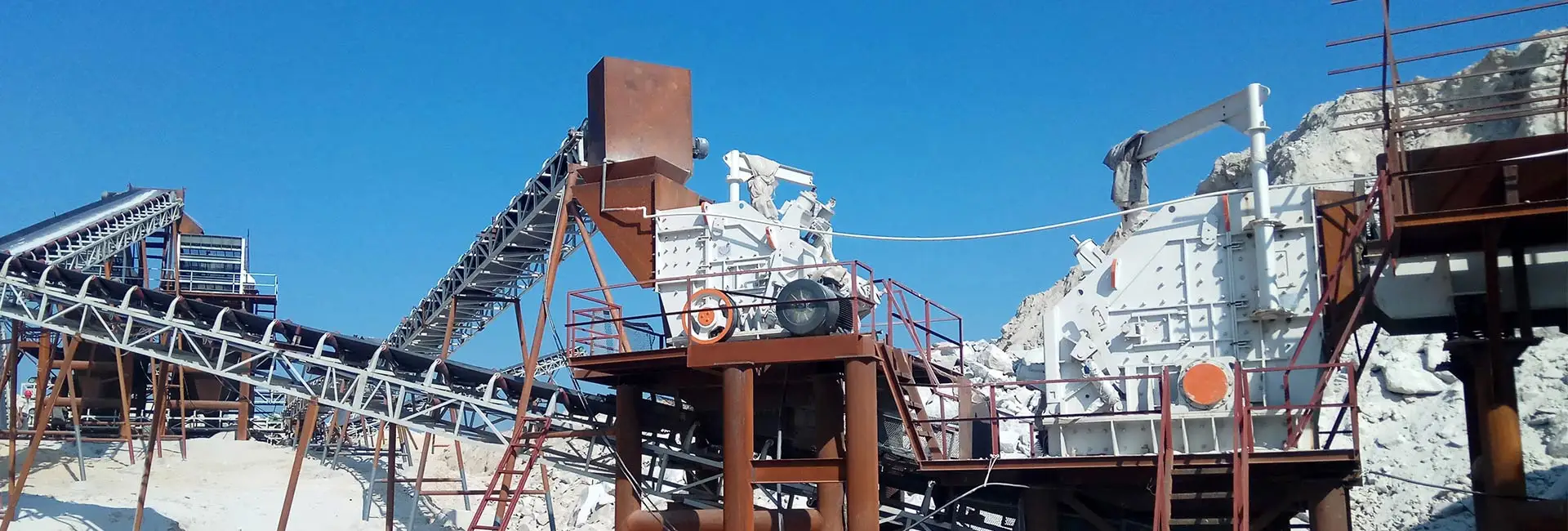
A quarry moves raw rock to finished aggregate through several process stages: feeding, primary crushing, secondary crushing, shaping, screening, conveying, washing, dust control, and electrical control. A wrong equipment choice in any one of these stages can throttle the entire line. Vanguard Machinery, as a specialized crushing and grinding equipment manufacturer, has observed across many projects that a clean equipment list helps customers break the total investment down to each process, preventing the common trap of overpaying on the main crusher and under-budgeting on the auxiliaries. This article walks through the list process by process and offers typical configuration guidance.
1. The Big Picture of Quarry Crushing and Grinding Equipment
From the perspective of a crushing and grinding equipment manufacturer, quarry equipment falls into five groups: feeding and pre-screening equipment, crushing equipment, screening and conveying equipment, washing and shaping equipment, and dust control plus electrical control. These five groups cover the entire flow from raw material feed to finished aggregate output and form the core of a Vanguard Machinery proposal.
2. Feeding and Pre-Screening Equipment
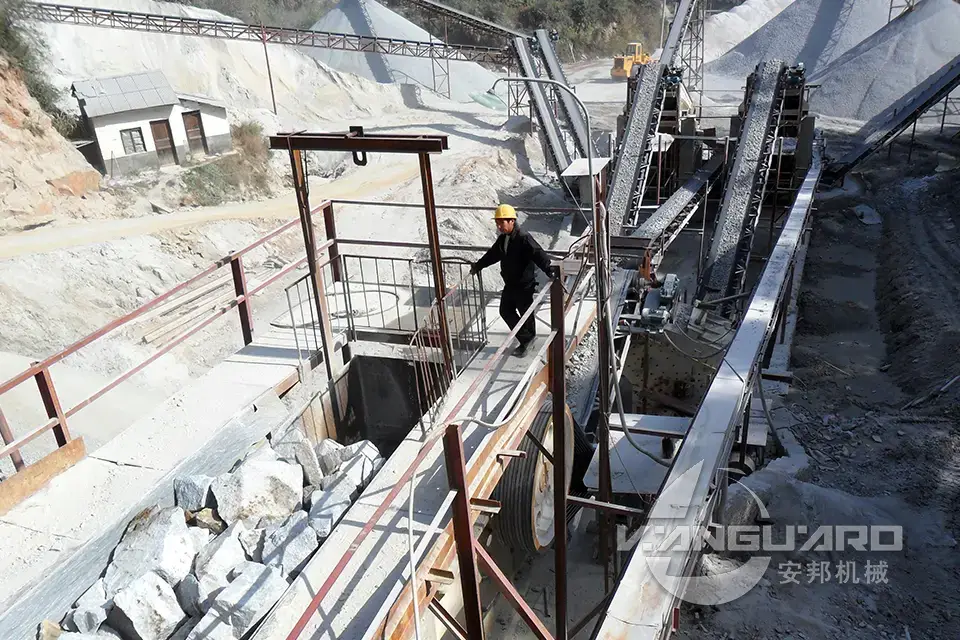
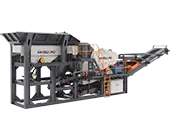
Feeders typically use vibrating feeders or grizzly feeders to deliver material from the hopper evenly into the primary crusher while screening out fines and soil. Grizzly bar spacing is usually 10% to 20% smaller than the crusher discharge opening, effectively reducing over-crushing. Pre-screening can be configured separately or integrated with the feeder in a heavy-duty combination unit. The Vanguard Machinery ZSW series vibrating feeders handle 80 to 1200 tph, suiting quarries of different scales.
3. Crushing Equipment: The Core Lineup
Crushing is the most capital-intensive part of a quarry. A typical three-stage crushing circuit includes:
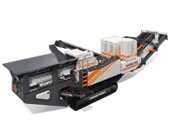
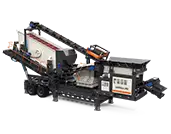
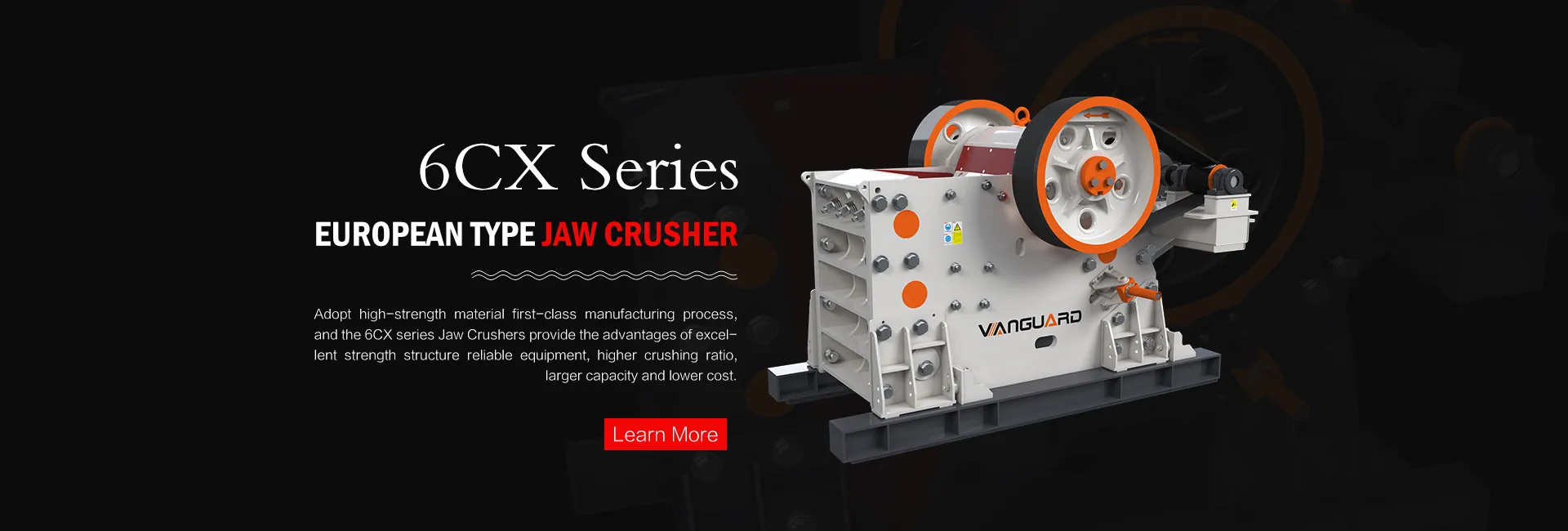
Primary crushing: jaw crushers handling rock below 800 mm, with single-unit capacity from 100 to 1500 tph. The Vanguard Machinery PE series and 6CX series hydraulic jaw crushers suit various hard-rock conditions, with the 6CX series using a wedge discharge adjustment system for faster operation.
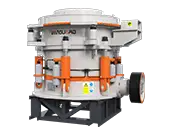
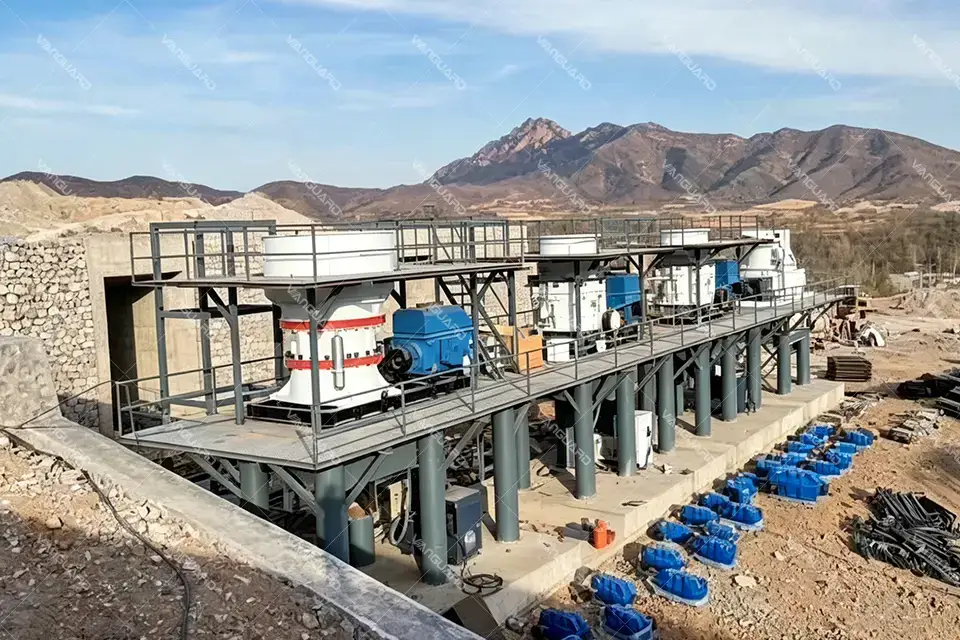
Secondary crushing: cone crushers reducing 100 to 200 mm material from the primary stage to 30 to 60 mm. Single-cylinder hydraulic cone crushers, multi-cylinder hydraulic cone crushers, and compound cone crushers suit different capacity and product shape requirements.
Tertiary crushing and shaping: 5X series impact sand makers or fine-crushing cone crushers processing material to 0 to 31.5 mm finished aggregate. Particle shape and fines content can be adjusted flexibly based on the end use.
4. Screening and Conveying Equipment
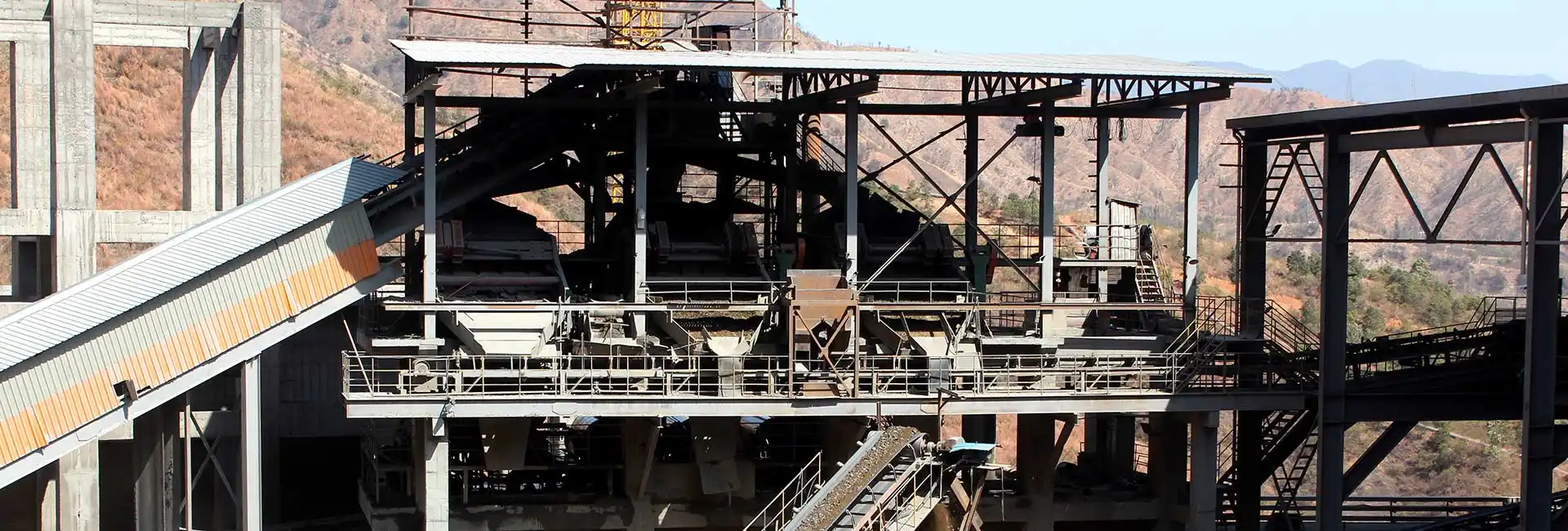
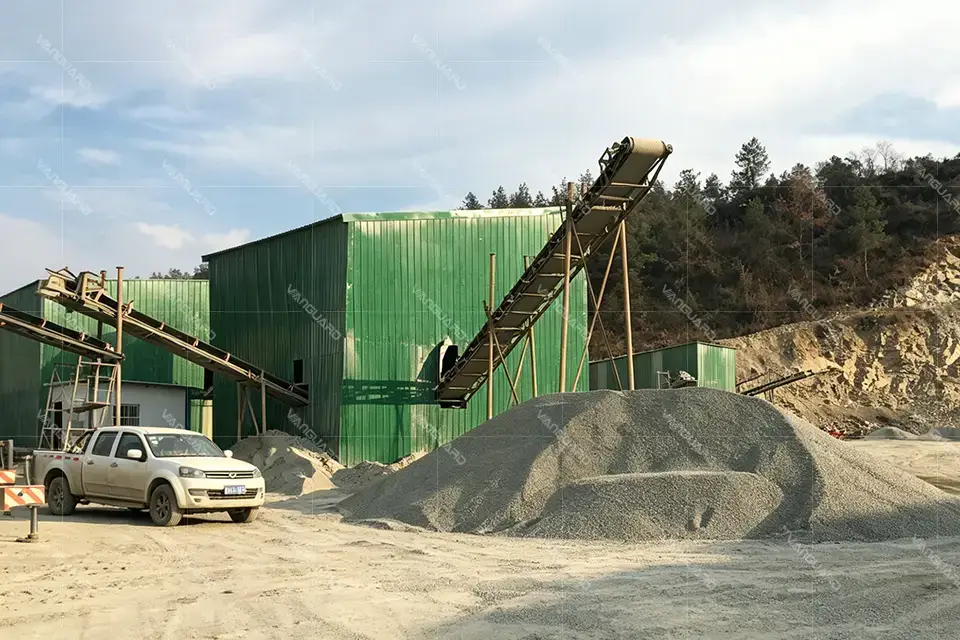
Vibrating screens are typically placed after each crushing stage for size classification and closed-circuit control. Common configurations include circular vibrating screens, linear screens, and banana screens. Conveyors use belt systems with widths from 500 to 1400 mm, combined with head discharge cars, reversible distribution belts, and motorized pulleys for flexible material handling. The discharge end usually has finished-product bins or stockpiles. Vanguard Machinery YK series circular vibrating screens use polyurethane mesh panels that last 3 to 5 times longer than traditional metal screens.
5. Washing and Recovery Equipment
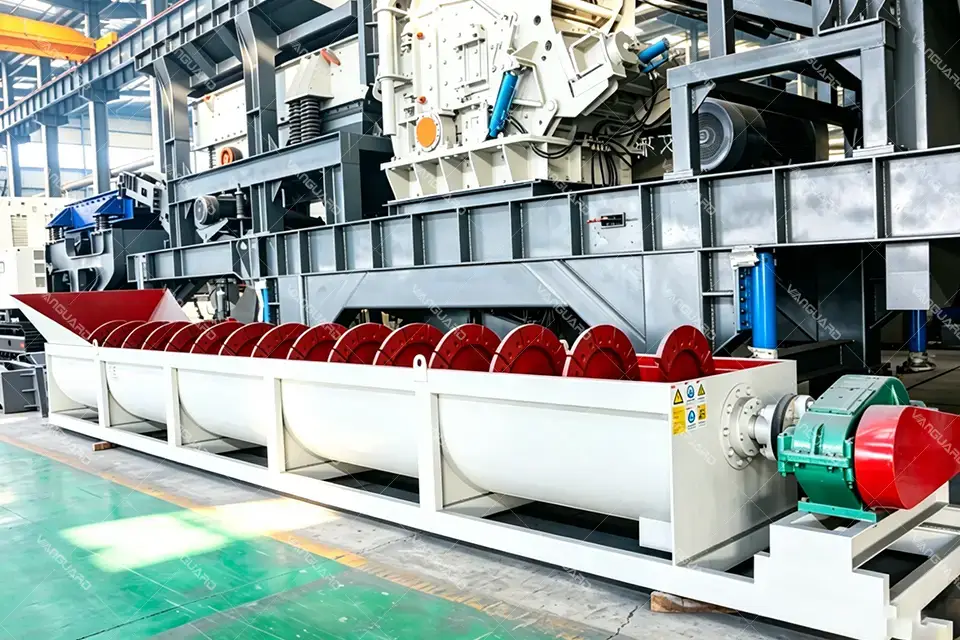
Wet processing requires wheel sand washers, spiral sand washers, or sand washing and recovery units. The Vanguard Machinery sand washing and recovery unit simultaneously cleans aggregate, recovers fine sand, and removes excess water, recovering 70% to 80% of fine sand and effectively reducing fines loss. Dewatering screens can bring finished sand moisture below 15%, making it easier to stockpile and load.
6. Dust Control and Environmental Equipment
Environmental compliance is a prerequisite for quarry operation. Wet dust suppression, spray systems, and baghouse dust collectors are the mainstream solutions. Dust-generating points at crushers and screen towers must be equipped with dust collectors, with emission concentrations typically required below 30 mg/m³. Quarries also need settling ponds, filter presses, and water circulation systems to achieve zero discharge of process water. Vanguard Machinery provides matched dust control system design and equipment supply for its crushing lines.
7. Electrical and Automation Control
Electrical systems include high-voltage distribution, low-voltage control, cable trays, and motor soft-start panels. Automation systems typically include PLC control cabinets, industrial touch screens, video surveillance, and smart instruments. Advanced setups can connect to a remote diagnostic platform that uploads equipment operating data to the cloud, allowing Vanguard Machinery engineers to provide remote technical support.
8. Vanguard Machinery Quarry Solutions and Services
Vanguard Machinery provides full-process services from process design, equipment manufacturing, installation and commissioning, to operational training. A typical configuration includes a PE jaw crusher + cone crusher + 5X series sand maker + vibrating screen + belt conveyor + sand washing and recovery unit + baghouse dust collector + central electrical control, covering capacities from 50 to over 1000 tph. Vanguard Machinery has accumulated extensive process data from quarry projects worldwide and can quickly output a matched equipment list based on the customer's rock hardness, product specifications, and investment budget.
9. Spare Parts Stock and Maintenance Recommendations
Quarry equipment runs in high-dust, high-vibration environments, so spare-parts stock and maintenance planning directly affect downtime. We recommend keeping one to two sets of key wear parts in stock for jaw crushers, cone crushers, and sand makers, including moving jaws, concaves, mantles, liners, and rotors. Electrical components, conveyor belts, and dust-collector bags should also be on the list. Daily inspections should cover lubrication, fastener torque, temperature, and vibration, with tiered service at 250, 1000, and 3000 operating hours. The Vanguard Machinery remote diagnostic platform can monitor equipment condition in real time, flagging anomalies before they cause unplanned shutdowns.
FAQ: Common Questions About Quarry Equipment
Q1: Does a quarry always need three-stage crushing? A1: Not necessarily. If the finished product is a single specification (such as 0-31.5 mm continuous grading), two-stage crushing with a screening closed circuit can also meet the requirement. However, when multiple aggregate sizes and manufactured sand are needed simultaneously, three-stage crushing offers better particle shape control and higher product value.
Q2: Can a 5X series sand maker and a cone crusher replace each other? A2: Some functions overlap, but they cannot fully substitute each other. Cone crushers excel at secondary and tertiary crushing of medium-hard to hard rock with high throughput and low wear. 5X series sand makers excel at particle shaping and manufactured sand production, producing particles with fewer sharp edges and better grading. Using both together delivers the best results.
Q3: How many machines does a 200 tph quarry crushing line typically need? A3: A typical configuration includes one vibrating feeder, one jaw crusher, one cone crusher, one 5X series sand maker, two to three vibrating screens, several belt conveyors, one sand washing and recovery unit, and one dust control system — about 15 to 20 major machines. Vanguard Machinery can optimize the configuration based on actual site and material conditions.
Q4: How long does equipment installation and commissioning take? A4: Small lines of 50 to 200 tph usually take 30 to 45 days for installation and commissioning. Large lines above 500 tph need 60 to 90 days. Vanguard Machinery dispatches on-site engineers to guide the entire process, including foundation acceptance, equipment positioning, single-machine testing, and integrated load testing.
- Prev: Why Is Africa's Mining Crushing and Industrial Grinding Equipment Market Still Expanding? — Vanguard Machinery Helps Producers in Guinea, Nigeria, and Zimbabwe Cut Costs and Improve Efficiency
- Next:Which Crusher Has the Lowest Maintenance Cost? — Jaw, Cone, Impact, and Sand Maker Maintenance Expense Comparison




