

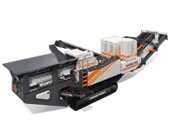
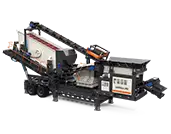
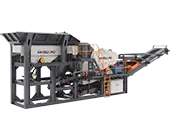
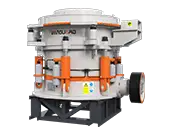
Which crusher has the lowest maintenance cost? This is one of the most common questions raised by quarry operators and mine managers at the equipment selection stage. For a 2,000-tpd limestone crushing line, annual maintenance costs can range from USD 20,000 to over USD 110,000 depending on crusher type and operating conditions. Vanguard Machinery, having supplied equipment for more than 300 production lines worldwide, has collected systematic data on maintenance expenses across different crusher models. This article compares jaw crushers, cone crushers, impact crushers, and sand makers from a maintenance cost perspective.
1. What Makes Up Crusher Maintenance Cost?
Maintenance cost is not a single line item for spare parts. It is the sum of several contributing factors:
- Wear part consumption: Jaw plates, liners, blow bars, throwing heads, and impact plates account for 40–60% of total maintenance spending - Lubrication system upkeep: Bearing grease, hydraulic oil changes, and gearbox servicing typically cost 10–15% of the wear parts budget annually - Downtime losses: Every wear part replacement takes 4–48 hours; lost production during that window is calculated at the plant's hourly output value - Labor expense: Inspection and replacement crew wages — more complex crushers need larger teams - Energy drift: As wear parts degrade, power consumption rises 5–15%, pushing operating costs upward indirectly
Take a mid-size limestone operation running a jaw-and-cone combo for 8,000 hours per year: wear parts eat up roughly 55% of the maintenance budget, downtime accounts for about 20%, and lubrication plus labor fill the remaining 25%.
2. Jaw Crusher — The Lowest-Maintenance Option
Jaw crushers are widely accepted as the lowest-maintenance crusher type, and three structural advantages explain why:
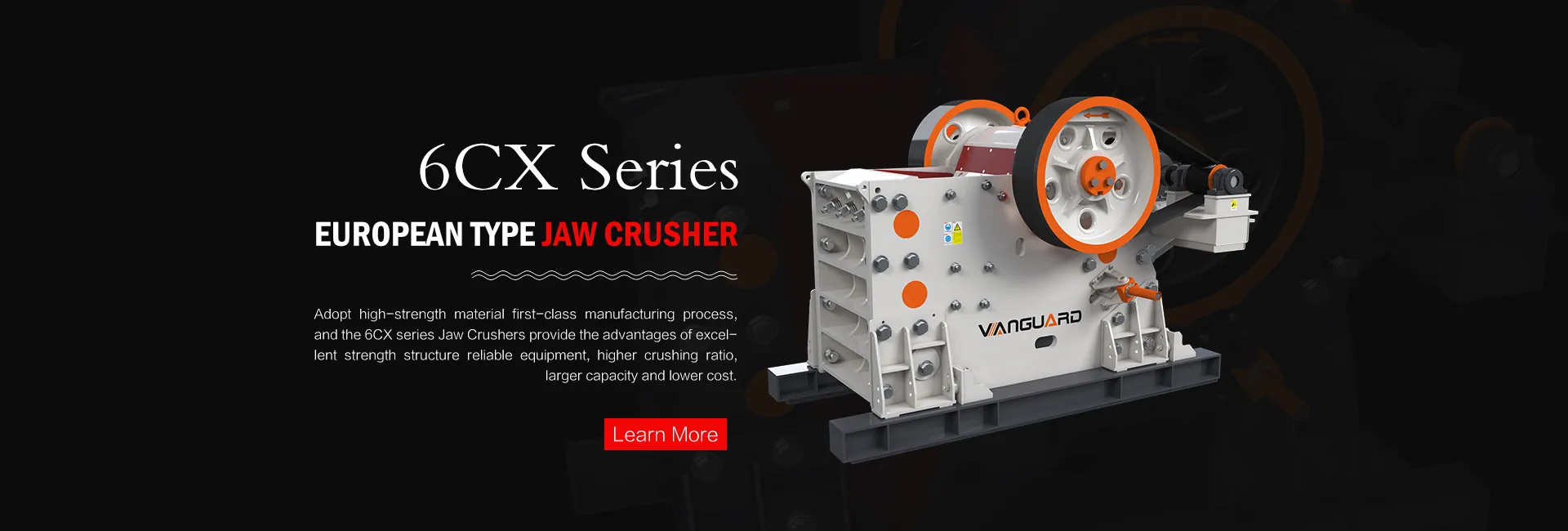
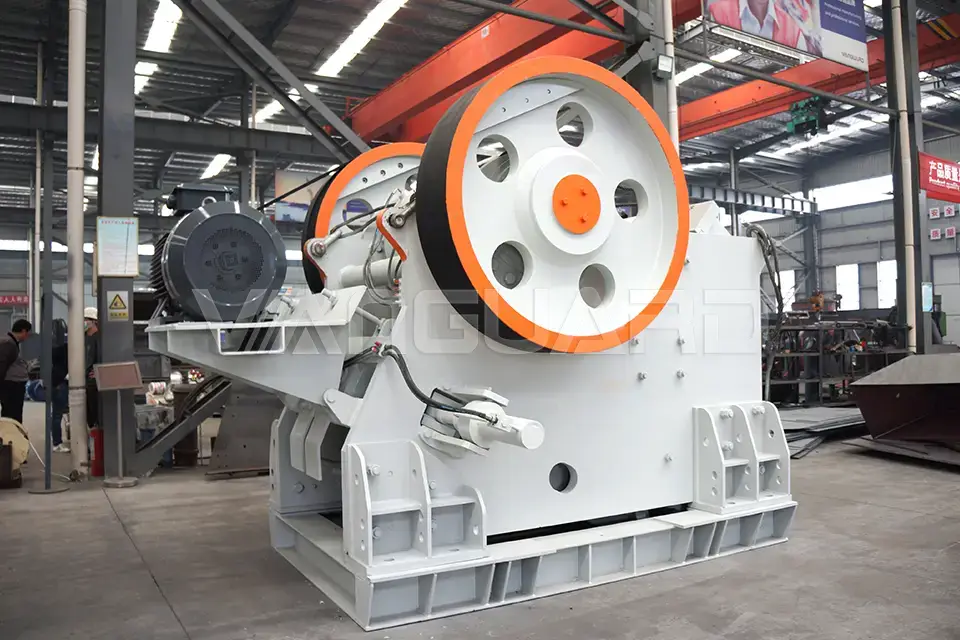
Simple design, few wear parts: A PE-series jaw crusher has only two jaw plates (moving and fixed) as primary consumables — no blow bars, no throwing heads, no complicated internal assemblies. The 6CX-series welded-frame jaw crushers from Vanguard Machinery further reduce the number of structural components that require periodic inspection.
Fast replacement, short downtime: Swapping out jaw plates typically takes 4–6 hours with a three-person crew. Compare that with cone crusher liner changes (8–16 hours) or impact crusher full bar-and-plate replacements (12–24 hours), and the downtime difference is significant.
Lower consumable unit price: Manganese steel jaw plates cost roughly 50–60% of what cone crusher liners of equivalent capacity charge. A 600×900 jaw plate set, for instance, comes in well below the price of matching cone liners.
In Southeast Asian and African limestone projects tracked by Vanguard Machinery, the PE and 6CX jaw crushers average annual maintenance spending (wear parts, lubrication, labor) at just 3–5% of the machine's purchase price — far below the 8–12% typical for impact crushers and sand makers.
3. Cone Crusher — Moderate Maintenance Cost
Cone crushers sit between jaw and impact crushers on the maintenance cost scale. Key characteristics:
Longer liner lifespan: Cone liners (mantle and concave) last 6–12 months on medium-hardness feed — longer than jaw plates at 3–6 months. However, liner unit prices are higher, so total wear part expense ends up roughly equal to or slightly above that of a jaw crusher.
Strict lubrication requirements: Cone crushers rely on hydraulic systems for discharge adjustment and locking. Hydraulic oil should be replaced every 2,000–4,000 running hours, and the lube circuit needs regular filter changes — costs that exceed the simple grease-lubricated bearing setup on jaw crushers.
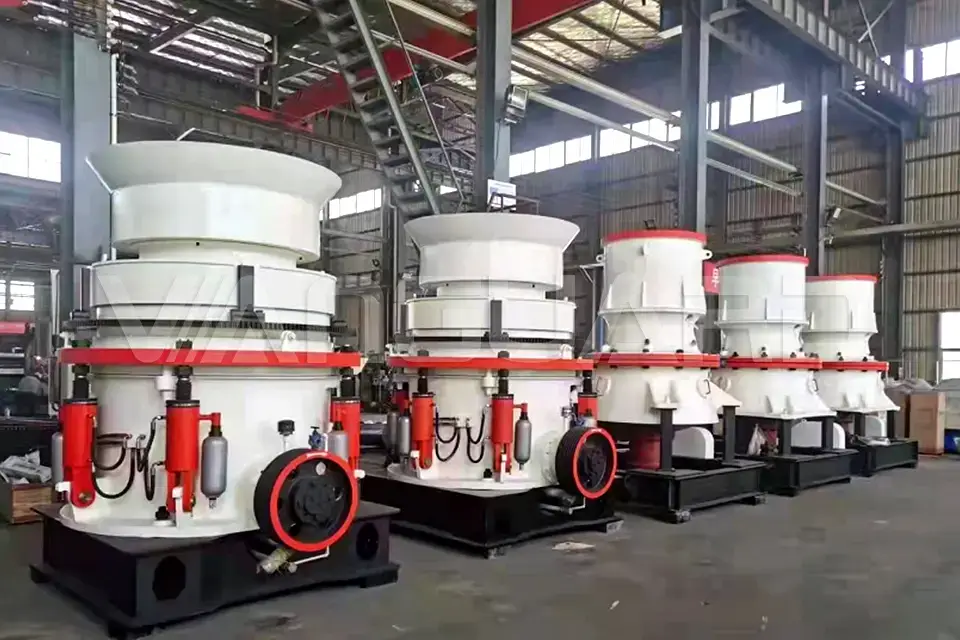
More involved liner change: The compact internal layout means liner replacement requires removing the feed hopper, adjustment ring, and head assembly. The process takes 8–16 hours with at least four technicians. That said, multi-cylinder cones such as the Vanguard Machinery HPT series use hydraulic thrust bearings that let operators adjust the discharge setting without stopping the machine, cutting routine adjustment downtime.
Overall, cone crusher annual maintenance runs about 5–7% of the purchase price. When crushing hard materials, longer liner life offsets the higher per-piece cost, making cone crushers more economical than impact models in those conditions.
4. Impact Crusher — Higher Maintenance Cost
Impact crushers carry noticeably higher maintenance costs than jaw and cone models, and the main driver is wear part attrition:
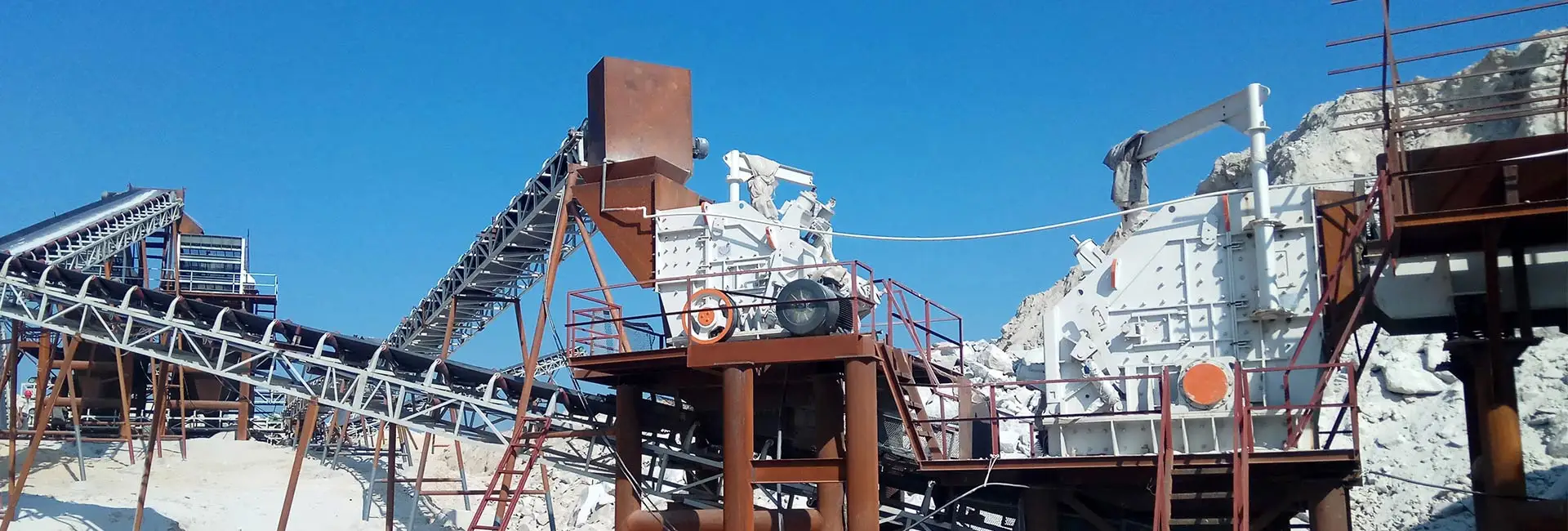
Blow bars wear quickly: Blow bars absorb direct high-speed material impact. On feed with a Mohs hardness above 5, a bar set may last only 200–600 hours. Processing granite with a PF-series impact crusher, for example, bars need replacement every 2–4 weeks.
Impact plates wear simultaneously: Alongside blow bars, impact plates take the same abrasive punishment and are usually replaced at the same interval. A full bar-and-plate set costs 2–3 times what a jaw plate pair does.
Extended downtime: Replacing wear parts on an impact crusher involves removing the rotor, side liners, and adjustment mechanism. A complete swap takes 12–24 hours, and the frequent replacement cycle means cumulative downtime losses quickly surpass those of a jaw crusher.
On soft materials like limestone or coal, however, blow bar life jumps to 1,500–3,000 hours, pulling maintenance cost down near jaw-crusher levels. The Vanguard Machinery 5X series sand maker, when shaping limestone aggregate, achieves wear part lifespans above 2,000 hours.
5. Sand Maker — Maintenance Cost Varies with Material and Crushing Mode
Sand maker maintenance expenses depend on feed hardness and the selected crushing mode (stone-on-stone or stone-on-iron):
Throwing head wear varies dramatically: In soft limestone running stone-on-stone mode, throwing heads can last 1,500–3,000 hours. In hard granite or basalt running stone-on-iron mode, head life drops to 300–800 hours. Throwing head unit prices are lower than impact crusher blow bars, but replacement frequency depends on the operating mode chosen.
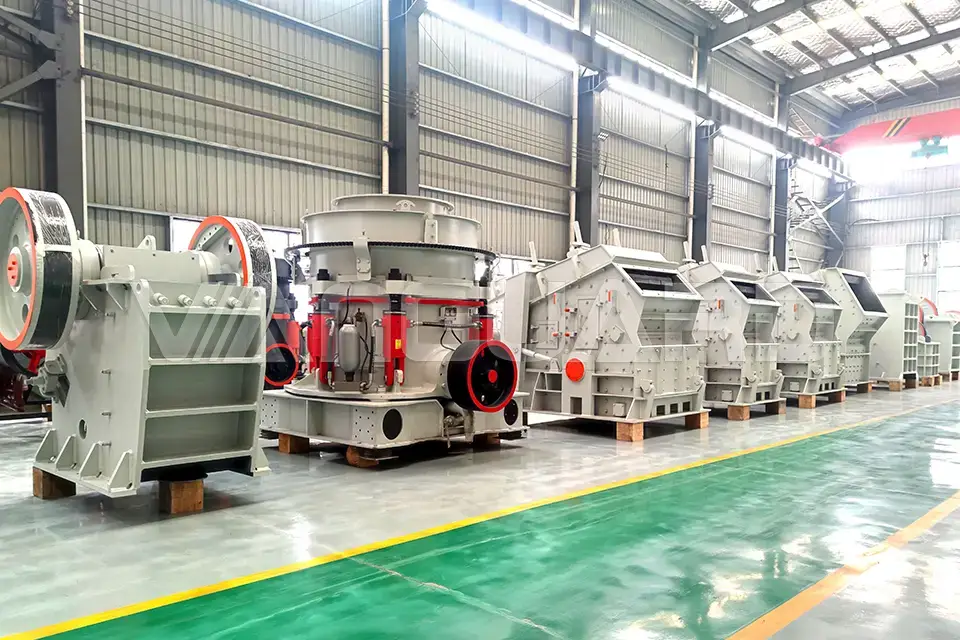
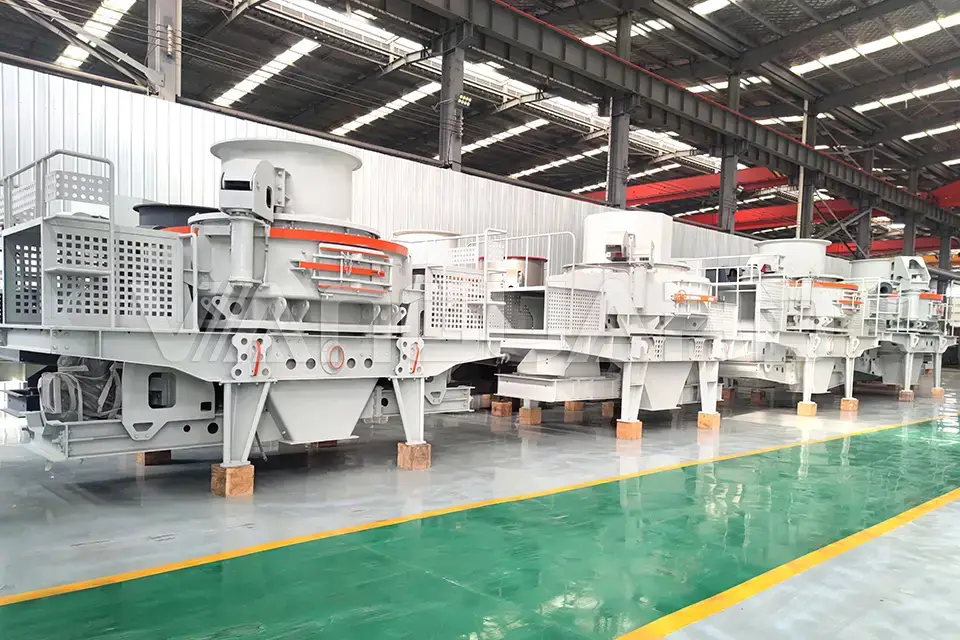
Peripheral guard plates are reversible: Sand maker guard plates can typically be flipped twice, distributing wear across three working faces and reducing per-cycle cost. The Vanguard Machinery 5X series sand maker uses reversible peripheral guard plates with three usable faces, lifting wear part utilization by roughly 66%. Stone-on-stone mode slows guard plate wear, while stone-on-iron accelerates it — operators should balance product shape requirements against maintenance budgets.
No screen plates or grate bars: Sand makers do not carry the bottom screen plates and grate bars found in hammer crushers, so there are fewer consumable types to track and replace, simplifying spare parts management.
6. Feed Hardness and Abrasiveness — The Deciding Factor
Material hardness and abrasiveness are the single biggest variables in crusher maintenance cost. The same machine can see a 3–5x cost difference depending on what it processes:
- Limestone (Mohs 3–4): Jaw plates last 6–12 months; blow bars 1,500–3,000 hours — all types run low maintenance - Granite (Mohs 6–7): Jaw plates last 3–4 months; blow bars 200–600 hours — impact and sand maker maintenance costs climb sharply - Basalt (Mohs 7–8): Cone liners last 3–6 months; impact bars under 300 hours — a jaw-plus-cone layout is the most cost-efficient choice - River stone (high silica): High abrasion accelerates wear across all types; prioritize high-manganese or chrome-moly alloy wear parts
7. Practical Ways to Reduce Crusher Maintenance Costs
Regardless of crusher type, the following practices cut maintenance spending:
- Match the crusher to the material: Select equipment based on feed hardness and capacity needs — avoid oversizing or running a soft-material crusher on hard rock - Invest in quality wear parts: Vanguard Machinery offers Mn18Cr2 high-manganese and chrome-moly alloy consumables that last 30–50% longer than standard Mn13 on hard feed - Schedule regular inspections: Check wear part thickness, lube system pressure, and bearing temperatures weekly. Plan replacements ahead so unscheduled shutdowns stay minimal - Control feed conditions: Keep feed size and moisture within design limits — oversized blocks and excessive fines both accelerate abnormal wear - Maintain steady, full-cavity feeding: A vibrating feeder delivering continuous choke feed lets the crusher operate at its most efficient point, where wear part life peaks
8. Maintenance Cost Comparison Summary
| Crusher Type | Annual Maintenance (% of Purchase Price) | Wear Part Replacement Interval | Single Shutdown Duration | Best-Suited Material | |---|---|---|---|---| | Jaw crusher | 3–5% | 3–12 months | 4–6 hours | Broad range | | Cone crusher | 5–7% | 6–12 months | 8–16 hours | Medium-hard to hard | | Impact crusher | 8–12% | 2 weeks–6 months | 12–24 hours | Soft to medium-hard | | Sand maker | 6–10% | 300–3,000 hours | 6–10 hours | Medium-hard shaping |
Conclusion: Jaw crushers hold the lowest maintenance cost across all crusher types. Their simple structure, minimal wear parts, and fast replacement cycles make that advantage consistent regardless of feed material. For operators who prioritize low long-term operating expense, a two-stage jaw-plus-cone layout is the most economical configuration — jaw crushing at the primary stage keeps maintenance down, while cone crushing at the secondary stage ensures product shape and throughput. Vanguard Machinery supplies PE and 6CX jaw crushers, HPT multi-cylinder cone crushers, and a full range of Mn18Cr2 wear parts and technical support, helping customers lock in the lowest maintenance costs from the selection stage onward.
Frequently Asked Questions
How often do jaw crusher plates need replacement? Plate life depends on feed hardness. In limestone, jaw plates typically run 6–12 months; in granite, 3–4 months. Vanguard Machinery Mn18Cr2 high-manganese plates extend service life by over 30% versus standard Mn13 on medium-hardness feed.
Is a cone crusher or a jaw crusher cheaper to maintain? A jaw crusher costs less to maintain. It has only two jaw plates as primary wear parts, and replacement takes 4–6 hours. A cone crusher carries mantle and concave liners plus a hydraulic system, with liner swaps requiring 8–16 hours. However, cone liners last longer on hard rock, so the overall gap narrows when processing medium-hard and harder materials.
Why do impact crushers carry high maintenance costs? Impact crusher blow bars absorb direct high-speed impact from feed material. On Mohs-5-plus rock, bar life drops to 200–600 hours, meaning replacements every 2–4 weeks. Combined with simultaneous impact plate wear and 12–24-hour shutdowns for full part changes, annual wear part spending can reach 8–12% of the machine's purchase price. On soft limestone, bar life stretches to 1,500–3,000 hours, and maintenance cost falls sharply.
How can you tell when crusher wear parts need replacing? Watch three indicators: first, when wear part thickness drops to 30–40% of original dimension, schedule a change; second, if discharge size noticeably increases or particle shape deteriorates, the discharge gap has widened from wear; third, when motor current or power draw rises 5–10%, crushing efficiency is declining. Weekly visual inspections plus a wear-tracking log help spot trends before unplanned downtime hits.




