

Quick Answer
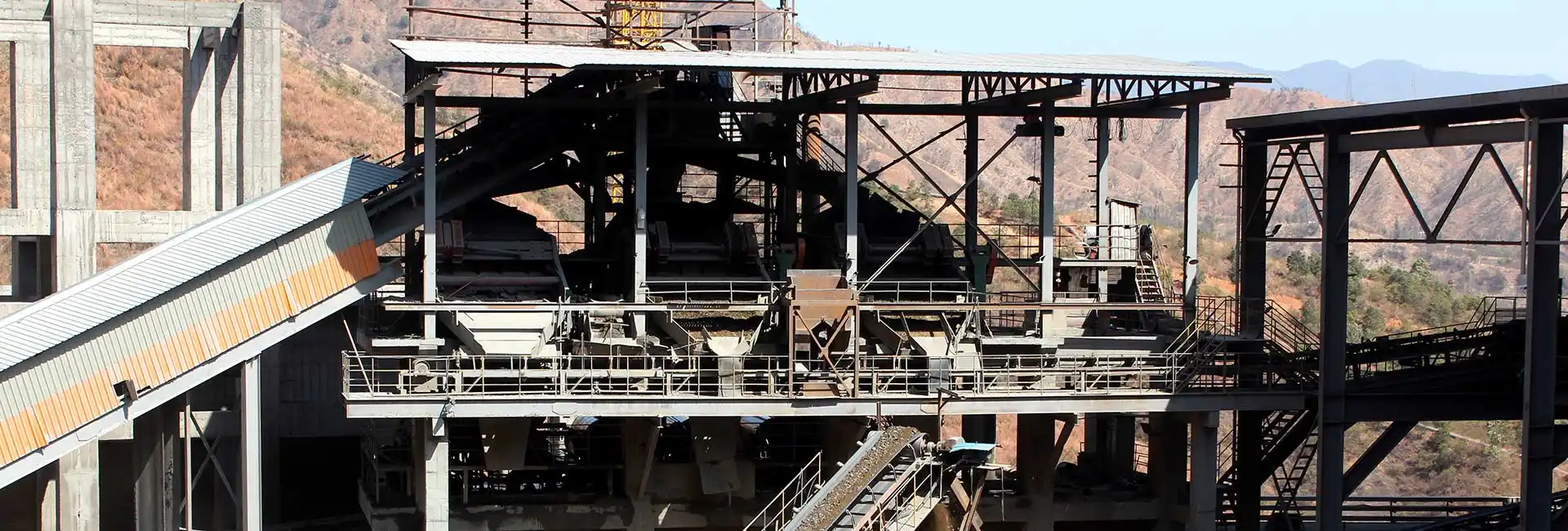
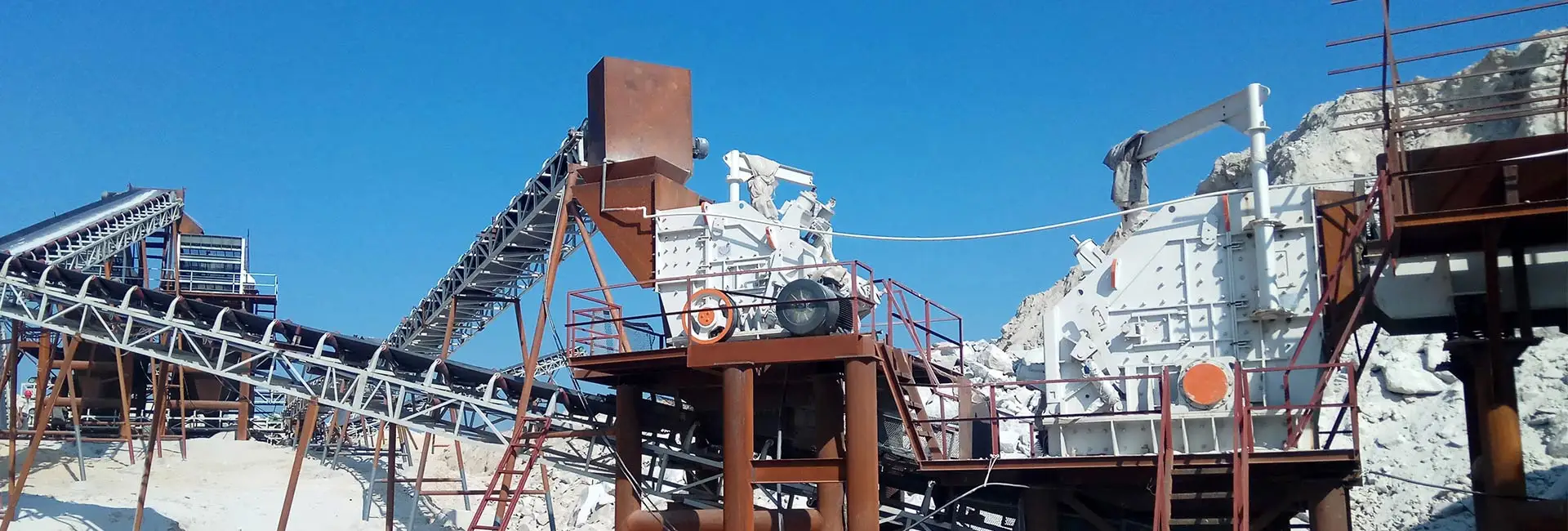
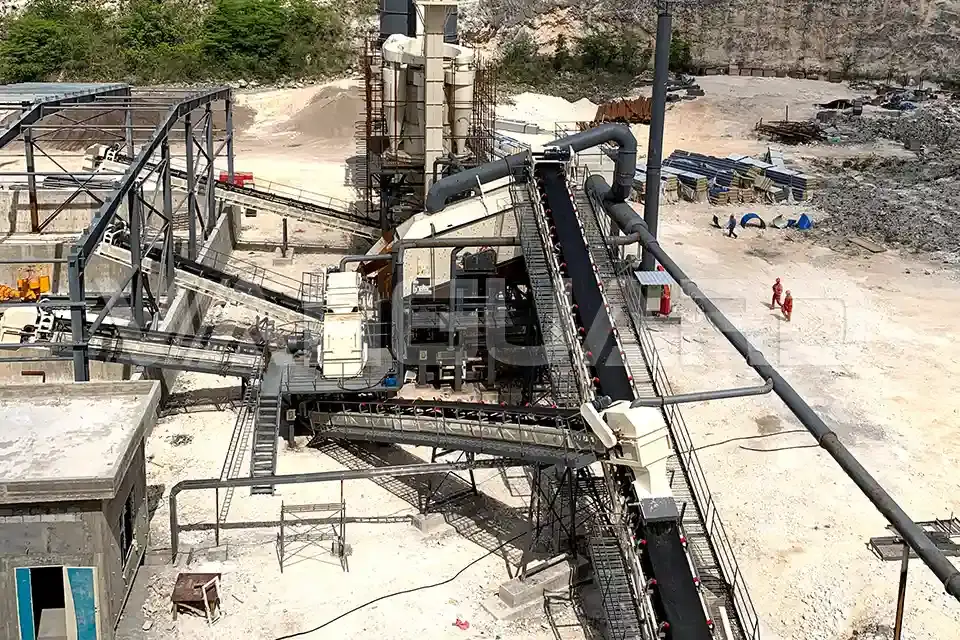
A crushing plant (often called a crushing and screening plant) is a complete, integrated production line that takes large run-of-mine rock or stone and continuously breaks and screens it into specification aggregate of a given size. It is built from feeding, crushing, screening, conveying and plant-wide control. It is not a single machine but a system of equipment wired together by process flow. Whether stationary or mobile, its job is the same: turn raw feed into usable sand and gravel aggregate. Get the type and the crusher configuration right, and you directly control product shape, throughput and cost per ton.
Key Takeaways
- ✔ A crushing plant is a complete line, not one machine — built from five links: feed, crush, screen, convey and control - ✔ By installation it splits into stationary and mobile; mobile further splits into wheeled (road transport) and crawler (self-propelled on site) - ✔ Primary crushing usually runs a jaw crusher; secondary depends on the rock — impact or cone; manufactured sand uses a vertical-shaft impact crusher - ✔ A mobile plant produces specification aggregate just as well, and skips the foundation and speeds up relocation - ✔ Choose by rock first (hardness, abrasion, feed size), then output and site, then crushers and closed-circuit screening
What Is a Crushing Plant
A crushing plant is a complete equipment system that turns raw feed continuously into specification aggregate. You see it at mines, quarries and construction-waste recycling sites. It takes the single act of crushing and stretches it into a full process from feed to finished product.
Its core purpose is to turn irregular, oversized rock steadily and efficiently into graded aggregate that engineering actually needs. As natural sand runs out and environmental rules tighten, almost all qualified sand and gravel has to be made by mechanical crushing — and the crushing plant is the line that does it.
With natural sand depleted and environmental demands rising, the graded aggregate that projects need has to be produced by mechanical crushing. The crushing plant solves exactly this: turning big rock efficiently and steadily into aggregate of a specified size, across mining, quarrying and C&D recycling.
A single crusher only does the breaking step. A crushing plant links feeding, crushing, screening, return and conveying into a closed loop that turns out multiple sized products continuously. One crusher will not solve a plant problem; only a complete crushing plant can supply steadily.
Main Components of a Crushing Plant
A standard crushing plant has five links; leave one out and you do not have continuous production. Understanding what each link does is the basis for reading a plant and selecting one.
A vibrating feeder (such as the ZSW Series) delivers feed evenly and continuously into the crusher and, with its grizzly section, pre-screens out fines and dirt to ease the load on the crusher and avoid blockages.
This is the heart of the line and does most of the work. Primary is usually a jaw crusher; secondary is an impact or cone; sand making uses a vertical-shaft impact crusher. Crusher choice sets product shape and the ceiling on capacity.
A vibrating screen sizes the crushed material. On-spec material leaves as product; oversize returns to the crusher (closed circuit). Screening efficiency directly drives product gradation and output.
Belt conveyors (B Series) link the machines into a material flow; the control system handles start/stop and interlock protection so the whole line runs coordinated and safe.
| Link | Main equipment | Function |
| Feed | Vibrating feeder (ZSW Series) | Even feed, pre-screen dirt |
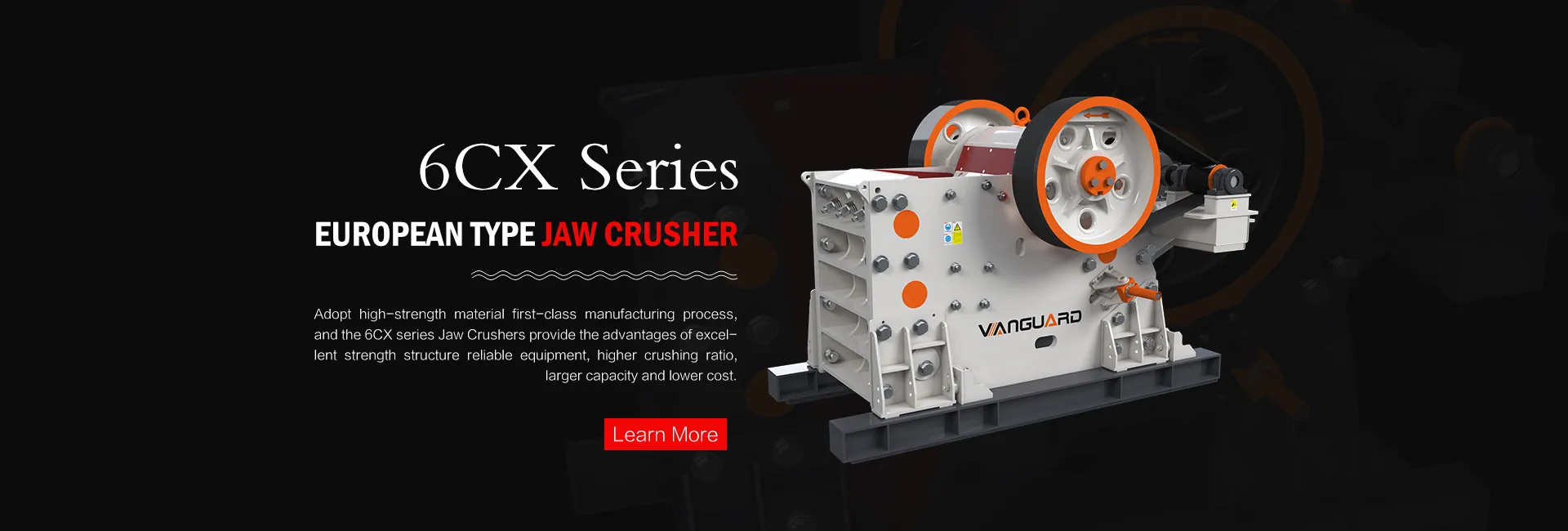
| Primary | Jaw crusher (6CX / PE Series) | First break of large rock |
| Secondary | Impact / cone crusher | Further reduction, shaping |
| Screen | Vibrating screen | Size grading, closed-circuit return |
| Convey | Belt conveyor (B Series) | Move material between machines |
| Control | Cabinet / PLC | Start/stop interlock, protection |
How a Crushing Plant Works
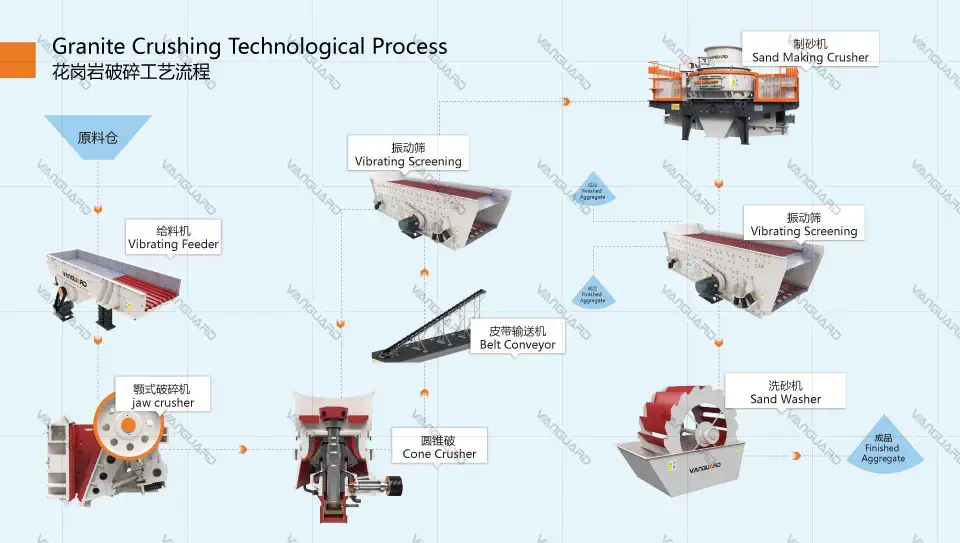
A standard aggregate line runs a closed circuit: primary to secondary to screen and back. Each step feeds the next the right size, and the line steadily outputs on-spec product.
Feed to vibrating feeder (pre-screen dirt) to jaw crusher (primary) to buffer stockpile to cone / impact crusher (secondary) to vibrating screen (sizing) to on-spec aggregate out. Oversize returns to secondary to close the loop. For manufactured sand, the screen undersize goes to a vertical-shaft impact crusher for shaping.
Stationary vs Mobile Crushing Plants
By installation, a crushing plant is either stationary or mobile. The crushing principles are the same; the difference is in foundation, relocation and where each fits.
| Item | Stationary plant | Mobile plant |
| Installation | Concrete foundation, on-site assembly | Integrated unit, produce on arrival |
| Relocation | Low, barely movable | High, rotates across sites |
| Build time | Long (piling, pouring) | Short (produce on arrival) |
| Cost per unit | Lower | Higher |
| Best for | Large long-life mines, fixed quarries | Short jobs, C&D waste, multi-pit |
If the material is fixed, output is high and the service life is long (a big stone quarry), stationary is cheaper. If the job is scattered, moves often or the site is tight, mobile saves time and foundation. Short version: fixed and long-term, go stationary; flexible and moving, go mobile.
Mobile Crushing Plants: Wheeled vs Crawler
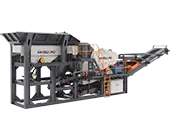
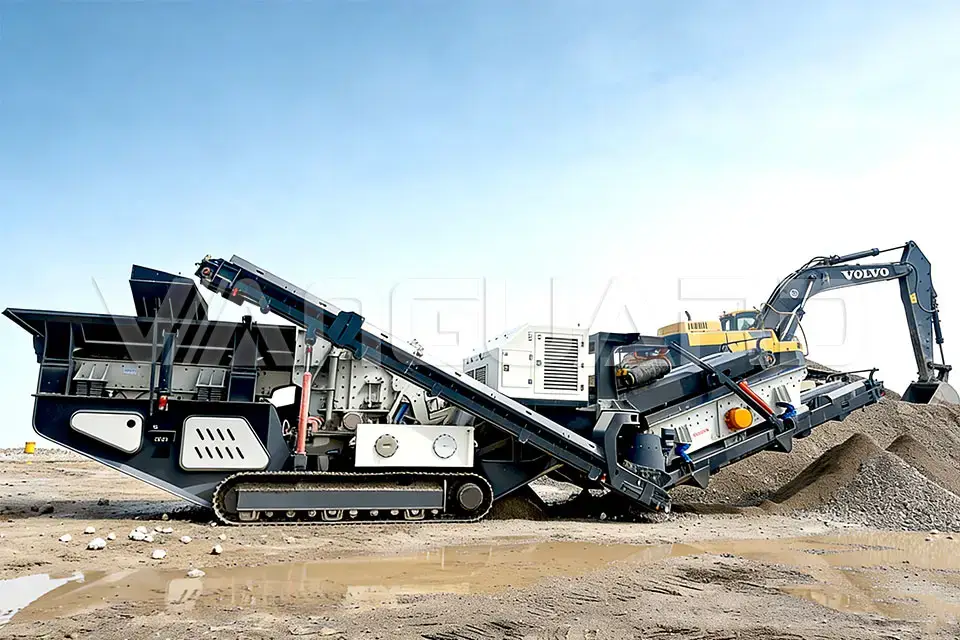
A mobile crushing plant puts feeding, crushing and screening on one movable chassis that produces where it stands. By travel method it splits into wheeled and crawler.
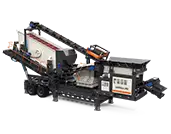
Wheeled plants (such as the VPE Series jaw plant, VPF Series impact plant, VPC Series cone plant) relocate by truck tow, suit road travel and rotating between sites, and get into production fast at a good price.
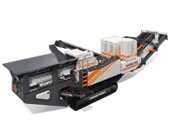
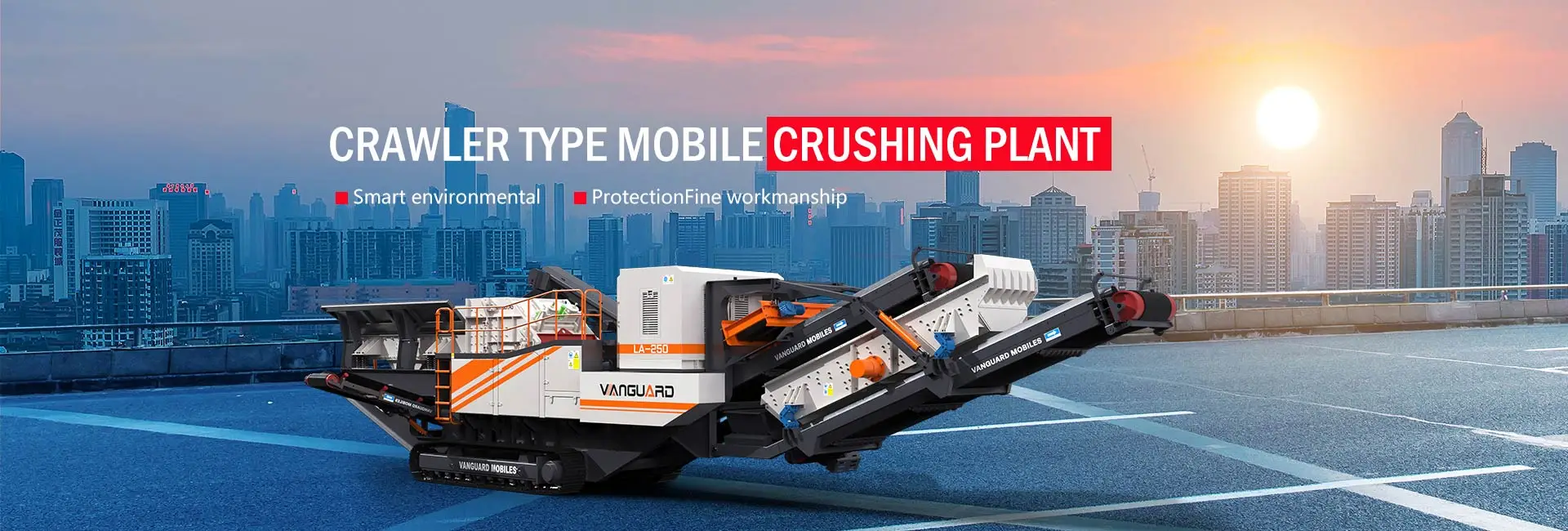
Crawler plants (such as the C96 / C106 / C116 jaw plants, LA Series cone / impact / screening plants) move by self-propelled tracks within the site, need no tow, handle poor ground well, and suit complex sites and crush-as-you-mine work.
If road transport dominates and cost is the priority, go wheeled; if you shift often within a site, the ground is bad or you need self-propelled movement, go crawler. Both share the same core crusher, so the selection logic is the same.
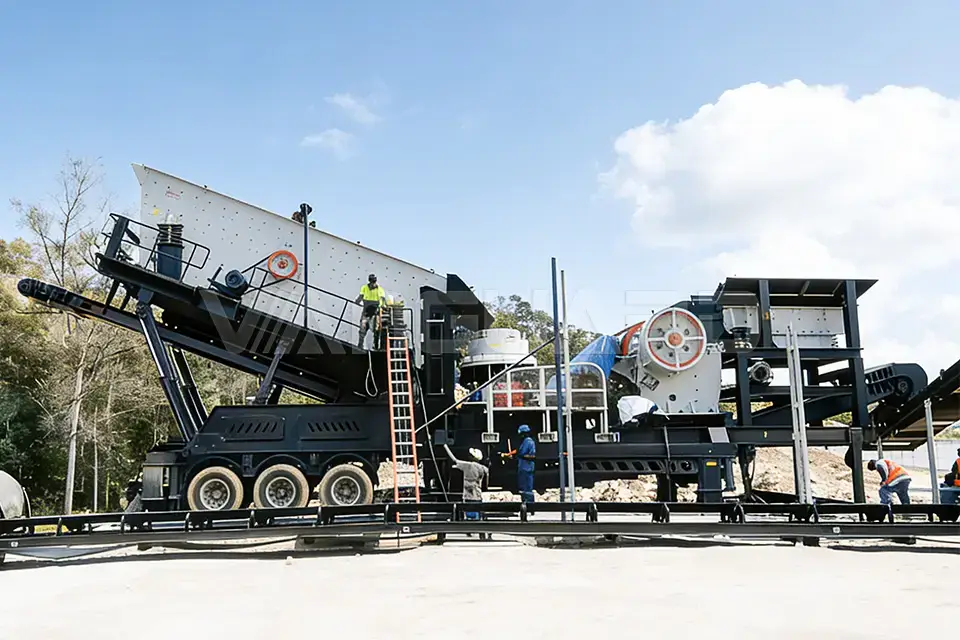
| Item | Wheeled | Crawler |
| Movement | Truck tow | Track self-propelled |
| Ground | Good on roads | Rough sites, even off-road |
| Relocation speed | Fast | Slower (flexible on site) |
| Cost | Lower | Higher |
| Typical series | VPE / VPF / VPC / VPV | C96 / C106 / C116, LA |
How to Choose the Core Crushers
Crusher selection makes or breaks the line; it follows the crushing stage and the rock. Equipment type first, then the specific series.
The jaw (6CX, PE / PEX, PEW Series) takes large feed, is simple and reliable, and is the primary choice for most lines, breaking big rock down to a size the secondary can take.
The impact crusher (6FX, LF, CI6X, PF / PFV Series) breaks by impact, gives good product shape with little filler, and suits medium-low abrasion rock like limestone for secondary and shaping.
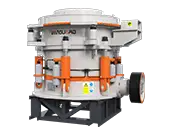
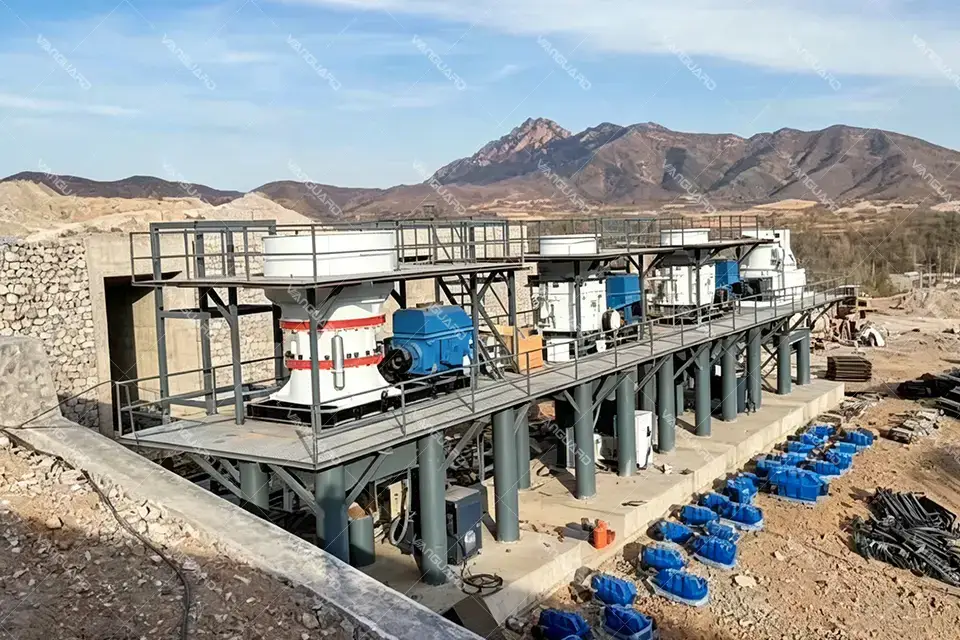
The cone crusher (CP multi-cylinder, CS / CH single-cylinder, CSV Symons Series) crushes by compression, wears well, and suits high-abrasion hard rock like granite and basalt for secondary and fine crushing with steady output.
The vertical-shaft impact crusher (5X, VSI Series) shapes fines into qualified manufactured sand with round particles and sound gradation — the key end machine in a sand-and-aggregate combined line.
| Equipment | Stage | Suits | Trait |
| Jaw crusher | Primary | All rock | Big feed, reliable |
| Impact crusher | Secondary / shaping | Low-med abrasion | Good shape |
| Cone crusher | Sec / fine | High-abrasion hard rock | Wear-resistant, steady |
| VSI crusher | Sand making | Fine shaping | Round sand |
Field Verification: What Matters in an Aggregate Line
Whether a plant is configured right is ultimately proven in actual operation. Drawing on Vanguard Machinery's experience across granite, limestone and other aggregate lines, three patterns stand out:
Rock properties decide the crusher. High-abrasion hard rock (granite, basalt) runs jaw plus cone; low-medium abrasion (limestone) runs jaw plus impact more economically. Pick the wrong crusher type and both product shape and wear-part cost suffer.
Mobile plants supply just as steadily. Across several wheeled and crawler mobile lines, with proper closed-circuit screening the product gradation matches stationary plants, and relocation is fast — ideal for rotating between pits.
Pre-screen and closed circuit drive efficiency. A grizzly pre-screen at the feed end and closed-circuit return after crushing clearly lift yield and output while easing the load on the crusher. The lesson: know the rock first, then set the crushers and the flow — that is the most reliable path to a sound line.
Typical Applications and Cost
Crushing plants serve any site that needs qualified aggregate, and each scene asks for a different equipment form.
One, mines and quarries: large stationary or mobile lines making construction coarse aggregate and manufactured sand. Two, C&D waste recycling: a mobile plant moves in and breaks waste concrete and brick into recycled aggregate. Three, water and road works: mobile plants set along the route feed nearby and cut haul distance.
A crushing plant's investment covers equipment, foundation (stationary), installation and operation. Mobile skips the foundation and pays back faster; stationary has lower cost per unit of capacity but a longer timeline. Payback varies with output, aggregate price and model, and needs a project-specific estimate.
| Cost item | Stationary | Mobile | Note |
| Equipment | Medium | High | Mobile is more integrated |
| Foundation | High | Low / none | Mobile needs no piling |
| Relocation | Almost none | Flexible | Mobile is reusable |
| Upkeep | Medium | Medium | Similar |
FAQ
No. A rock crusher is the single machine that does the breaking. A crushing plant links feed, crush, screen and convey into a closed loop and turns out multiple sized products continuously.
It depends on the job. Long, high-output, fixed-site work is cheaper per unit with stationary; short, scattered, relocating work saves foundation with mobile and pays back faster. Fixed and long-term, go stationary; flexible and moving, go mobile.
Yes. With proper closed-circuit screening, a wheeled or crawler mobile plant matches a stationary plant on gradation and shape, and gets into production faster.
Typical: vibrating feeder to jaw crusher (primary) to cone / impact crusher (secondary) to vibrating screen (sizing) to belt conveyors; add a vertical-shaft impact crusher when manufactured sand is needed.
The jaw takes large feed, is reliable and adapts well, and steadily breaks big rock down to a size the secondary can accept — the primary choice for most lines.
For low-medium abrasion (limestone) pick the lower-cost impact crusher with its good shape; for high-abrasion hard rock (granite, basalt) pick the wear-resistant cone for steady output and lower wear-part use. Let rock hardness and abrasion decide.
Closed circuit means crushed material is screened: on-spec leaves as product, oversize returns to the crusher to be broken again. It guarantees every product meets spec with stable gradation — the normal state of a standard line.
Road transport and low cost favor wheeled (VPE / VPF / VPC Series); frequent on-site shifting, bad ground or self-propelled need favor crawler (C96 / C106 / C116, LA Series).
Yes. A mobile crushing plant moves in and breaks waste concrete and brick into recycled aggregate — the mainstream approach to C&D recycling, saving haul and using material on site.
After secondary and screening, add a vertical-shaft impact crusher (5X, VSI Series) to shape the fines, plus a sand washer (XSD, LSX Series) to control powder and mud, and you get qualified manufactured sand.
Stationary needs planned stockyards, foundations and turning room — a fair amount of space. Mobile is integrated and produces on arrival, asking little of the site, suiting tight or temporary ground.
Check three things: does product meet spec (shape, gradation), is cost per ton under control, and is relocation or scale-up flexible. Poor configuration shows as high wear-part use, much return material, and flaky product.
Conclusion
A crushing plant is not one machine but a complete aggregate line that closes the loop on feed, crush, screen and convey. Choose it by telling stationary from mobile and wheeled from crawler, and by setting crushers to rock hardness and abrasion — jaw for primary, impact / cone for secondary, VSI for sand. Know the rock and set the closed-circuit screen right, and you steadily make qualified aggregate while controlling cost per ton. Need a plant layout? Contact Vanguard Machinery for a free material analysis and selection advice.
Related Articles
- Why Is My Jaw Crusher Wearing Out Too Fast? Causes and Fixes (2026 Guide) - Best Crusher for Granite: Complete Selection Guide (2026) - Impact Crusher vs Cone Crusher: Which to Choose?




