

Quick Answer
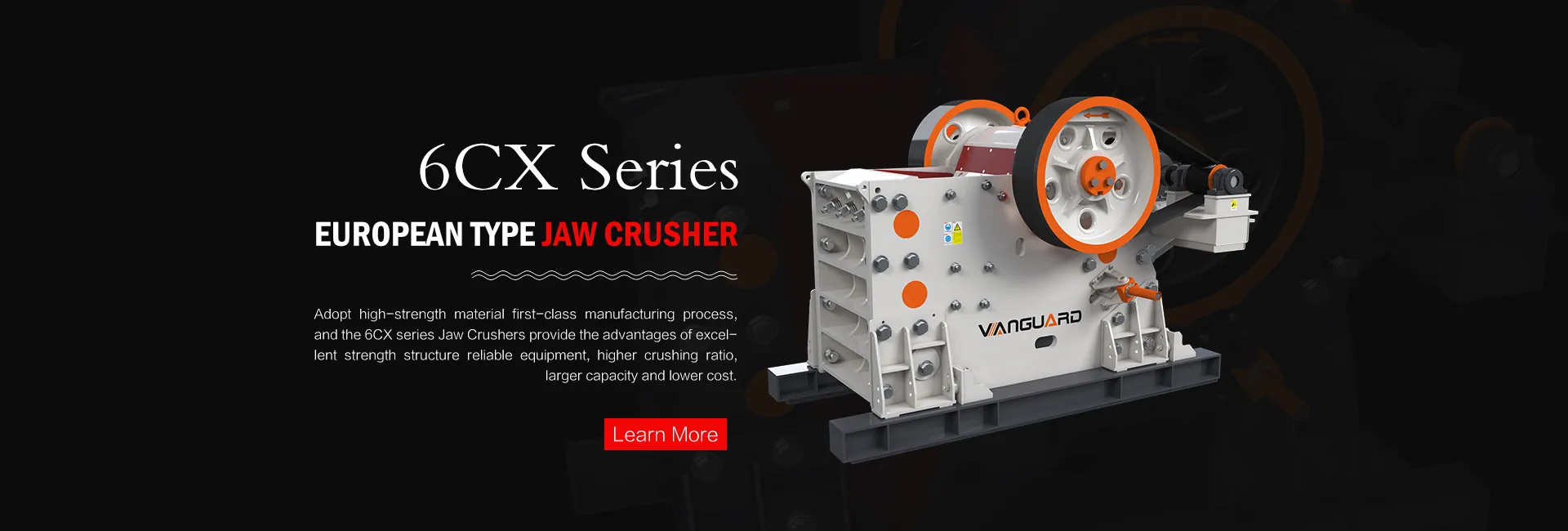
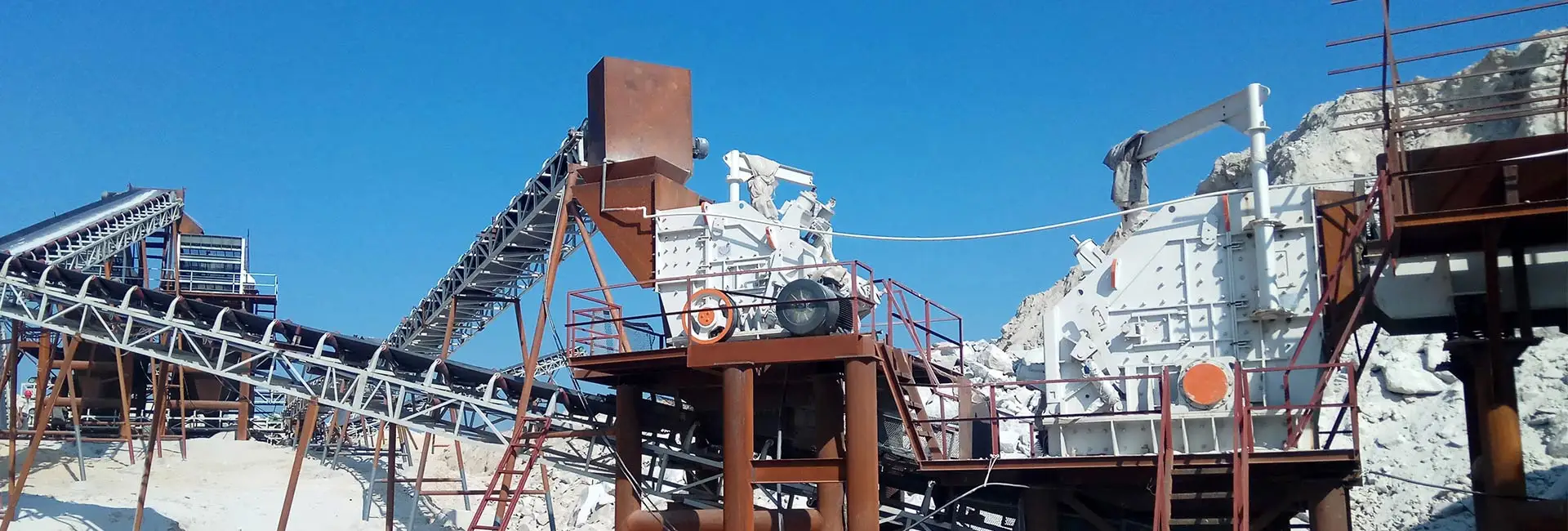
Iron ore is hard, abrasive and often wet, so you crush it in stages with compression crushers, not impact. A typical line runs: feed -> grizzly feeder (ZSW, strips clay and fines) -> jaw crusher (primary, 6CX/PE) -> screen -> cone crusher (secondary, multi-cylinder CP) -> screen -> cone (tertiary, single-cylinder CS/CH or Symons CSV) -> screen -> mill-feed product, usually locked at 0-12 mm or 0-15 mm. Jaw plus cone wins on iron ore because compression wears far slower than impact on abrasive rock, and gives a uniform product the grinding mill wants. Vanguard Machinery covers both: stationary crushing lines and mobile plants (tyre VPE+VPC, crawler C96+LA). Need a layout? Contact Vanguard Machinery for a free material analysis and tailored selection.
Key Takeaways
- ✔ Iron ore is hard and abrasive — crush it with compression (jaw + cone), not impact - ✔ Run it in stages with a closed-circuit screen: jaw (primary) -> cone (secondary) -> cone (tertiary) - ✔ Pre-screen clay and fines with a grizzly feeder (ZSW) before the primary — it protects the crushers - ✔ Lock mill-feed size at 0-12 mm or 0-15 mm so the grinding mill runs efficient - ✔ Stationary crushing line for big mines; mobile (tyre VPE+VPC, crawler C96+LA) for scattered or move-with-the-face jobs
Why Iron Ore Is Hard to Crush
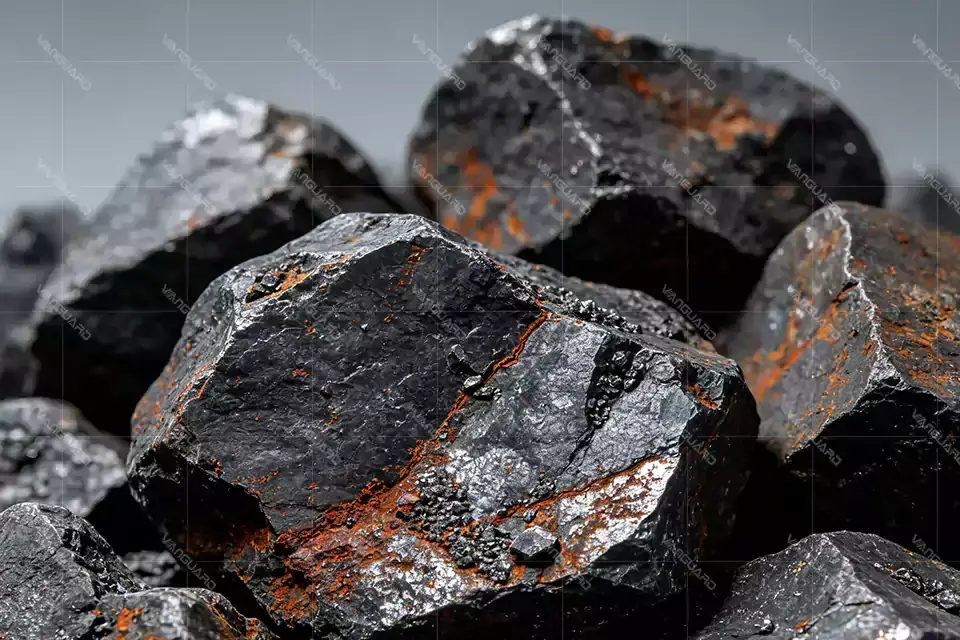
Iron ore fights back harder than limestone. Three traits shape the whole circuit.
Iron ore is a tough, high-compressive-strength rock. It needs a crusher that bites big feed and holds up under load — that points to a jaw at the front.
It carries silica and hard minerals that chew through wear parts. Abrasion is why you avoid impact crushers here: blow bars would vanish.
Run-of-mine ore frequently comes with clay and surface moisture. That mud clogs screens and chambers, so you pre-screen it out early.
The Core Idea: Stage Crushing Plus Closed-Circuit Screening
You never do iron ore in one giant pass. You step it down and screen between stages.
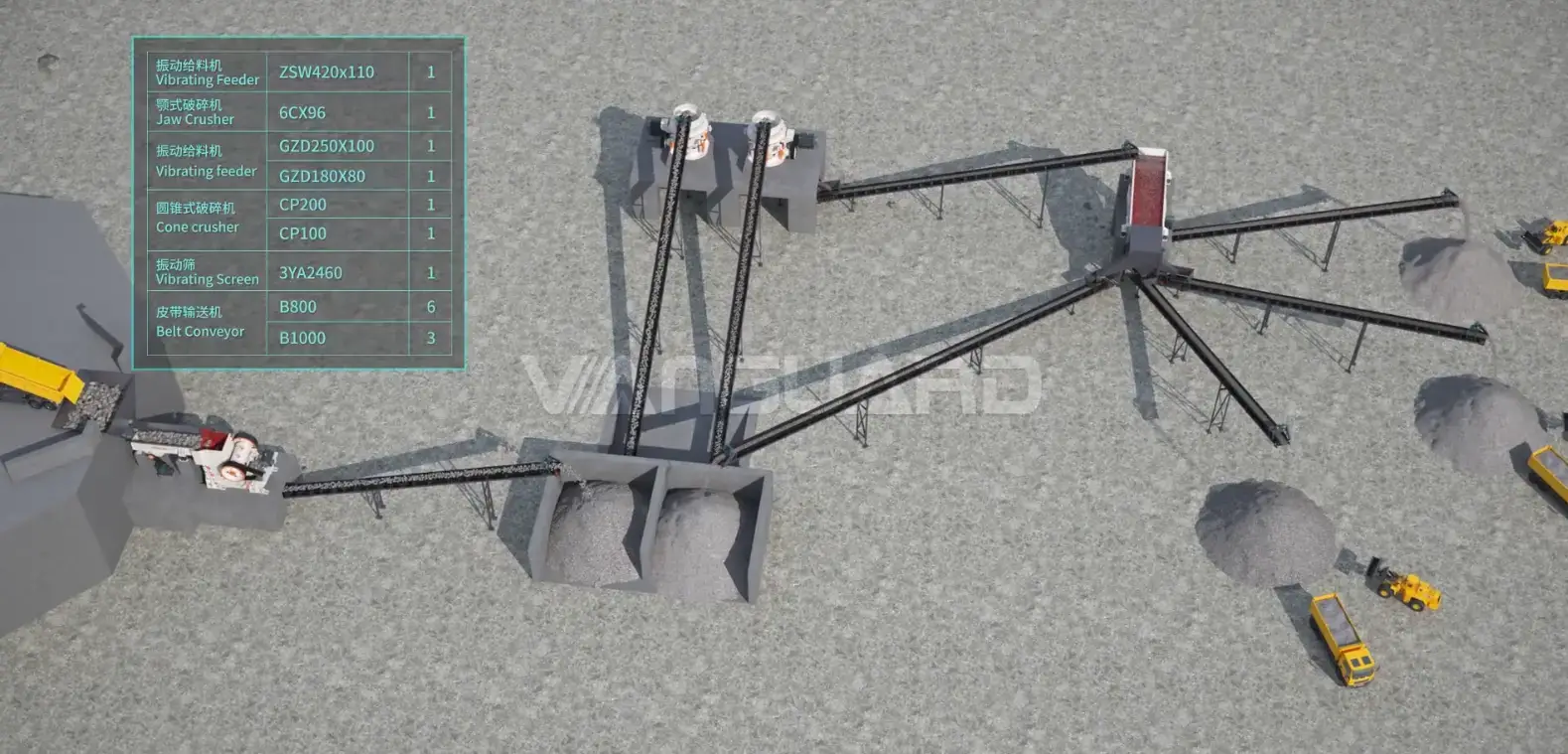
Feed -> grizzly feeder (scalps clay/fines) -> primary jaw -> screen -> secondary cone -> screen -> tertiary cone -> screen -> product. Each screen sends oversize back, so product size stays in spec.
The grinding mill is sensitive to feed size. A closed circuit holds the top size steady, so the mill grinds efficiently and wear stays low. Skip the screen and the size drifts.
How to Configure the Equipment
The iron-ore circuit is a jaw-plus-cone story.
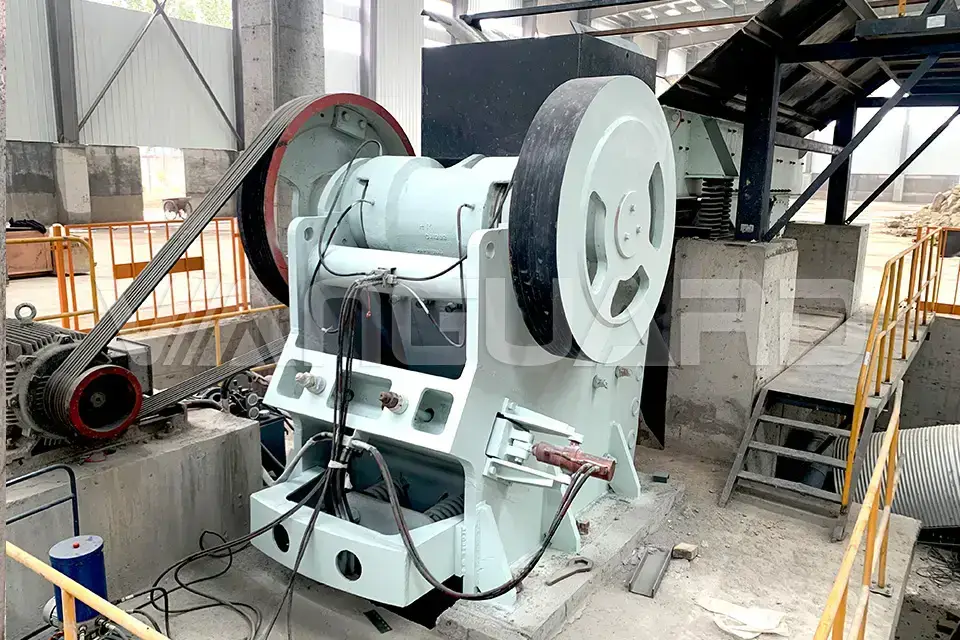
The jaw takes the run-of-mine lump — sometimes up to about 1,000 mm — and drops it to a manageable size for the cone. Our 6CX (European-style) and PE series are built for this duty.
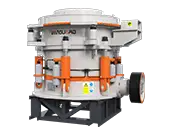
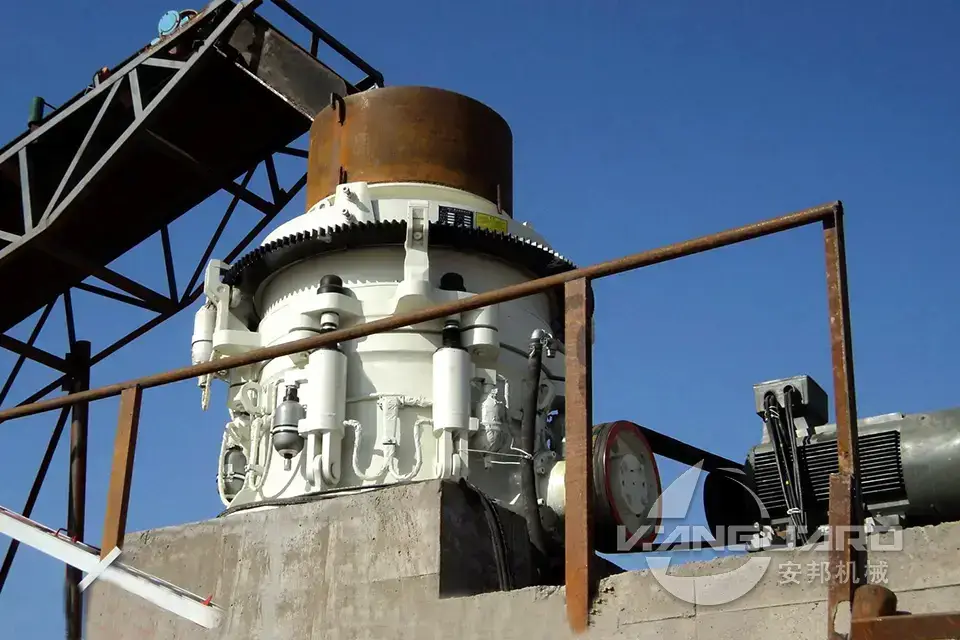
The CP multi-cylinder hydraulic cone handles the high-tonnage middle stage on hard rock, with a steady reduction and good throughput.
For the final mill-feed sizing, the CS/CH single-cylinder cone gives layered, well-shaped product, while the CSV Symons cone is the classic fine-crushing choice.
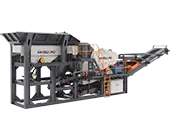
A ZSW grizzly feeder sits ahead of the jaw. Its bars pull clay and fines out before they reach the crusher — less clogging, lower wear.
They could physically break iron ore, but the abrasion bill is brutal. On iron ore, jaw-plus-cone is the lower-cost, longer-life pairing.
| Style | On iron ore | Verdict |
| Jaw (primary) | Bites big lump, holds hard rock, wear manageable | Primary choice |
| Cone (secondary/tertiary) | Compression, low wear, uniform product | Secondary/tertiary choice |
| Impact / hammer | Impact breaks rock, blow bars wear out fast on abrasive ore | Not recommended |
Stationary or Mobile?
Big tonnage usually means a fixed plant; mobile earns its keep on the right job.
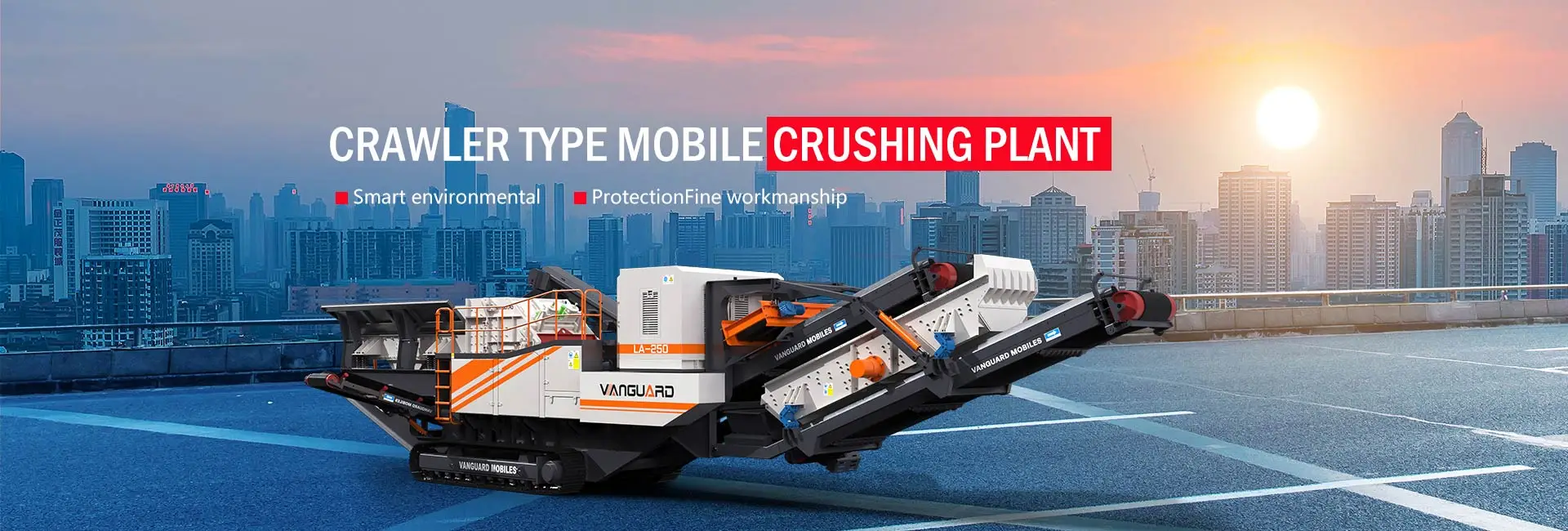
| Factor | Stationary crushing line | Tyre mobile plant (VPE+VPC) | Crawler mobile plant (C96+LA) |
| Best for | Large, long-life mines | Road relocation, contract jobs | Rough/no road, follows the face |
| Setup | Concrete foundation | Outriggers, faster move | Track base, low center, powers up on site |
| Throughput | Highest, scalable | Medium | Medium |
| Move style | Fixed | Tow between sites | Self-walks onto site |
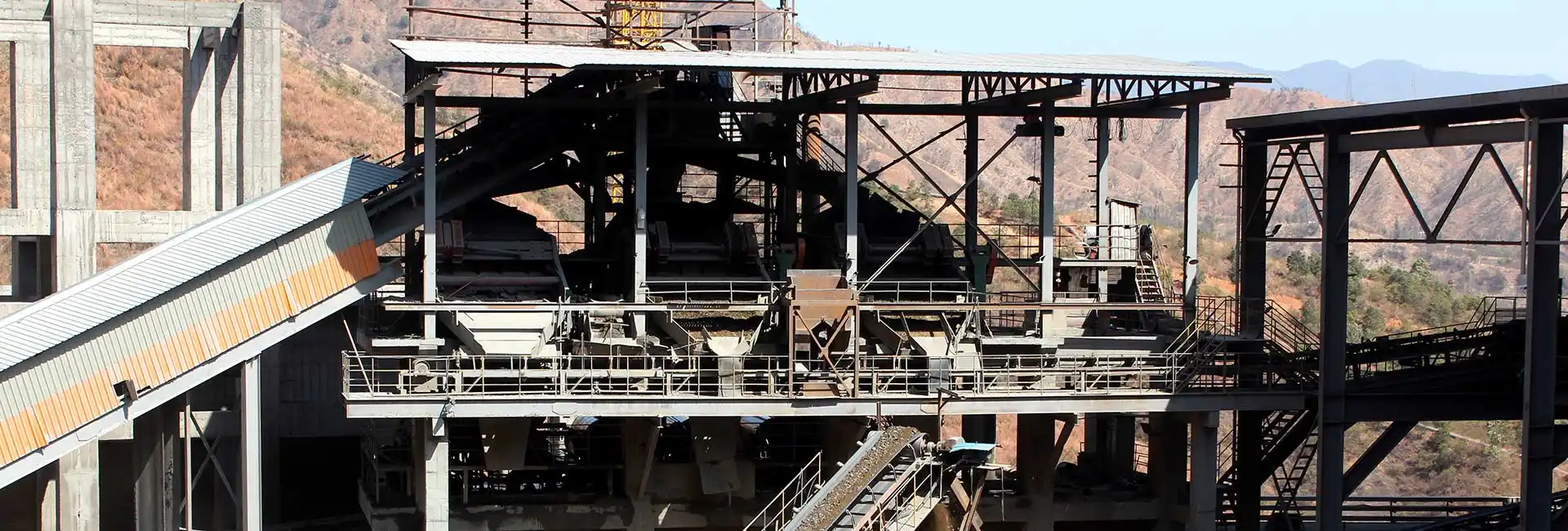
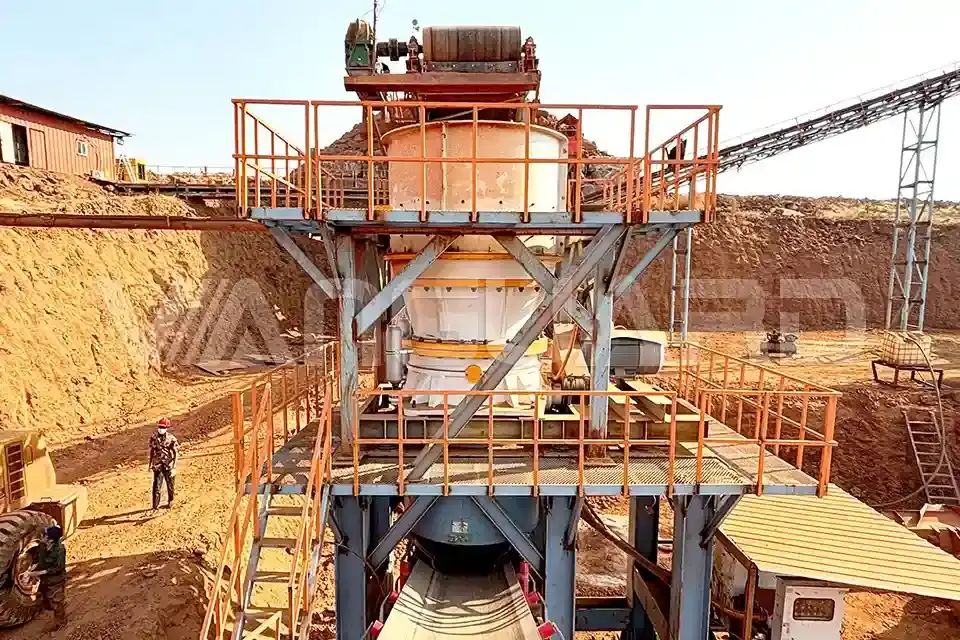
The standard for iron-ore mining: built on a foundation, scaled to the mine, runs steady for years.
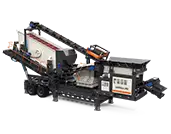
The VPE jaw and VPC cone on tyres move fast between sites by road. They need outriggers to steady up.
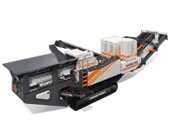
The C96/C106/C116 jaw and LA cone/screen on tracks walk themselves onto rough or roadless ground. Wide tracks and a low center keep them stable; they power up and produce on arrival.
Typical Vanguard Iron-Ore Models
The series follows the duty — pick by stage and feed.
| Series | Type | Use in iron ore |
| 6CX / PE | Jaw crusher | Primary, bites run-of-mine lump |
| CP | Multi-cylinder cone | Secondary, high-tonnage hard rock |
| CS / CH | Single-cylinder cone | Tertiary, layered fine product |
| CSV | Symons cone | Fine crushing, classic |
| VPE / VPC | Tyre mobile jaw / cone | Mobile primary + secondary |
| C96·C106·LA | Crawler jaw / cone-screen | Mobile on rough ground |
Typical Process Flow
The iron-ore line is a closed circuit from grizzly to mill.
Run-of-mine ore -> ZSW grizzly feeder (de-slimes) -> jaw (6CX/PE, primary) -> vibrating screen -> cone (CP, secondary) -> screen -> cone (CS/CH or CSV, tertiary) -> screen -> mill-feed product (0-12 mm / 0-15 mm) -> grinding mill (ball or vertical mill).
Lessons From the Field
What actually drives a good iron-ore setup, from lines we support.
Hardness and abrasion pick the machines. Iron ore is hard and abrasive, so jaw-plus-cone is the lowest-cost pairing over the plant's life; put an impact crusher in and the blow-bar bill runs away.
Closed-circuit screening sets the size. Iron concentrates are sensitive to grind feed size, so a closed circuit sends oversize back and holds the mill-feed top size steady — better mill efficiency, lower media wear.
De-sliming up front protects everything. Run-of-mine ore often carries clay; the ZSW grizzly pulls it out before the crushers, cutting clogging and wear. These three points hold across the iron-ore lines we support.
Selection Checklist and Common Mistakes
Turn selection into a checklist you can run in five minutes.
1. Feed hardness and abrasion? High -> jaw + cone. 2. Clay or moisture? -> grizzly feeder (ZSW) to de-slime first. 3. Mill-feed target? -> lock 0-12 mm or 0-15 mm. 4. Big fixed mine? -> stationary crushing line. 5. Scattered or move-with-face? -> VPE+VPC (tyre) or C96+LA (crawler).
Mistake one: use an impact crusher for iron ore — the wear cost kills it. Mistake two: skip the pre-screen — clay clogs the circuit. Mistake three: no closed-circuit screen — mill-feed size drifts and the mill suffers.
FAQ
Physically yes, but iron ore is hard and abrasive, so blow bars wear out fast and cost per tonne climbs. Jaw-plus-cone is the steadier, cheaper long-term choice.
A jaw crusher — our 6CX or PE series — because it bites the large run-of-mine lump and holds up under hard rock.
Compression crushing wears far slower than impact on abrasive iron ore, and the cone gives a uniform product that the grinding mill wants for efficient grinding.
Three is standard — primary (jaw), secondary (cone), tertiary (cone) — with screens between. Large mines may add a stage; the point is staged reduction plus screening.
Usually 0-12 mm or 0-15 mm, depending on the ore and the mill. Hold it steady with a closed circuit so the grinding mill runs at its best.
A ZSW grizzly feeder pre-screens the clay and fines before the primary crusher; in heavy clay, add washing. Keep the mud out so it does not clog screens and chambers.
It sends oversize back and holds product size steady. Stable mill feed means higher grinding efficiency and lower media wear — skip it and the size drifts.
Yes. The tyre VPE+VPC or crawler C96+LA handle scattered deposits, slow infrastructure or crush-as-you-mine work. Large mines still run a stationary crushing line as the backbone.
On rough or roadless ground that follows the face, choose crawler — it walks itself on, with a wide track base and low center for stability, and powers up on arrival. For fast road relocation, choose tyre (it needs outriggers to steady).
Multi-cylinder (CP) gives high tonnage in the secondary stage on hard rock; single-cylinder (CS/CH) shapes a finer, layered product in tertiary; the Symons CSV is the classic fine crusher.
Wet, sticky ore bridges in the chamber and on screens. De-slime, control moisture, pre-screen, and wash or dry when needed so the circuit keeps flowing.
Feed hardness, abrasion, moisture and clay, then tonnage target and whether you move with the face. Those answers set the stages, the machines, and stationary versus mobile.
Conclusion
Crushing iron ore is not about one big machine — it is a staged compression circuit. A jaw takes the run-of-mine lump, cones step it down, and a closed-circuit screen locks the mill-feed size at 0-12 mm or 0-15 mm. Because iron ore is hard and abrasive, jaw-plus-cone beats impact on wear and cost every time, and pre-screening the clay keeps the whole line flowing. Vanguard Machinery covers the full set: stationary crushing lines and mobile plants (tyre VPE+VPC, crawler C96+LA), with jaw (6CX/PE) and cone (CP, CS/CH, CSV) at the core. Need an iron-ore crushing layout? Contact Vanguard Machinery for a free material analysis and tailored selection.
- Prev: No more
- Next:No more




